In the heart of Central America, Guatemala is a land of volcanic highlands, deep rainforests, and
ancient Mayan ruins. It is bordered by Mexico to the north, Belize and the Caribbean Sea to the
east, Honduras and El Salvador to the southeast, and the Pacific Ocean to the south.
Its diverse terrain ranges from the mist-shrouded peaks of Volcán Acatenango to the turquoise
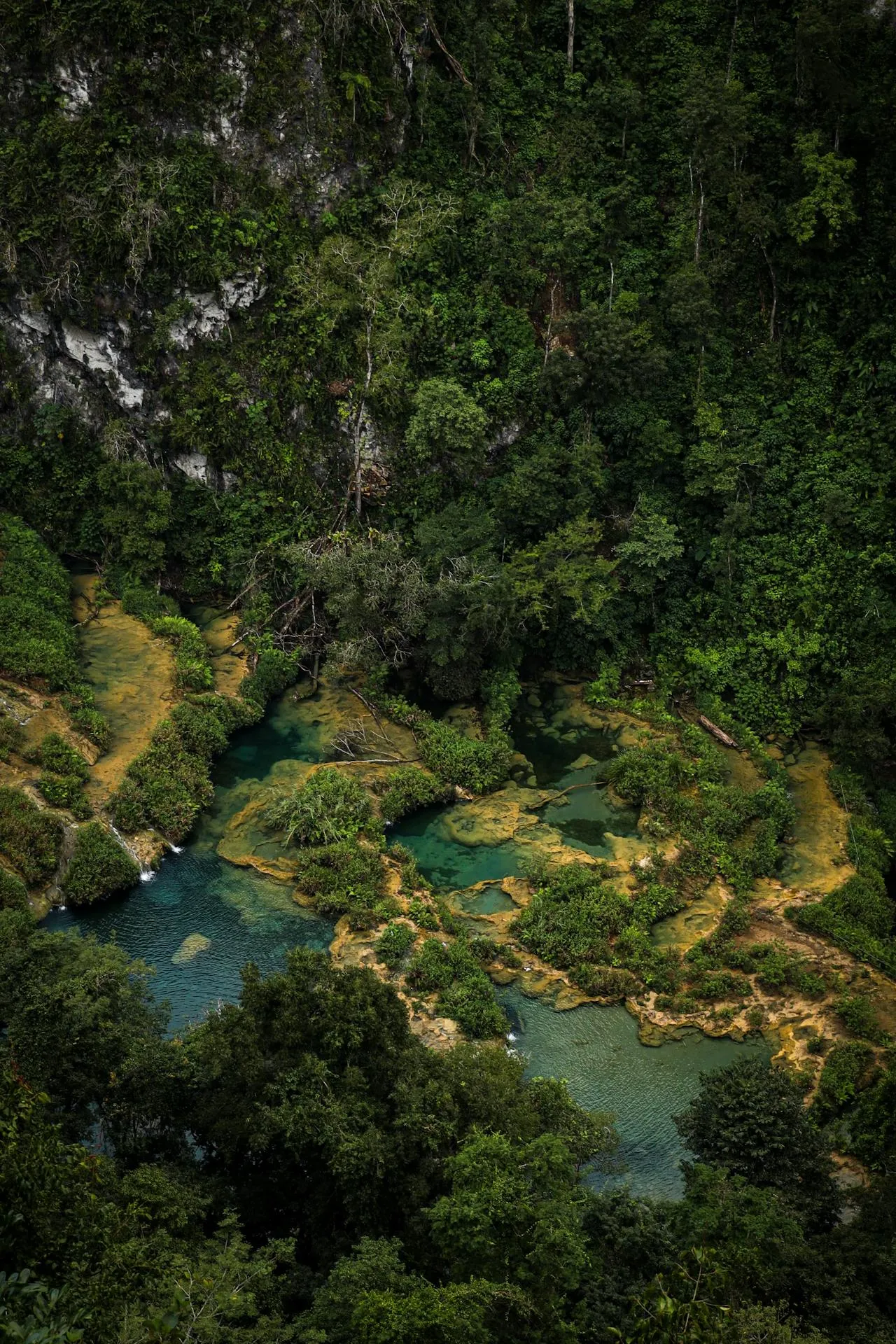
pools of Semuc Champey, and the colonial cobblestone streets of Antigua Guatemala.
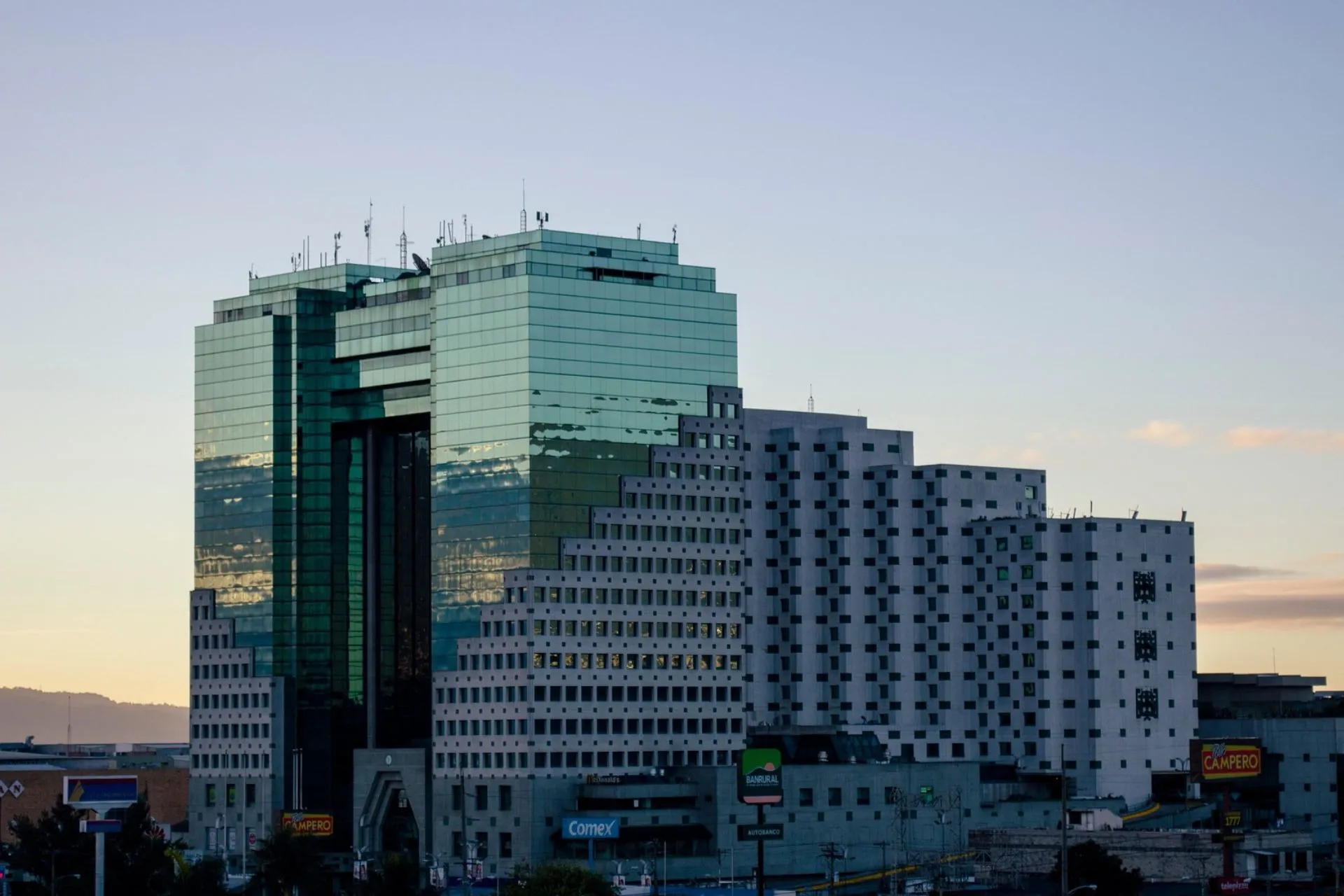
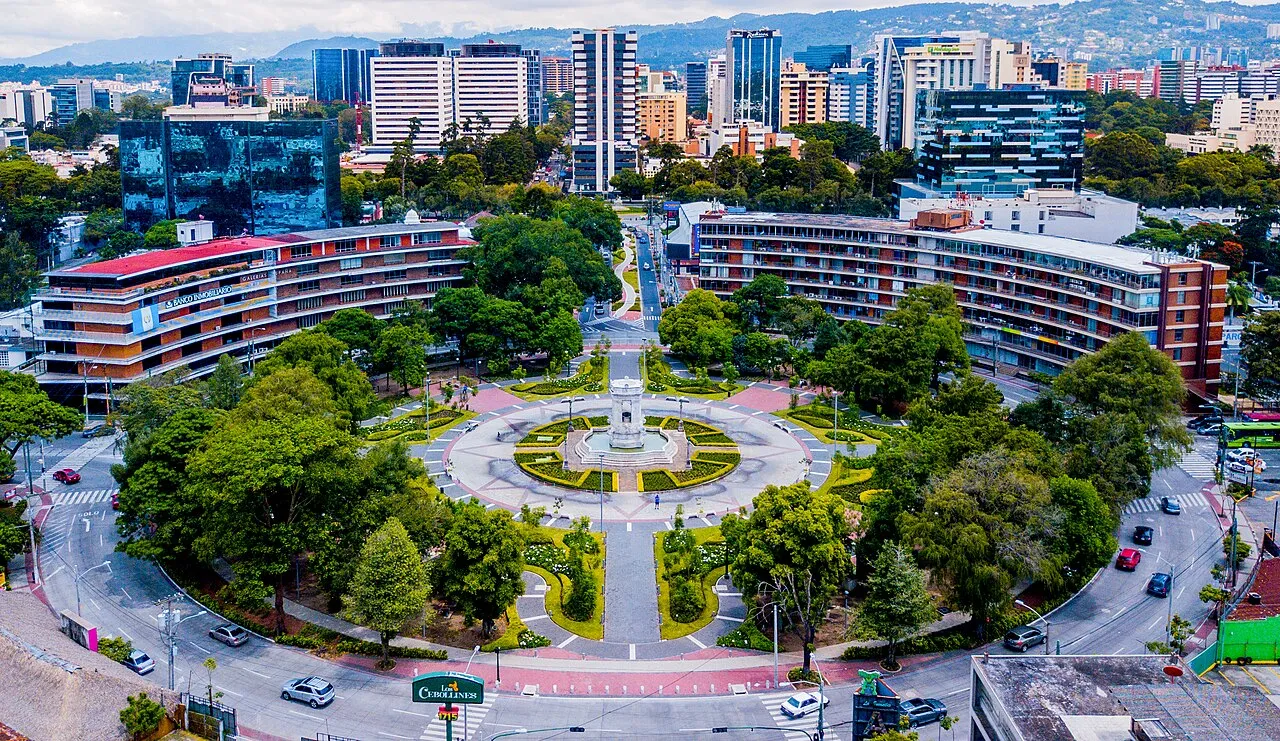
The capital, Guatemala City, pulses with urban energy, combining modern skyscrapers and
indigenous markets, while Lake Atitlán's shores and Tikal's towering pyramids, evoke a profound
sense of timeless wonder.
Historically, Guatemala is the birthplace of the Mayan civilization, with sites like Tikal dating
back to the 4th century BC, flourishing as a ceremonial center until its mysterious abandonment.
Conquered by Spanish conquistadors in the 16th century, it gained independence in 1821, enduring civil
strife until the 1990s peace accords. This turbulent past has forged a resilient spirit, evident in
its indigenous cultures, where over 20 Mayan languages thrive alongside Spanish.
Today, Guatemala thrives as a mosaic of adventure and heritage, from trekking active volcanoes to
bargaining jade stones in Chichicastenango's kaleidoscopic markets. Its biodiversity hotspots,
coffee fincas, and eco-lodges draw intrepid explorers seeking authentic immersion in a realm where
ancient rituals meet contemporary eco-tourism.
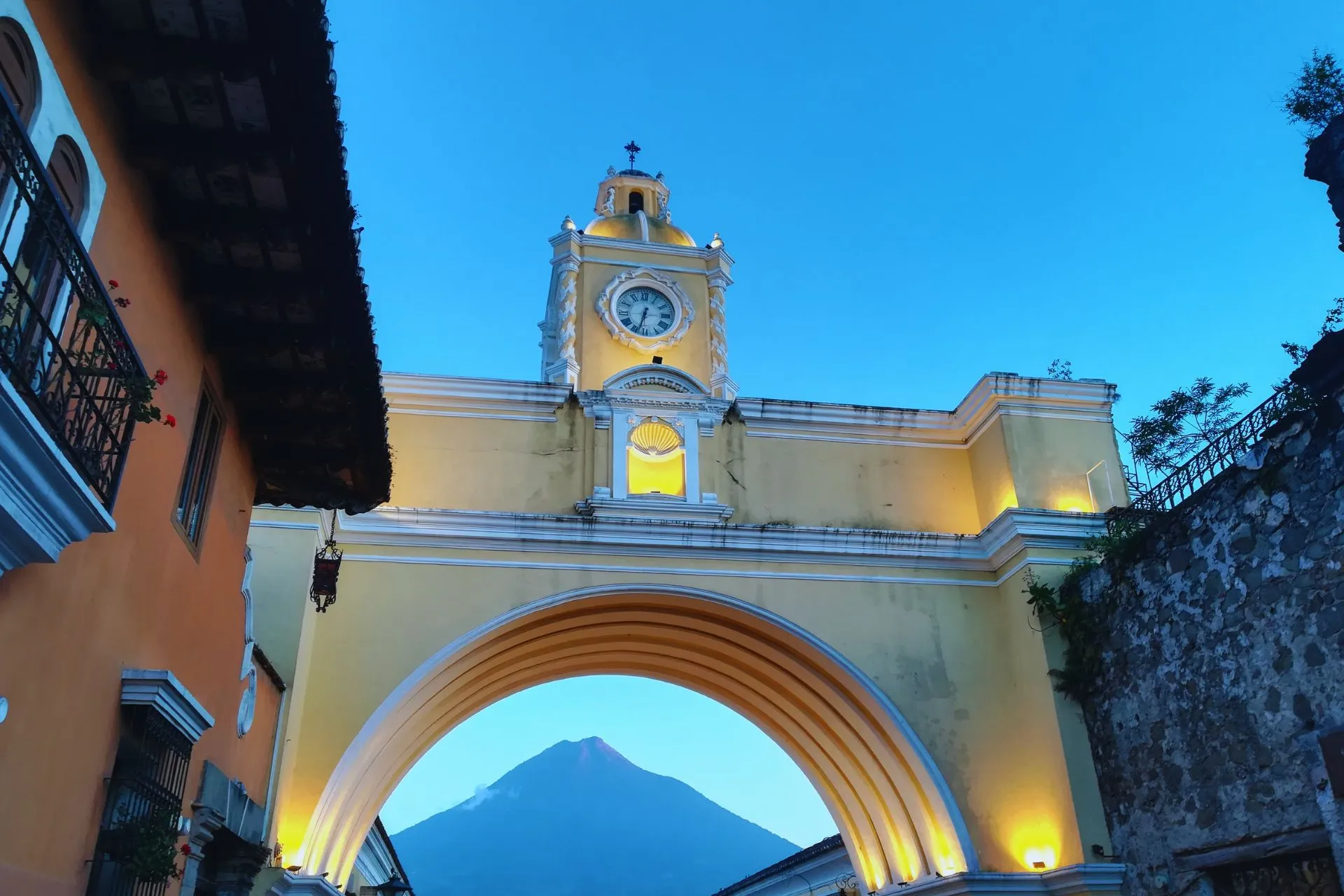
Built in the 17th century to connect nun convents, this iconic yellow arch frames Volcán
de Agua and serves as Antigua's most photographed landmark. Wander beneath it on Calle del
Arco, lined with artisanal shops and colonial facades, for a quintessential snapshot of
Guatemala's baroque splendor.
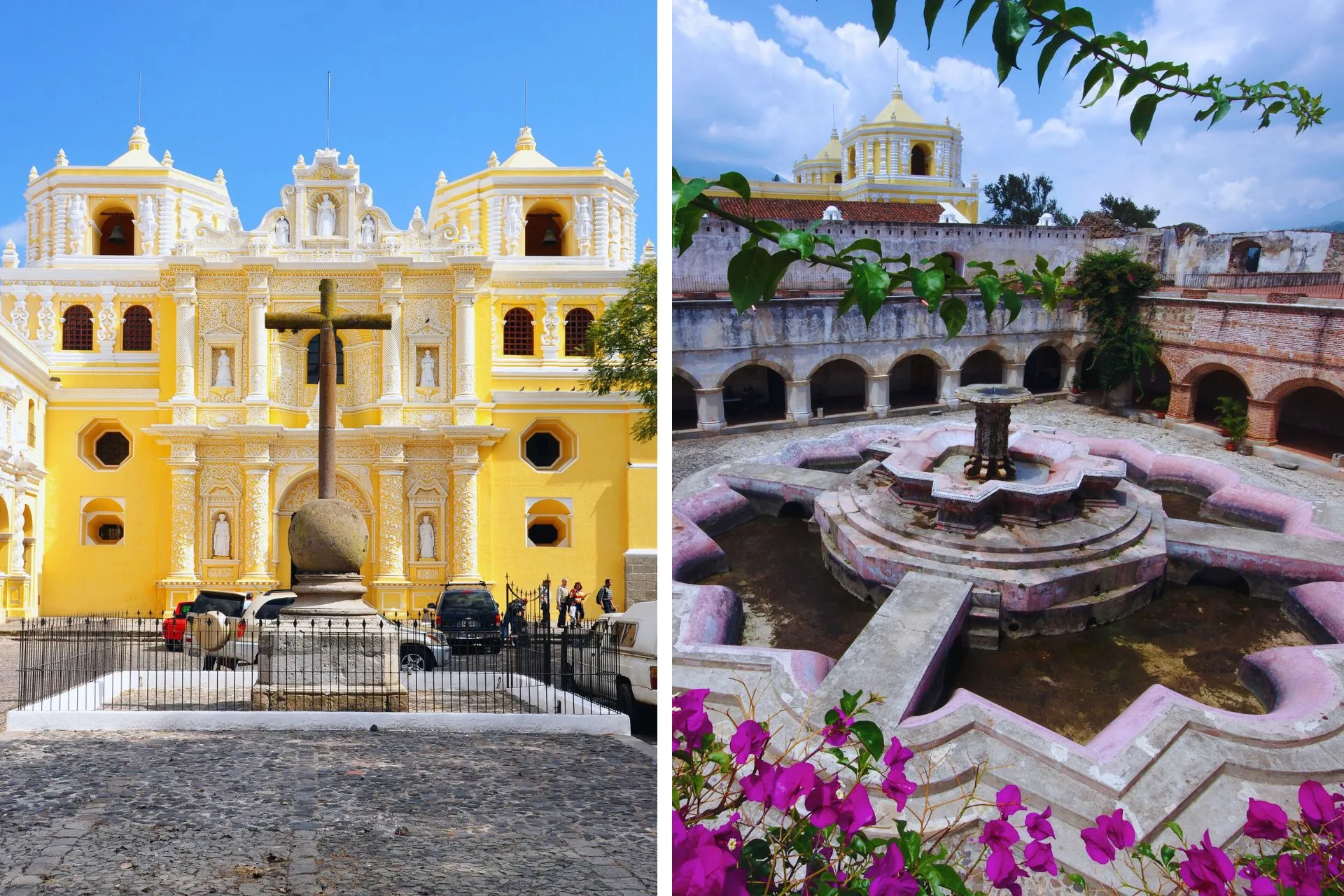
This 18th-century baroque church, with its ornate yellow-and-white facade and twin bell
towers, survived multiple earthquakes. Inside, admire gilded altars and the revered Virgen
de la Merced statue; climb to the rooftop for panoramic views of Antigua's red-tiled roofs
against volcanic backdrops.
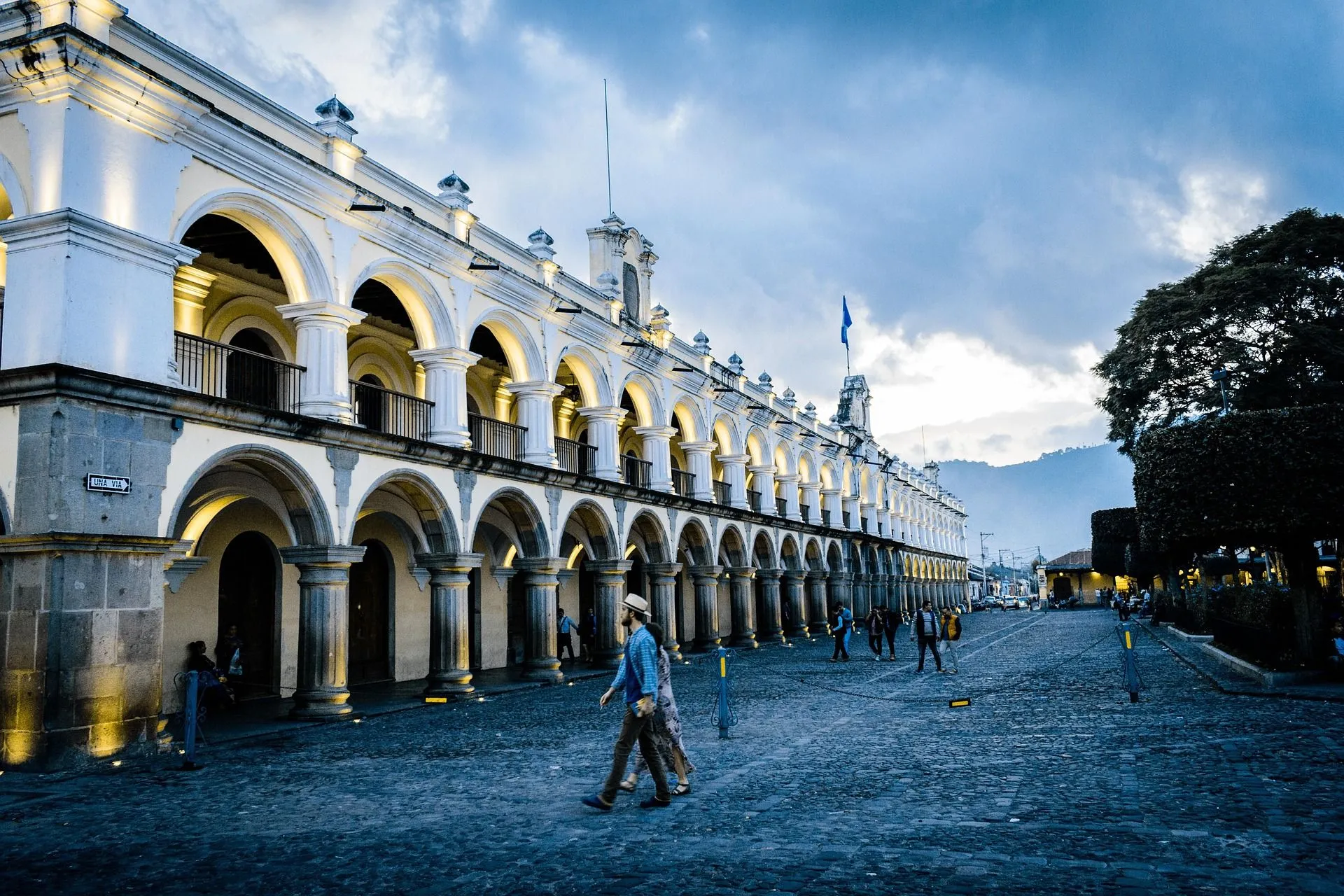
Antigua's bustling heart, this palm-shaded plaza features a mermaid fountain and is ringed
by colonial edifices like the Palacio de los Capitanes. Locals and travelers alike gather
here for street performances, vendor snacks, and people-watching amid the scent of
jacaranda blooms.
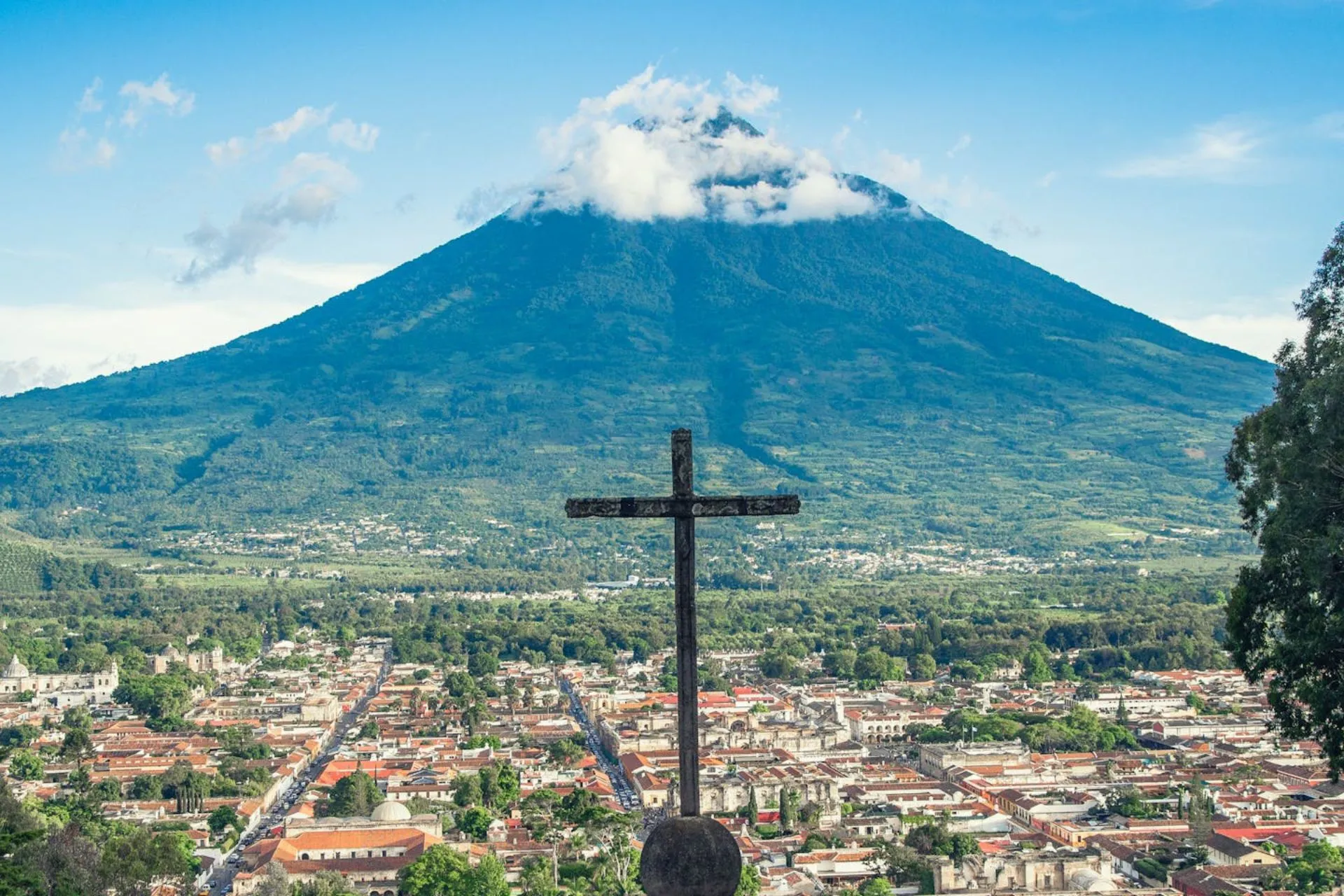
Perched on a hillside north of Antigua, this viewpoint offers sweeping vistas of the city
grid, Volcán de Agua, and surrounding coffee plantations. A short hike leads to a massive
cross monument, ideal for sunrise photography or contemplative picnics overlooking the
UNESCO-listed valley.
Housed in a restored colonial building, this museum showcases Guatemala's jade heritage
with artifacts from Mayan nobility, interactive workshops on lapidary arts, and a boutique
selling ethically sourced pieces. It's a gem for understanding pre-Columbian craftsmanship
in the heart of Antigua.
Panajachel:
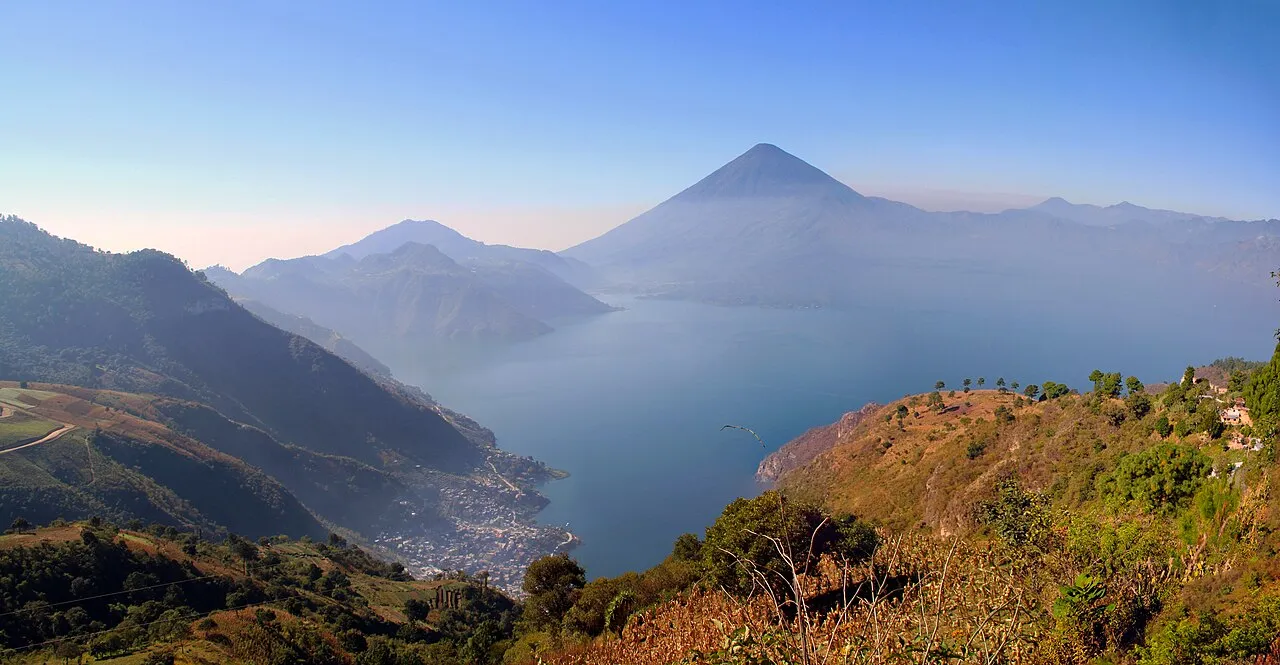
Panajachel is the first step when wishing to visit the surroundings of the Atitlán lake.
Reachable by either inexpensive local bus from Antigua, Guatemala City, or Quetzaltenango,
you might prefer a more direct shuttle option, especially if carrying luggages as local
buses can quickly become packed with people.
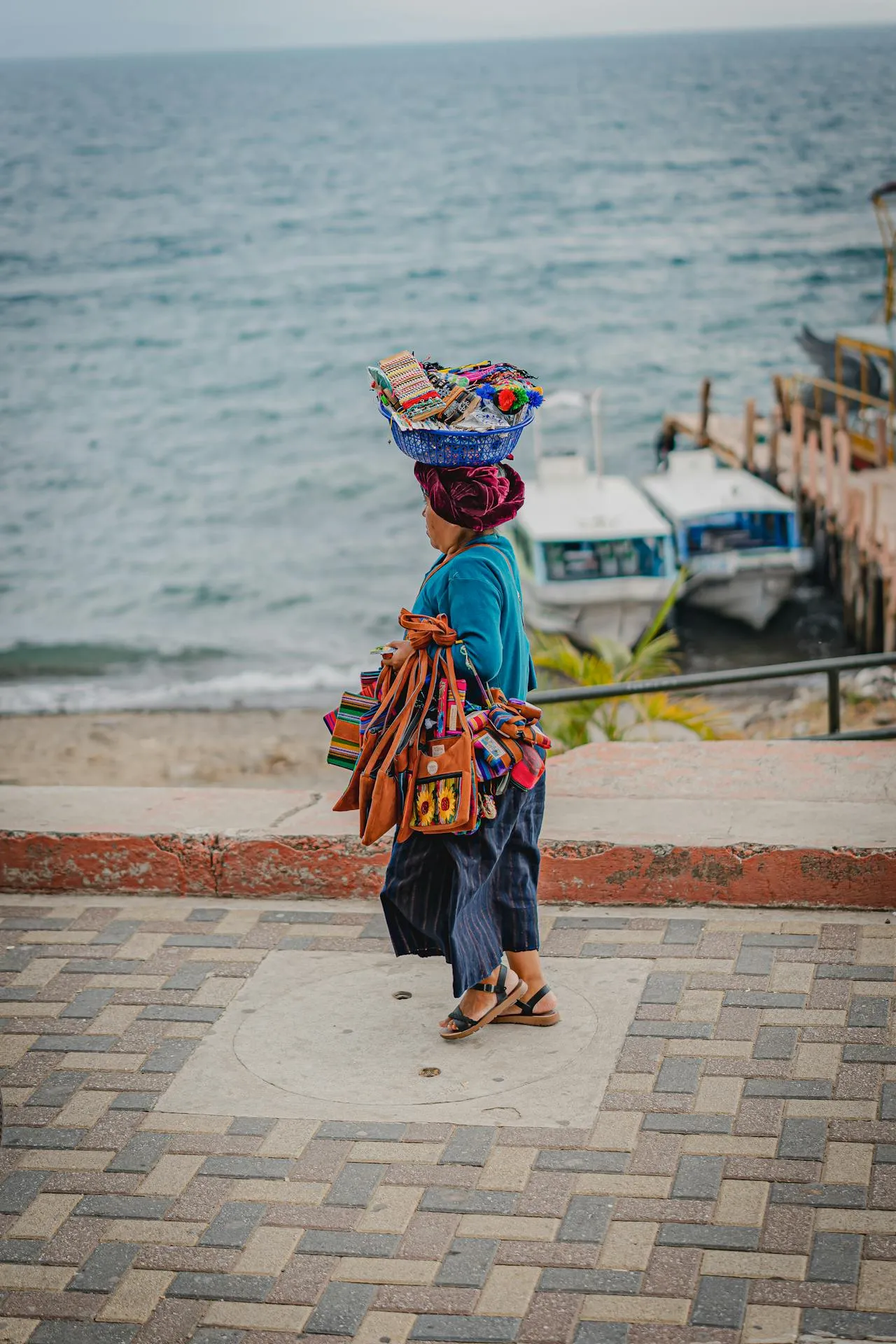
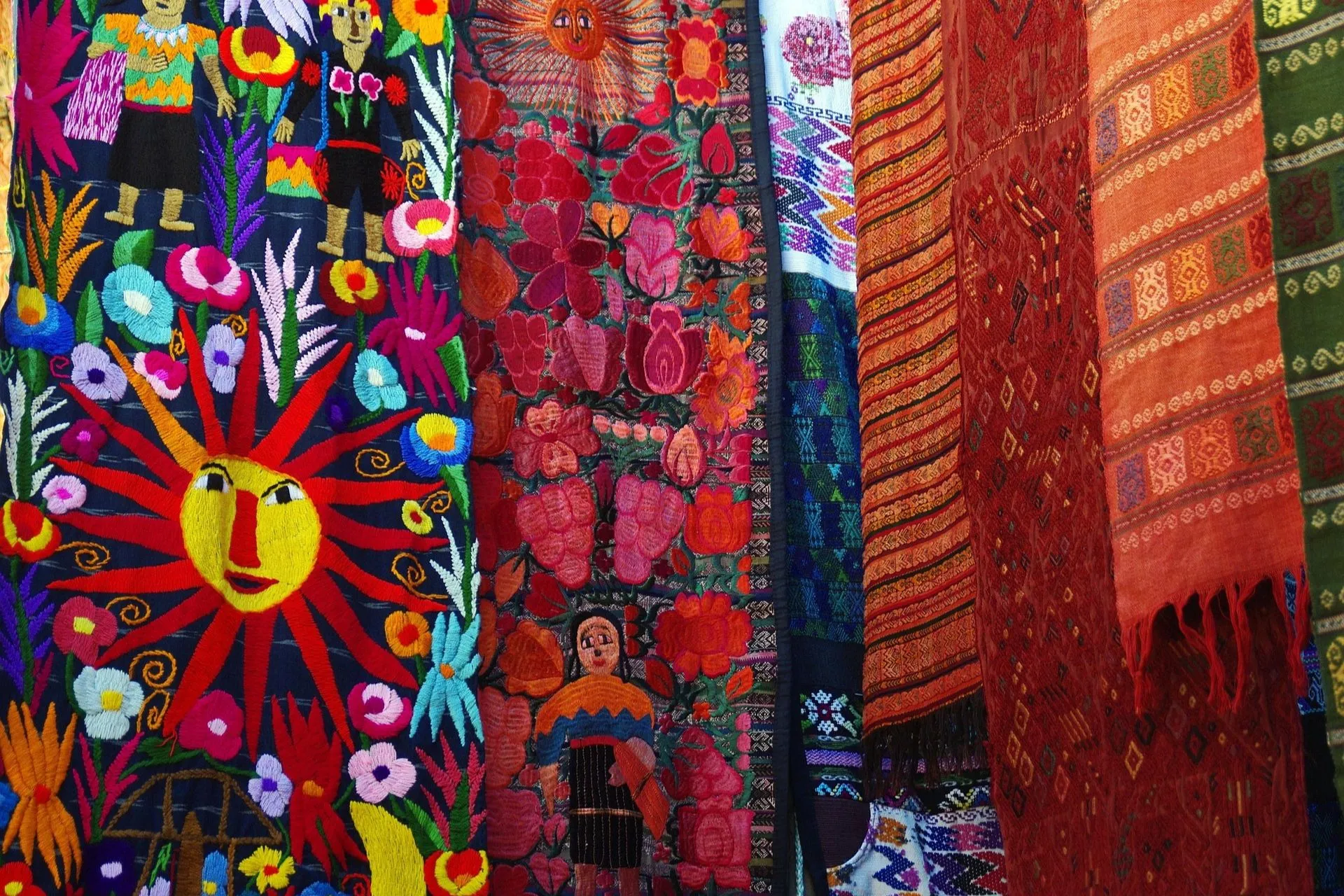
The lakeside gateway town buzzes with artisan markets along Calle Santander, where Kaqchikel
Maya vendors hawk woven textiles and beaded jewelry. It is possible to rent kayaks for
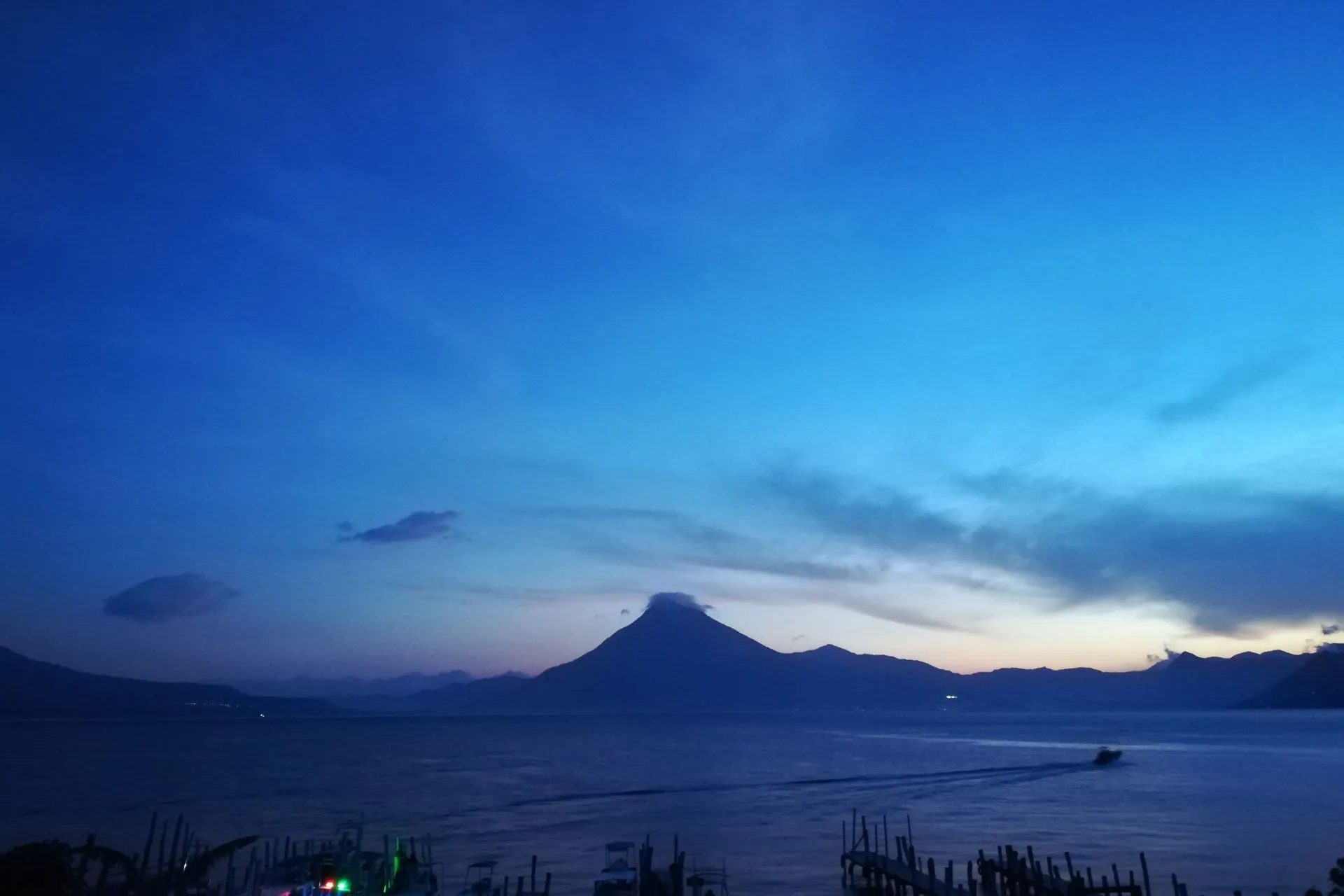
paddling across the caldera lake or hike to viewpoints for great shots of Volcán San Pedro.
Visit IdeaPractical Information for Lake Atitlán:
Time your visit for Thursday or Sunday to catch Chichicastenango's market frenzy.
Prioritize lancha collectives boats over private boats to save on fares.
Prefer staying in San Juan La Laguna or a smaller village on the northern coast,
instead of San Pedro, especially if you are seeking authenticity.
Boat taxis connect communities, however ATMs are very sparse, so it is highly
recommanded to carry quetzales.
At the western side of Atitlán Lake, San Juan La Laguna stands out as one of the
most authentic and culturally preserved villages around.
Unlike its neighbor San Pedro, it has consciously developed a sustainable,
community-based tourism model, making it an ideal destination for travelers
seeking meaningful cultural immersion rather than nightlife or convenience.
An Authentic Cultural Hub: Few minutes only from San Pedro
by tuk-tuk or boat, San Juan La Laguna is a Tz’utujil Maya village that has
retained a strong indigenous identity. Tourism here is structured around local
cooperatives rather than external businesses, ensuring that economic benefits remain
within the community. The atmosphere is noticeably calmer, cleaner, with a focus on
education, craftsmanship, and cultural preservation.
Artisan Workshops & Cooperatives: The village is known for its
network of women-led textile cooperatives, where traditional weaving techniques are
preserved using backstrap looms and natural dyes derived from plants, minerals, and
insects. Visitors can observe the full process, from cotton spinning to dye
extraction, providing a rare insight into ancestral craftsmanship.
Coffee and cacao cooperatives can also offer guided tastings and production tours
of the local agriculture.
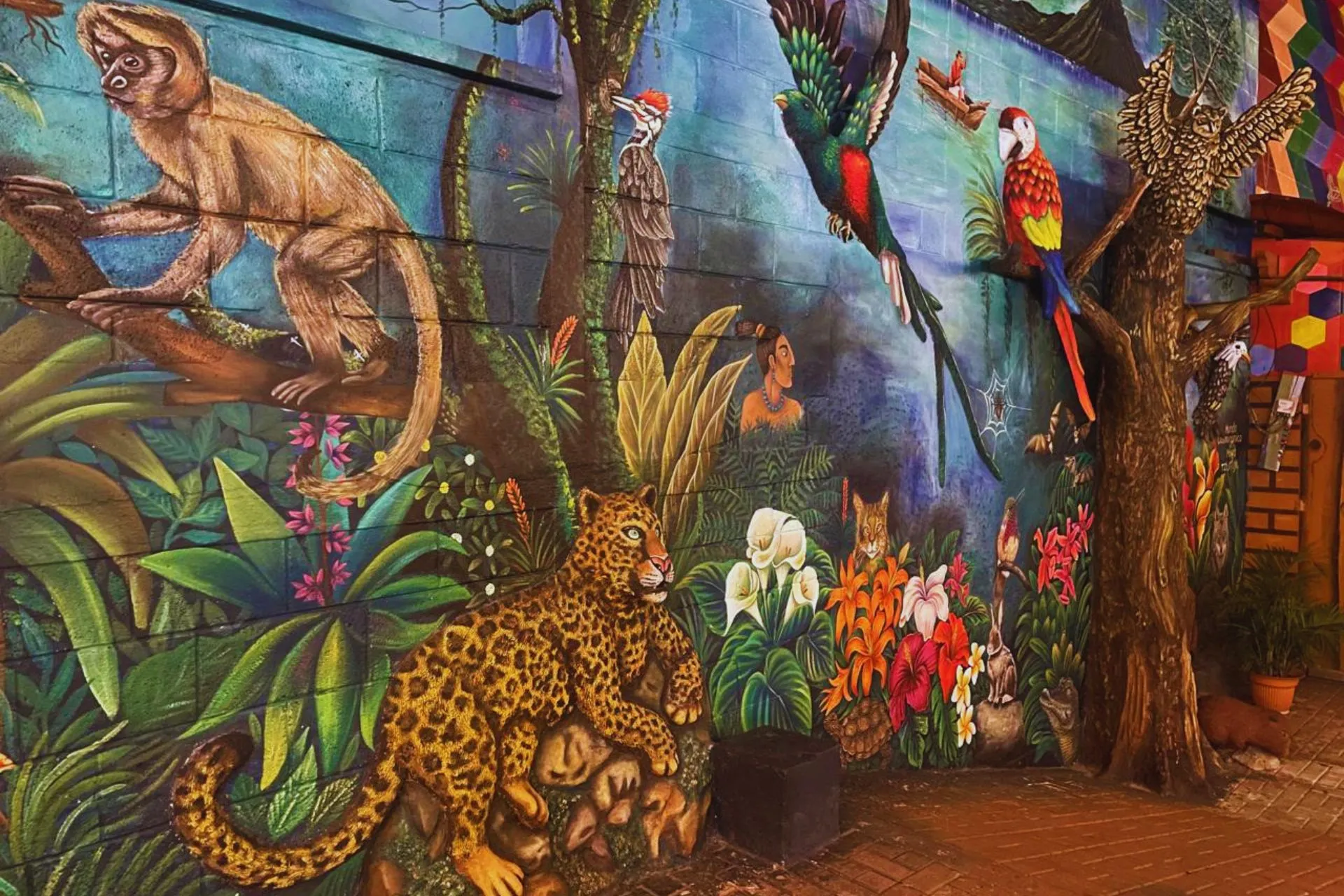
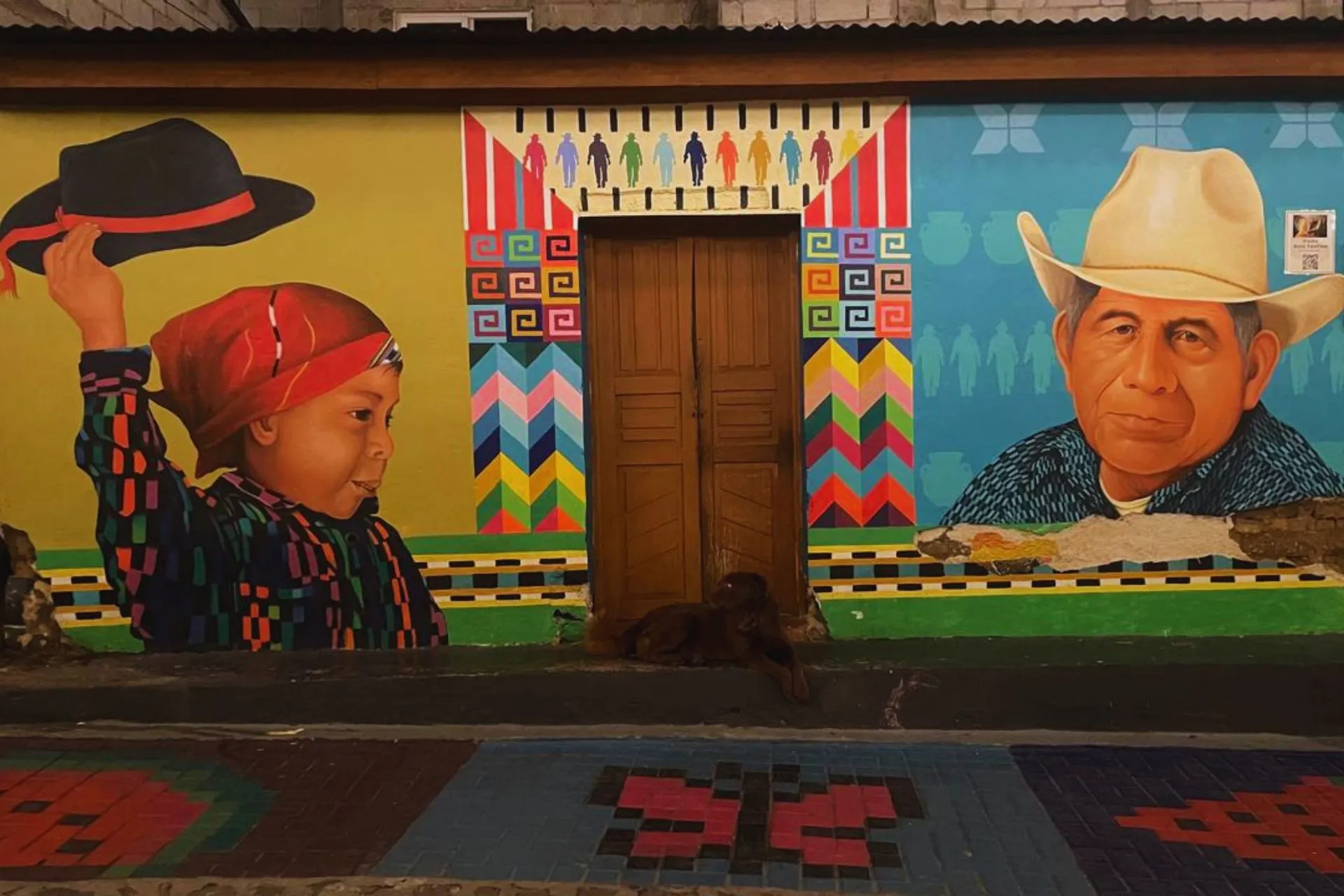
Street Art & Symbolism: While San Pedro give some eclectic
murals, San Juan presents a more curated and symbolic approach to street art. Murals
here are deeply rooted in Mayan cosmology, daily life, and community values. Brightly
painted alleyways, decorated staircases, and thematic streets create a visually
immersive environment, where every artwork carries cultural meaning rather than purely
aesthetic intent.
Miradors & Surroundings: Several viewpoints, standing above the
village, offer panoramic perspectives over Lake Atitlán and its surrounding volcanoes.
Short hikes through agricultural land and forested hills lead to these elevated spots,
which are examples of quieter alternatives to the more demanding volcano treks found
elsewhere.
Atmosphere & Experience: San Juan is defined by its rhythm and
intentional eco-tourism model. There is little to no nightlife, and the focus is
instead on daytime exploration, cultural exchanges, and slow travel.
The village feels organized yet genuine, making it particularly appealing for
photographers, artisans, and travelers interested in cultural heritage.
San Pedro is not the most authentic village around Lake Atitlán, but it plays a key
logistical and social role. It is best approached as a dynamic stopover, ideal for meeting
other travelers, organizing excursions, and experiencing a more contemporary,
international side of the lake before continuing toward more preserved and culturally
immersive villages nearby.
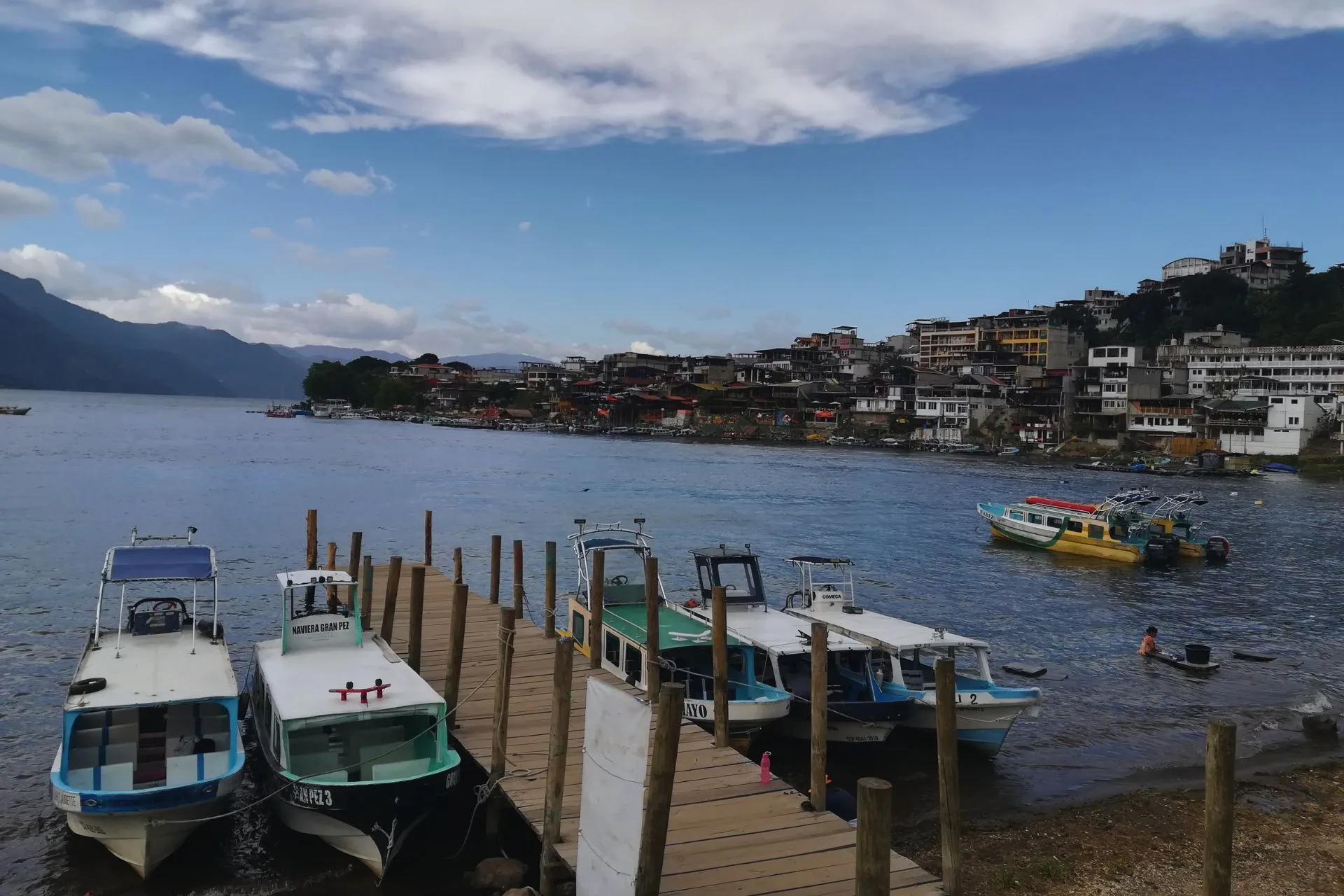
A backpacker Hub: San Pedro La Laguna sits along the western shore
of Lake Atitlán, at the base of the San Pedro Volcano, and functions as one of the
main entry points for independent travelers exploring the lake. Easily reached by
lancha from Panajachel, it has developed into a well-established backpacker enclave,
with language schools, budget hostels, co-working cafés, and a noticeable nightlife
scene. This accessibility comes with trade-offs: the atmosphere is more international
than traditional, prices are slightly inflated compared to neighboring villages, and
the local identity feels more diluted. Still, its energy, logistical convenience, and
social atmosphere make it a strategic base for short stays or transit across the lake.
San Pedro remains a Tz’utujil Maya town beyond the main strip, and if you step away
from the central streets, you’ll notice a more traditional rhythm of life, with local
markets, daily commerce, and indigenous culture.
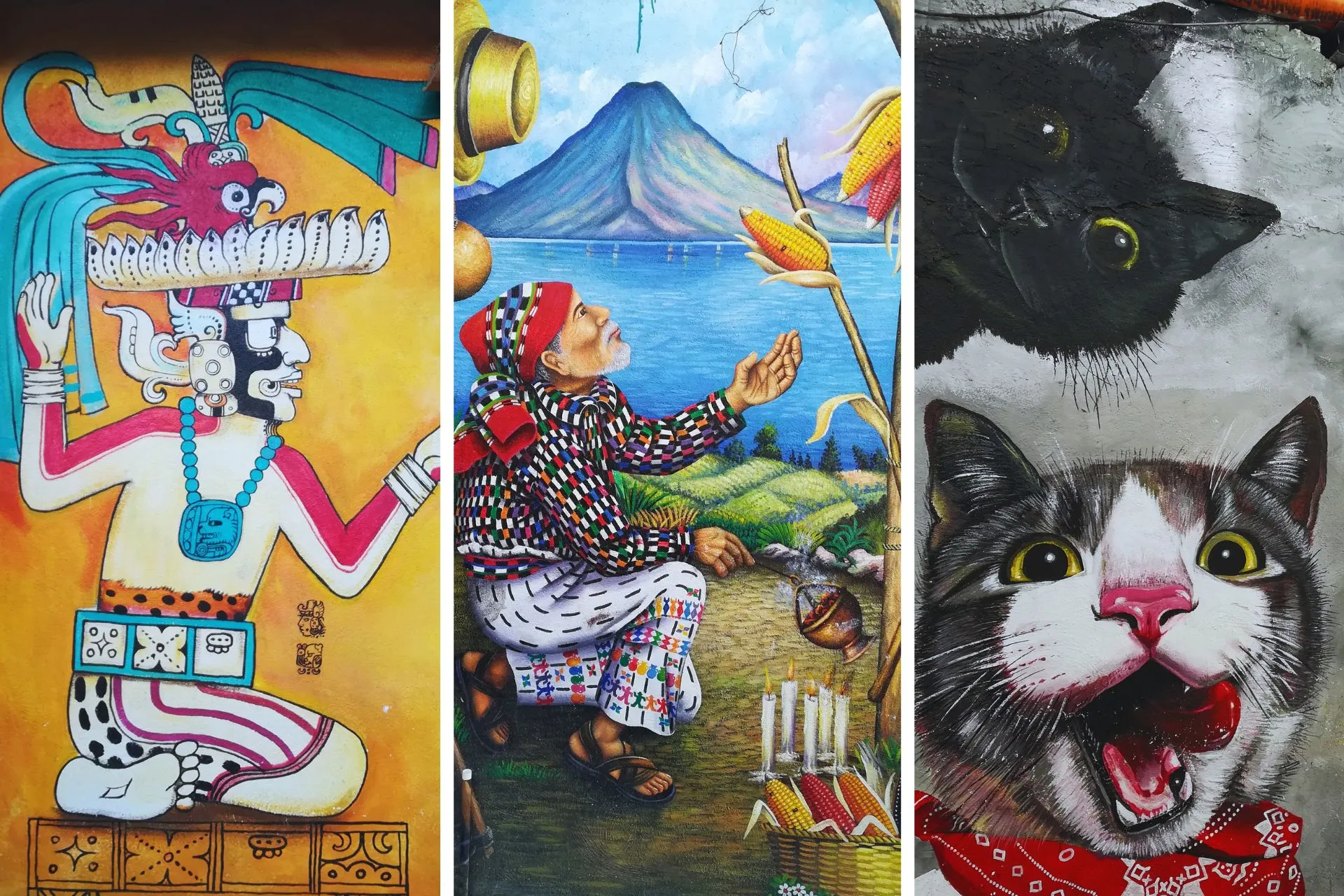
Street Art: One of San Pedro’s most compelling visual features is
its dense concentration of murals and street paintings scattered throughout the main
road and surrounding alleys. Unlike the curated aesthetic of nearby San Juan La
Laguna, the artwork here feels more spontaneous and eclectic, blending Mayan
symbolism, contemporary Latin American influences, and global backpacker culture.
Walking through town becomes a visual exploration, with colorful facades, political
expressions, and layered graffiti giving the village a raw, urban character rarely
found elsewhere around Lake Atitlán.
Volcano Access: The village serves as the primary gateway to Volcán
San Pedro, one of the most accessible hikes around Lake Atitlán. The ascent takes you
through humid coffee plantations and dense vegetation before opening up to panoramic
views over the caldera lake and surrounding volcanoes. You can ask for a taxi ride
to reach the beginning of the trail quicker, which can save you up to an hour of walk.
Lakefront & Atmosphere: The waterfront area is active and
functional rather than picturesque, with docks, boats, and lakeside bars creating a
constant sense of movement. While it lacks the serenity of quieter villages like San
Marcos or Santa Cruz, it compensates with a vibrant, social atmosphere, especially at
sunset, when travelers gather along the shore. Most of the people here are not
swimming directly in this part of the lake, due to slight pollution caused
by the village activities.
Nightlife & Social Scene: Compared to other villages around Lake
Atitlán, San Pedro is one of the few places where nightlife is a defining feature.
Bars, live music venues, and late-night spots cater to a transient international
crowd, making it one of the liveliest destinations on the lake after dark.
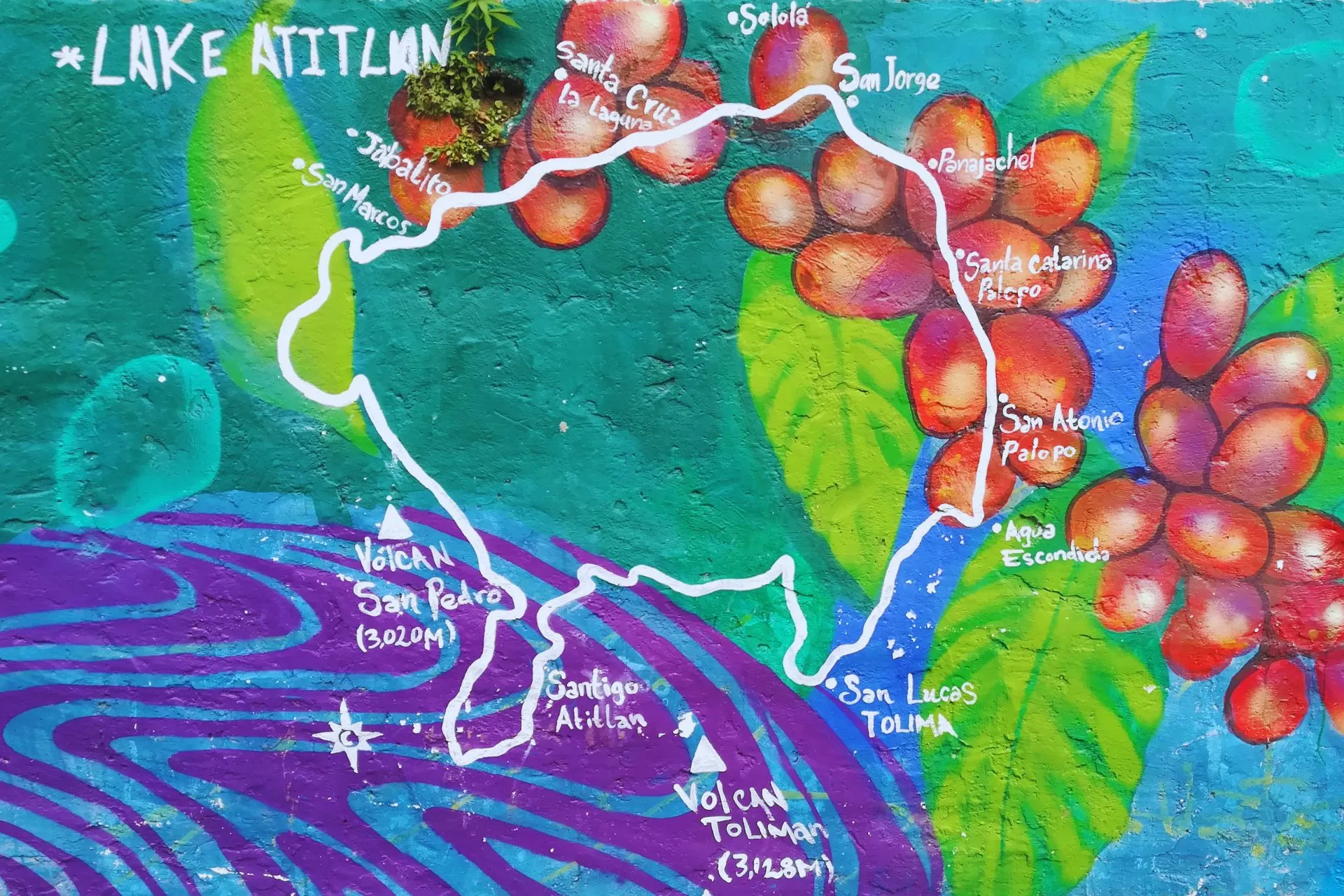
The Lake Atitlán basin is framed by three imposing volcanoes: San Pedro, Tolimán, and
Atitlán, each offering a very different hiking profile, from accessible day hikes to
demanding high-altitude ascents.
Volcán San Pedro (3,020 m): Located directly above the village of
San Pedro La Laguna, this is the most accessible volcano around the lake and the most
commonly climbed. The trailhead can be reached on foot or by tuk-tuk from the village.
The hike itself is steep but relatively short, usually completed in 3–4 hours to the
summit. The path cuts through coffee plantations before entering dense cloud forest.
Difficulty is moderate to challenging due to constant incline and humidity. The reward
is immediate and expansive: a magnificent viewpoint over Lake Atitlán’s caldera, with
all surrounding volcanoes clearly visible on a clear morning. It is the best option if
you want a high-impact hike without committing to a full expedition.
Volcán Tolimán (3,158 m): Rising between San Pedro and Atitlán
volcanoes, Tolimán is less frequented and far more rugged. Access is typically
organized from San Lucas Tolimán, often requiring coordination with local guides and
sometimes an overnight camp. The terrain is steeper, more remote, and less maintained,
with dense vegetation and fewer clear markers. Difficulty is high, both physically and
logistically. This climb is best suited for experienced hikers looking for a quieter,
more isolated ascent. What sets Tolimán apart is its raw, untouched feel and the sense
of immersion in a less-traveled volcanic landscape.
Volcán Atitlán (3,537 m): The highest and most imposing of the
three, Volcán Atitlán dominates the southern edge of the lake. Access is usually
arranged from Santiago Atitlán, with guided overnight hikes being the standard
approach due to the length and difficulty. The climb is long and demanding, often
requiring 6–8 hours of ascent through agricultural land, tropical forest, and exposed
volcanic slopes. Difficulty is high, with altitude playing a significant role near the
summit. However, the payoff is exceptional: sweeping, unobstructed views over the
entire lake basin at sunrise, often above a layer of clouds. It is the most rewarding
climb in the region for those seeking a true high-altitude experience.
When & How to Hike: Early departures (typically before sunrise) are
strongly recommended across all three volcanoes to avoid afternoon cloud cover, which
can completely obscure views. Local guides are highly advised not only for safety
and navigation, but also due to occasional security concerns on isolated trails.
Weather conditions can shift rapidly, so proper footwear, water, and layered clothing
are essential regardless of the route.
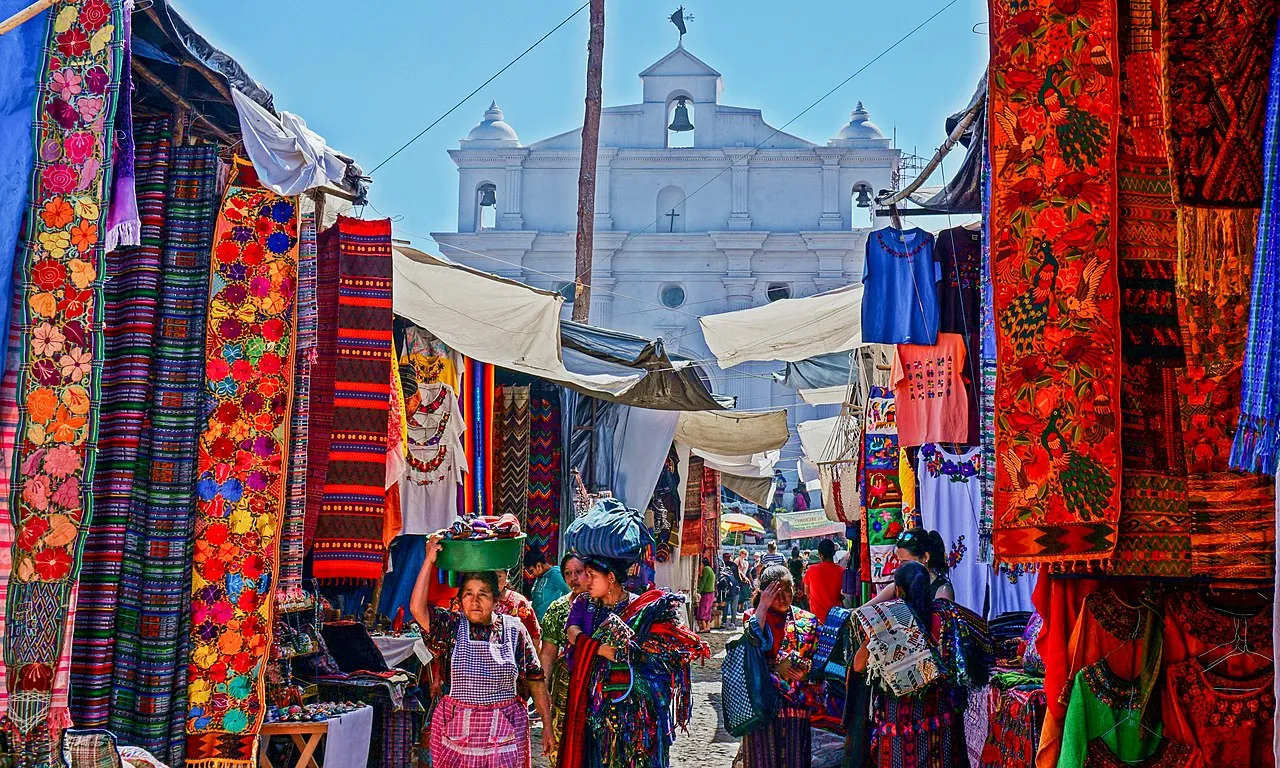
Located in the Guatemalan highlands, Chichicastenango is not a destination that
travelers will explore over several days, but rather a short trip culturally oriented.
About 2 hours away from Lake Atitlán, it is almost exclusively visited for its market
days, which transform the town into one of the most intense indigenous trading hubs in
Central America.
The Market (Thursday & Sunday): The core reason to visit
Chichicastenango is by far the market days, where the entire town becomes a dense
maze of stalls where K’iche’ Maya traders sell textiles, wooden masks, pottery,
flowers, and medicinal plants.
The atmosphere is chaotic and deeply rooted in tradition. While some sections might
be oriented toward tourists, others remain local and functional, especially further
from the central plaza.
It is less about shopping and more about observing a living, centuries-old commercial
ecosystem.
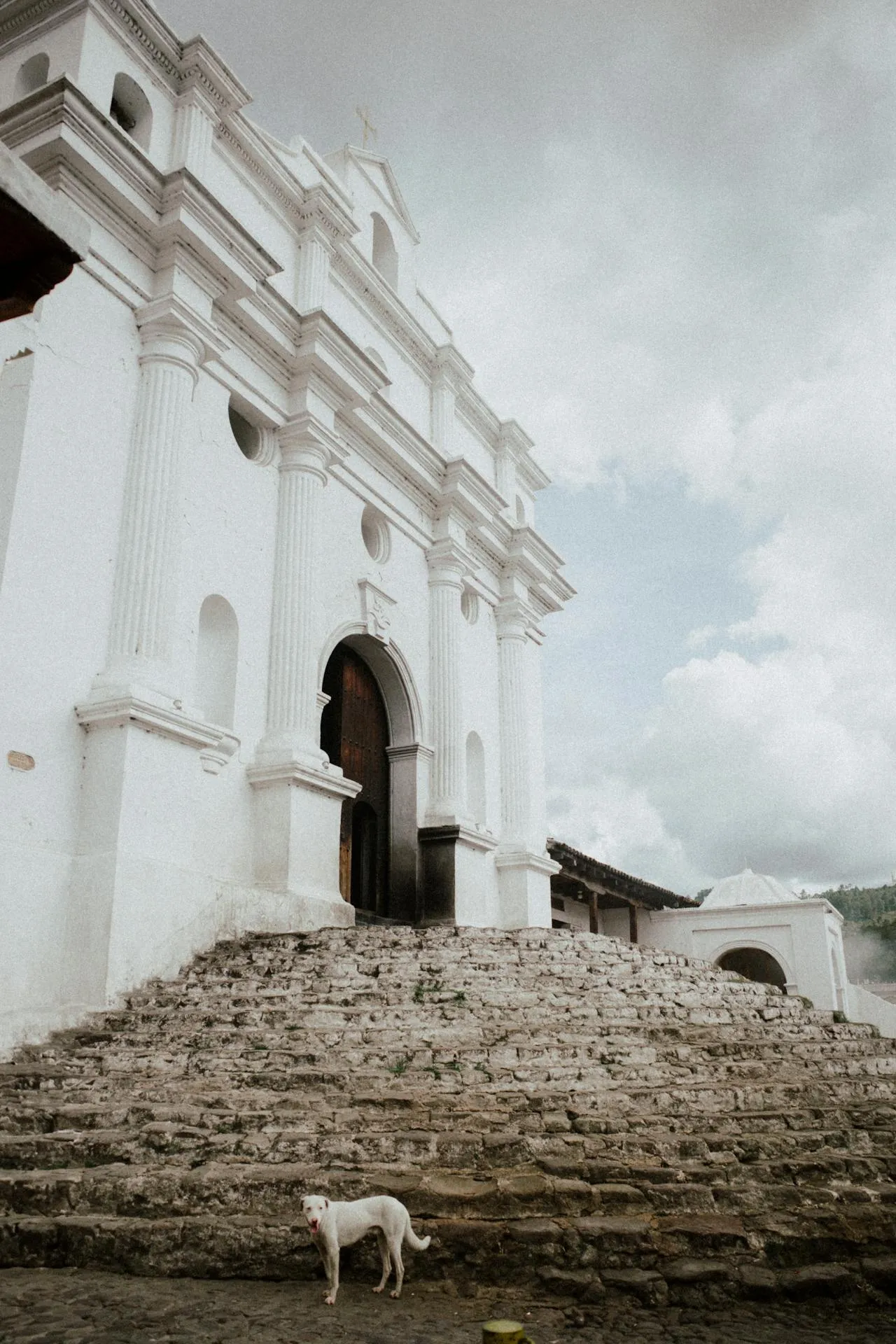
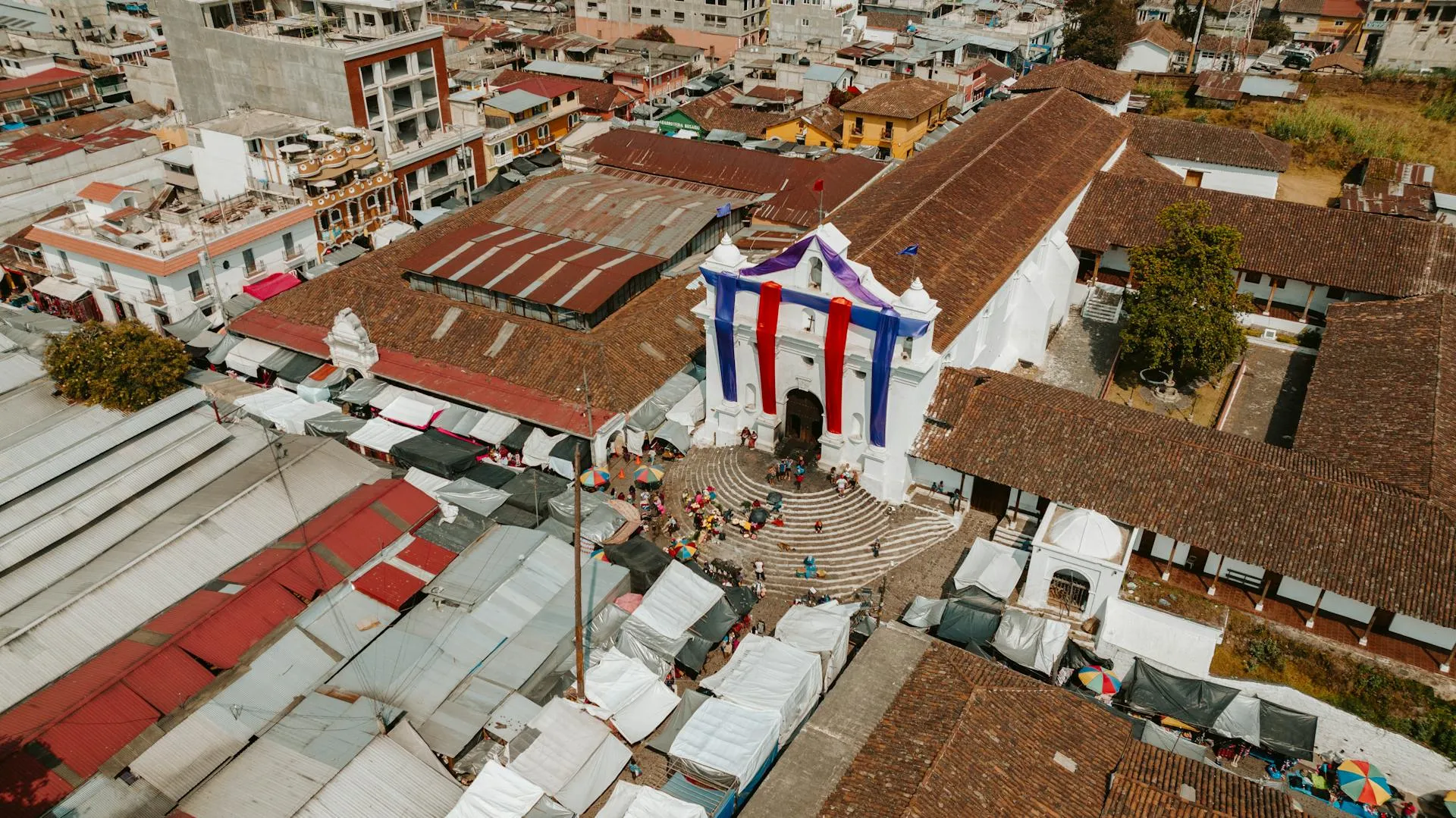
Santo Tomás Church & Rituals: Overlooking the main square, this
16th-century church is one of the most unique religious sites in Guatemala. Its steps
are constantly filled with incense, candles, and offerings, as Mayan spiritual
practices blend with Catholic symbolism. Inside, the atmosphere is dim, smoky, and
ceremonial, with local rituals taking place throughout the day. It is one of the rare
places where syncretism between indigenous beliefs and colonial religion is still
actively practiced.
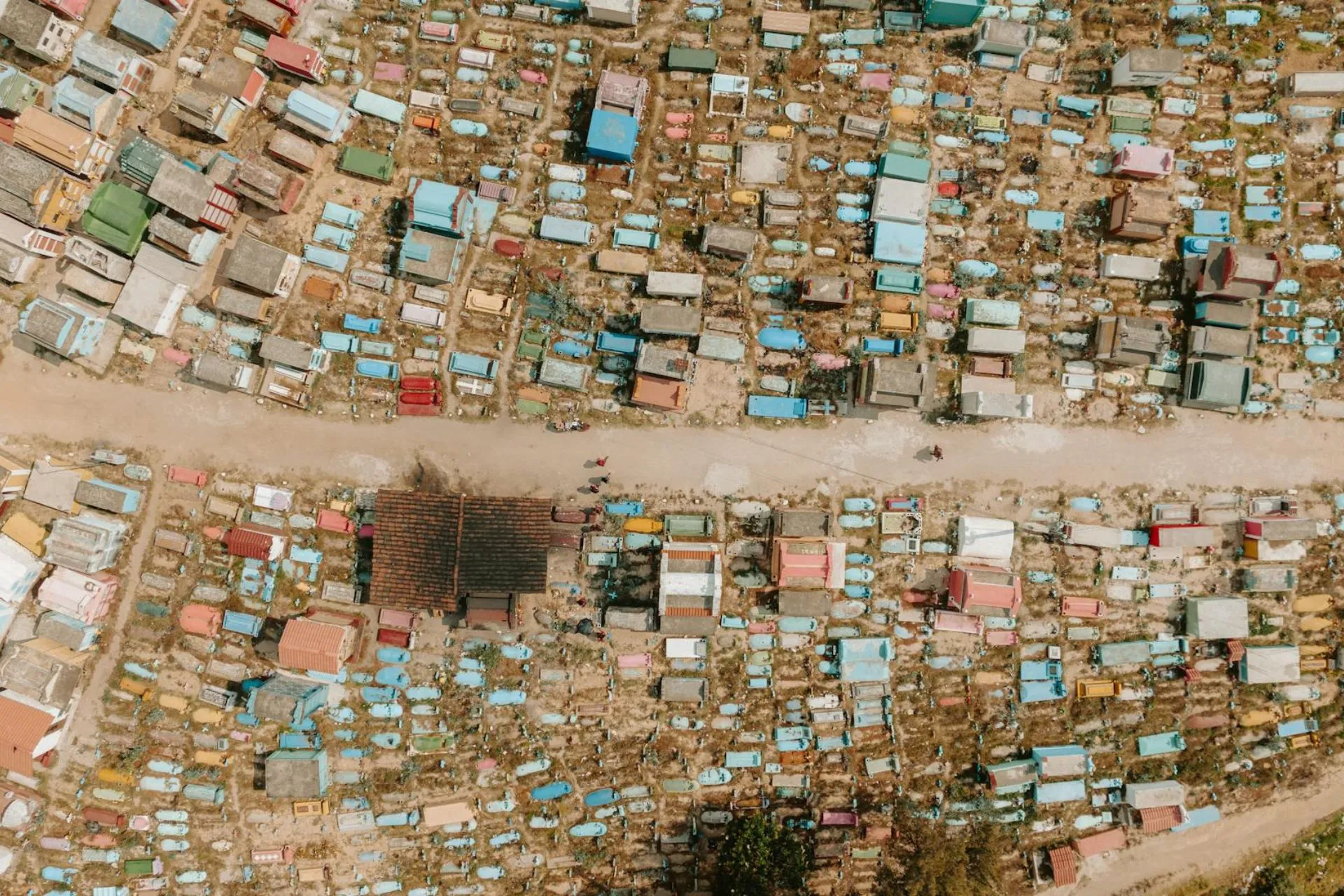
Cemetery Overlook: A short walk uphill leads to Chichicastenango’s
colorful cemetery, where graves are painted in bright, symbolic tones. Beyond its
visual appeal, the site is a quiet contrast to the market’s intensity and provides
a great view over the surrounding highlands. It’s one of the few places in town
where you can step back and absorb the broader landscape.
Local Food & Street Stalls: Market days also bring an abundance of
street food vendors serving traditional Guatemalan dishes. While not a culinary
destination in itself, it’s an opportunity to try simple, local preparations in an
authentic setting, grilled meats, tortillas, tamales, and fresh fruit often
consumed standing among locals.
When & How to Visit: Timing is critical, since arriving early in
the
morning allows you to experience the market before peak crowds, while midday tends to
be the most congested. Most travelers visit it as a day trip from Lake Atitlán or
Antigua, and staying overnight is rarely necessary unless you want to experience the
market at a slower pace. The town is not particularly dynamic outside market days,
which reinforces its role as a focused, single-purpose stop.
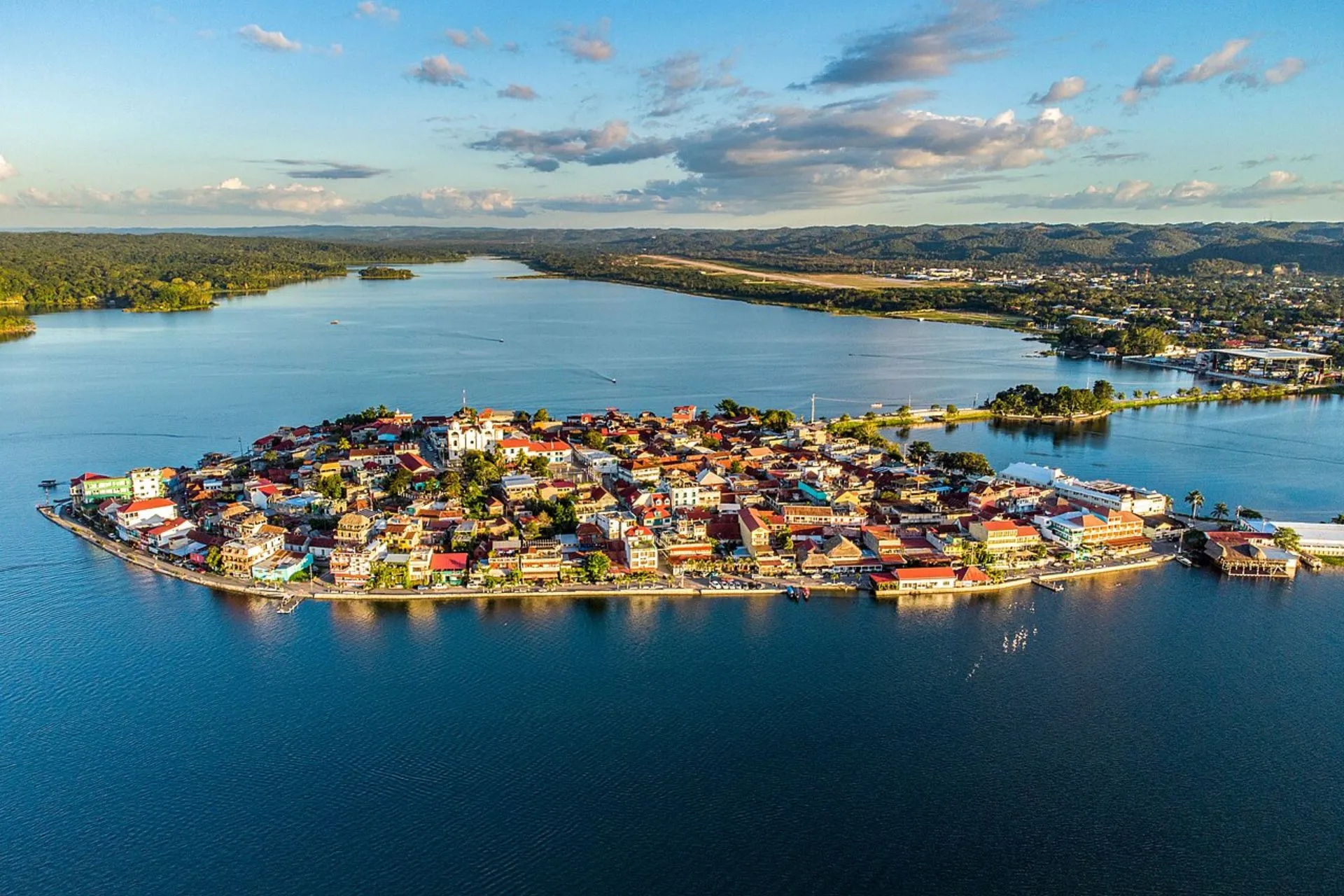
Flores is a small colonial island set on Lake Petén Itzá, connected to the mainland town
of Santa Elena by a short causeway. It serves as the primary logistical hub for exploring
northern Guatemala, particularly Tikal, and that is why most travelers spend 1 to 2 nights
here. Compact and walkable, the island is characterized by colorful facades, narrow
streets, and a relaxed lakeside atmosphere.
While not a major destination in itself, Flores is an ideal base: it concentrates
accommodation, restaurants, tour agencies, and transport connections in a single, easily
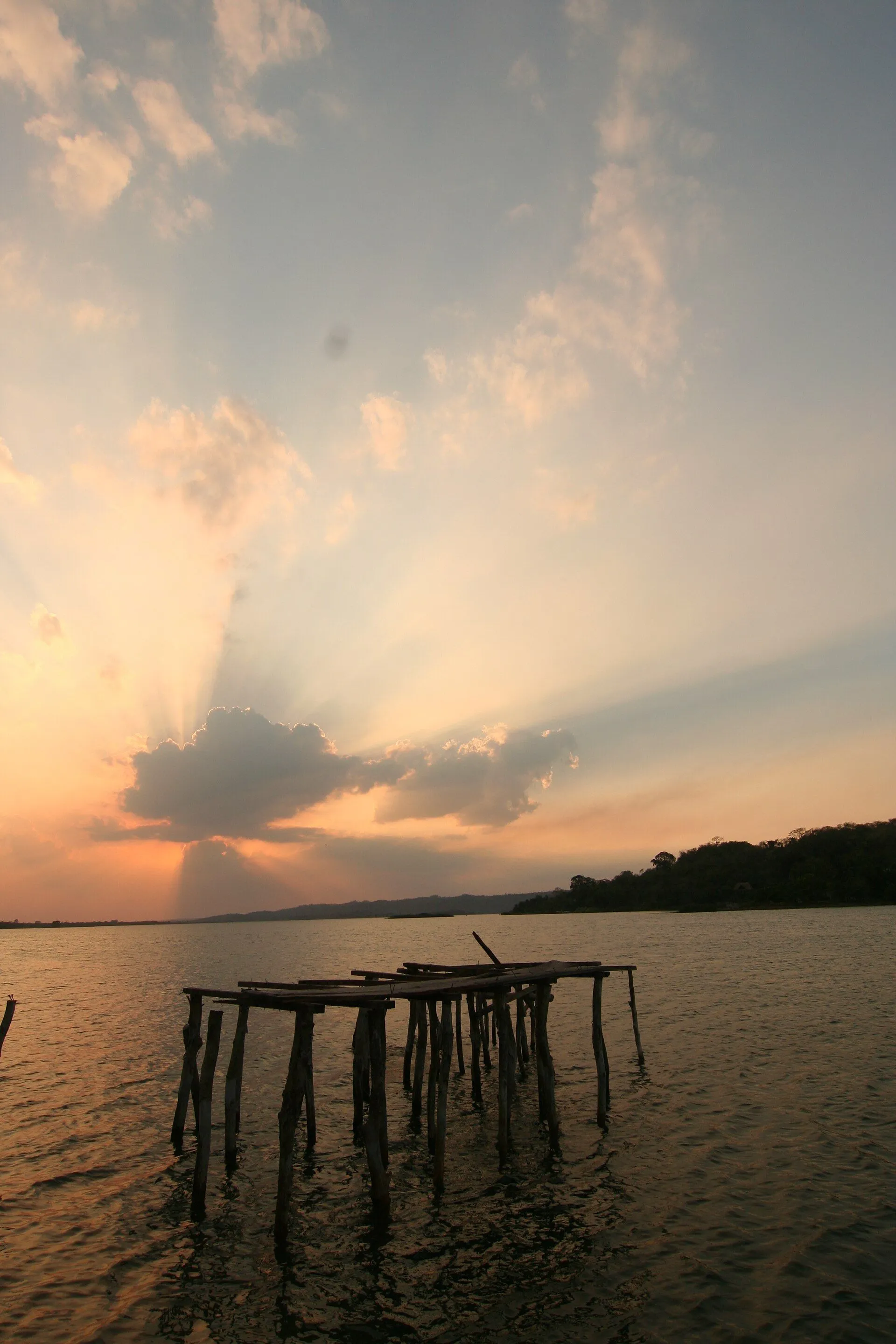
navigable setting. The lakefront gives calm sunset views, and the town’s slower pace
makes it a natural place to recover between excursions in the Petén region.
Island Atmosphere: A compact, circular layout with waterfront
promenades, small cafés, and viewpoints over Lake Petén Itzá. Best experienced in the
early morning or at sunset when the light softens and temperatures drop.
Logistics & Access: Placed ideally for those going to Tikal, Flores
is well connected by domestic affordable flights from Guatemala City, as well as
long-distance buses.
It is the main departure point for Tikal tours, with organized transport or early
morning shuttles leaving daily.
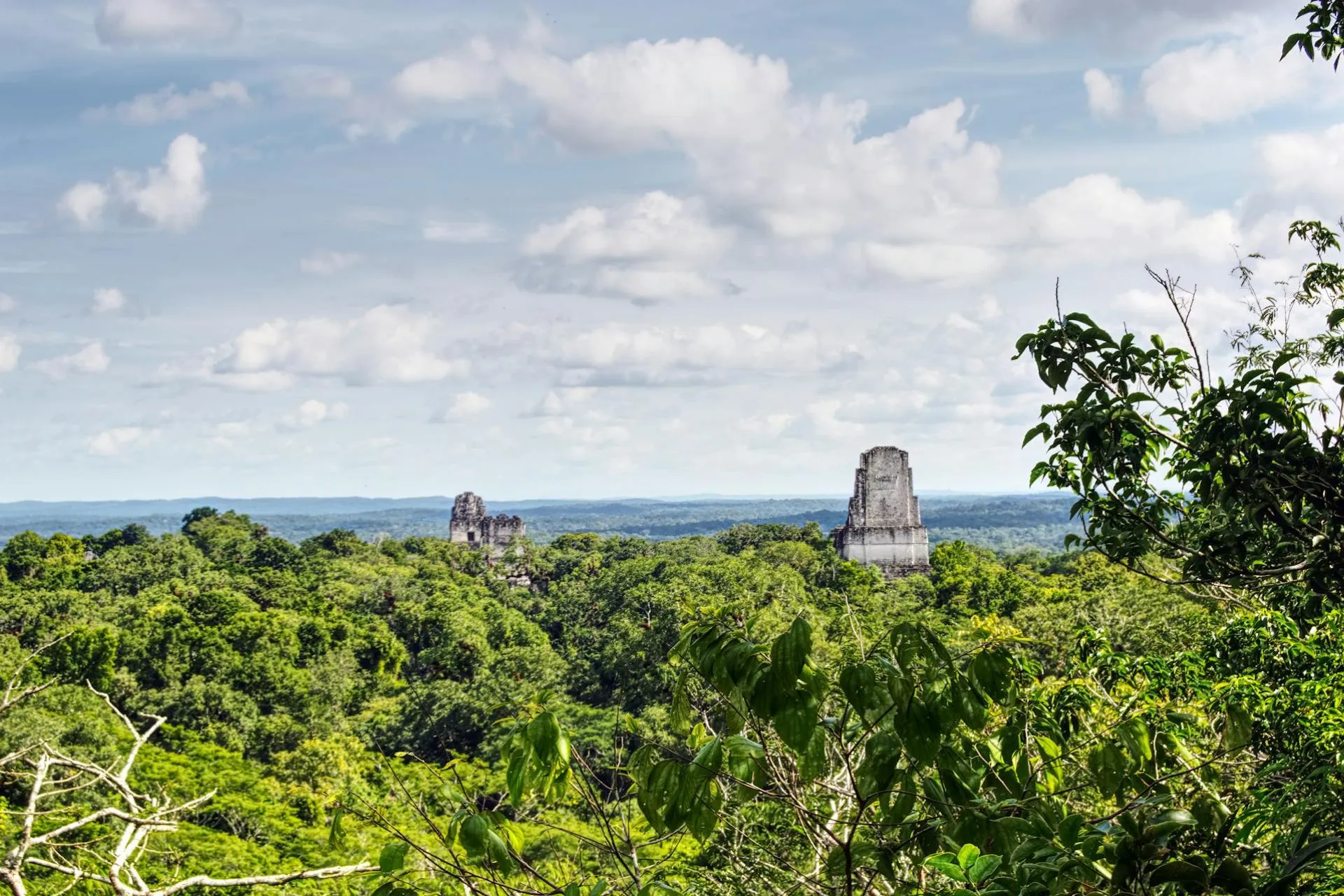
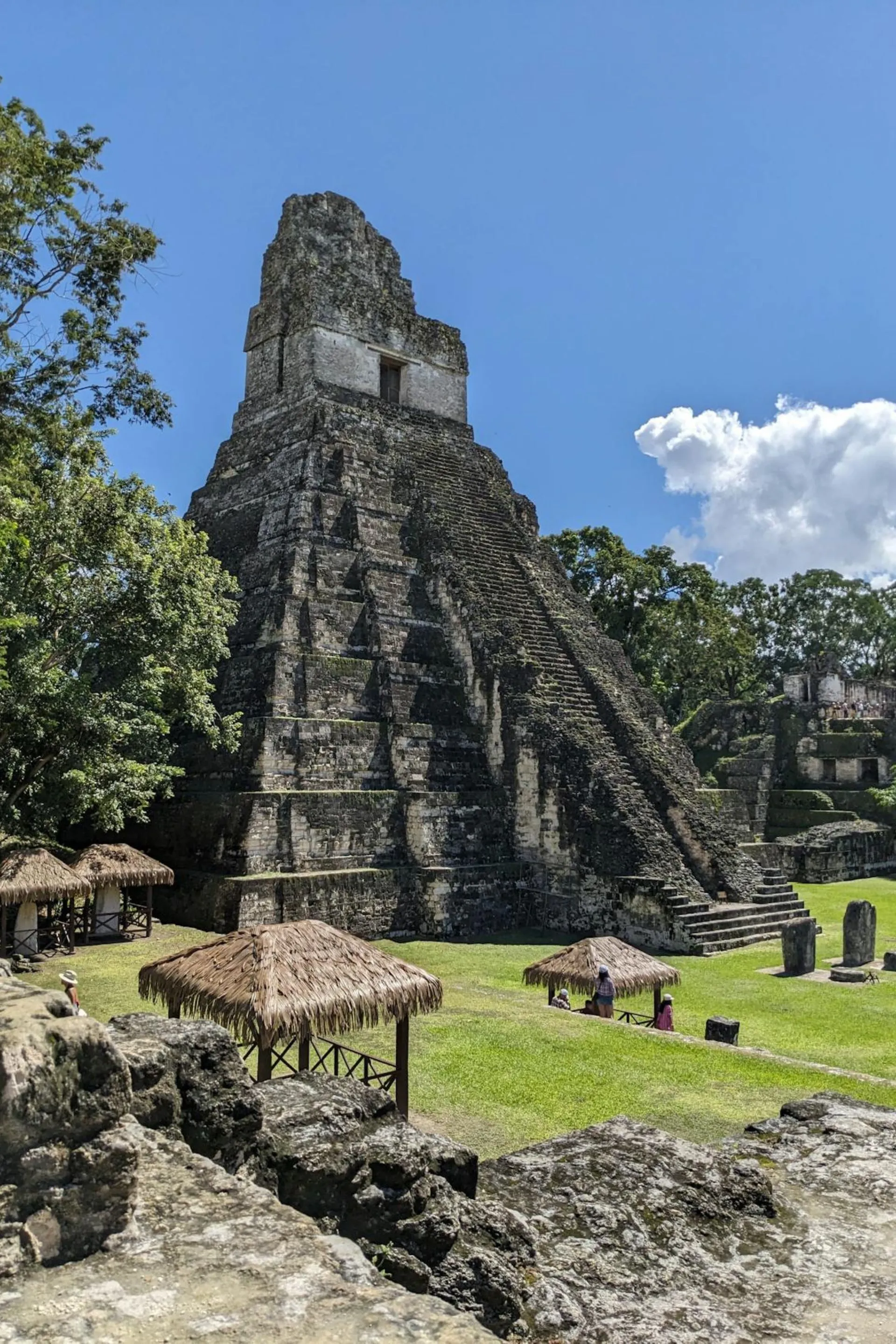
Located about 1.5 hours from Flores, Tikal is one of the most significant archaeological
sites of the ancient Maya world, set deep within the Petén jungle. The scale is
monumental: towering pyramids emerge above the rainforest canopy, surrounded by temples,
plazas, and ceremonial complexes once used by a powerful dynastic kingdom. It is one of
the most well-preserved and underrated historical complexe around Central America.
Gran Plaza: The ceremonial heart of Tikal, framed by Temple I
(also called the Temple of the Great Jaguar) and Temple II (known as the Temple of
the Masks), also located at the Center of the Acropolis, is by far the main attraction
of the National Park.
This is where the architectural scale and historical weight of the site become
immediately apparent. Note that it is generally the most crowded place, such it can be
more interesting to stroll around this central area.
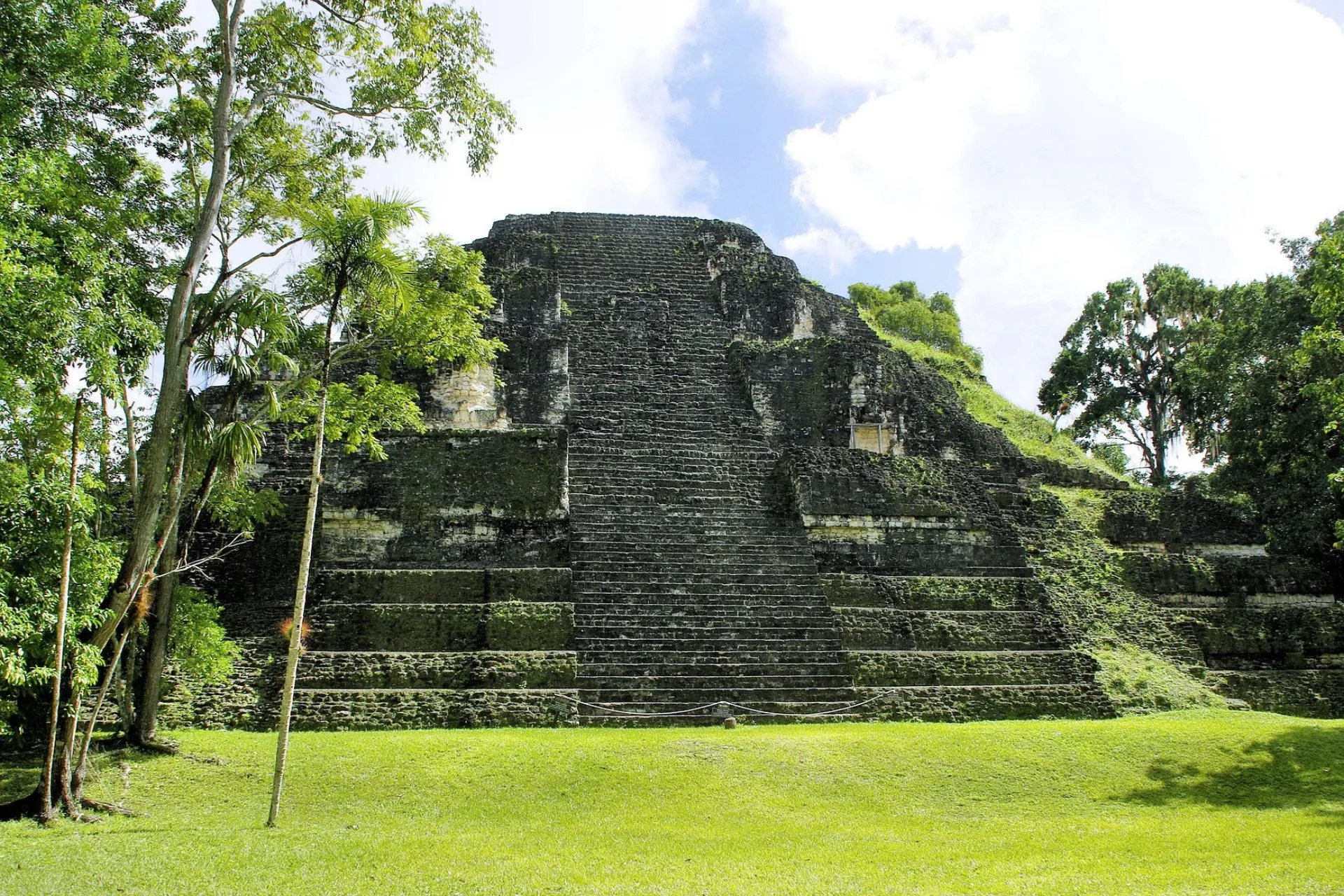
Mundo Perdido: Located at the Southwest of the Central Acropolis,
el Mundo Perdido is one of the oldest complexes in Tikal, showcasing early Mayan urban
planning and astronomical alignment. Less crowded and more atmospheric than the
central plaza.
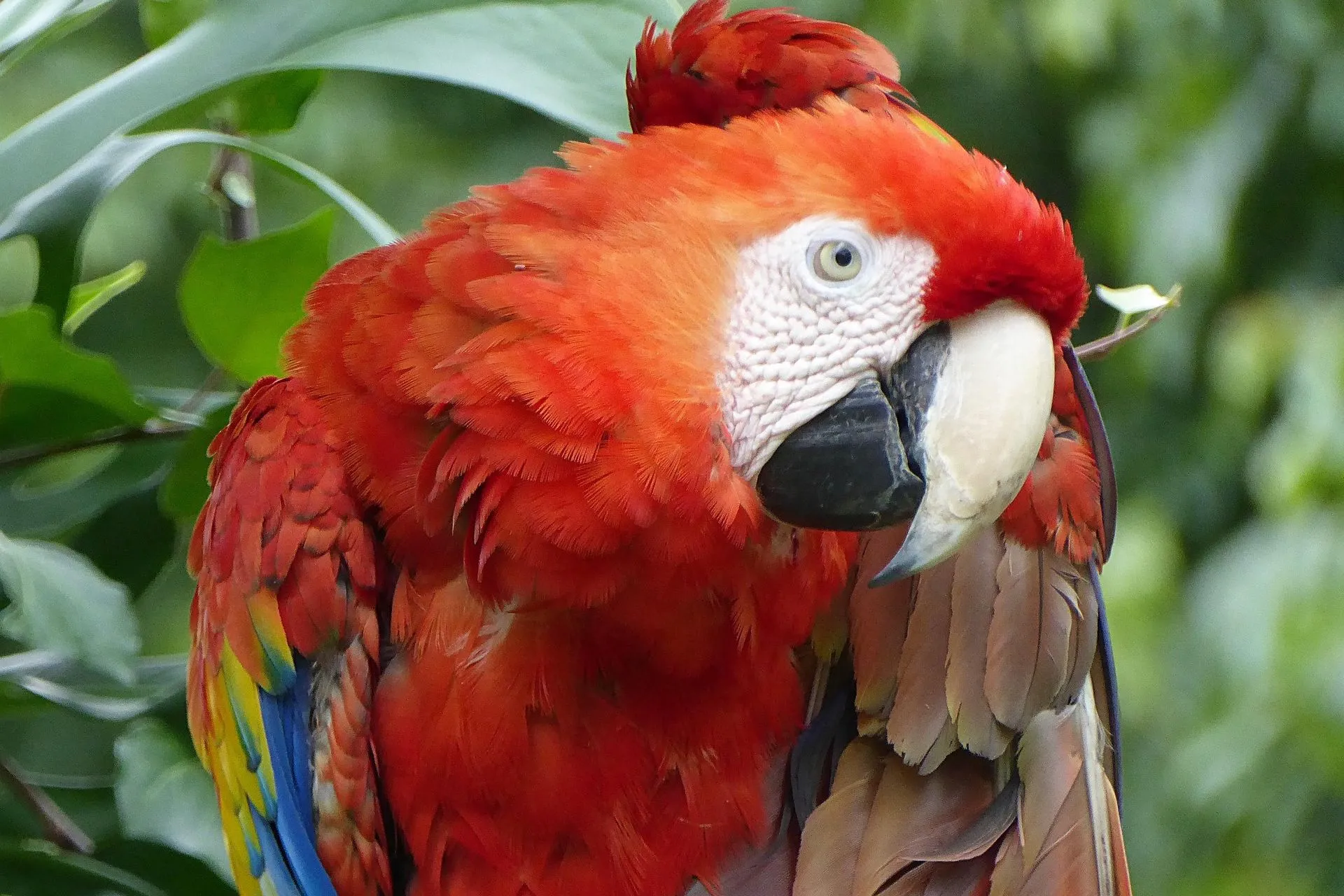
Wildlife & Jungle Setting: Beyond the ruins themselves, Tikal is a
dense tropical ecosystem. Howler monkeys, toucans, and coatis are frequently
encountered, adding a unique dimension factor to the visit, that you cannot find
elsewhere.
When to Visit: Sunrise tours are the most rewarding, providing
cooler temperatures but most importantly: fewer crowds. In the morning, it is also
possible to hear the jungle awakening. In order to be some of the first visitors,
booking a night in a nearby camp can be a smart strategy.
Afternoon visits are more accessible but often hotter, more humid and crowded.
Tucked deep in the lush Alta Verapaz region, Semuc Champey is one of Guatemala’s most
geographically isolated highlights. Access is part of the experience: most travelers reach
it via the small town of Lanquín, followed by a rugged 4x4 transfer along uneven jungle
tracks. The journey is time-consuming and not particularly comfortable, which naturally
limits mass tourism and preserves the site’s atmosphere.
Despite its remoteness, Semuc Champey remains relatively accessible with proper planning,
typically as a 2 to 3-day detour from Antigua or Flores. Accommodation is concentrated
around Lanquín and along the access road, often in eco-lodges or riverside hostels
embedded in dense vegetation.
Beautiful but be cautious: several visitors report scams (overpriced guides, misleading
food deals, and aggressive upselling), plus poor organization and lack of clear
information. The site can be overcrowded, with unsafe or poorly maintained
paths, especially to the viewpoint. Expect basic infrastructure, litter issues, and
occasional hygiene concerns. Best to stay alert and avoid unnecessary services.
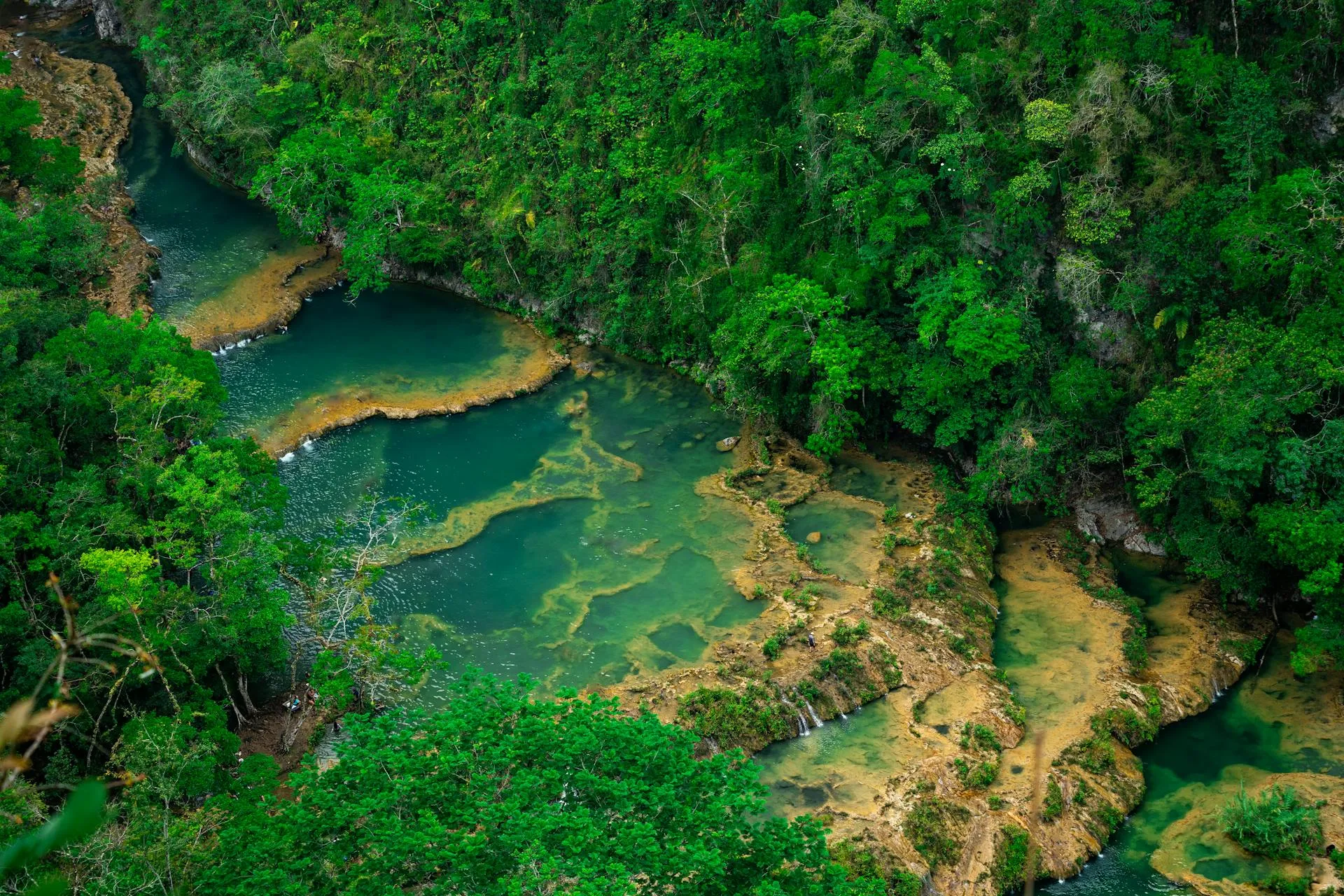
Natural Limestone Pools: Semuc Champey is a series of
turquoise pools formed atop a natural limestone bridge, beneath which the Cahabón
River flows underground. The contrast between calm, crystal-clear basins and the
powerful river hidden below, creates a unique geological formation. Swimming is
permitted in designated areas, with water clarity and color varying depending on the
season.
El Mirador Viewpoint & Jungle Setting: A short but difficult hike
leads to the iconic overlook known as El Mirador, offering a full perspective of the
pools cutting through the rainforest canopy.
The climb is humid and moderately demanding, but the payoff is immediate and
visually striking.
Beyond the viewpoint, the entire area is immersed in dense tropical forest, with
caves, river tubing, and minimal infrastructure reinforcing its off-grid
character.
Guatemala City is rarely considered a destination in itself. It is a sprawling, congested
capital primarily used as an entry and transit point due to its international airport.
Compared to Antigua, Lake Atitlán, or Flores, it lacks cohesion and is generally perceived
as less safe, especially for independent exploration.
The city is highly segmented into “zonas”, with safety and atmosphere varying
significantly between them. While some districts are relatively controlled and functional,
others should be avoided entirely, particularly at night.
Zona 10 & Zona 14: The most practical areas for travelers. These
districts host business hotels, restaurants, and shopping centers. They are among the
safest parts of the city, though still require basic caution.
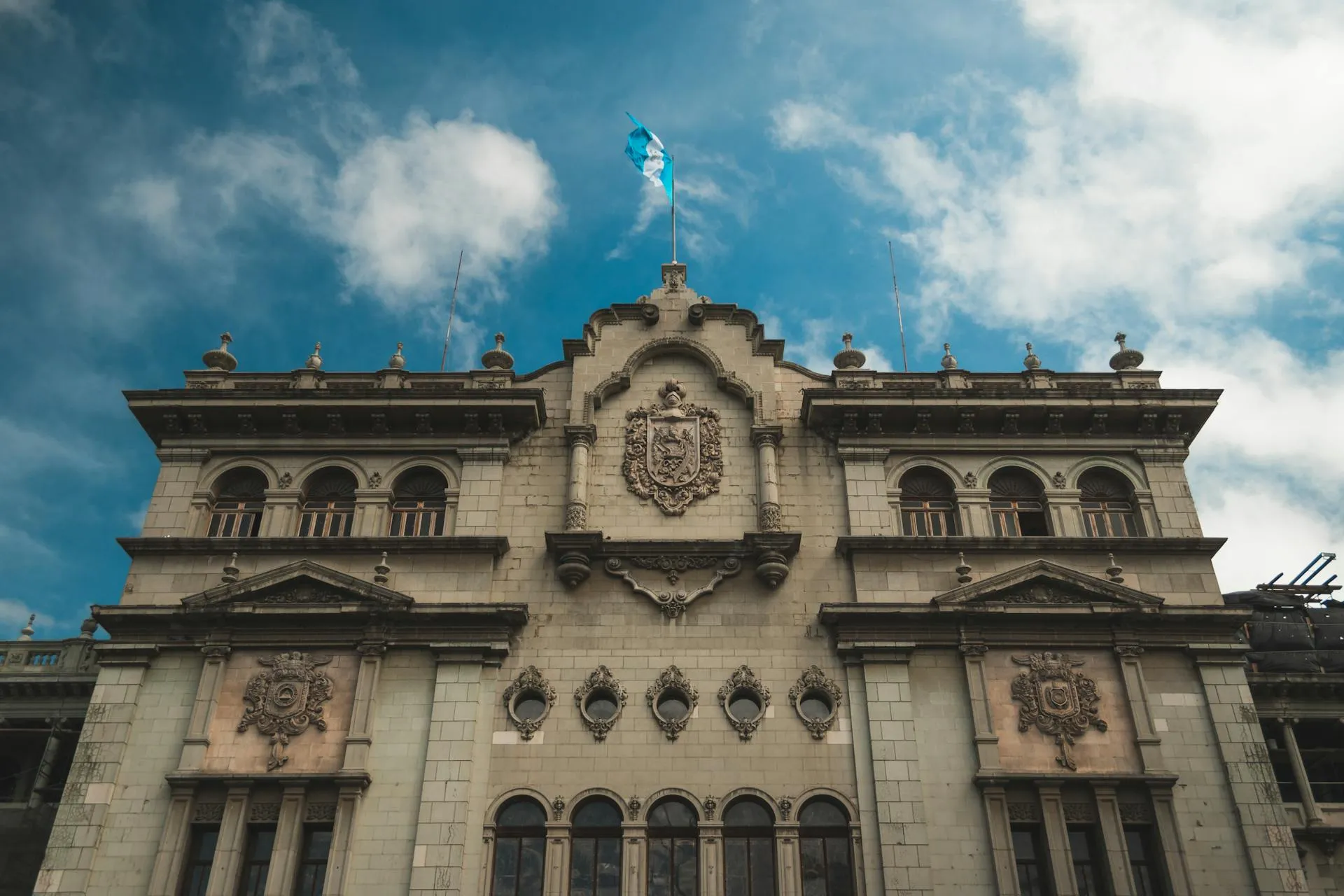
Zona 1 (Historic Center): Contains historical buildings such as the
National Palace and central plaza. It can be visited during the day, but the area
becomes noticeably less secure after dark.
General Safety: Avoid walking long distances, especially outside
main areas. Use private taxis or organized transport rather than public buses.
Petty crime and opportunistic theft are common, and situational awareness is
essential.
Selected Stops:
If you are staying a night or have a few hours between connections, there are a handful of
structured stops worth considering. These are not must-see landmarks, but rather
controlled environments where you can get a brief sense of the country’s culture or
history without overexposing yourself to the city.
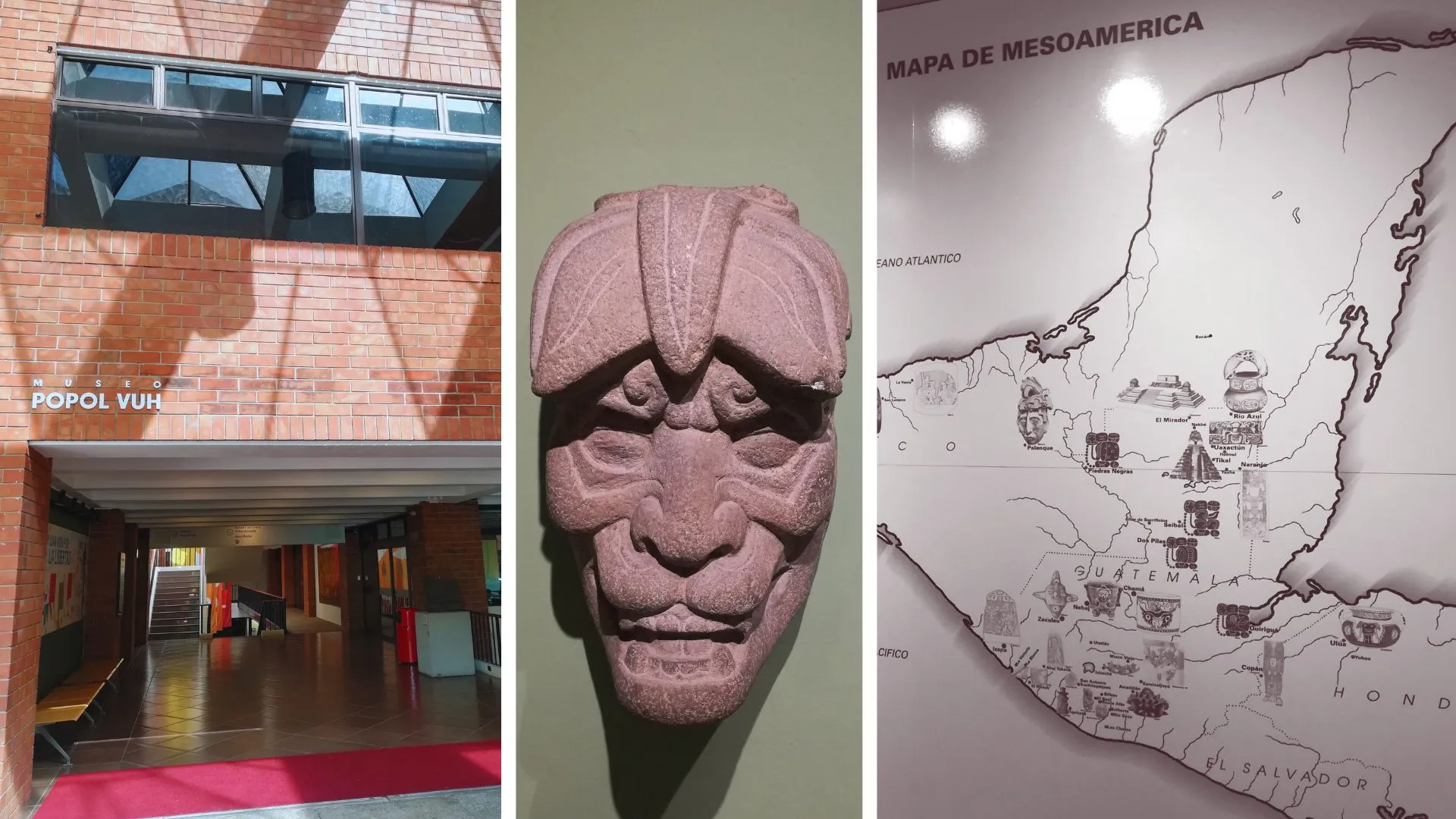
Museo Popol Vuh: Located within the Universidad Francisco
Marroquín, this museum is one of the most comprehensive introductions to Mayan
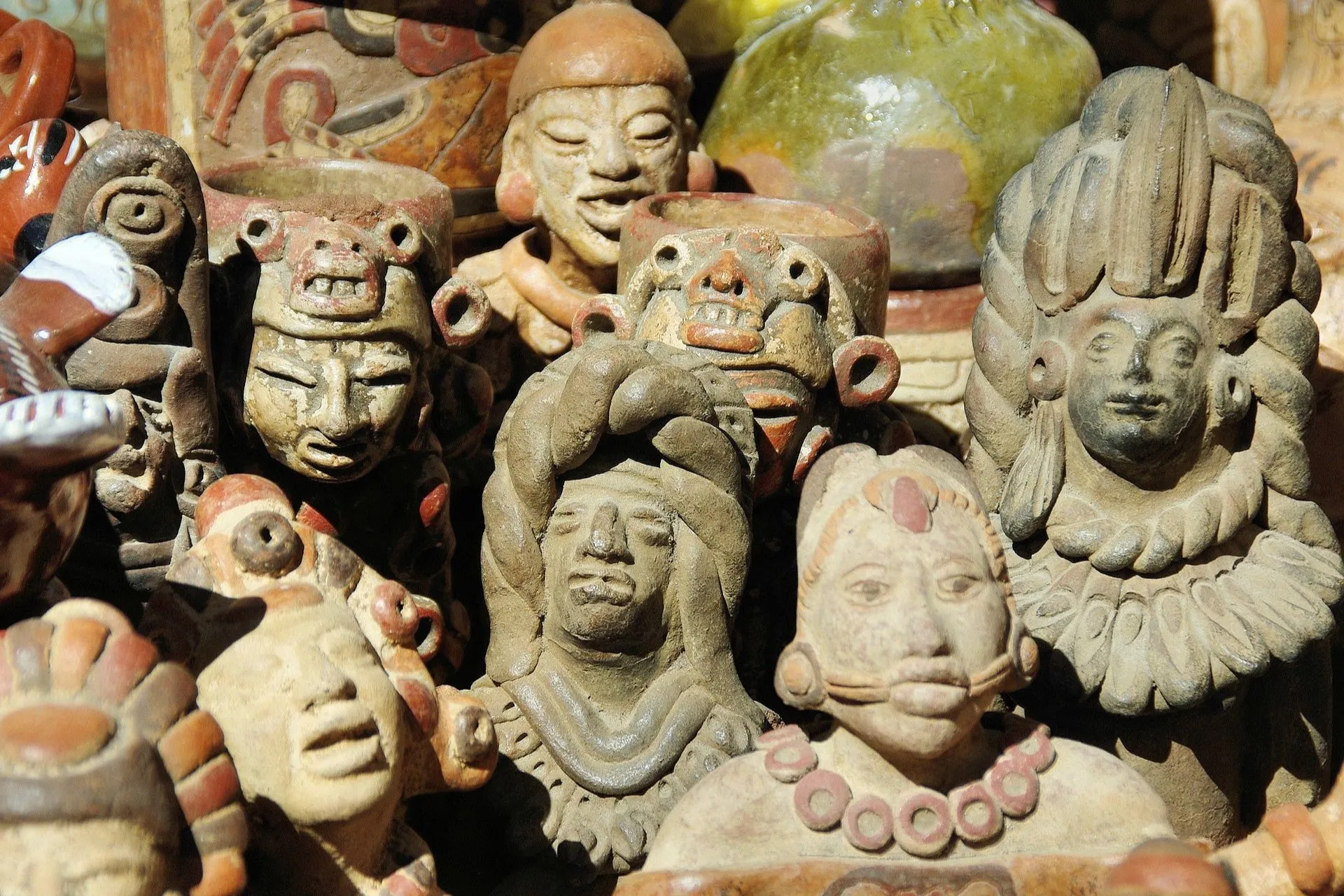
civilization in Guatemala. Its collection focuses on pre-Columbian artifacts,
including ceramic vessels, funerary masks, stelae fragments, and sculpted pieces that
trace the evolution of Maya culture from the Preclassic to the Postclassic period.
Rather than being a visual spectacle, the museum stands out for its clarity and
curation. Each room provides chronological and thematic context, making it
particularly valuable before visiting major archaeological sites such as Tikal or
Yaxhá. It allows you to better understand the symbolism, rituals, and political
structures behind what would otherwise appear as isolated ruins in the jungle.
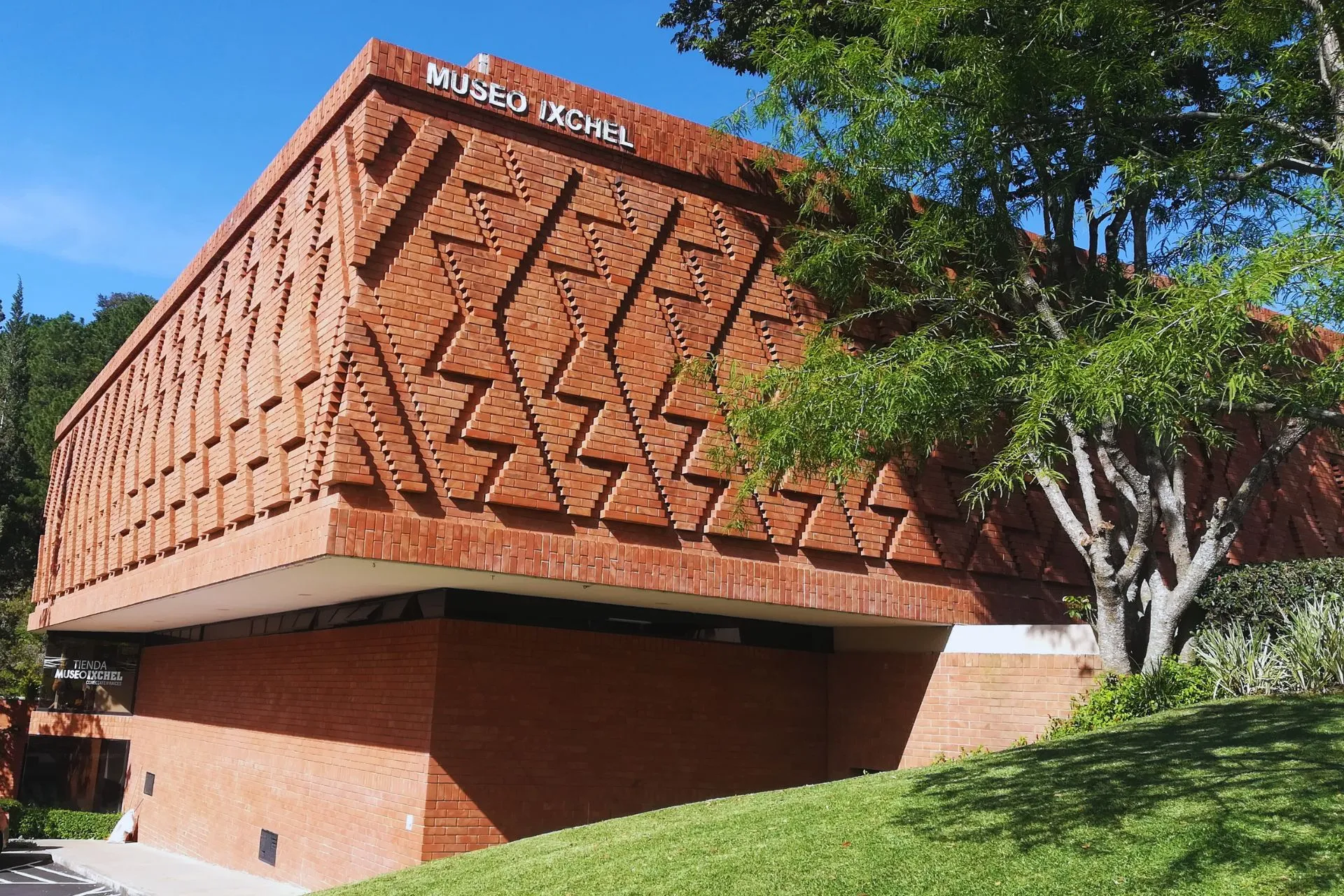
Ixchel Museum: Also located within the Universidad Francisco
Marroquín, the Ixchel Museum is dedicated to the preservation and interpretation of
Mayan textile traditions, one of the most distinctive cultural expressions in
Guatemala. Its collection presents an extensive range of huipiles, ceremonial
garments, and woven pieces from different indigenous groups, each carrying specific
patterns, colors, and symbols tied to local identity and cosmology.
Beyond the visual aspect, the museum explains the technical process behind backstrap
loom weaving, as well as the use of natural dyes derived from plants, minerals, and
insects such as cochineal.
It becomes particularly relevant before visiting regions like Lake Atitlán or
Chichicastenango, where these garments are still worn daily, transforming what might
seem decorative into a readable cultural language.
National Palace (Palacio Nacional): Located in Zona 1, this large
neoclassical building reflects Guatemala’s political history, with murals and interior
courtyards illustrating key historical periods. Best visited during the day, ideally
with a guide for explainations.
Zona Viva: Also called Zona 10, it is a controlled, modern
district with restaurants, cafés, and nightlife. It lacks authenticity but
remains one of the few areas where travelers can move around with relative ease
in the evening.
When & Why to Stay:
Guatemala City is best treated as a short logistical stop, typically one night before or
after a flight. Most travelers minimize their time here in favor of more cohesive and
culturally immersive destinations across the country. Visiting museums however can be very
interesting, especially if planning to visit Mayan Sites, such it adds more context.
If you need to stay, prioritize accommodations in Zona 10 or Zona 14, arrange airport
transfers in advance, and avoid unnecessary movement across the city. Beyond that, there is
little strategic advantage in extending your stay.
Must Try Food:
Guatemala’s cuisine weaves Maya roots with Spanish influences, yielding hearty stews,
corn-based staples, and tropical fruits. Iconic dishes like pepián and kak'ik highlight
indigenous spices, while sweets showcase colonial legacies. From street vendors to finca
eateries, Guatemala's gastronomy tantalizes with bold flavors and communal traditions.
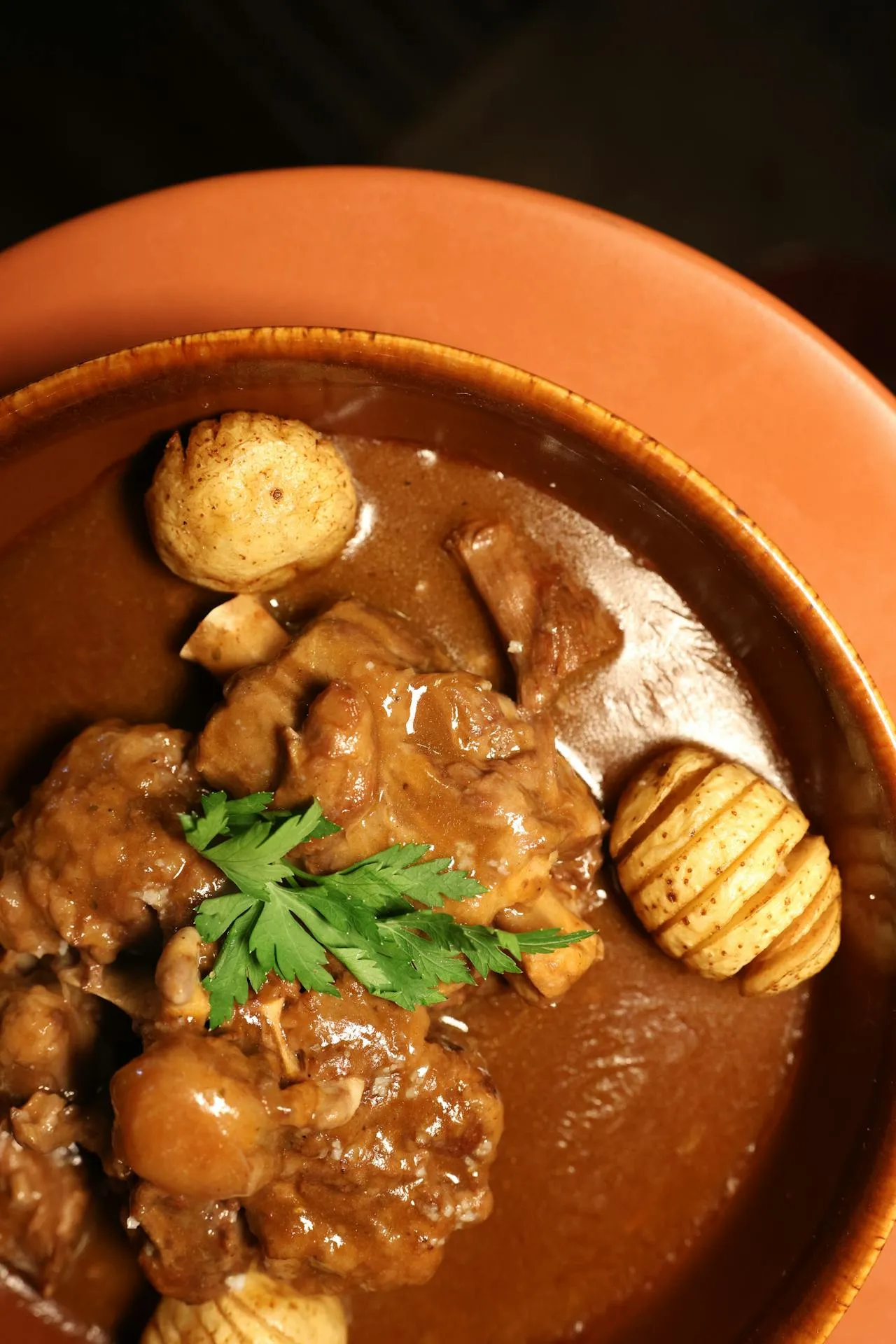
Pepián, Guatemala’s national stew, simmers chicken or beef in a
thick sauce of roasted sesame, pumpkin seeds, and chilies, served with rice and tortillas.
Traditional recipes may also include tomatillo and tomatoes.
This Maya-Spanish fusion is popular among family tables and market stalls, embodying
hearty highland comfort.
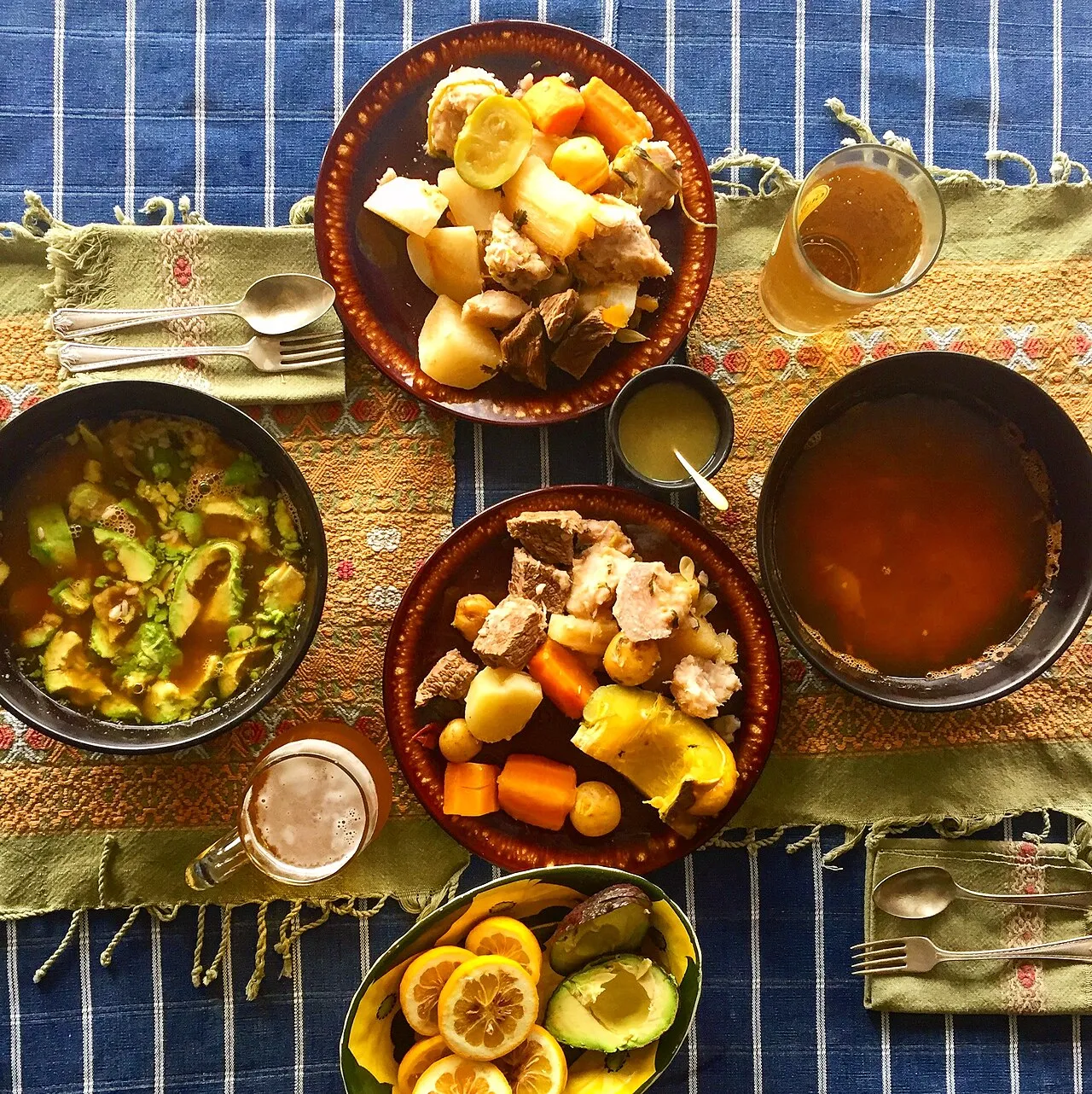
A hearty traditional beef soup made with tender chunks of beef
simmered alongside vegetables like corn, carrots, potatoes, cabbage, and chayote.
Caldo de res is known for its rich broth and is often served with rice, lime,
and fresh tortillas. Popular across Guatemala and other parts of Central America,
it’s a nourishing dish commonly enjoyed as a family meal, especially on cooler days.
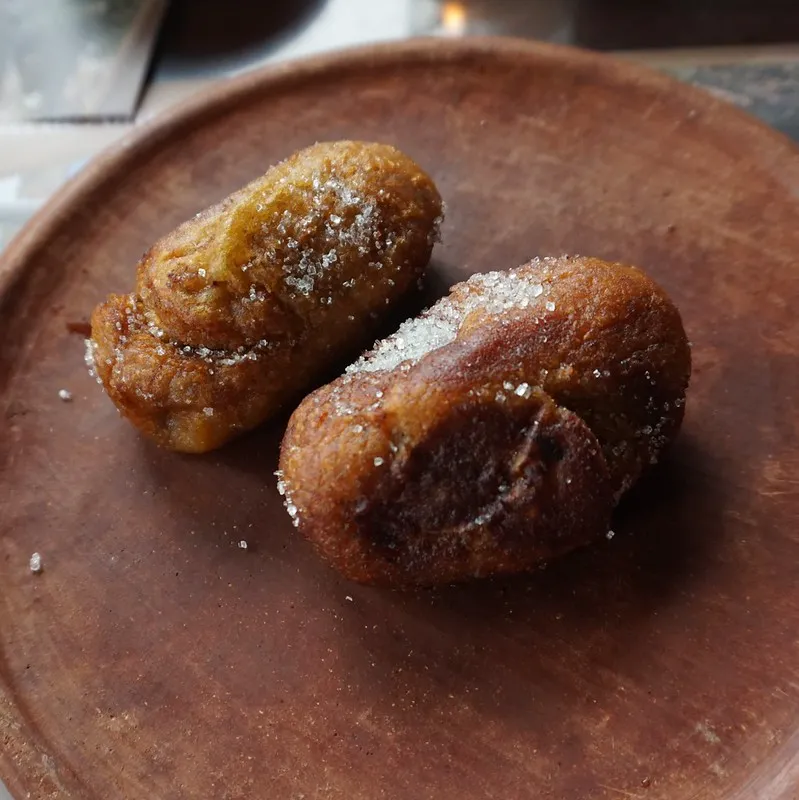
A typical dessert including fried plantain balls stuffed with
refried black beans, coated in sugar. Very present during ferias, they pair perfectly
with atole for afternoon indulgence. It's a pure sweet-savory bite.
When is the Best Time to Visit:
What to Do by Season
Guatemala’s tropical climate varies by altitude, with dry highlands
and rainy lowlands, making it accessible year-round for ruins exploration, volcano hikes, and
market immersion. From Semana Santa processions to dry-season treks, each period unveils unique
facets. Here’s a seasonal guide:
Summer (June - August) ☀️ Warm days (25–30°C) in lowlands suit lake swims and
jungle jaunts, though rains may make trails muddy.
Best places to visit in Summer in Guatemala:
Rio Dulce, Livingston, Champey, Tikal
Winter (December - February) ❄️ Mild highs (20–25°C) and low humidity prime for
volcano ascents and ruins rambles.
Best places to visit in
Winter in Guatemala: Antigua Guatemala, Volcán Acatenango, Lake Atitlán,
Quetzaltenango
Autumn (September - November) 🍁 Transitioning rains clear for harvest
festivals; cooler temps (18–24°C) favor coffee tours in Cobán.
Best places to visit in
Autumn in Guatemala: Cobán, Chichicastenango Market, Guatemala City, Flores
Spring (March - May) 🌸 Dry warmth (22–28°C) blooms orchids as more processions
happen.
Best places to visit in
Spring in Guatemala: Antigua Guatemala, Lake Atitlán, Tikal, Pacaya Volcano
10 to 14 days allows for Antigua's colonial exploration, Lake Atitlán's
village hops, Tikal's ruins, and a volcano trek, with buffer for travel on chicken buses. You might
save a lot of time using private transfers.
Is Guatemala safe for tourists?▼
Generally safe in tourist zones like Antigua and Atitlán, but exercise high
caution in Guatemala City: avoid night walks and use registered taxis or private transfer mostly.
Petty theft occurs, so it makes sense secure valuables.
Do I need a visa to enter Guatemala?▼
Most visitors from the US, EU, and Canada get 90 days visa-free.
Consult your embassy for specific informations related to your country.
What currency is used in Guatemala, and are credit cards accepted?▼
Quetzal (GTQ); cards accepted in cities and hotels are widespread in tourists
area.
However cash reigns in markets and rural areas. ATMs dispense quetzales; notify your bank of travel.
When is the best time to visit Guatemala?▼
Dry season (November–April) for clear trails and festivals; avoid rainy
May–October for mudslides, though greener landscapes beckon.
Is it easy to communicate in English in Guatemala?▼
No, english is spoken only in tourist hubs but Spanish dominates elsewhere.
Its a must to learn basics or use an app. If you want to use a chicken bus, Spanish is heavily
needed.
How expensive is visiting Guatemala?▼
Guatemala is a budget-friendly destination; $10–50/day covers hostels, street
food, and shuttles. You can save a lot of money using local transport.
What are the must-see attractions in Guatemala?▼
Antigua, Atitlán's volcanoes, Tikal's temples, Semuc's
pools essentials for history, nature, and adventure buffs.
Can I take day trips from Guatemala?▼
Yes, shuttles to Copán in Honduras or Belize's cays from Flores. There are
some private transfer directly between Antigua & Santa Ana in Salvador, but you might want to spend
more time if visiting deeper place of Guatemela like Antigua.
Is there a dress code in Guatemala?▼
Remain modest in churches and indigenous villages. Short are fine in tourist
spots, but make sure to cover shoulders and knees respectfully.
Survival Kit
Essential Phrases for Travel
Hola - Hello
Gracias - Thank you
Por favor - Please
¿Cuánto cuesta? - How much is it?
¿Dónde está el baño? - Where is the bathroom?
Perdón - Excuse me / Sorry
¿Habla inglés? - Do you speak English?
Necesito ayuda - I need help
Estoy perdido - I’m lost
Llame a la policía - Call the police!
Local Customs
Guatemala’s cultural landscape is deeply shaped by its Maya heritage, where respect,
community values, and tradition play a central role in daily life. Interactions tend to be
polite and understated, and while tourism is well integrated in many regions, cultural
sensitivity remains essential, especially in indigenous areas and traditional markets.
Market Etiquette: Markets are not only commercial spaces but also
cultural environments where traditions remain active.
Haggling: Bargaining is common, but should always remain respectful
and good-natured. A smile and simple phrases like “un poco menos” go a long way.
Photography: Always ask before taking photos of people, especially
indigenous vendors. In some communities, photography is sensitive and should be handled
with care.
Social Customs: Everyday interactions are guided by courtesy and a
strong sense of respect.
Greetings: A handshake is standard in formal contexts, while cheek
kisses are common among acquaintances. Addressing elders as “don” or “doña” is
appreciated.
Tipping: In restaurants, a 10% tip is customary if not already
included. Rounding up fares for taxis or small services is also common practice.
General Behavior: Respect for local rhythms and traditions is key,
particularly in rural or indigenous regions.
Discretion: Avoid overly loud or disruptive behavior, especially in
villages or religious spaces.
Dress Code: While urban areas are relatively relaxed, modest clothing
is recommended when visiting highland communities or cultural sites.
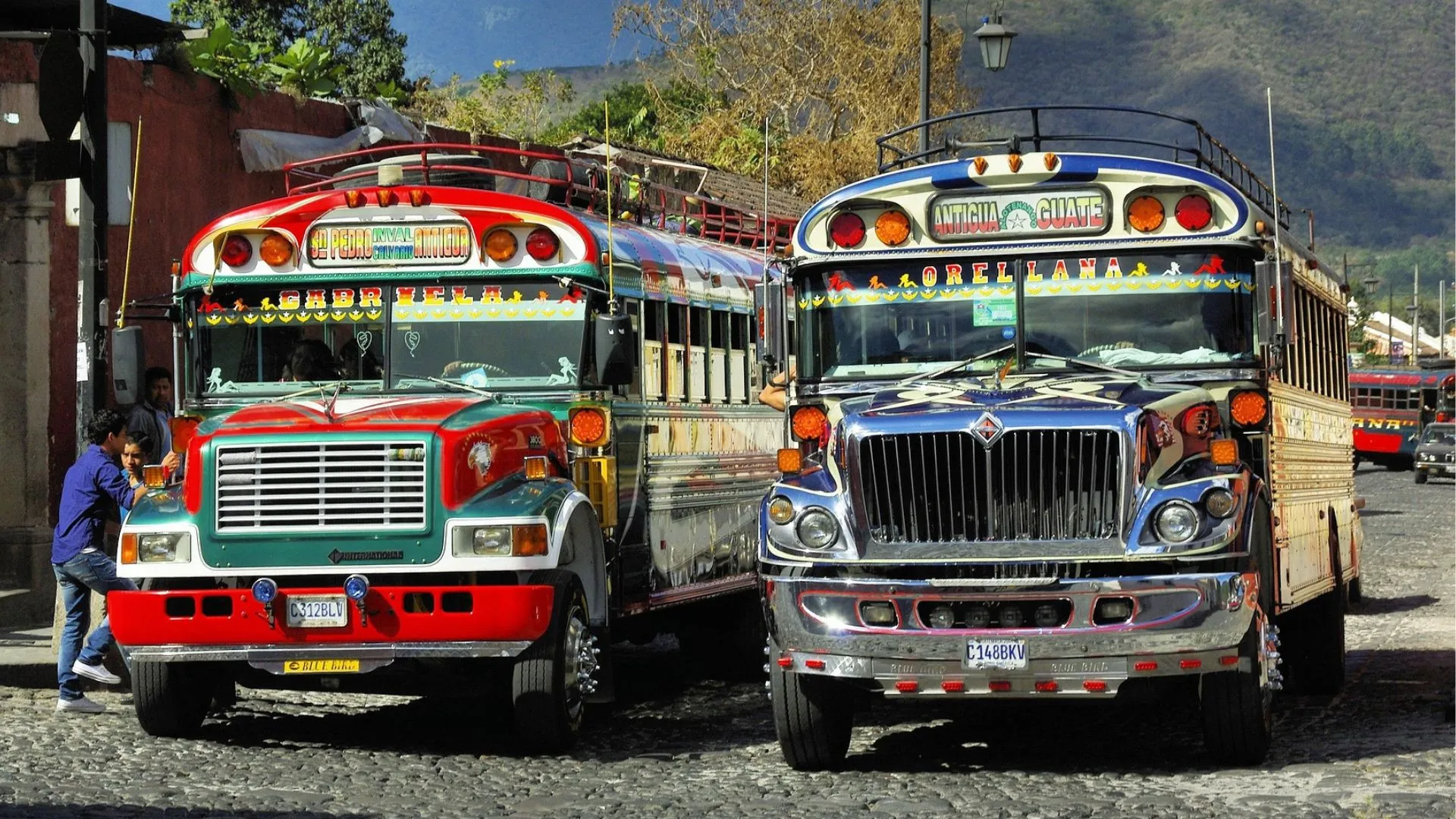
Chicken Buses: These repurposed American school buses form the backbone
of local transport. Extremely affordable, they connect most towns across the country.
However, they can become overcrowded, lack fixed schedules, and require basic Spanish to
navigate effectively. They are best suited for short to mid-range journeys, but less ideal
for long-distance travel or when carrying heavy luggage. Always confirm fares beforehand,
as overcharging can occur.
Shuttles: Tourist-oriented shuttle vans connect major destinations such
as Antigua, Lake Atitlán, and Flores. They are significantly more comfortable than local
buses and often provide door-to-door service via hotels or hostels, making them the most
convenient option for travelers.
Tuk-Tuks: Common around Lake Atitlán and in smaller towns, tuk-tuks are
a practical way to move short distances. Fares are rarely fixed, so negotiating before
departure is essential.
Domestic Flights: The main internal route connects Guatemala City to
Flores (Petén), providing fast access to the northern jungle region and Tikal. Flights are
relatively affordable and save significant travel time compared to overland routes.
Hydration: Bottled water is strongly recommended, particularly in rural
areas. Avoid ice unless you are certain it has been purified.
Petty Crime: Opportunistic theft can occur in cities and transport hubs.
Use hotel safes, avoid displaying valuables, and remain aware of your surroundings.
Altitude: Many destinations, including Antigua and Lake Atitlán, sit at
high elevation. Allow time to acclimatize before engaging in physically demanding
activities such as volcano hikes.
Emergency Contacts
Emergency Services:
Police: 110
Red Cross: 128
Tourist Assistance:
INGUAT Tourist Office:
+502 2421 2800
Was this Guide Helpful?
7 out of 7 people found this article useful!
Receive the Newsletter
Receive infos, e-catalogues, gifts & more by subscribing for free
More information on data privacy policy here.
By subscribing to our newsletter, you allow yourself to send your personal information (email address) to Visit Idea, the recipient and manager of your subscription.
Your data are stored in the European Union and in third-party countries assuring an adequate level of protection in accordance with a decision adopted by the European Commission or in accordance with the contractual clauses approved by the European Commission.
Your data will be suppressed at the latest three years (3) after our last contact, in the absence of unsubscription.
You can withdraw your consent to the processing of your personal data at any time using the unsubscribe link in each newsletter you receive, which will terminate your subscription.
Pictures of Guatemala: the Complete Guide
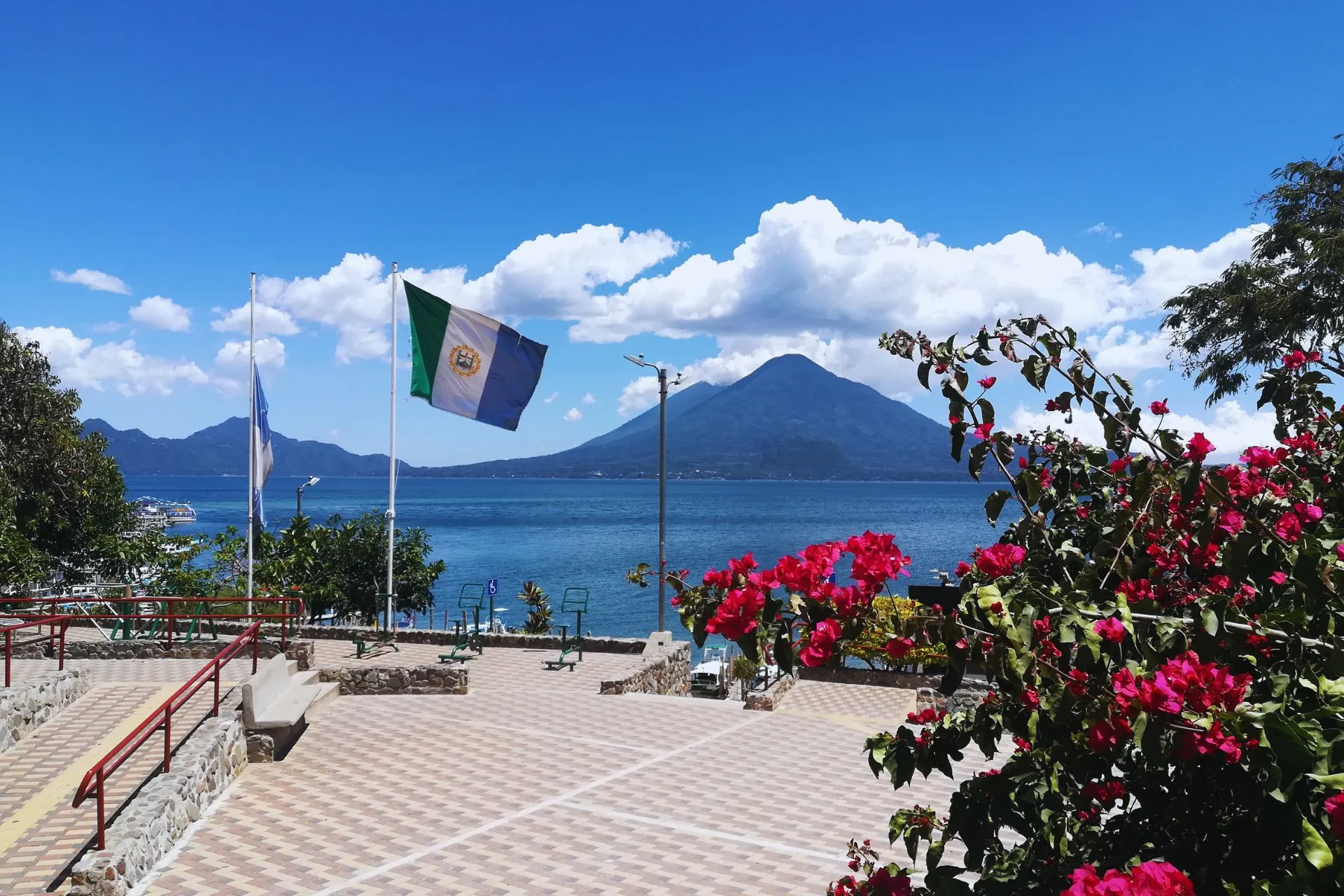
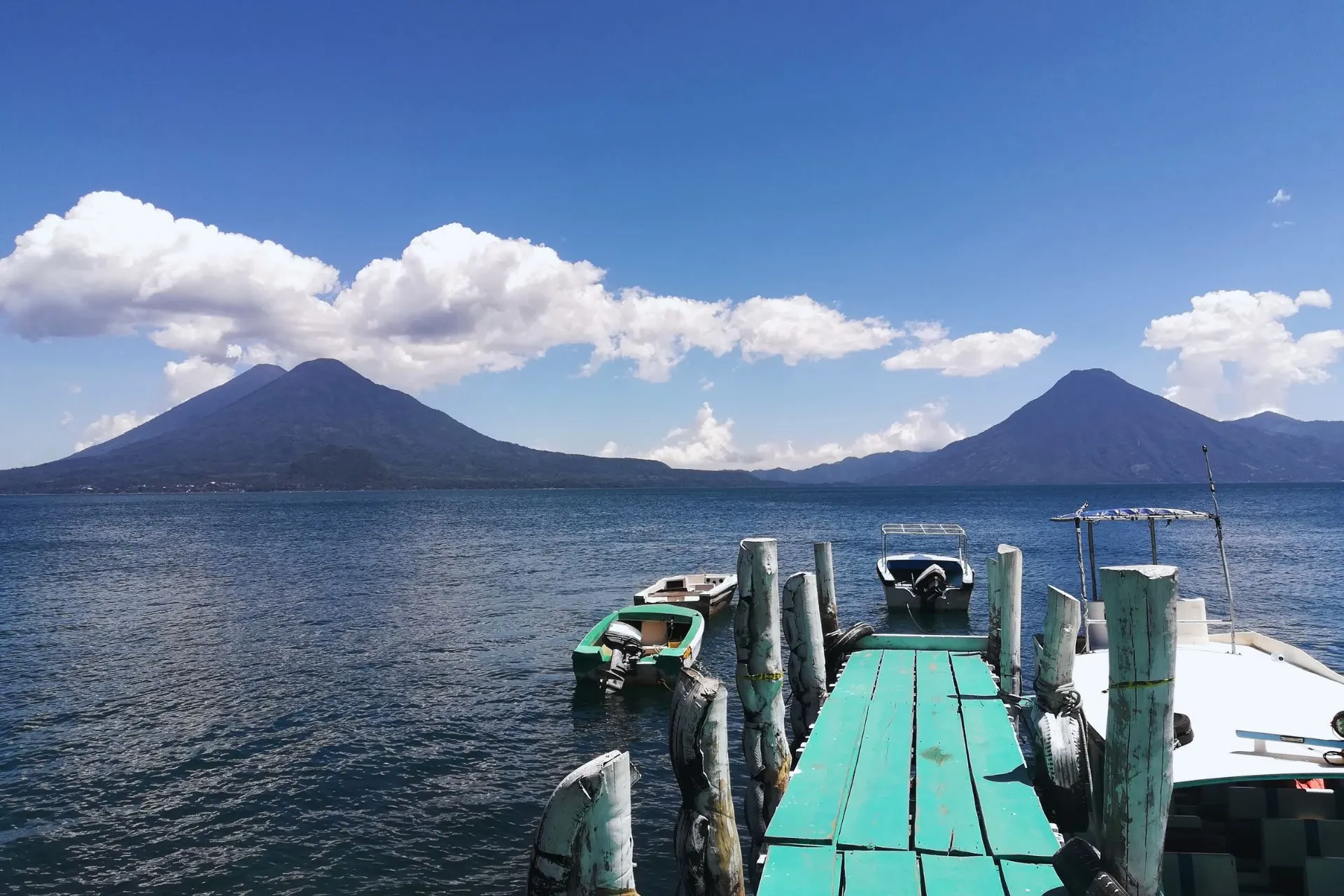
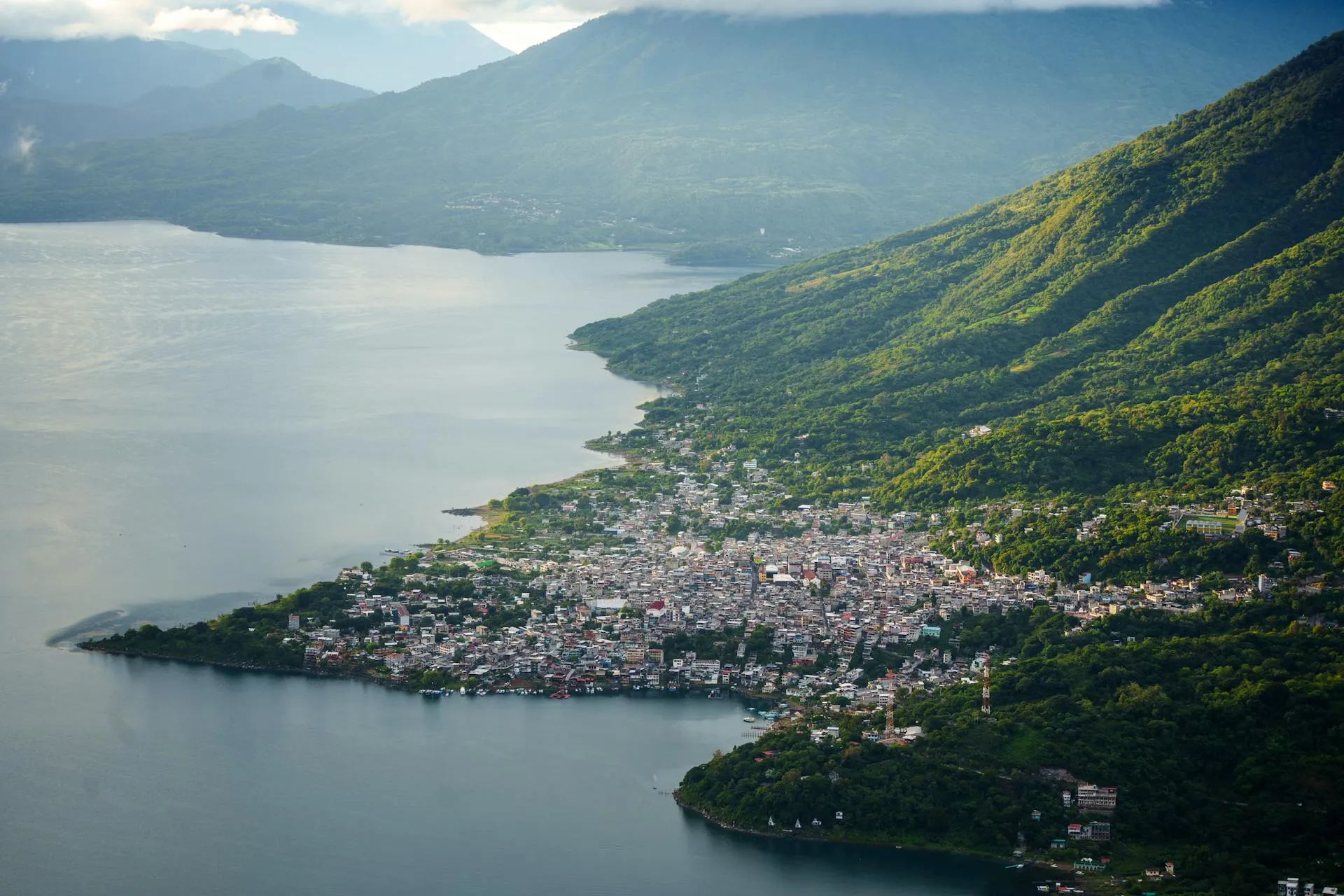
Lake Atitlán surrounded by volcanoes, Guatemala Photo Credit: Visit Idea
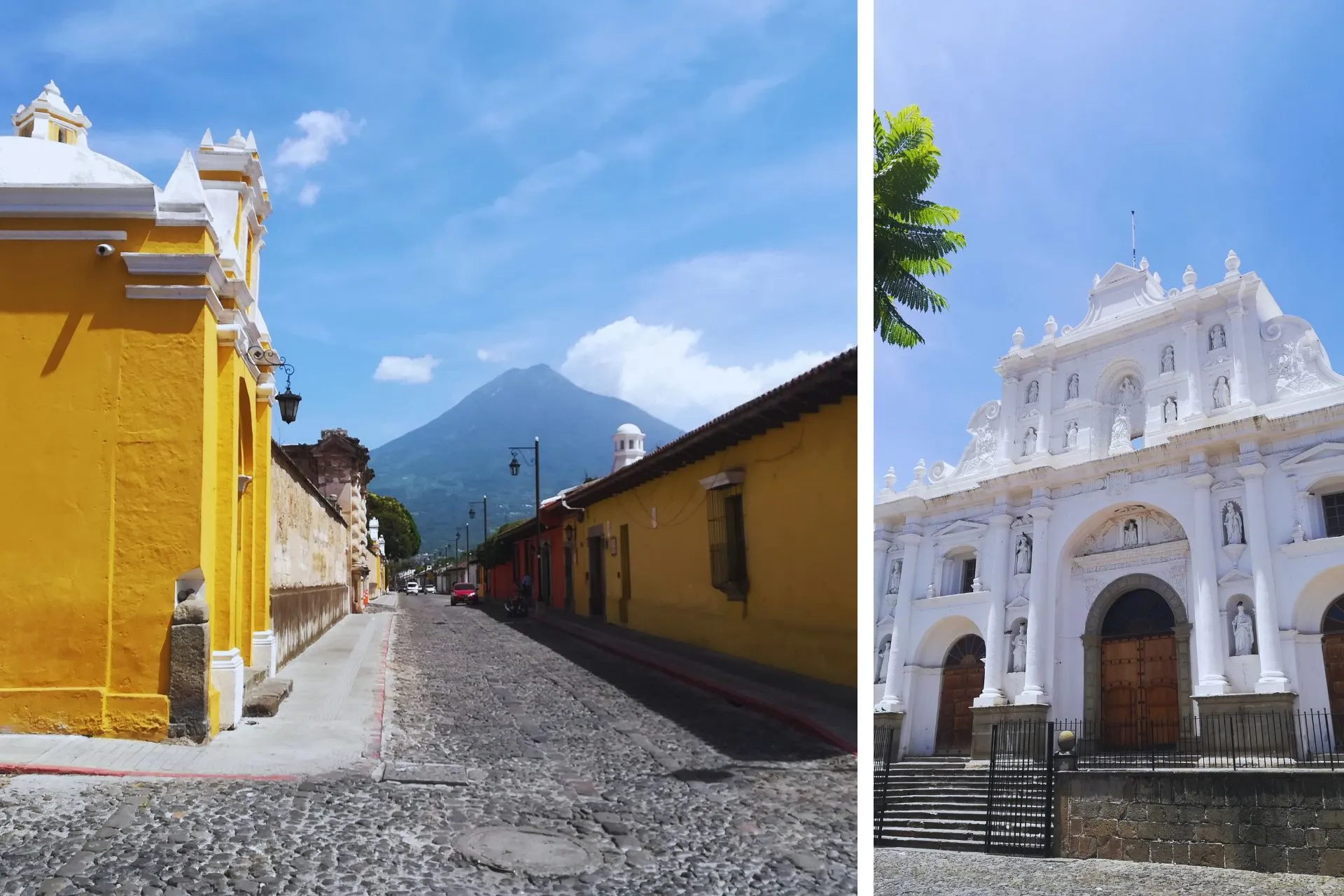
Different streets of Antigua Guatemala, Guatemala Photo Credit: Visit Idea
Arco de Santa Catalina with Volcán de Agua, Antigua Guatemala Photo Credit: Visit Idea
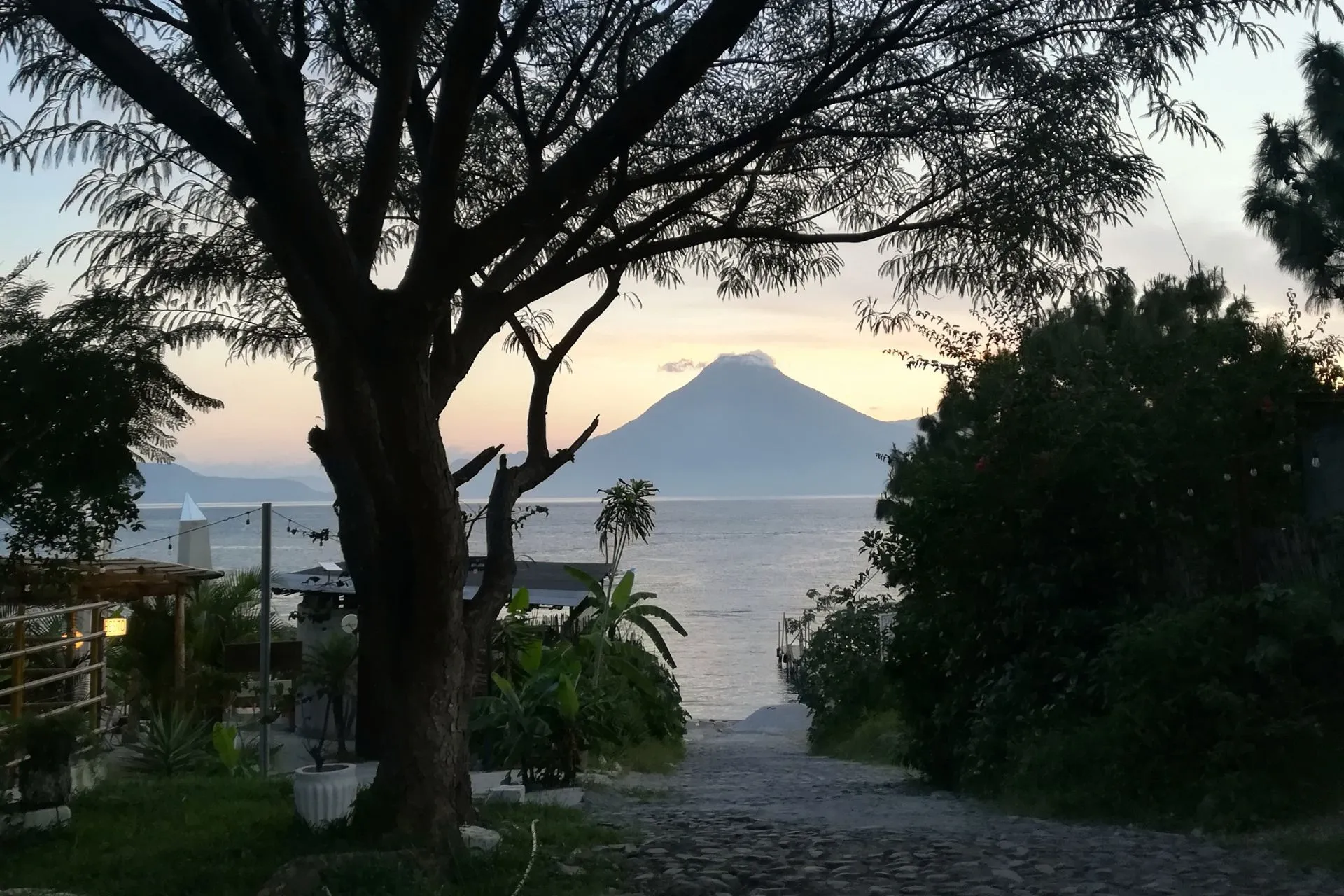
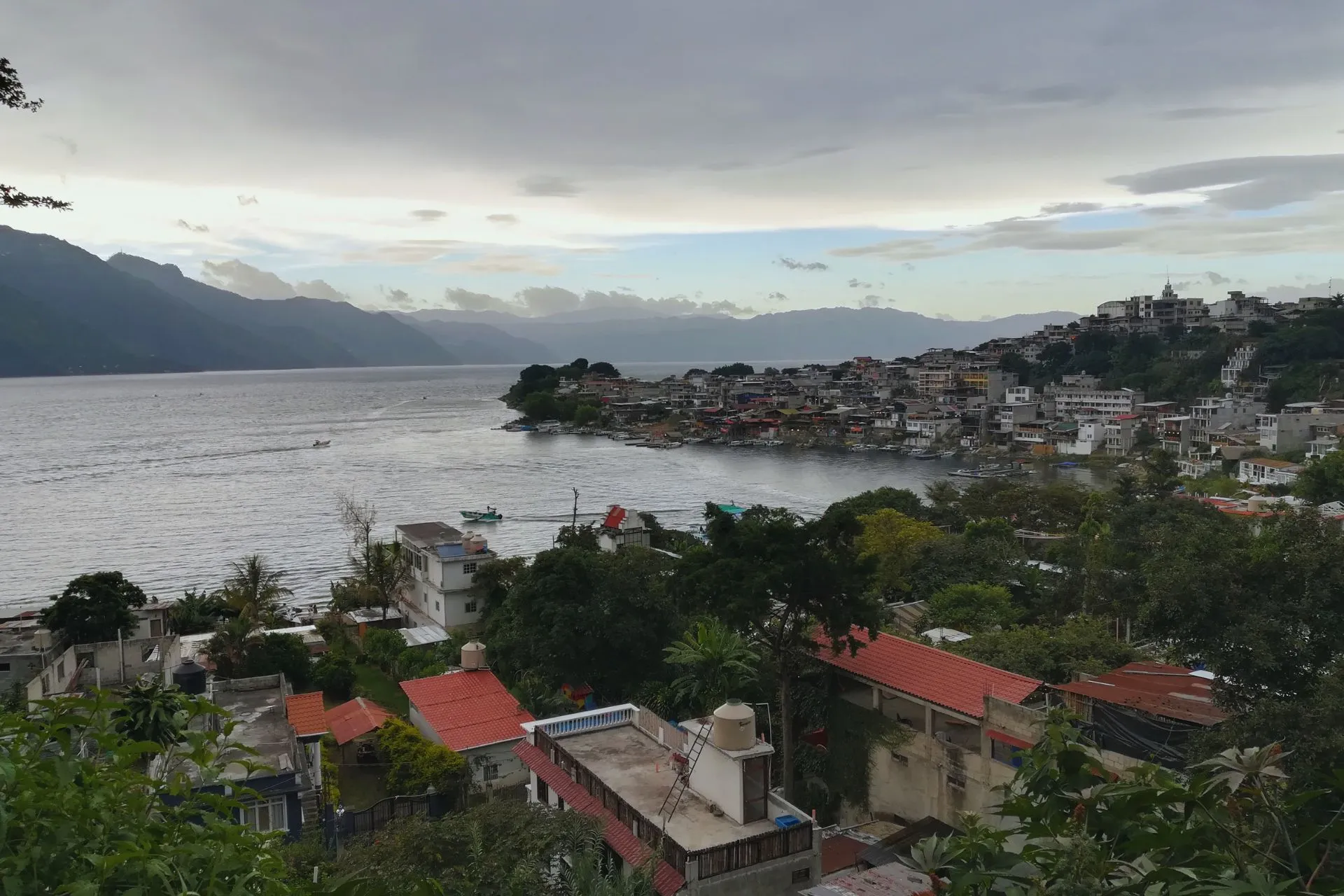
Lake Atitlán Night View from Panajachel, Guatemala Photo Credit: Visit Idea
View on boats on the Lake Atitlán from Panajachel, Guatemala Photo Credit: Visit Idea
Painting of the Lake Atitlán, Guatemala Photo Credit: Visit Idea
Jungle Street Painting San Juan La Laguna, Guatemala Photo Credit: Visit Idea
Murals in San Juan La Laguna, Guatemala Photo Credit: Visit Idea
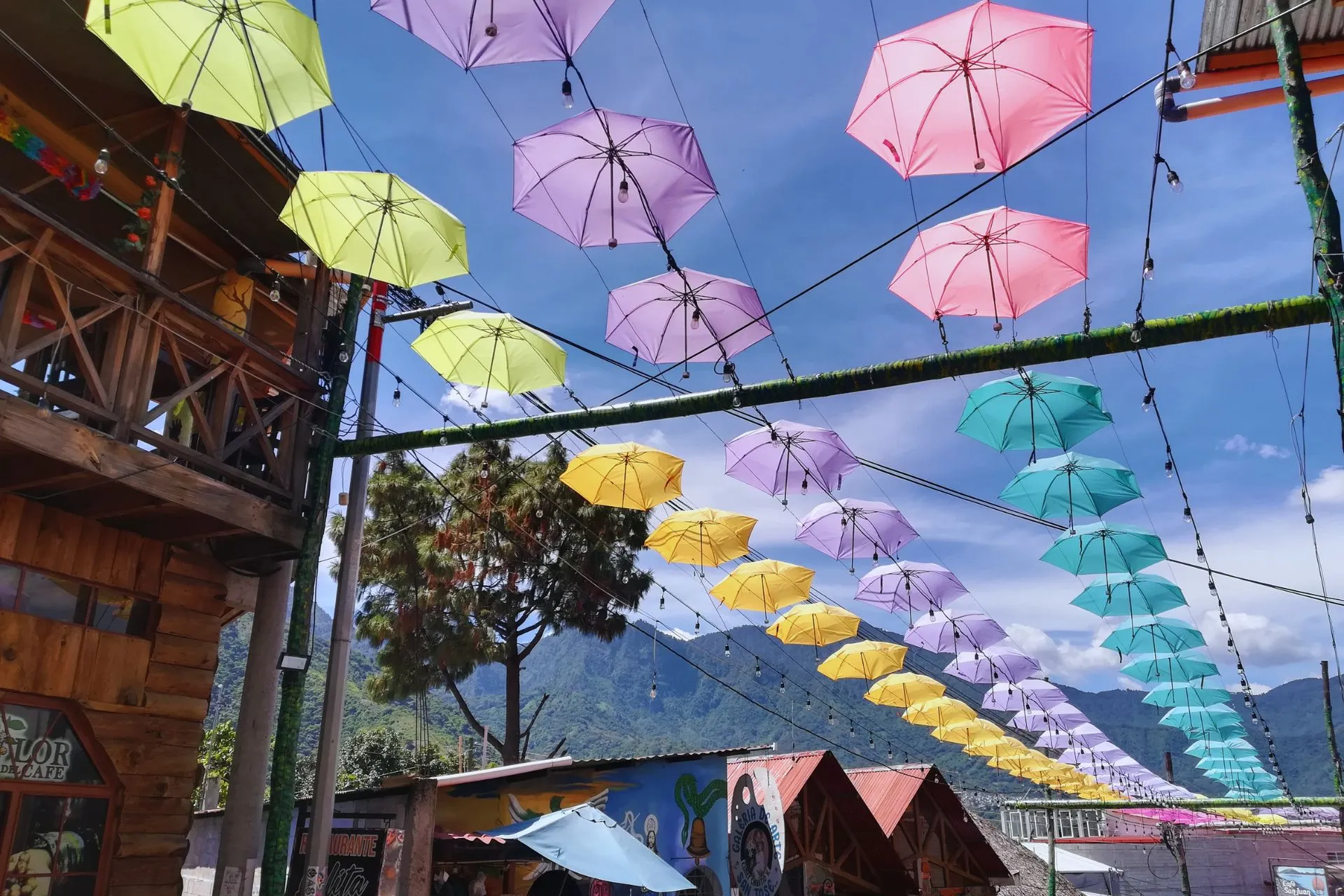
La Calle de las Sombrillas, San Juan La Laguna, Guatemala Photo Credit: Visit Idea
San Pedro La Laguna Port, Guatemala Photo Credit: Visit Idea
Street Painting San Pedro La Laguna, Guatemala Photo Credit: Visit Idea
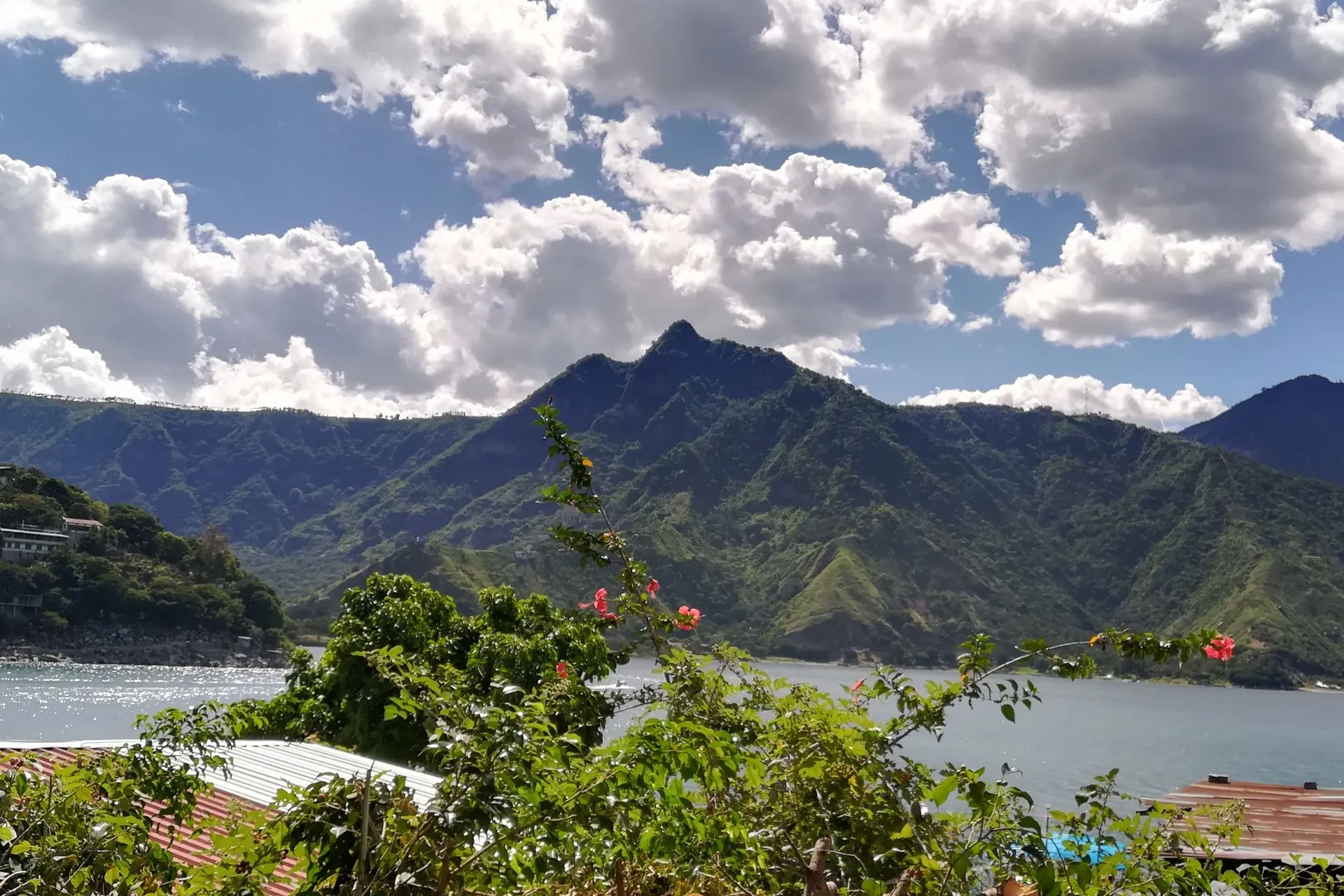
View of the San Pedro Volcano from San Pedro La Laguna, Guatemala Photo Credit: Visit Idea
View of the Bay of San Pedro La Laguna, Guatemala Photo Credit: Visit Idea
San Pedro La Laguna on Lake Atitlán, Guatemala Photo Credit: Visit Idea
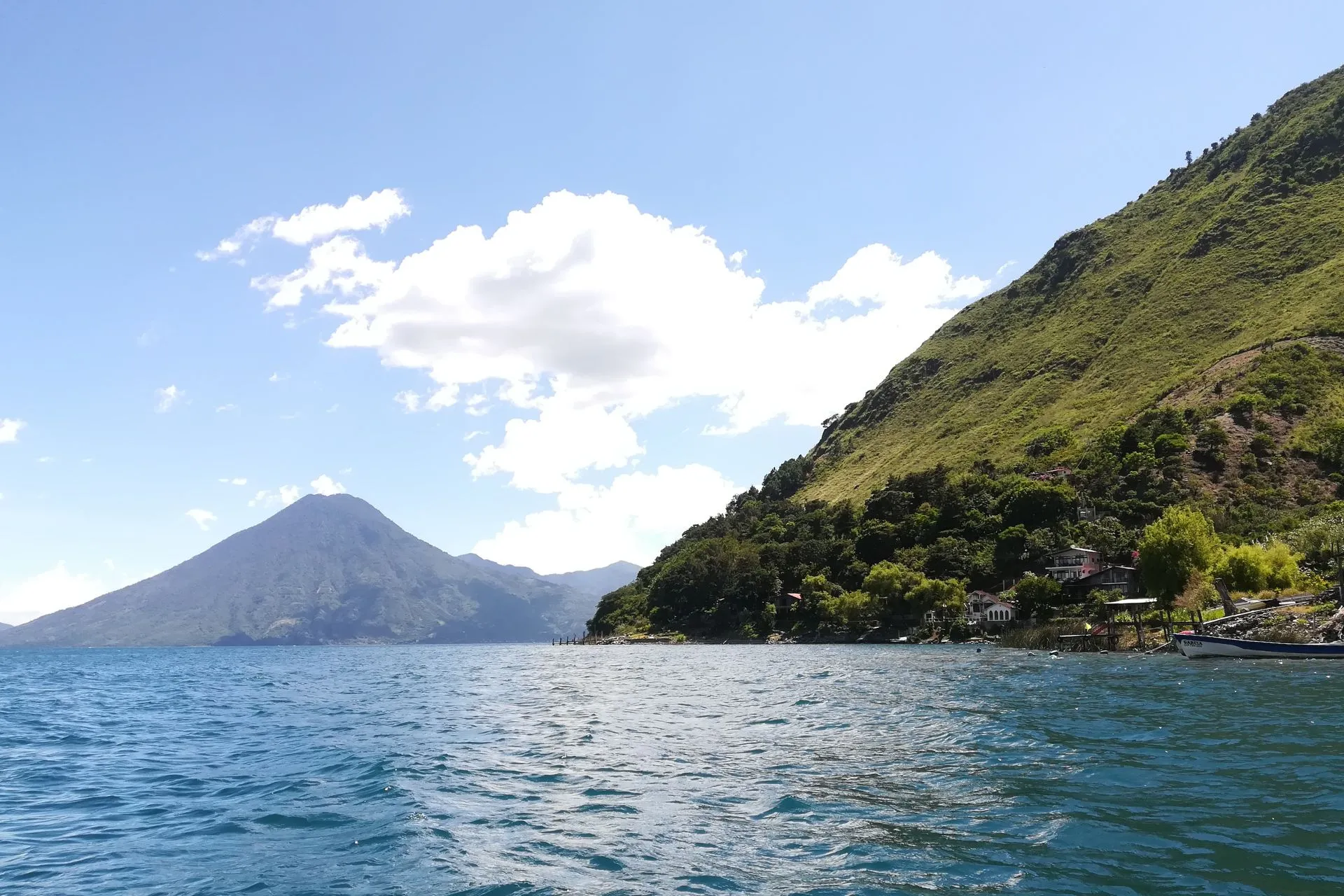
Volcano San Pedro view from the Lake, Guatemala Photo Credit: Visit Idea
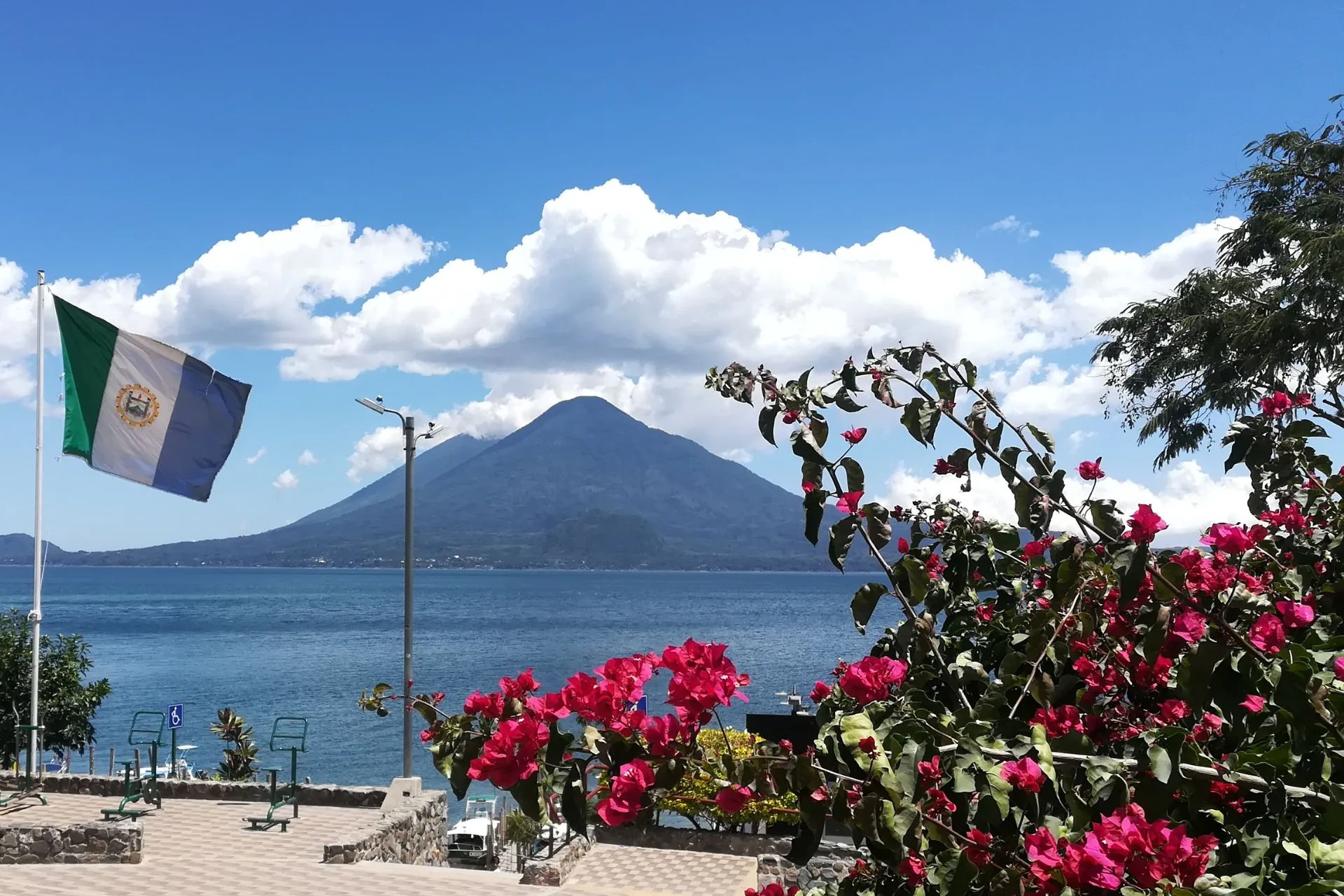
Volcano Tolimán view from Panajachel, Guatemala Photo Credit: Visit Idea
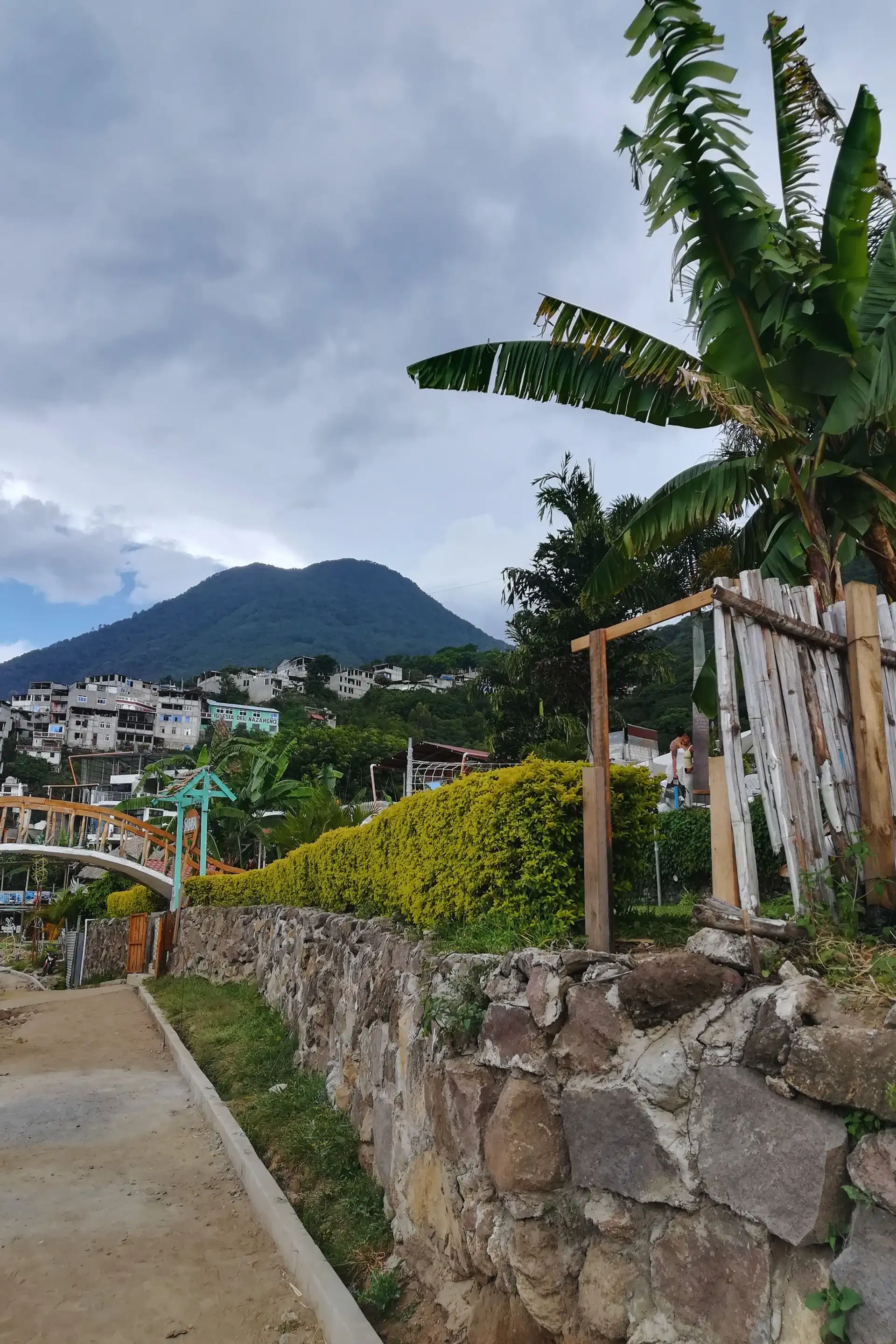
View of Lake Atitlán from a Panajachel cobblestone street, Guatemala Photo Credit: Visit Idea
Museo Popol Vuh in Guatemala City, Guatemala Photo Credit: Visit Idea
Ixchel Museum in Guatemala City, Guatemala Photo Credit: Visit Idea