
Introduction :
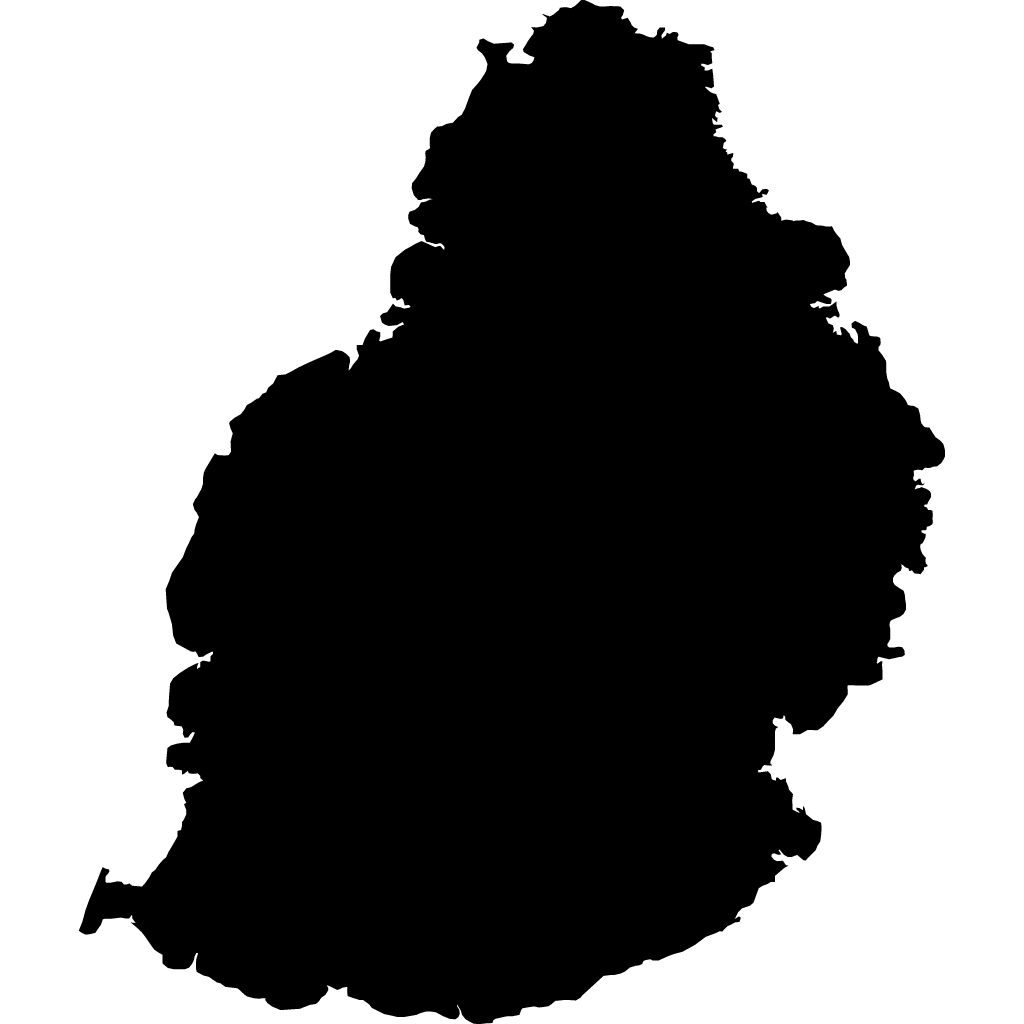
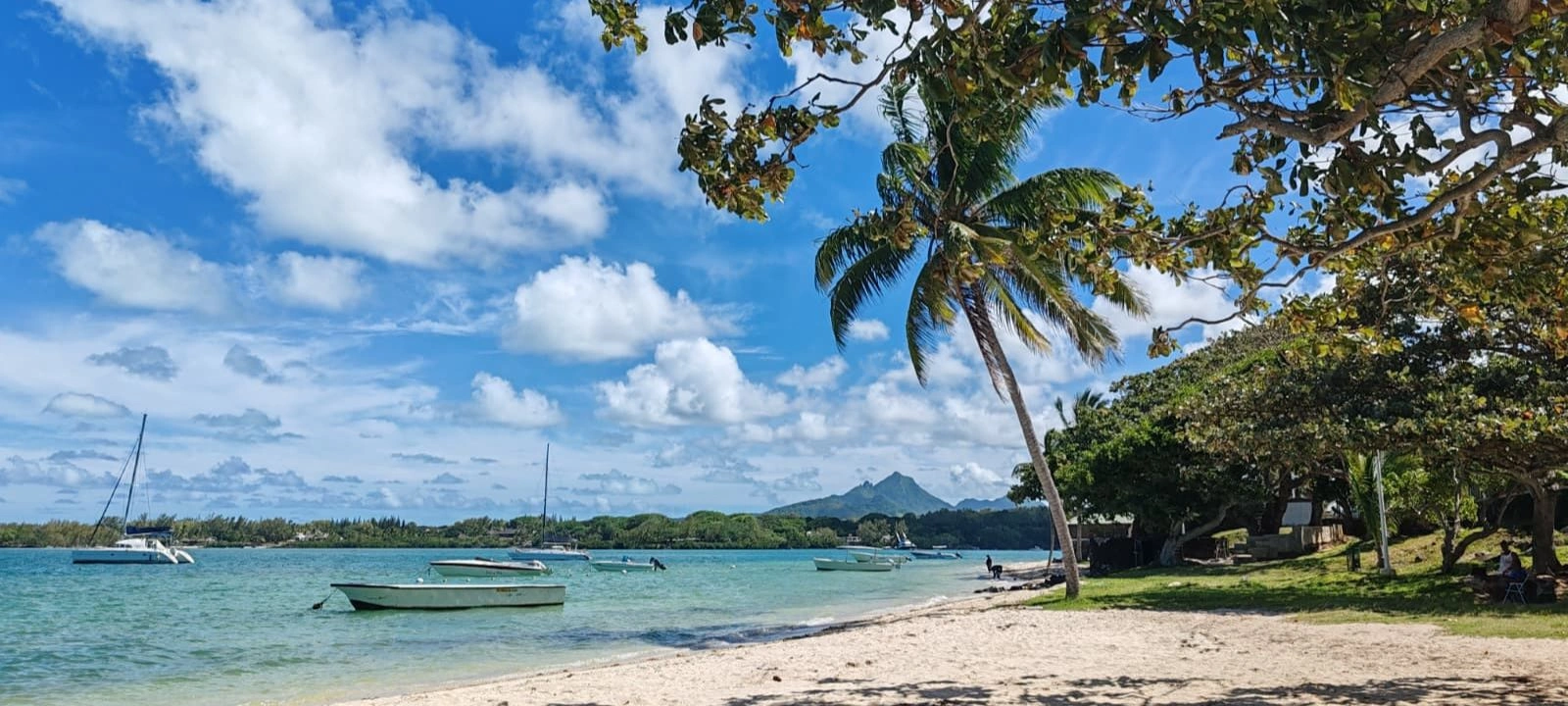
In the turquoise waters of the Indian Ocean, east of Madagascar, Mauritius is a volcanic island nation reputated for its powder-white beaches, coral lagoons, and dramatic mountain backdrops. It is a multicultural mosaic where Indian, African, Creole, European, and Chinese heritage converge in perfect harmony. From the busy capital of Port Louis to the UNESCO-listed Le Morne Brabant peninsula, Mauritius is an ideal blend of luxury resort relaxation, world-class water sports, and lush interior hikes. Historically uninhabited until Dutch arrival in 1598, the island passed through French and British colonial rule before gaining its independence in 1968. The legacy of indentured labor and slavery forged a uniquely diverse society that today stands as one of Africa’s most stable and prosperous economies, often called the “Mauritius Miracle.” Its biodiversity hotspot status, home to endemic species and the extinct dodo, combined with sustainable tourism initiatives, makes it a model for responsible island travel. Today, Mauritius thrives on premium eco-tourism: kitesurfing in the south, diving in crystal-clear lagoons, trekking through Black River Gorges National Park, and exploring Creole markets with colonial architecture. Its year-round warm climate, world-class golf courses, and fusion cuisine draw discerning travelers seeking both adventure and refined island luxury.
Top Places to Visit:
Mauritius Highlights
- Day of Visit: 7 to 10 days
- Best Season: Dry Season (May - November)
- Keywords: Turquoise Lagoons, Kitesurfing, Creole Markets, Endemic Hiking, Colonial Heritage, Seven Colored Earth, UNESCO
Black River District
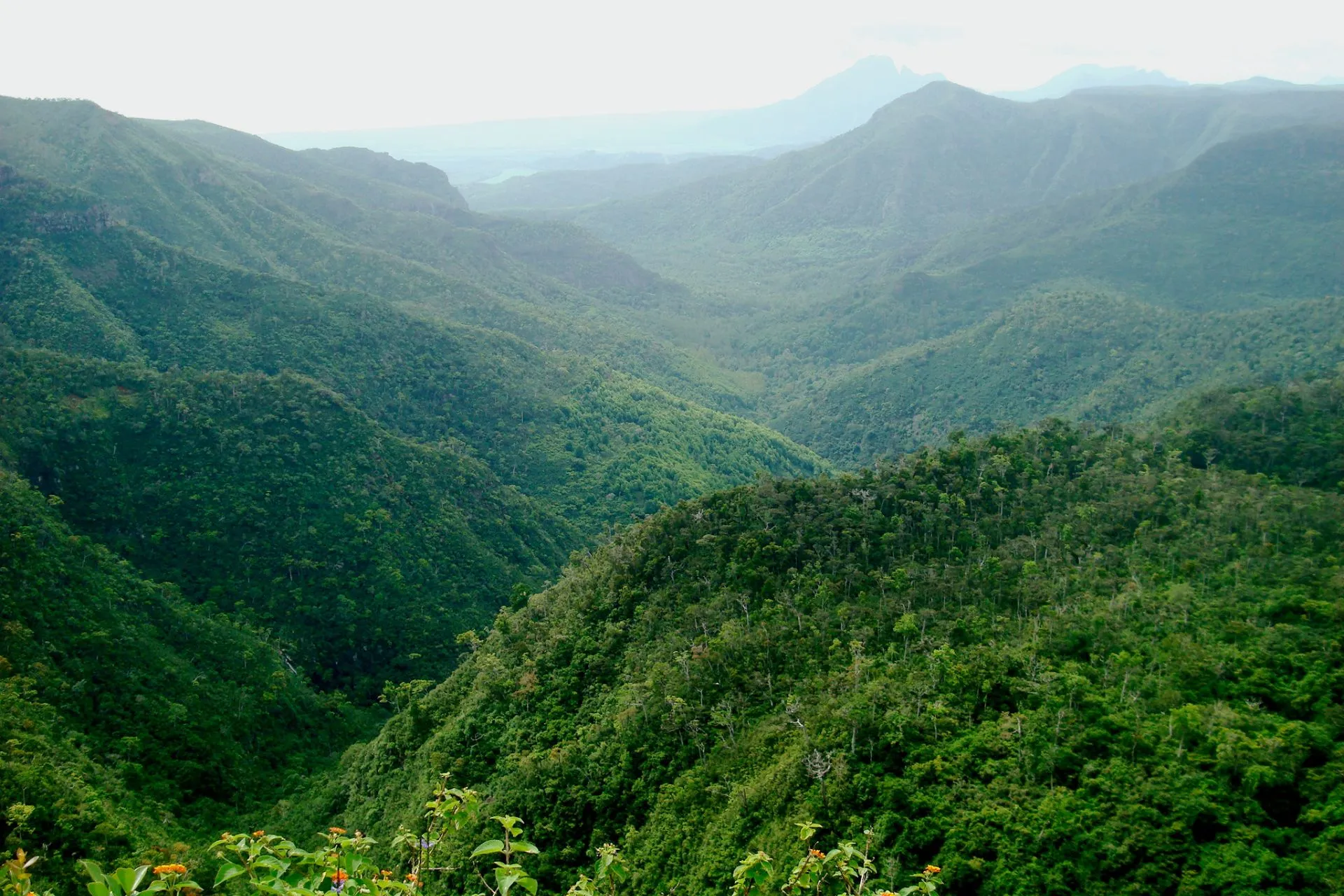
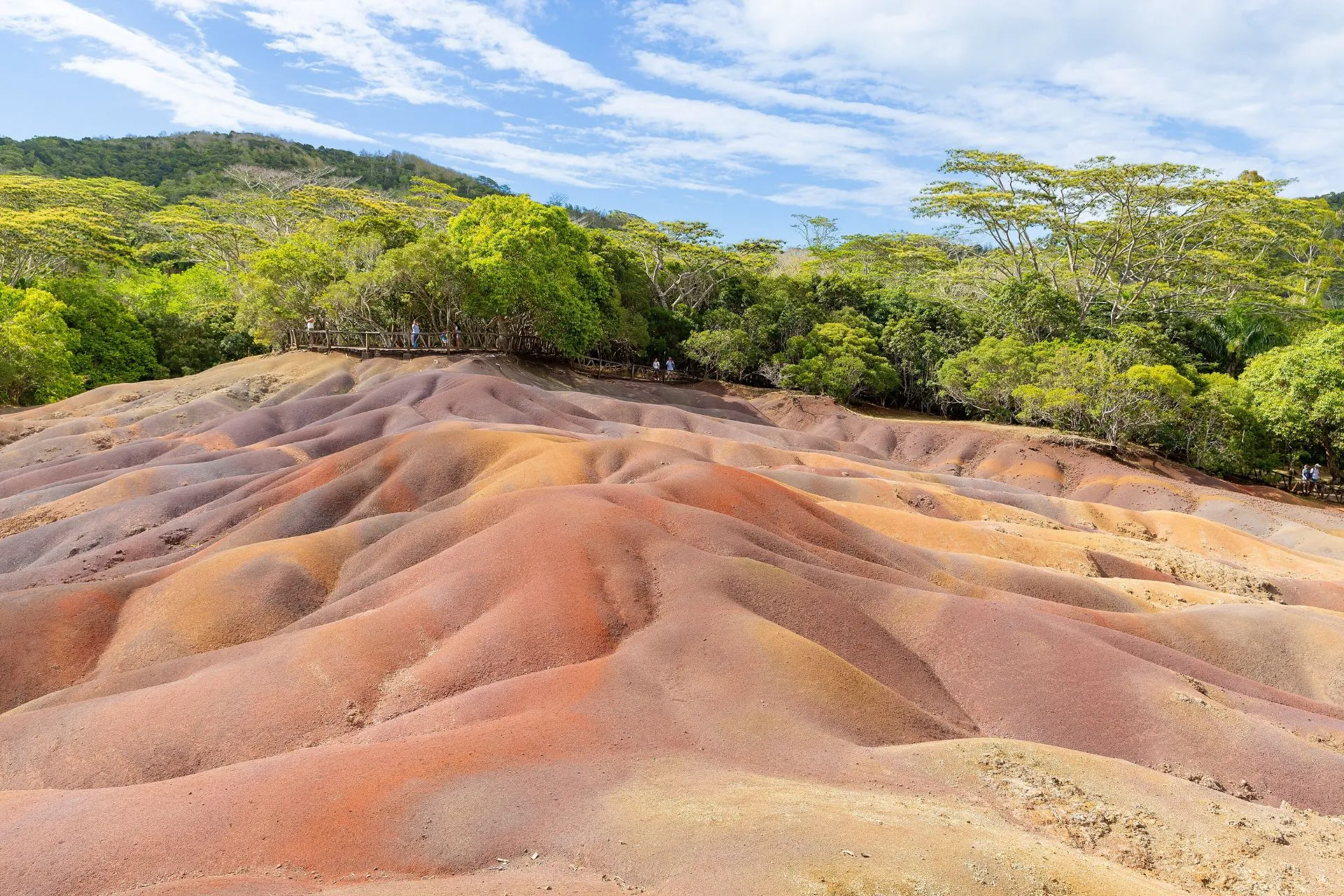
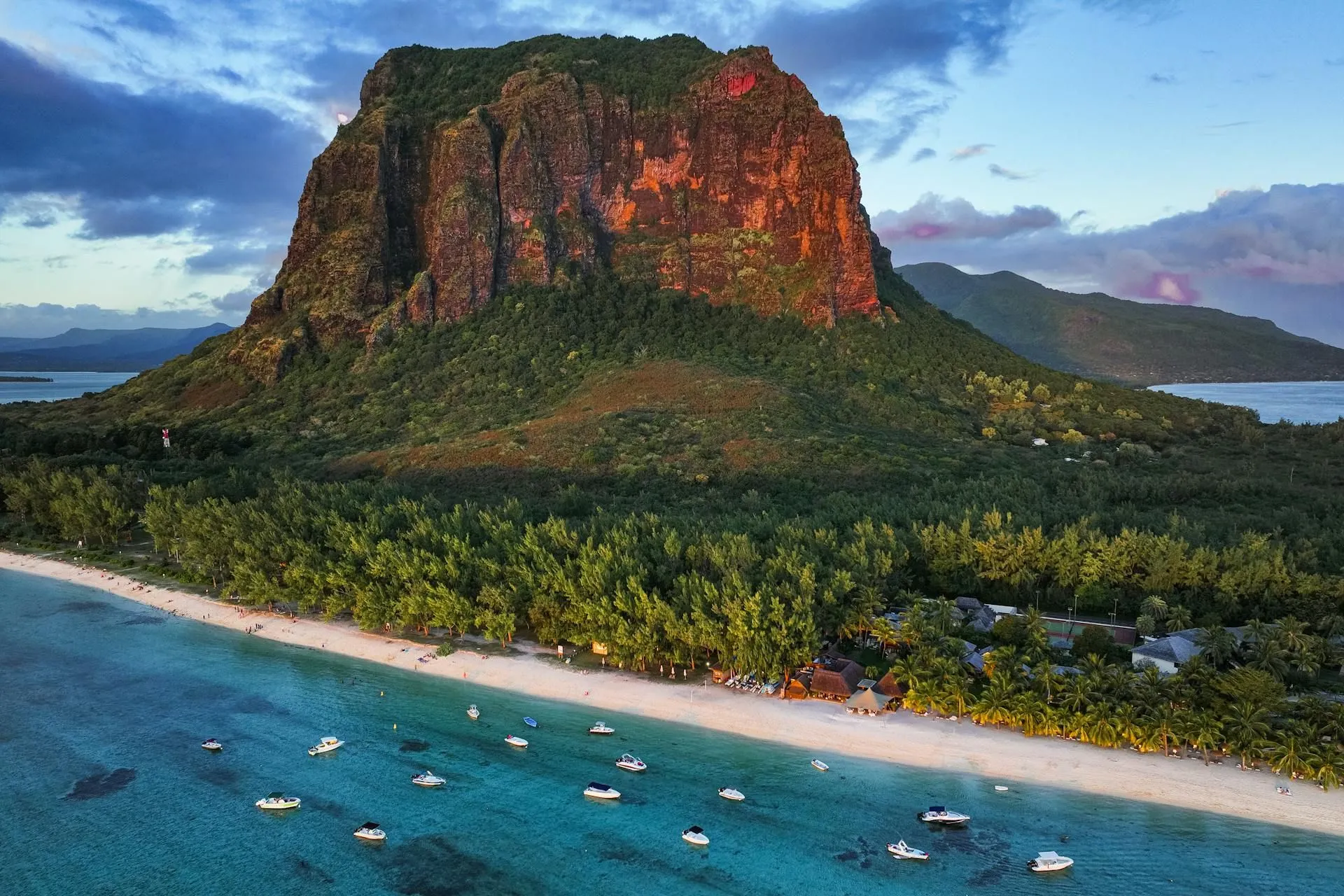
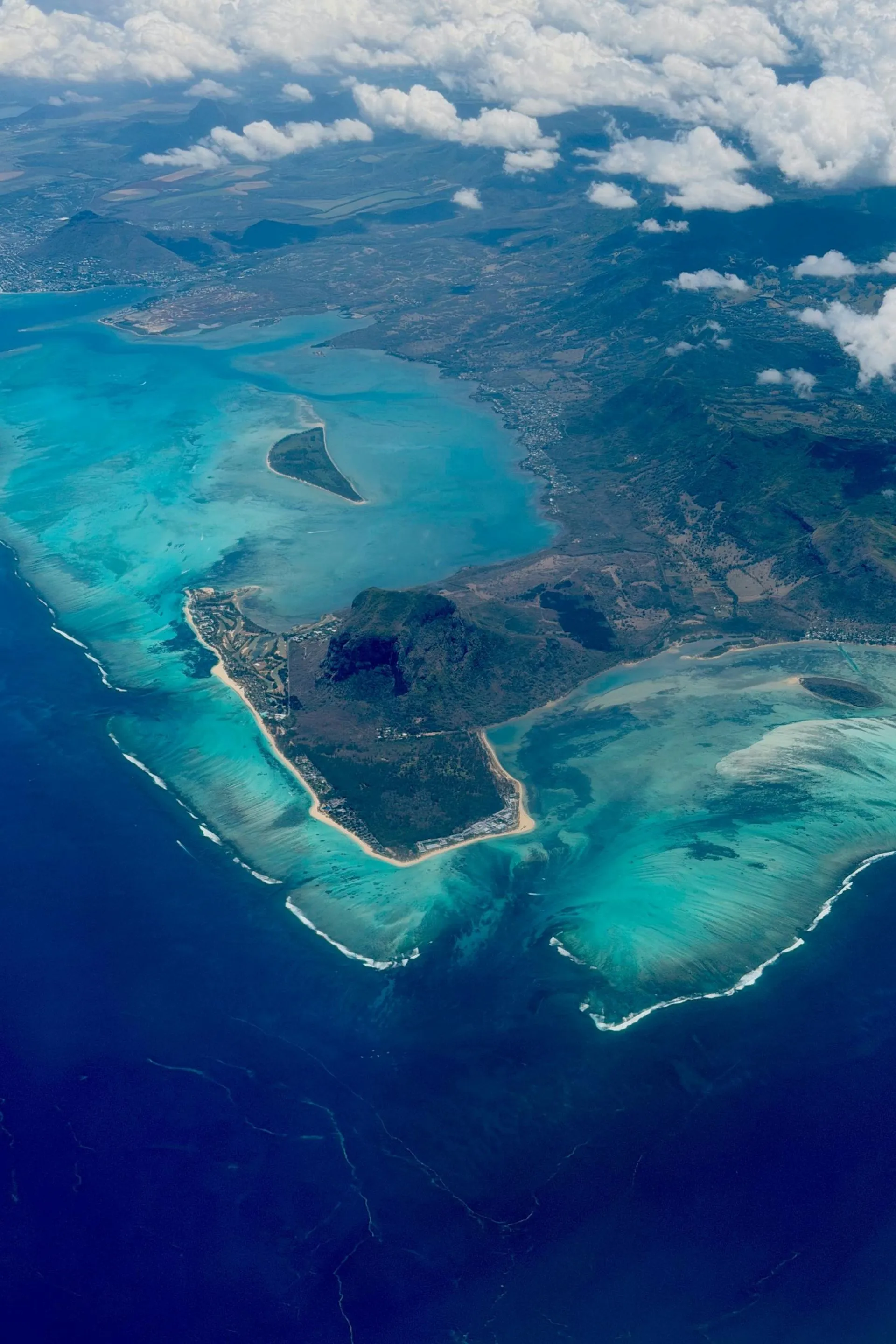
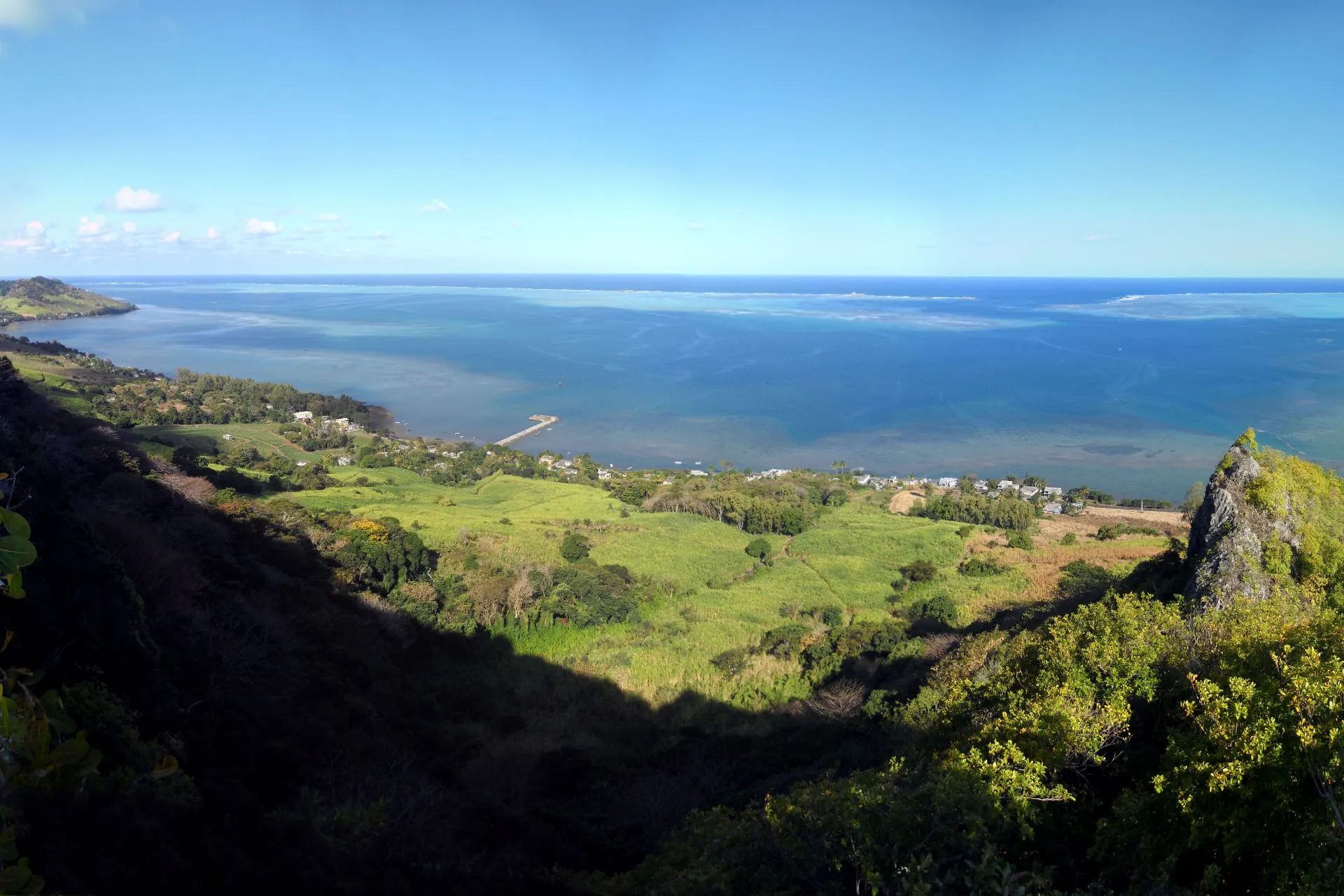
The south-west coast of Mauritius is the island’s most iconic and diverse region. It combines the longest white-sand beach Flic en Flac, the only national park of Mauritus the Black River Gorges, the iconic geological wonder of Chamarel and the UNESCO-listed Le Morne Brabant peninsula. This is where you find dramatic cliffs, turquoise lagoons, world-class kitesurfing, endemic forest hikes and some of the most spectacular viewpoints on the island.
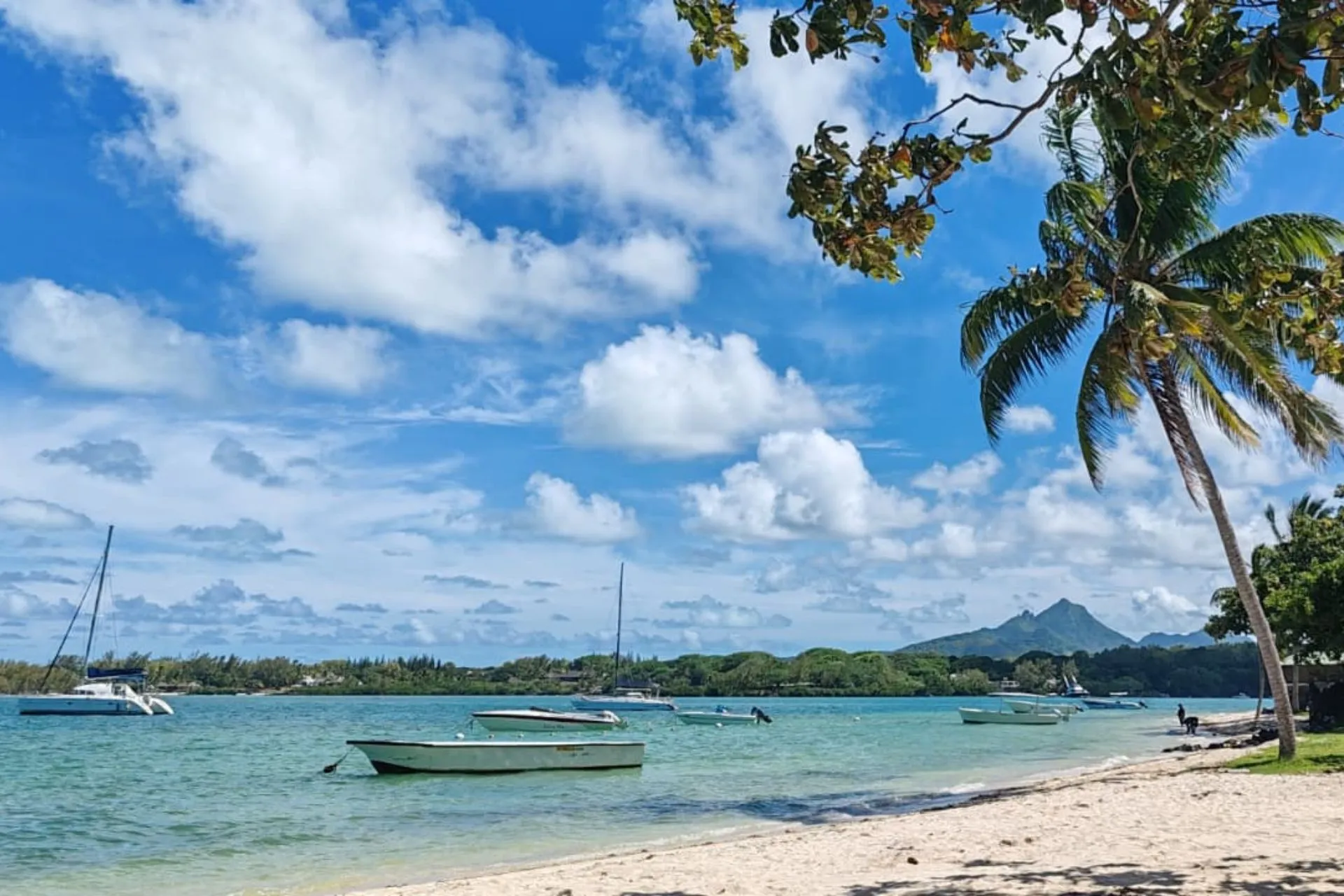
-
Flic en Flac:
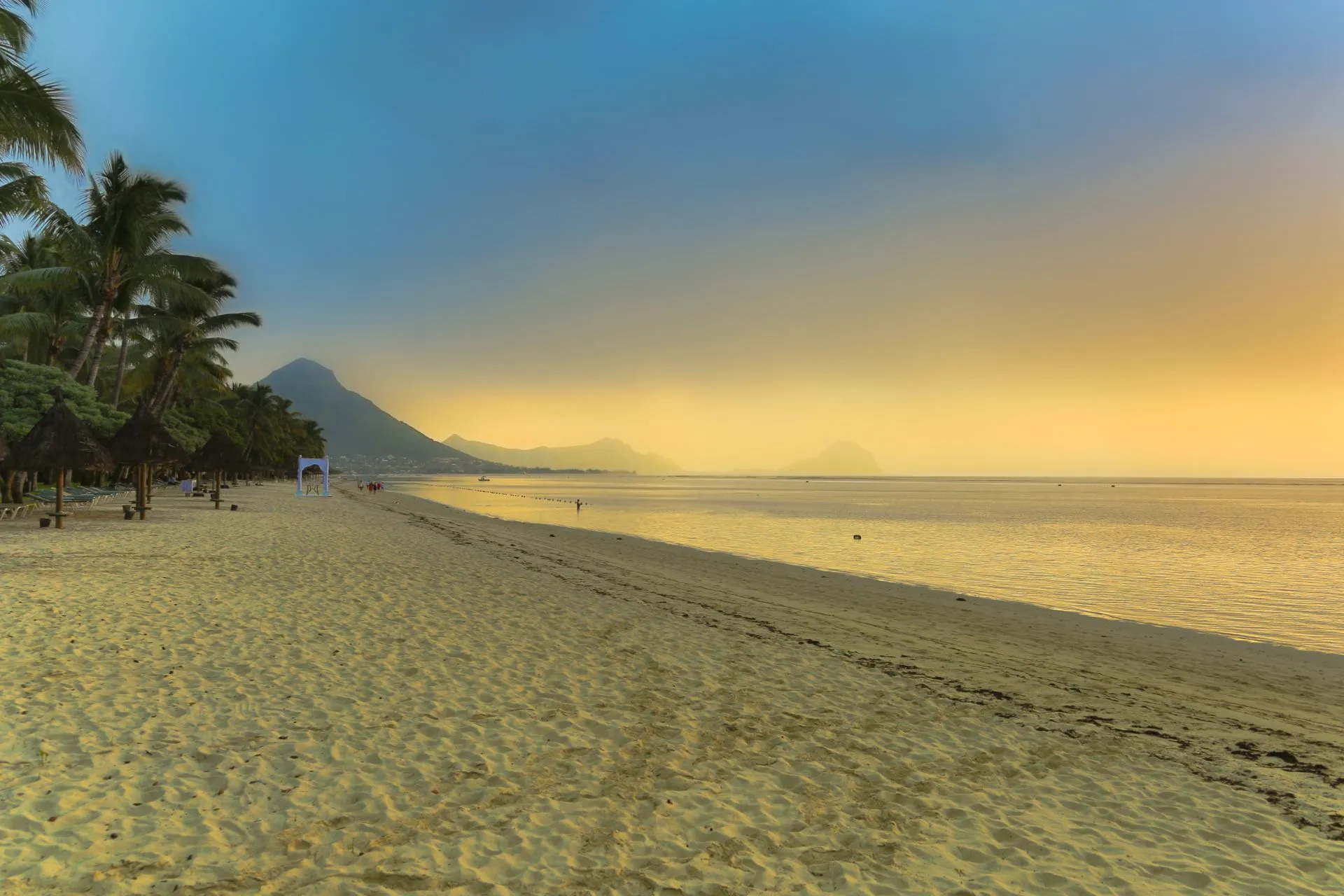
Cédric Clain (Flickr) CC BY-NC-SA 2.0 -
Black River Gorges National Park:
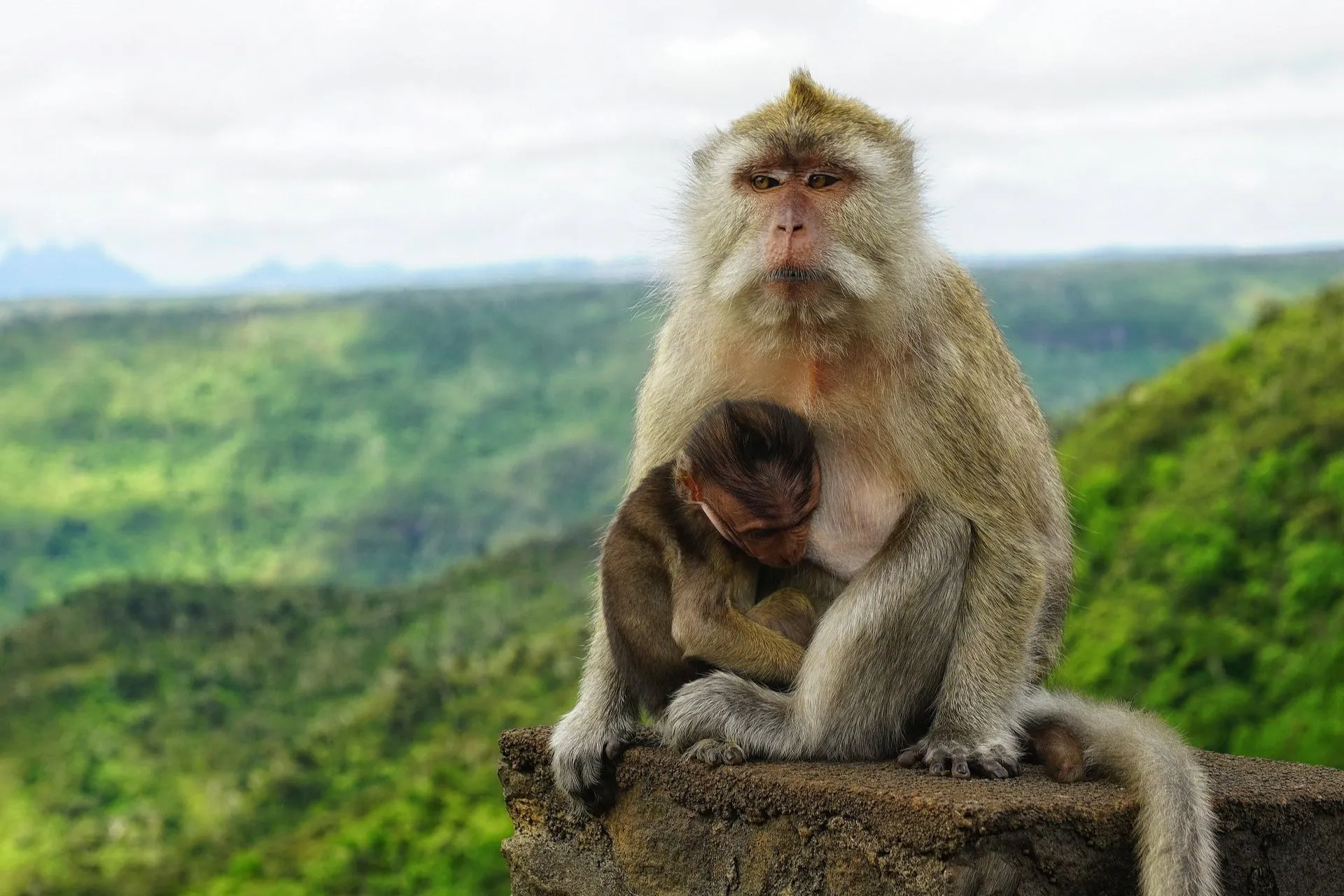
Markus Kammermann (Pixabay) -
Chamarel:
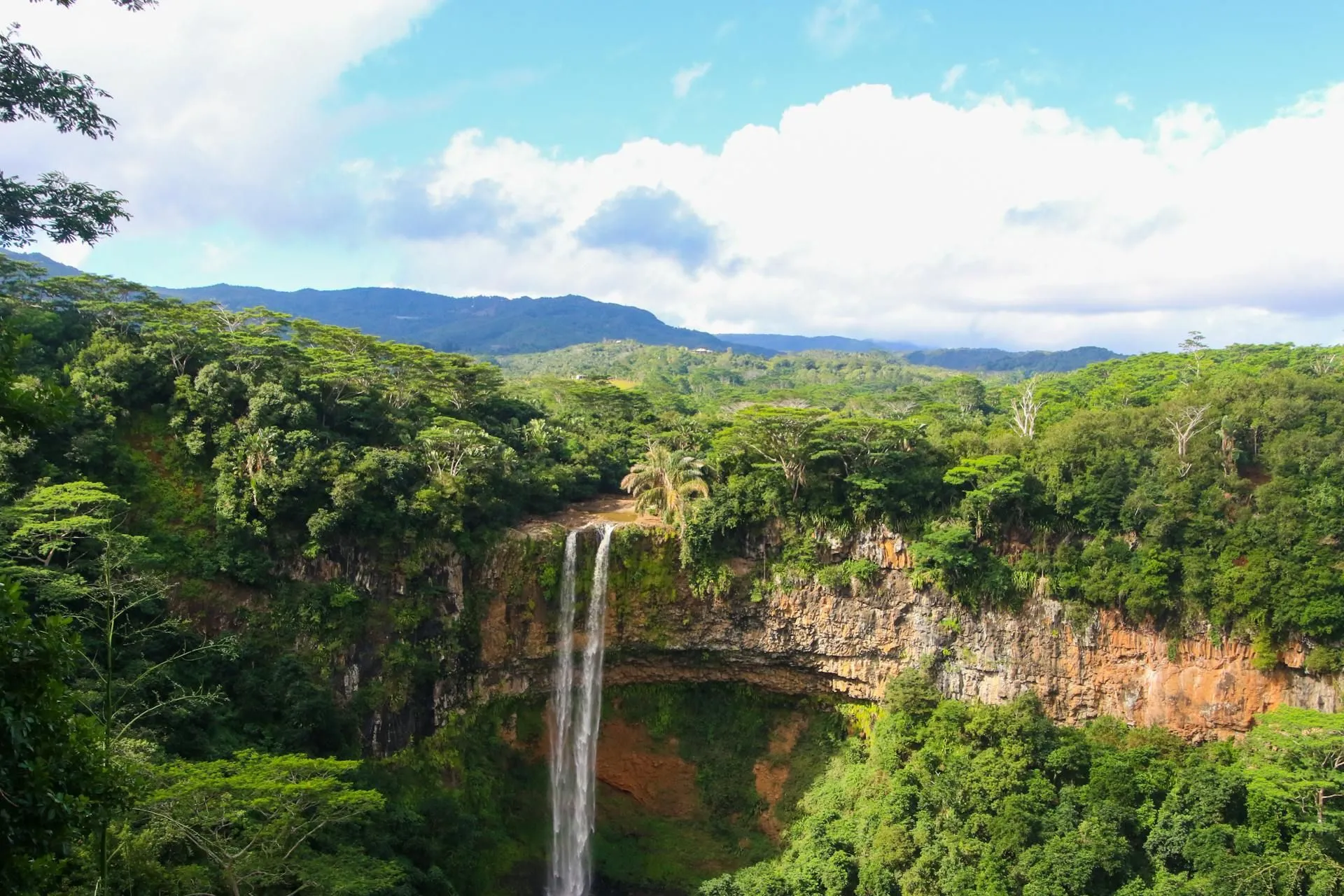
Magda Ehlers (Pexels) -
Le Morne Brabant:
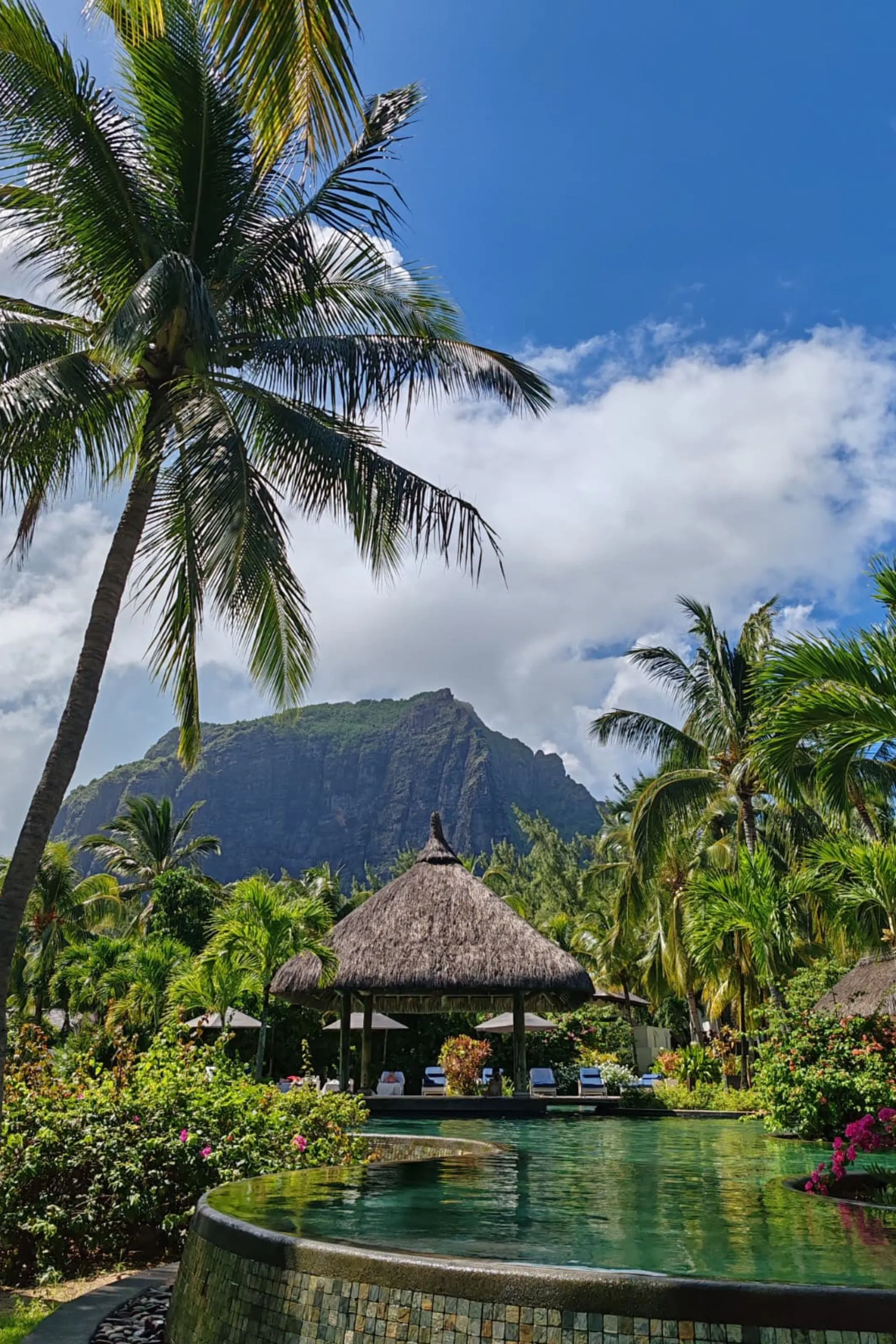
Visit Idea -
Tamarin Bay:
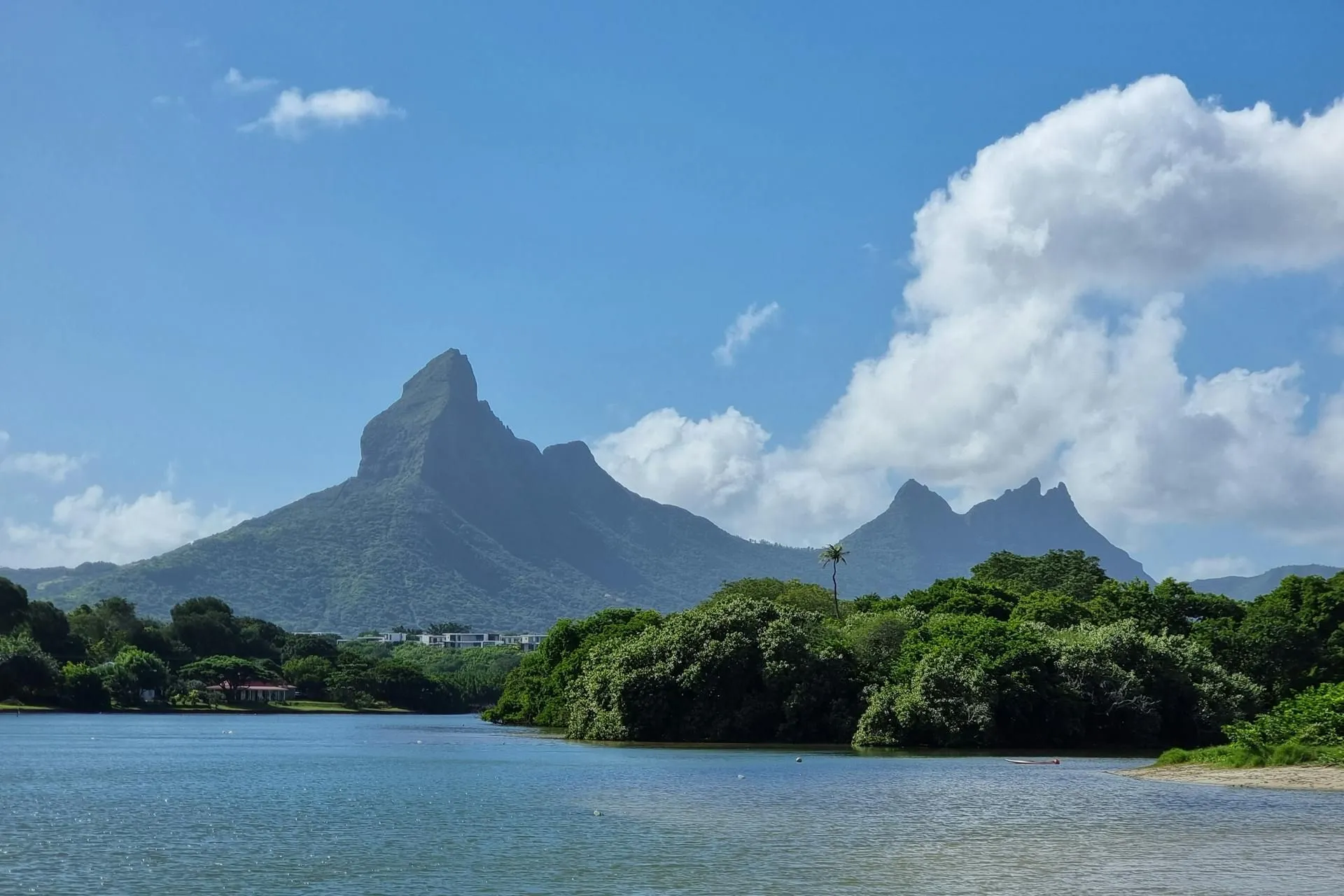
Zak H (Pexels) -
Trois Mamelles Mountains:
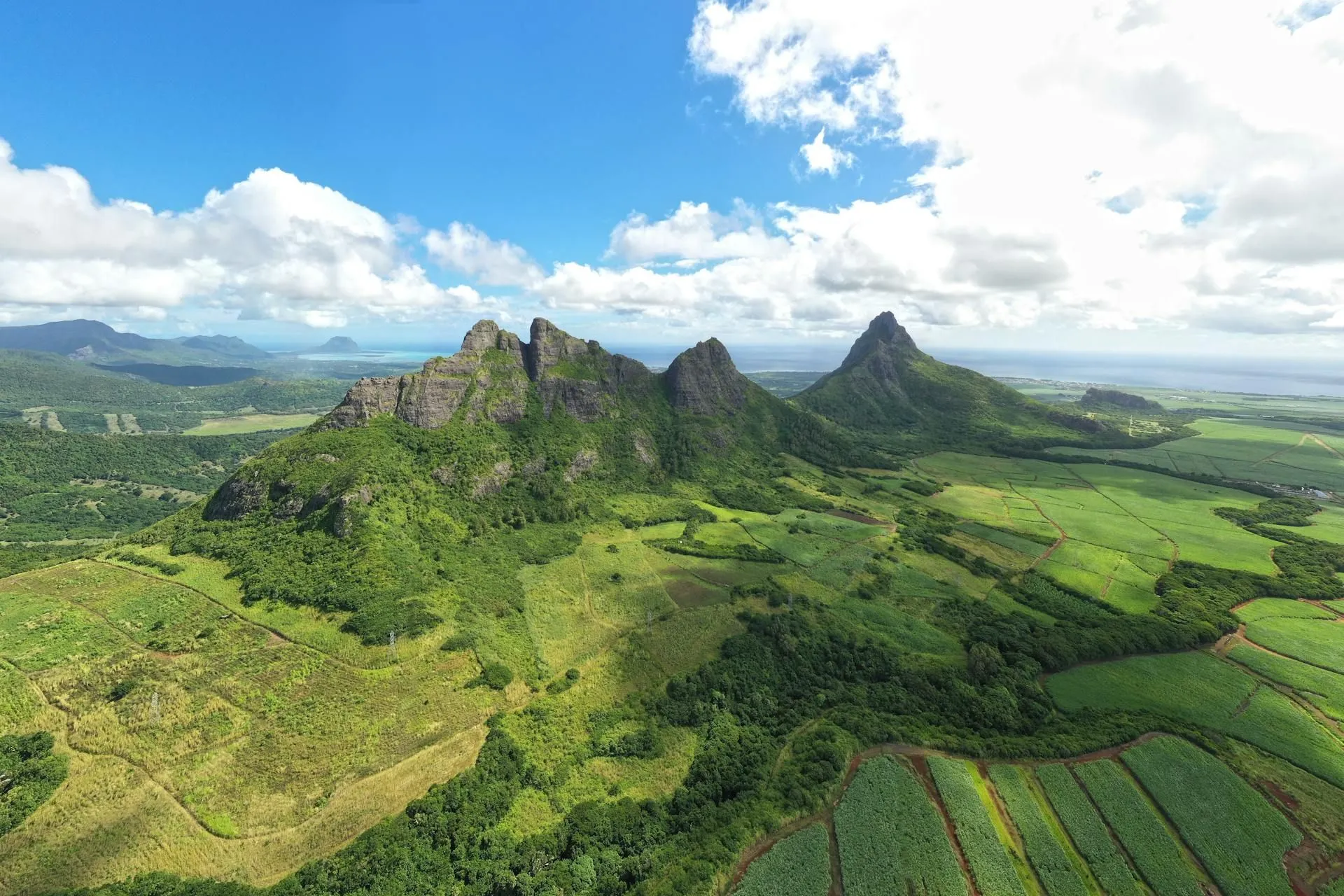
Dominik Ruhl (Pexels)
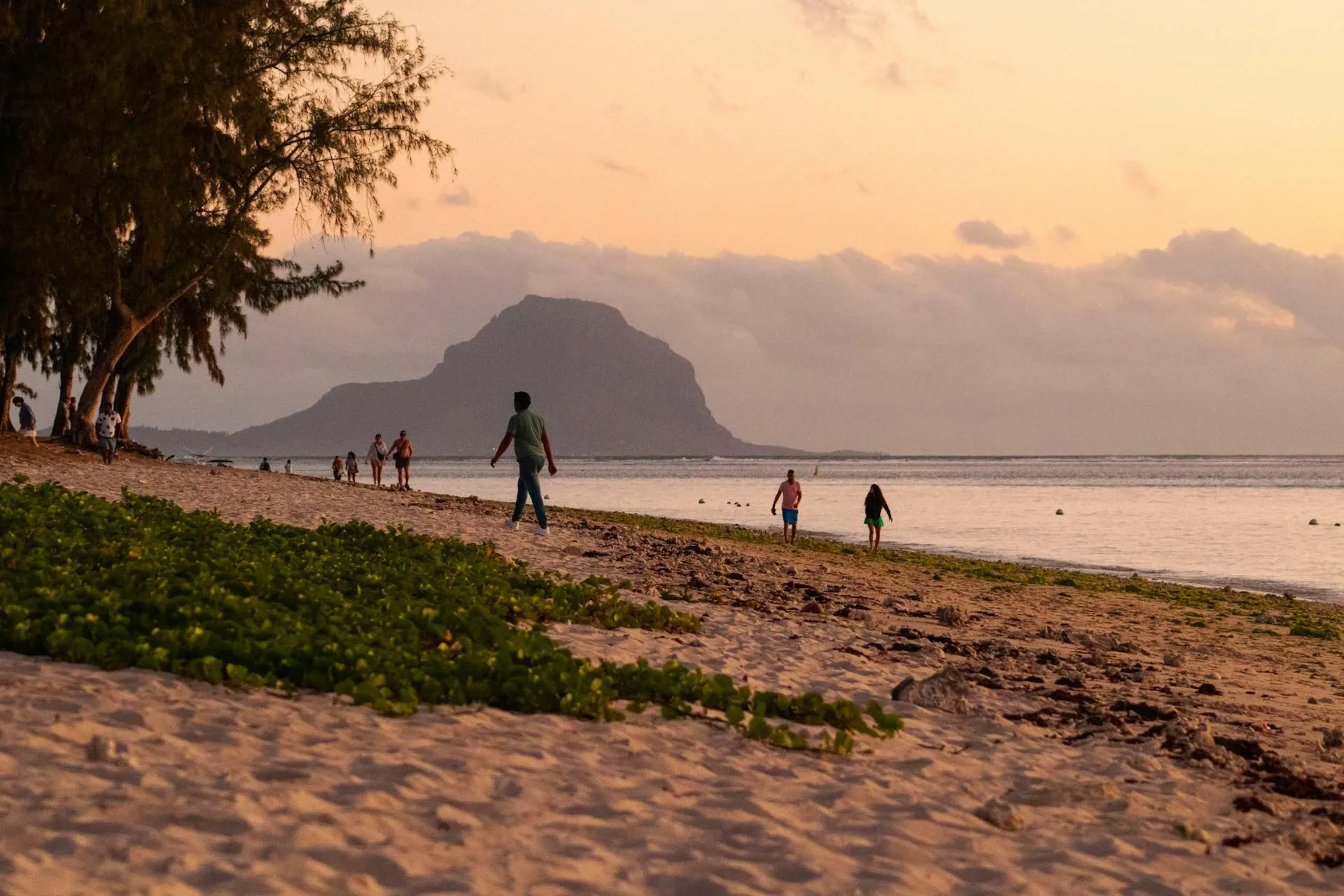
Pamplemousses District
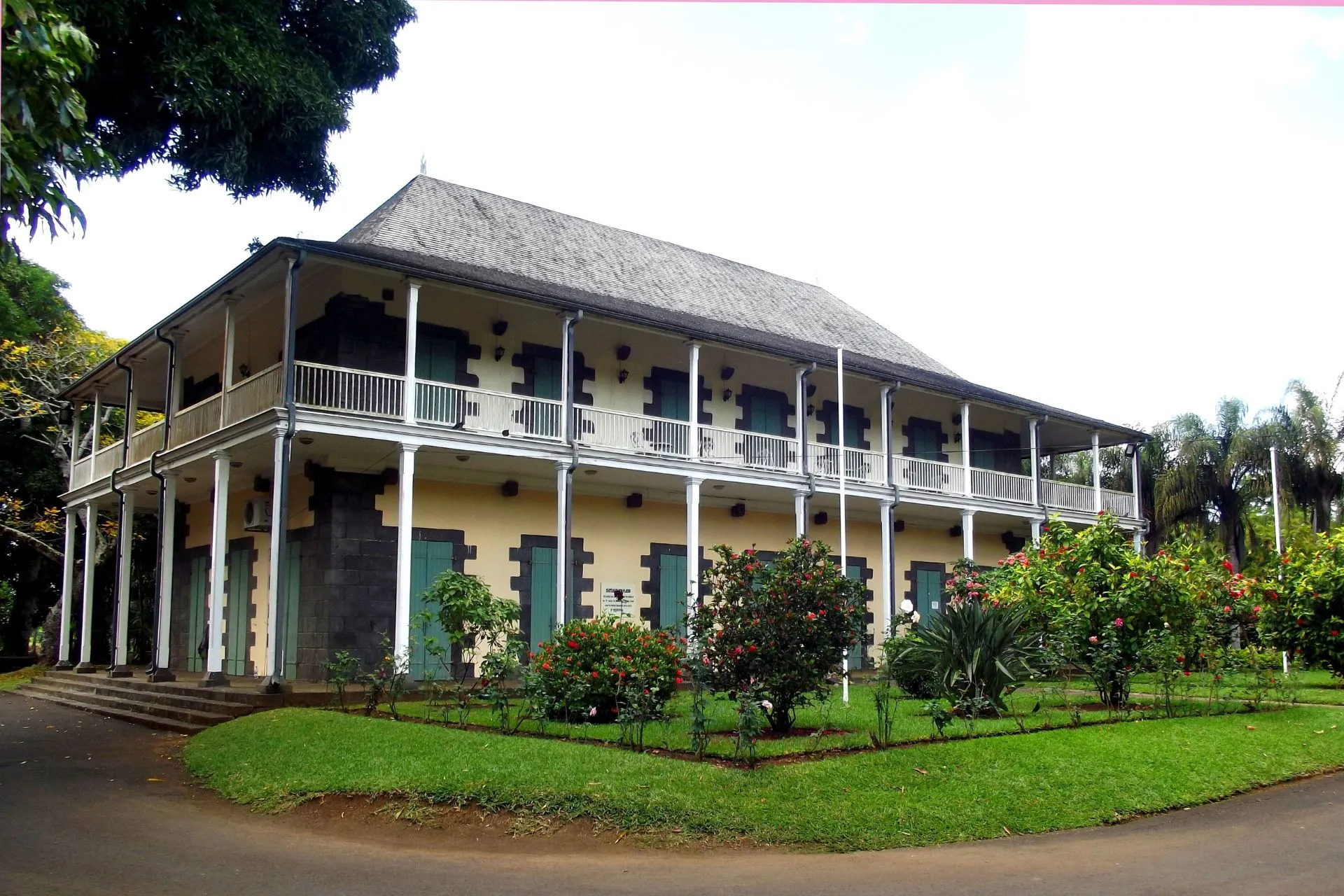
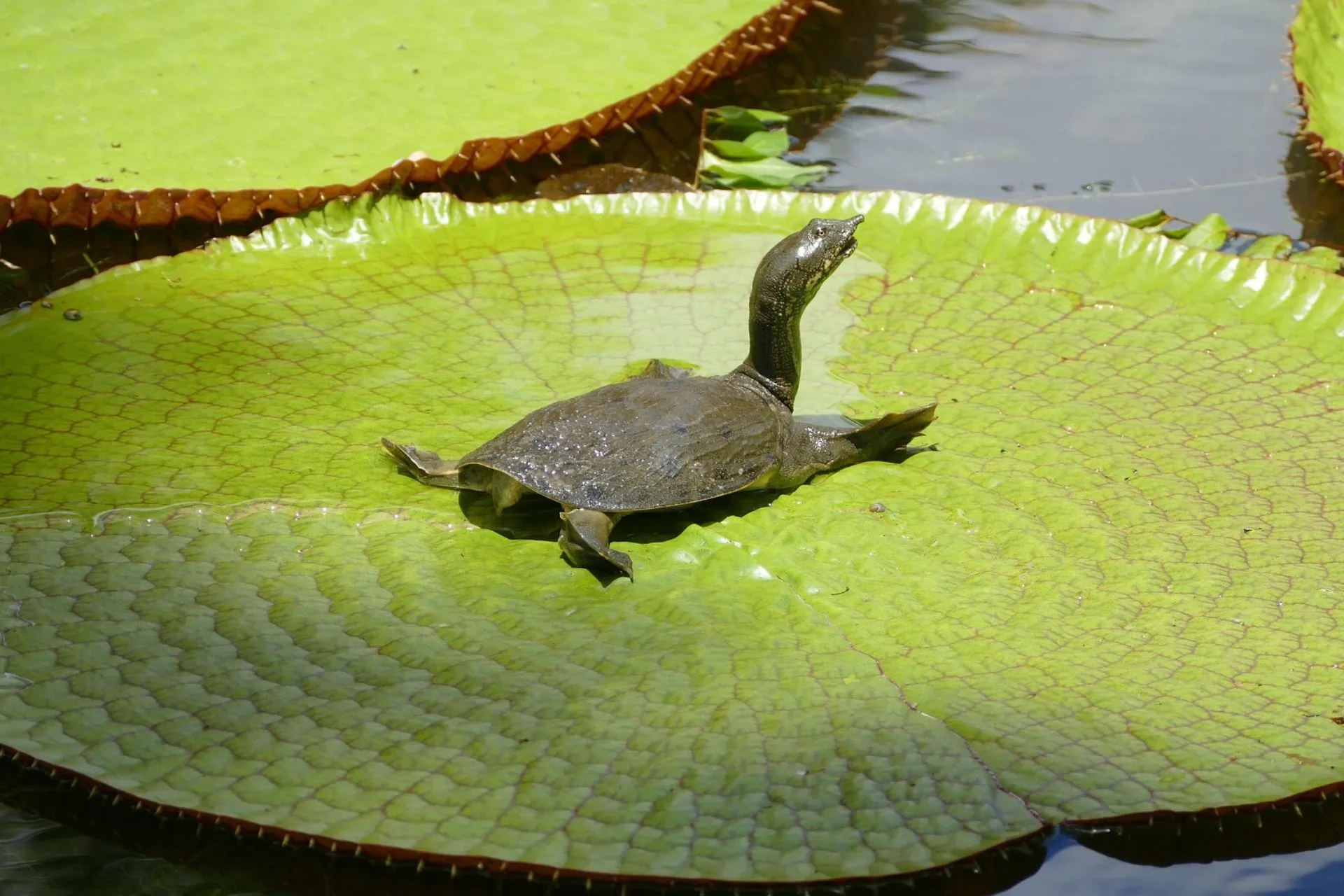
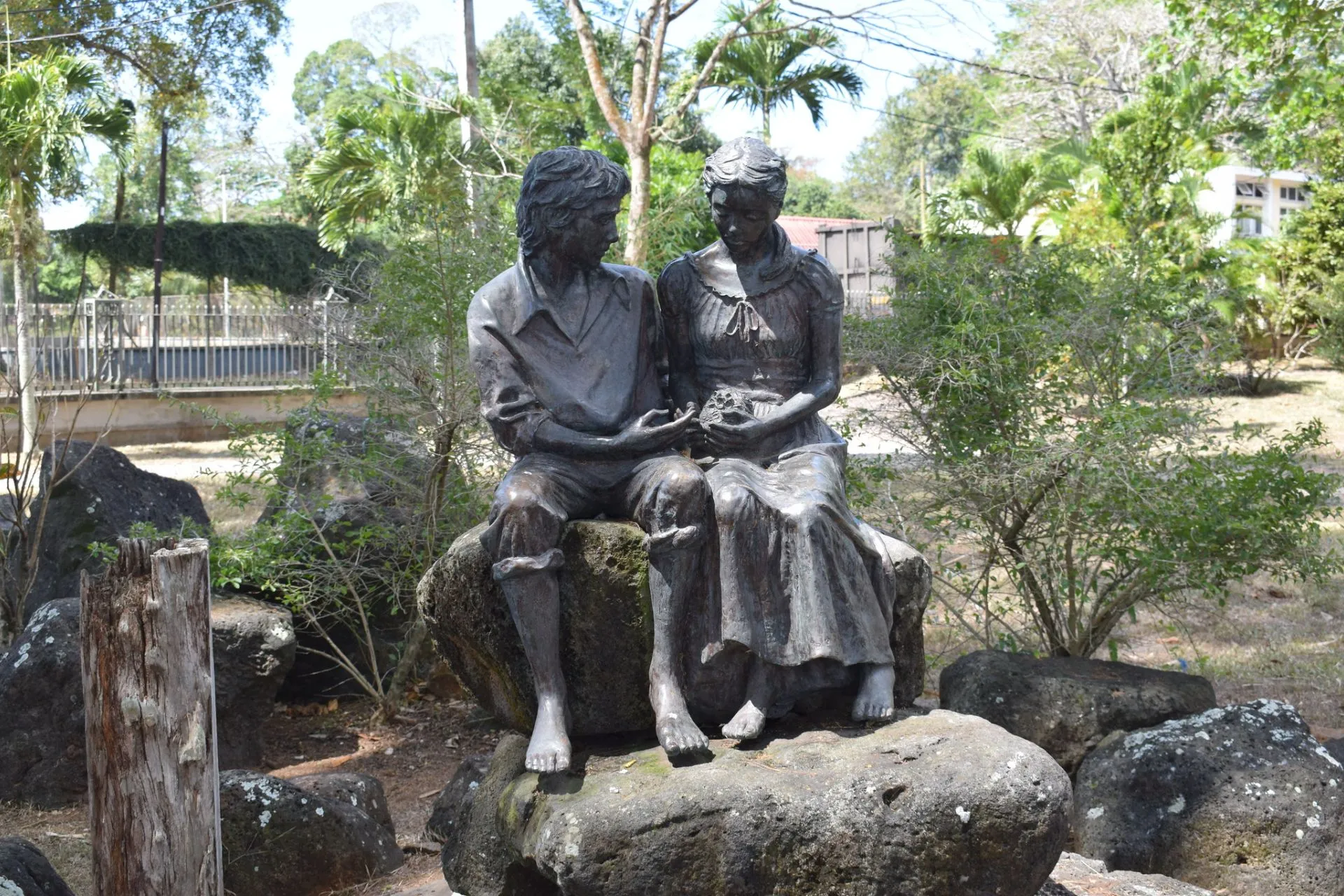
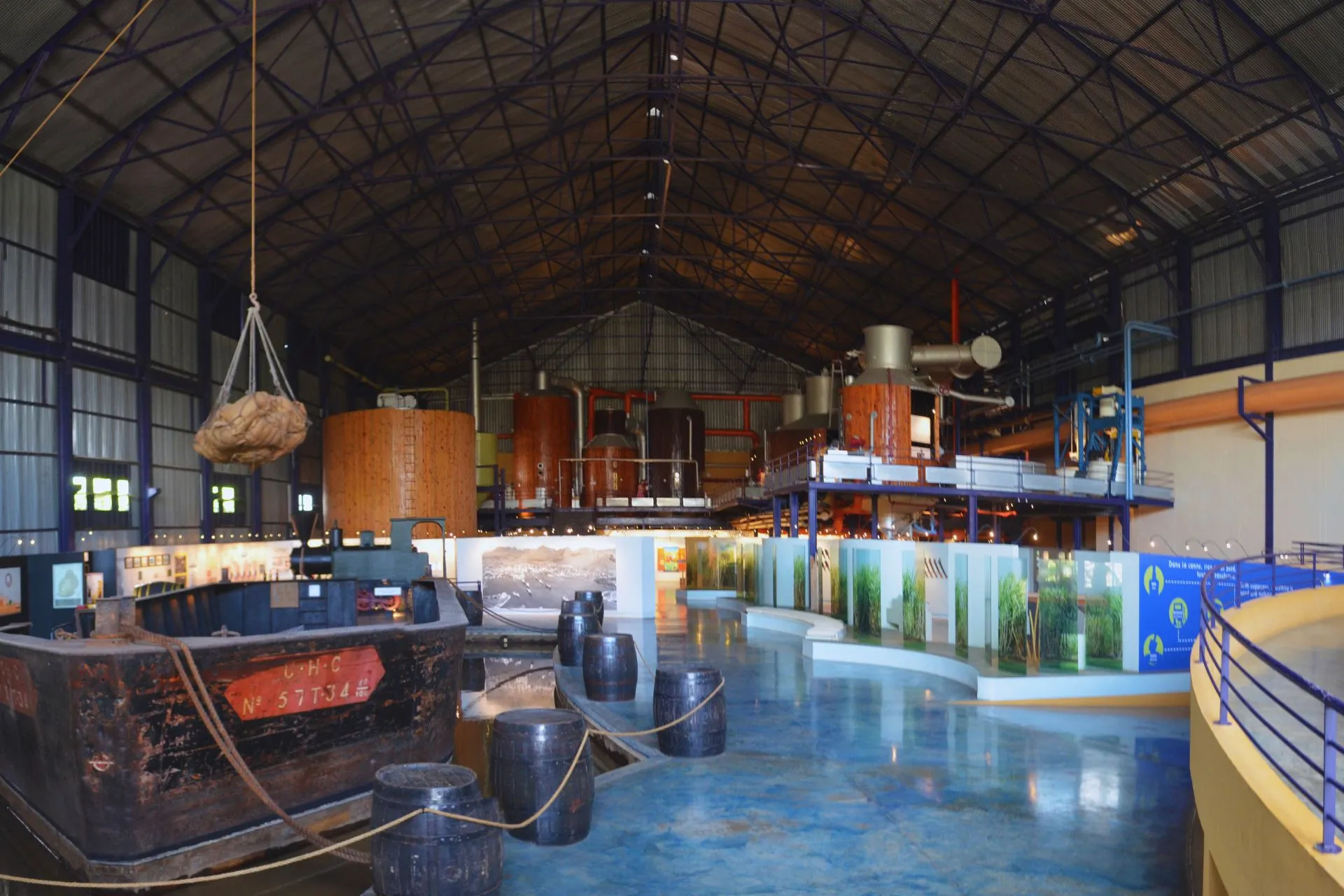
Located in the northwest of Mauritius, Pamplemousses District forms the verdant cultural and botanical heart of the northern interior. It stretches from the inland villages of Pamplemousses and Beau Plan to the calm northwest coastline, just a short 15mn drive from the northern beaches via the M2 highway. The district is best known for its world-renowned botanical garden, colonial-era sugar heritage, historic churches and many temples, with some of the most relaxed public beaches. Unlike the purely coastal focus of neighbouring Rivière du Rempart, Pamplemousses offers a balanced inland experience blending nature, deep historical insight into Mauritius’ plantation past, and Hindu spiritual sites, making it an essential half-day or full-day stop for anyone seeking to understand the island beyond its lagoons.
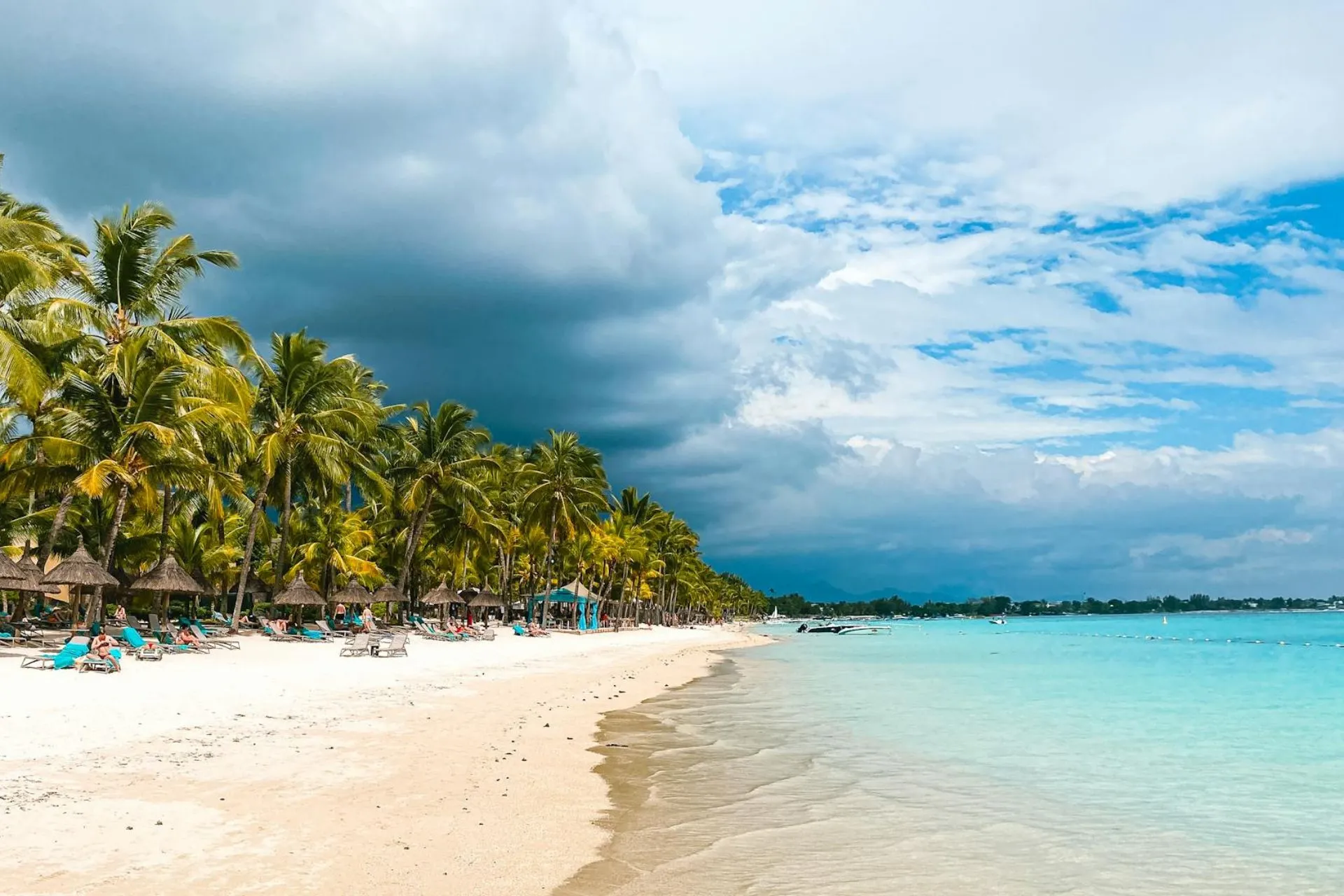
-
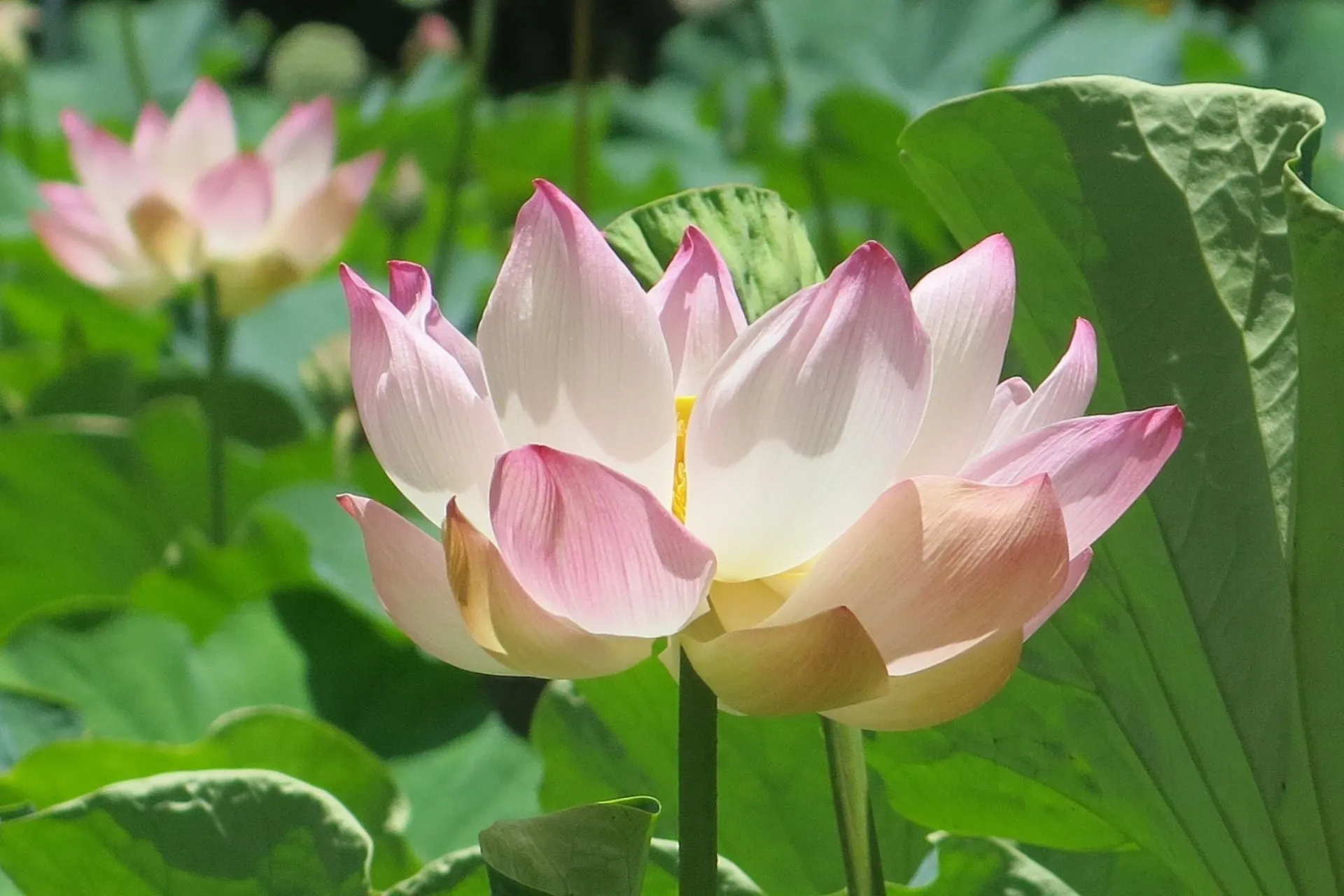
Sir Seewoosagur Ramgoolam Botanical Garden:
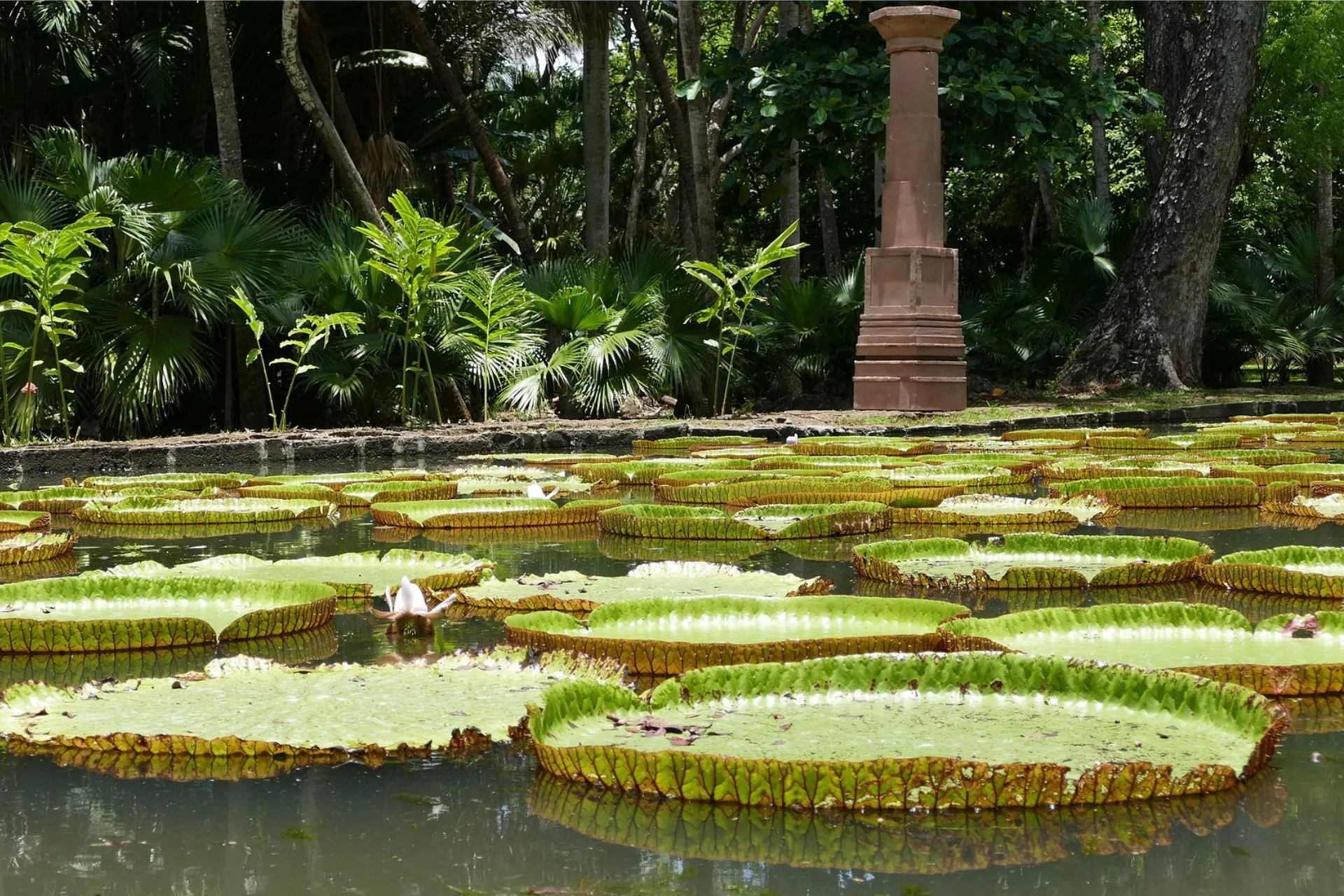
Nici Keil (Pixabay) -
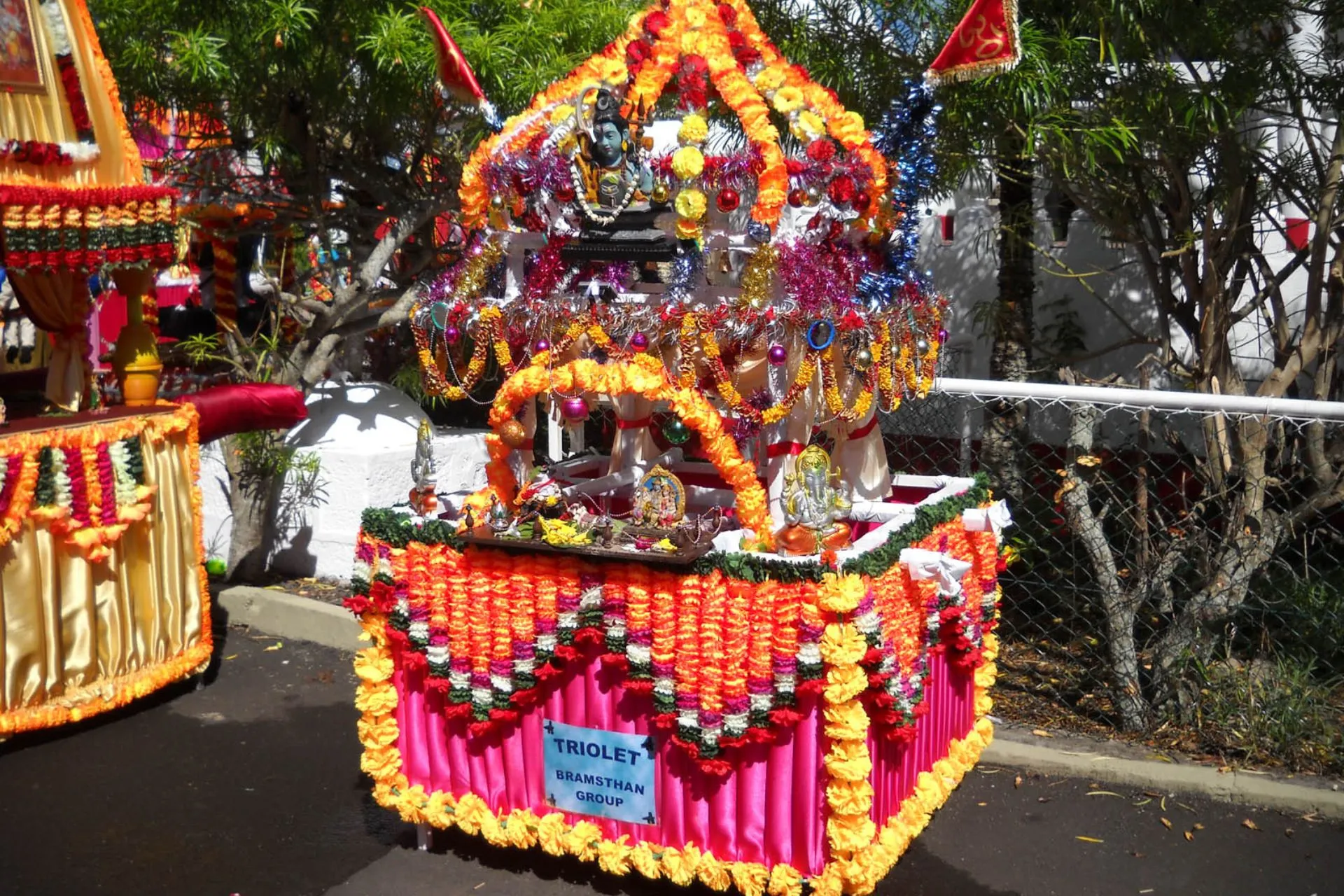
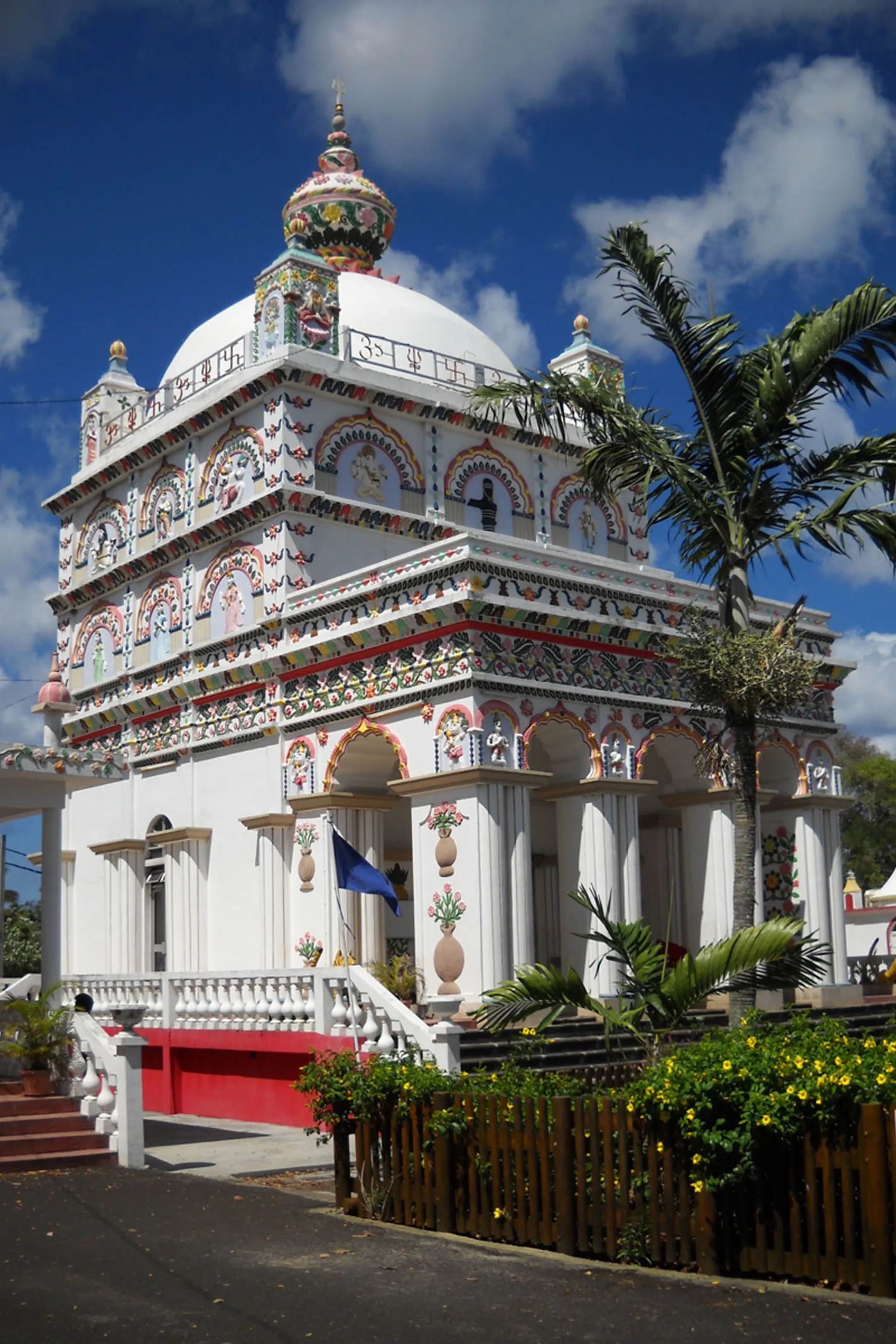
Maheswarnath Mandir:
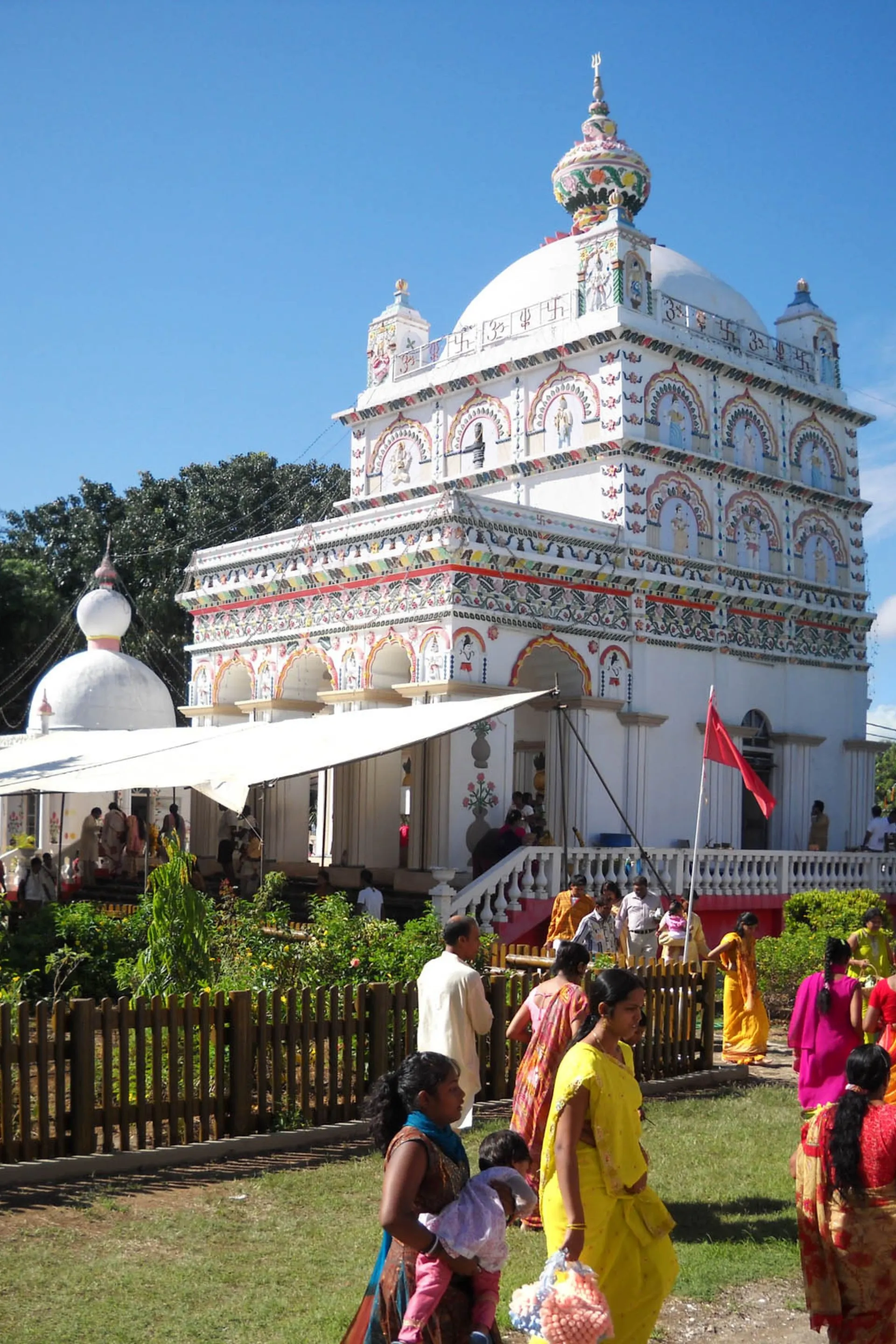
carrotmadman6 (Flickr) CC BY-SA 2.0 -
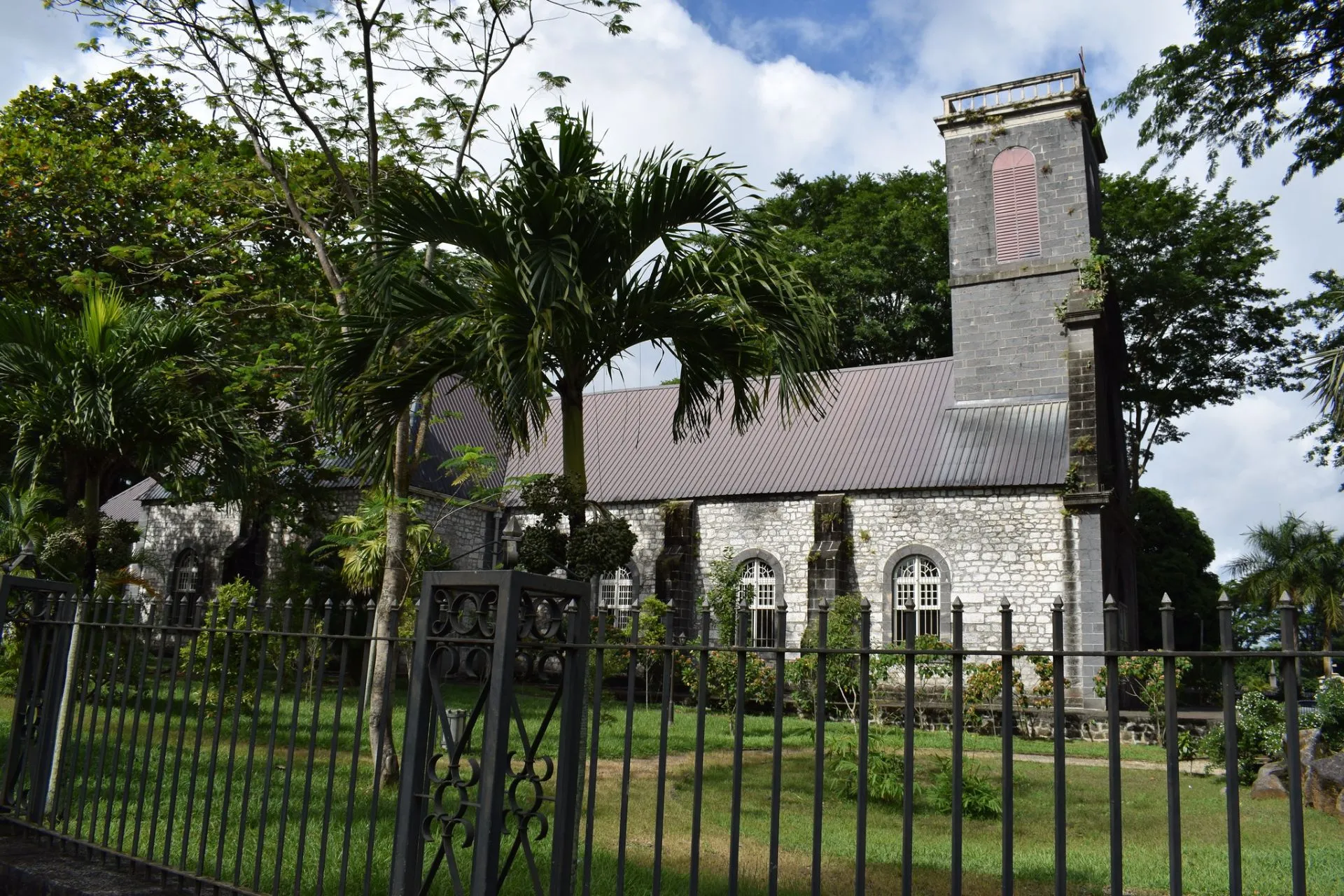
St Francis of Assisi Church:
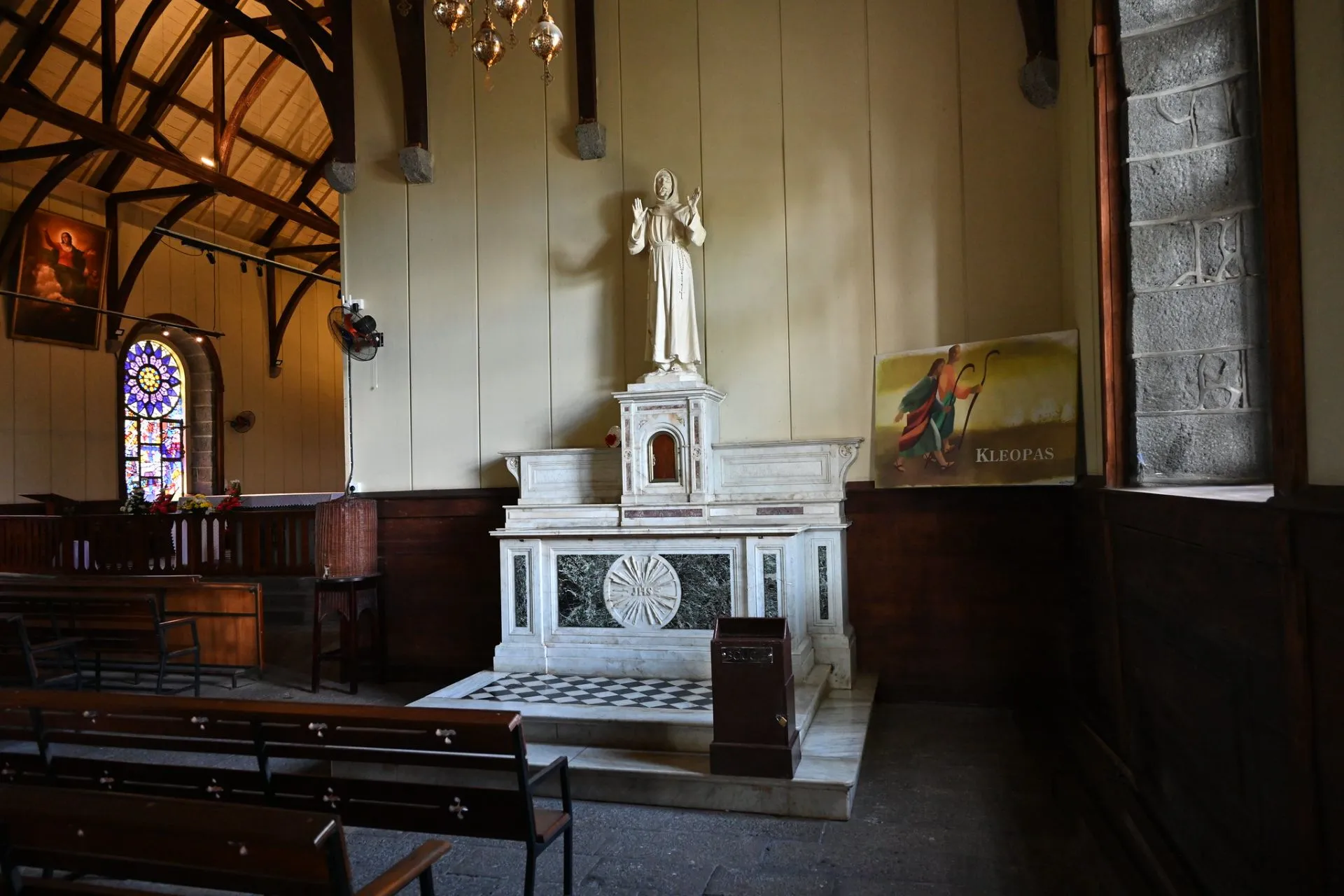
Historic Mauritius (Flickr) CC BY-NC-ND 2.0 -
L'Aventure du Sucre:
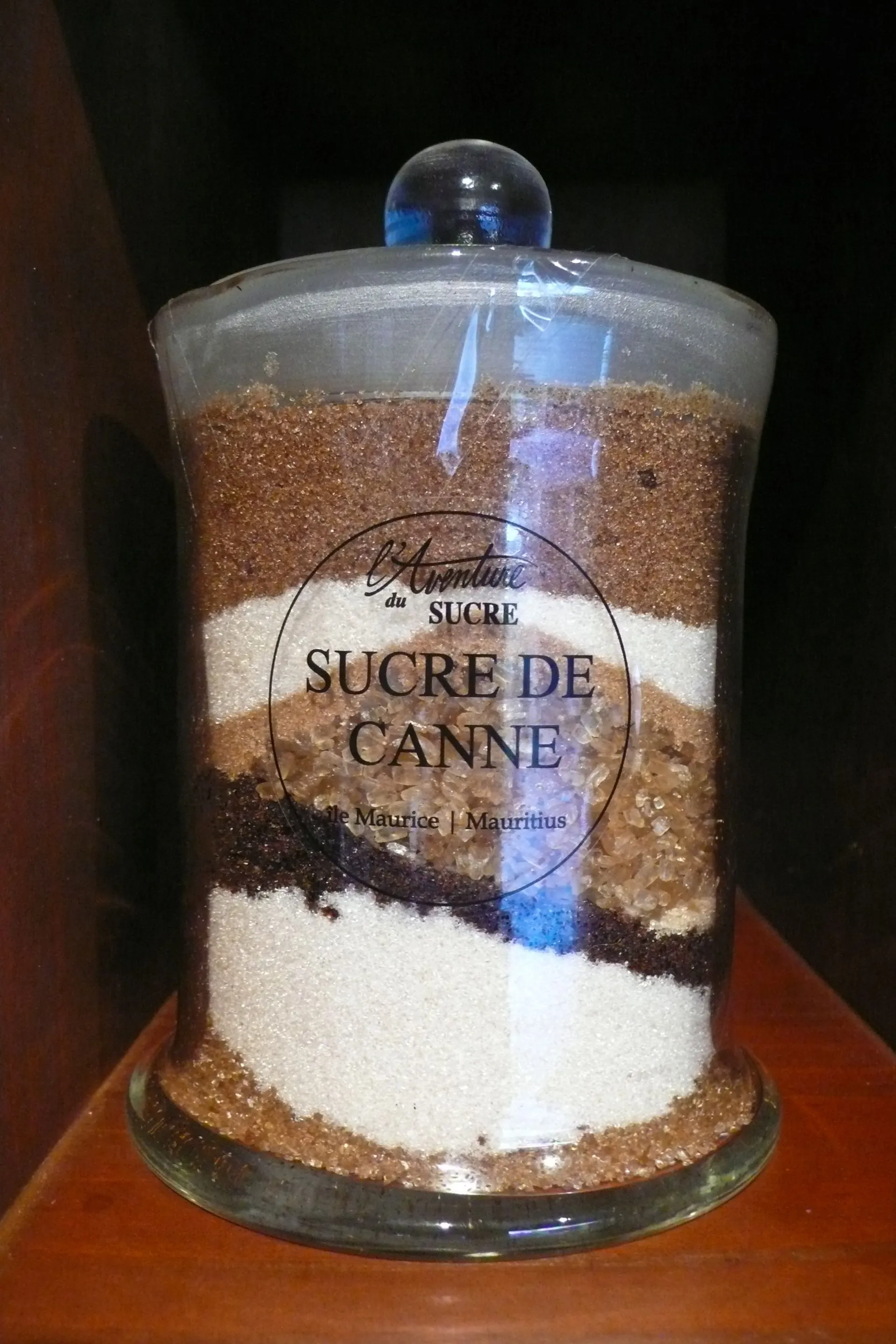
Karsten11 (Flickr) CC BY-NC-ND 2.0 -
Mont Choisy Public Beach:
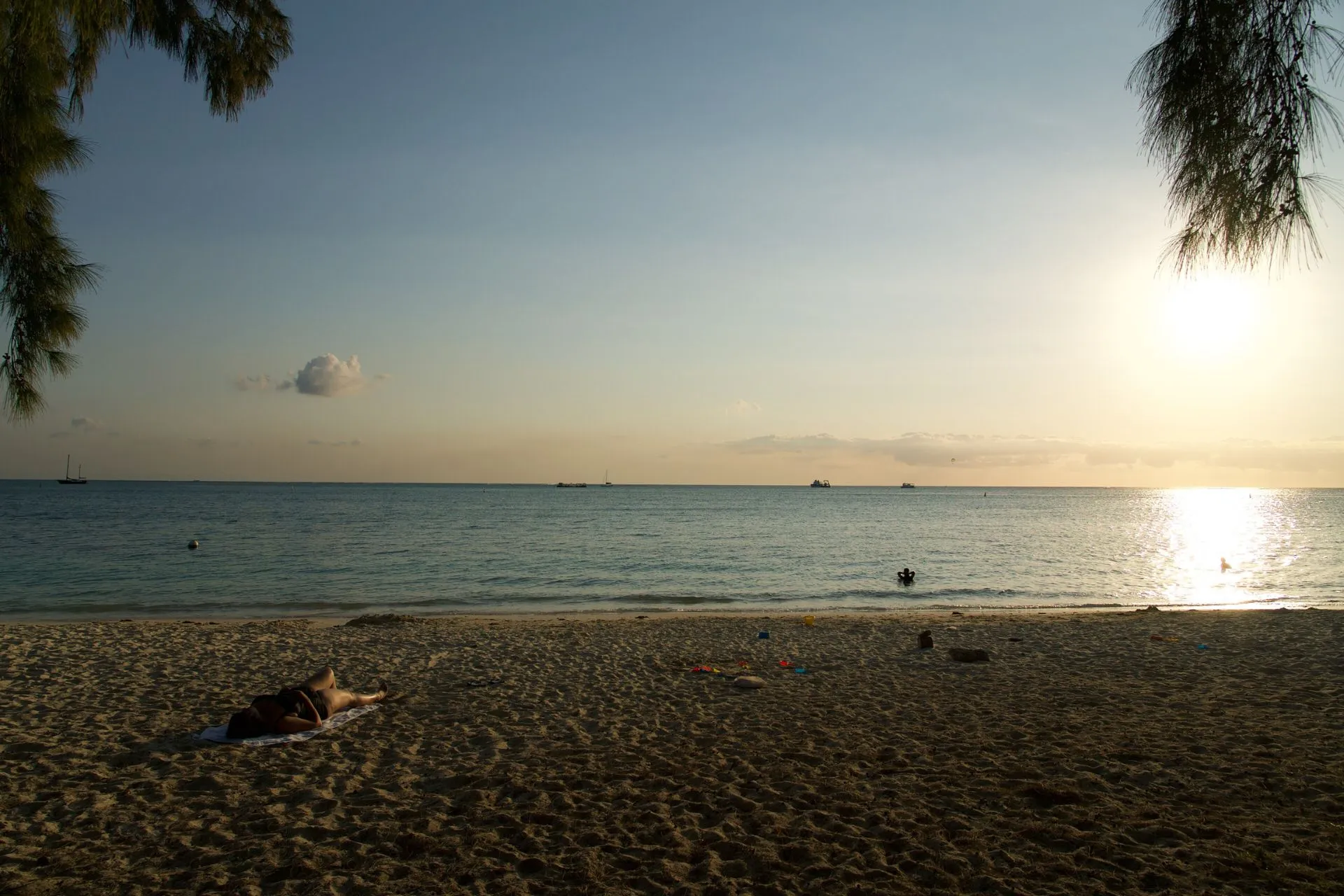
Ifeatu Nnaobi (Wikimedia) CC BY-SA 4.0
Grand Port
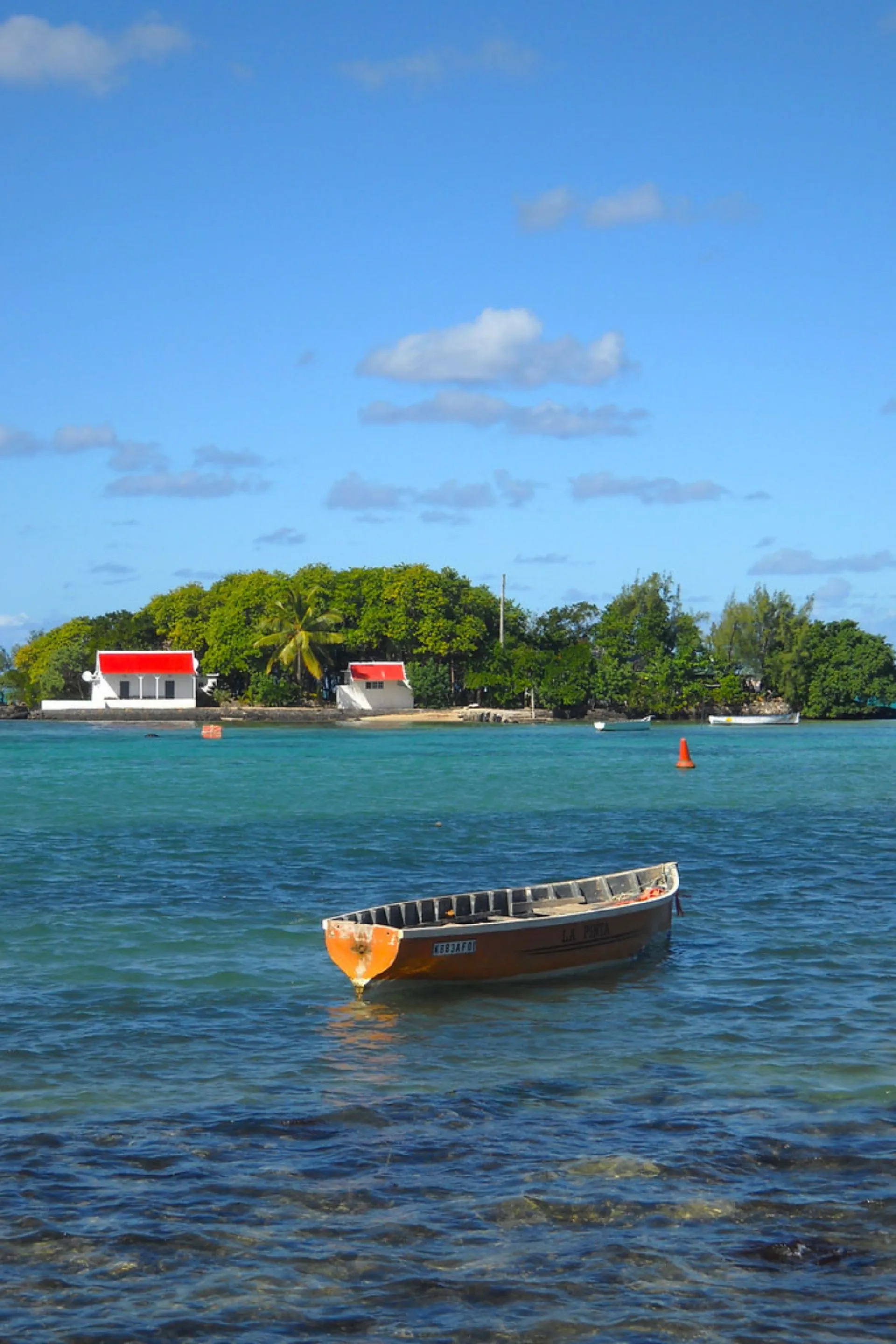
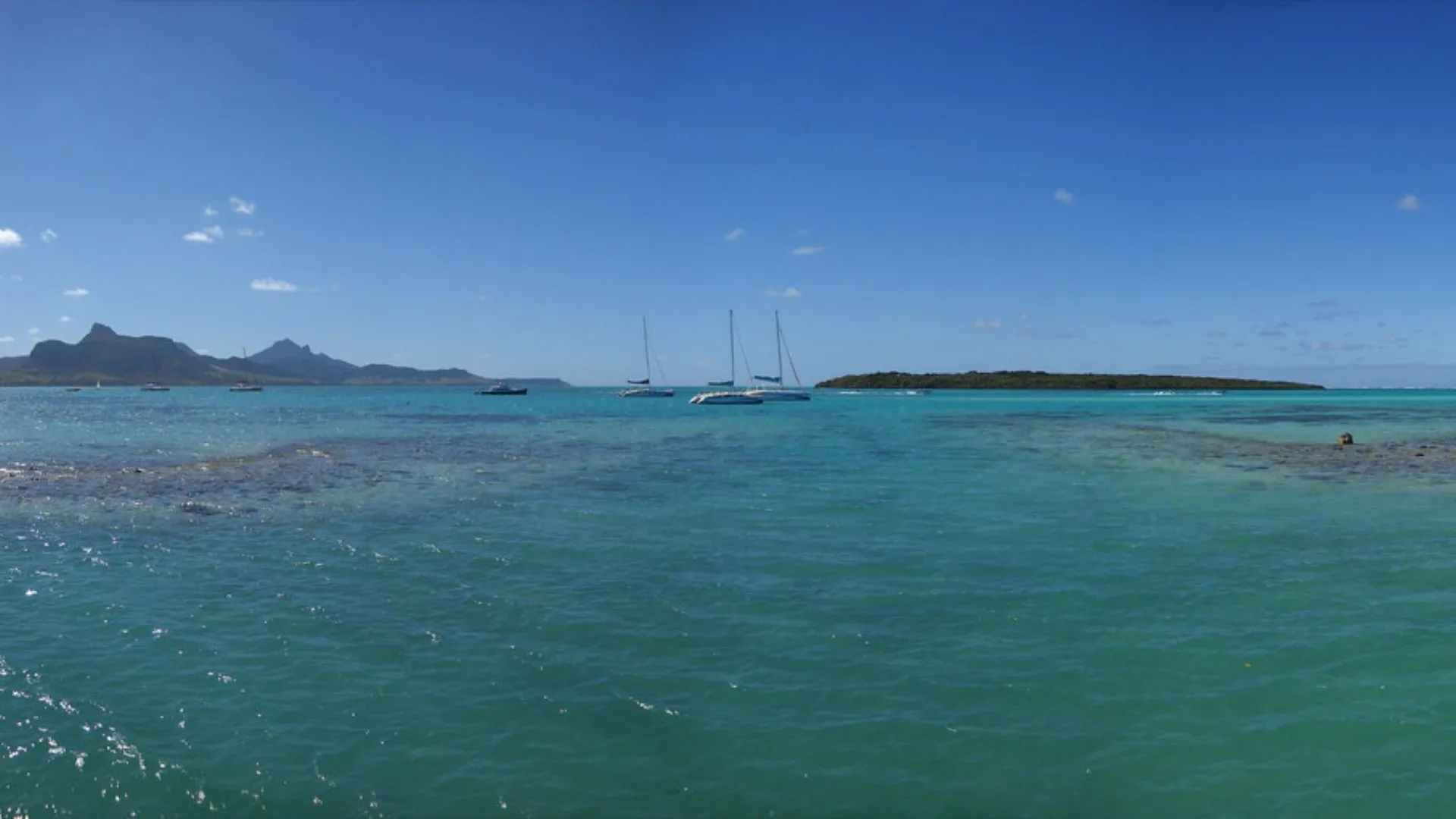
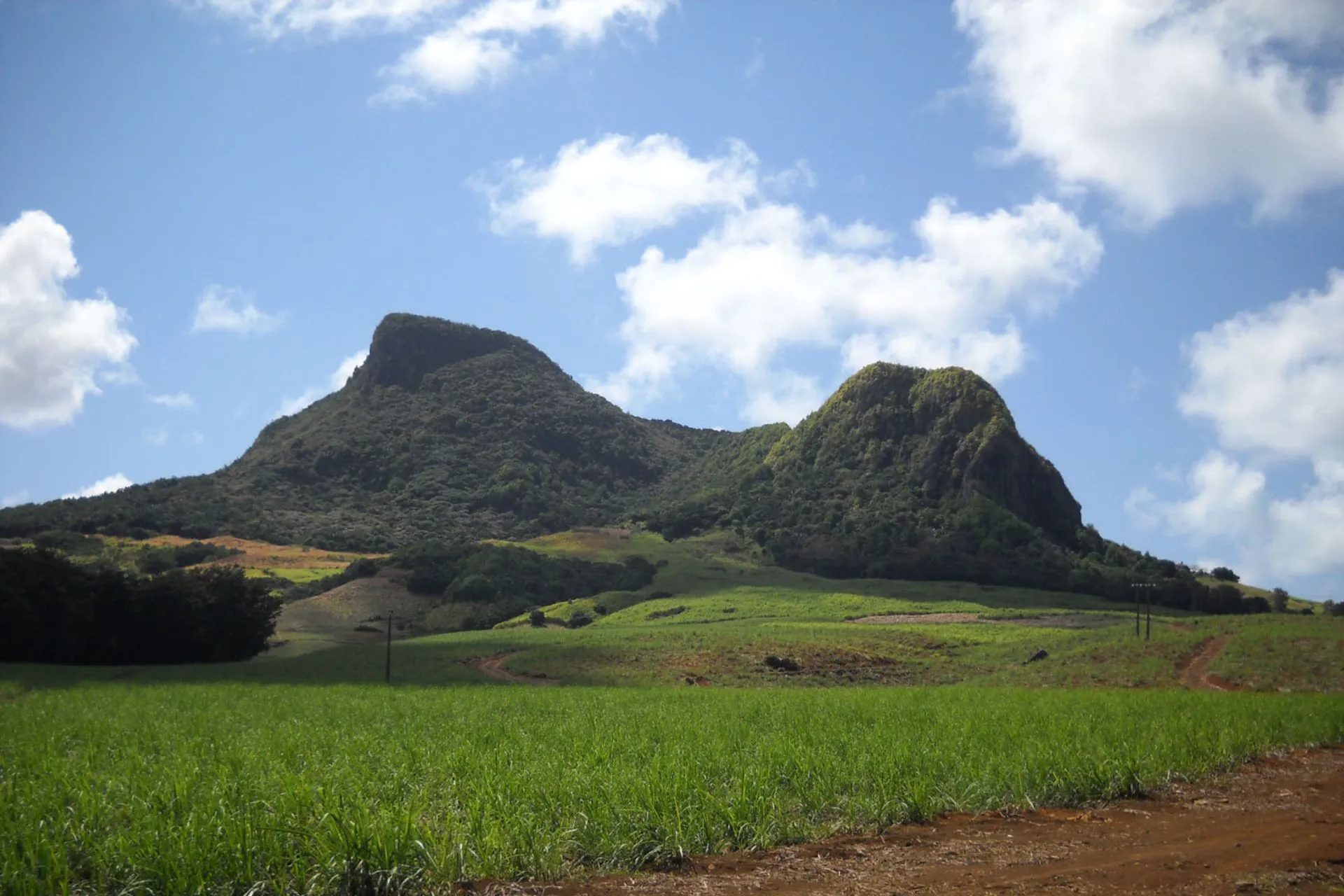
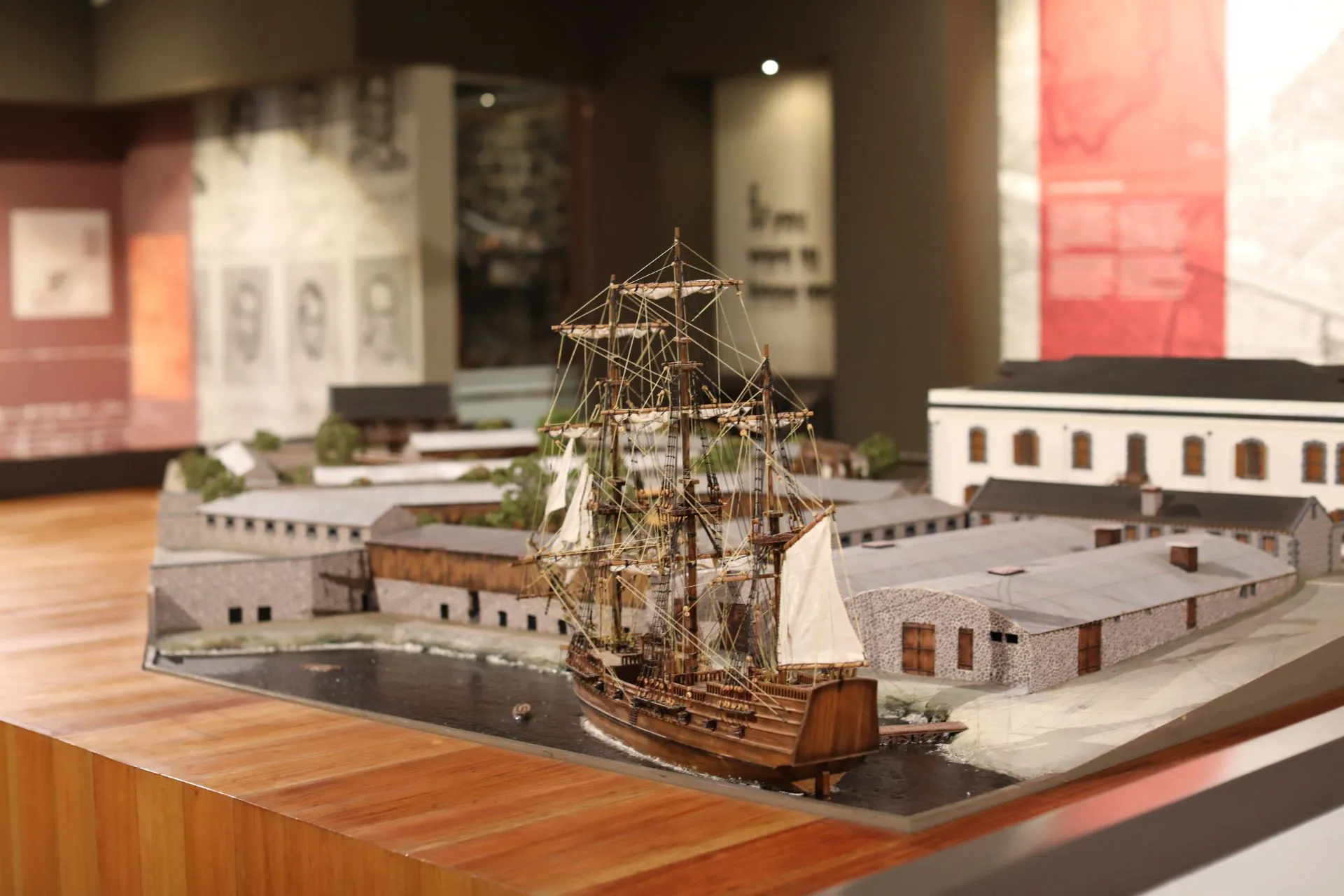
Located on the southeastern coast of Mauritius, Grand Port is one of the most historically significant regions on the island, considered the birthplace of its early colonial settlement. Sheltered by a vast lagoon and protected by a chain of offshore islets, the area offered a strategic anchorage that first attracted Dutch settlers in the 17th century, followed by the French and later the British. Grand Port is best known for the Battle of Grand Port in 1810, the only naval victory of Napoleon over the British, which took place in these very waters. Remnants of this past can still be felt across the region, from coastal viewpoints to historic sites scattered around Mahébourg and Vieux Grand Port.
-
Ile aux Aigrettes:
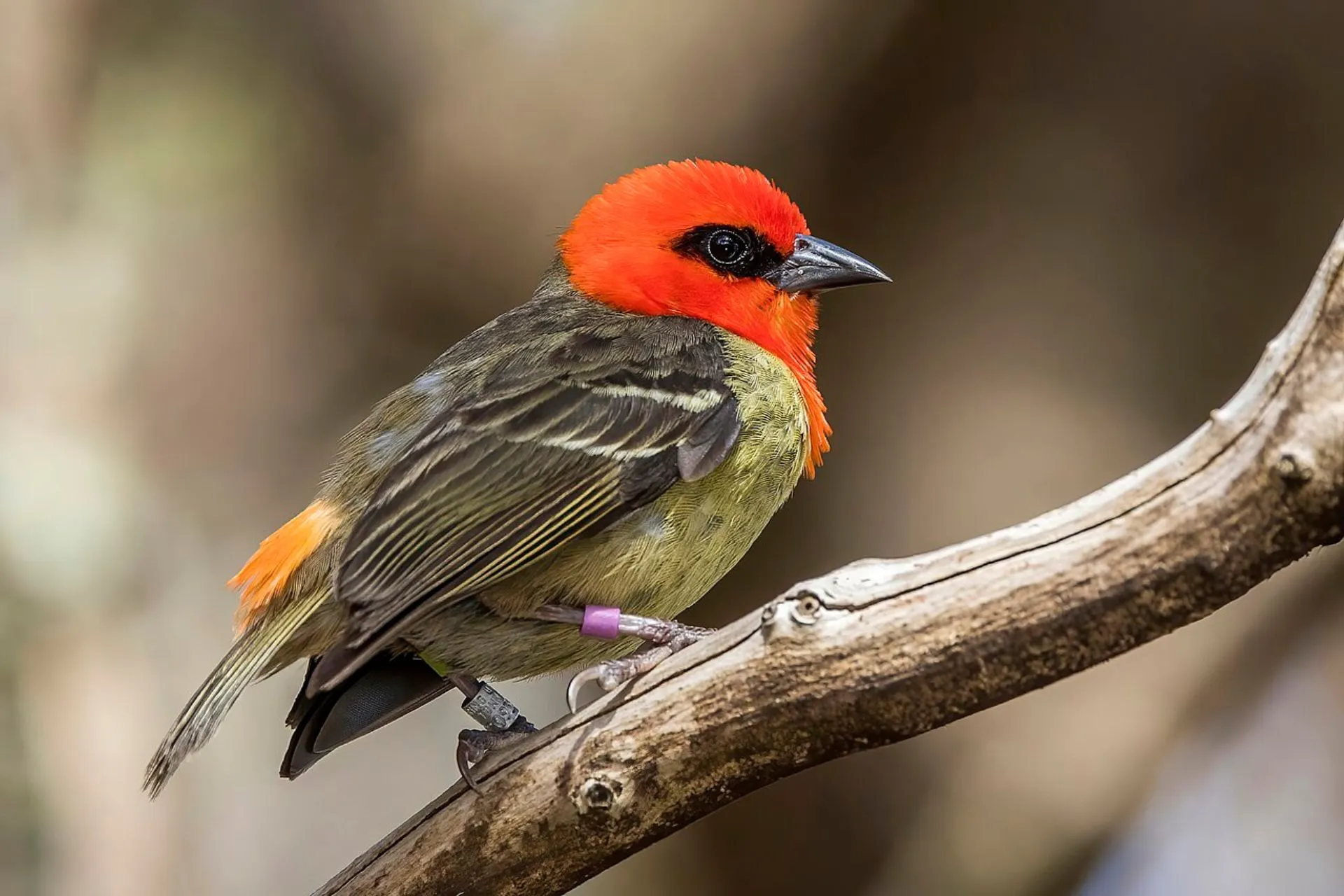
Charles J. Sharp (Wikimedia) CC BY-SA 4.0 -
Mahébourg:
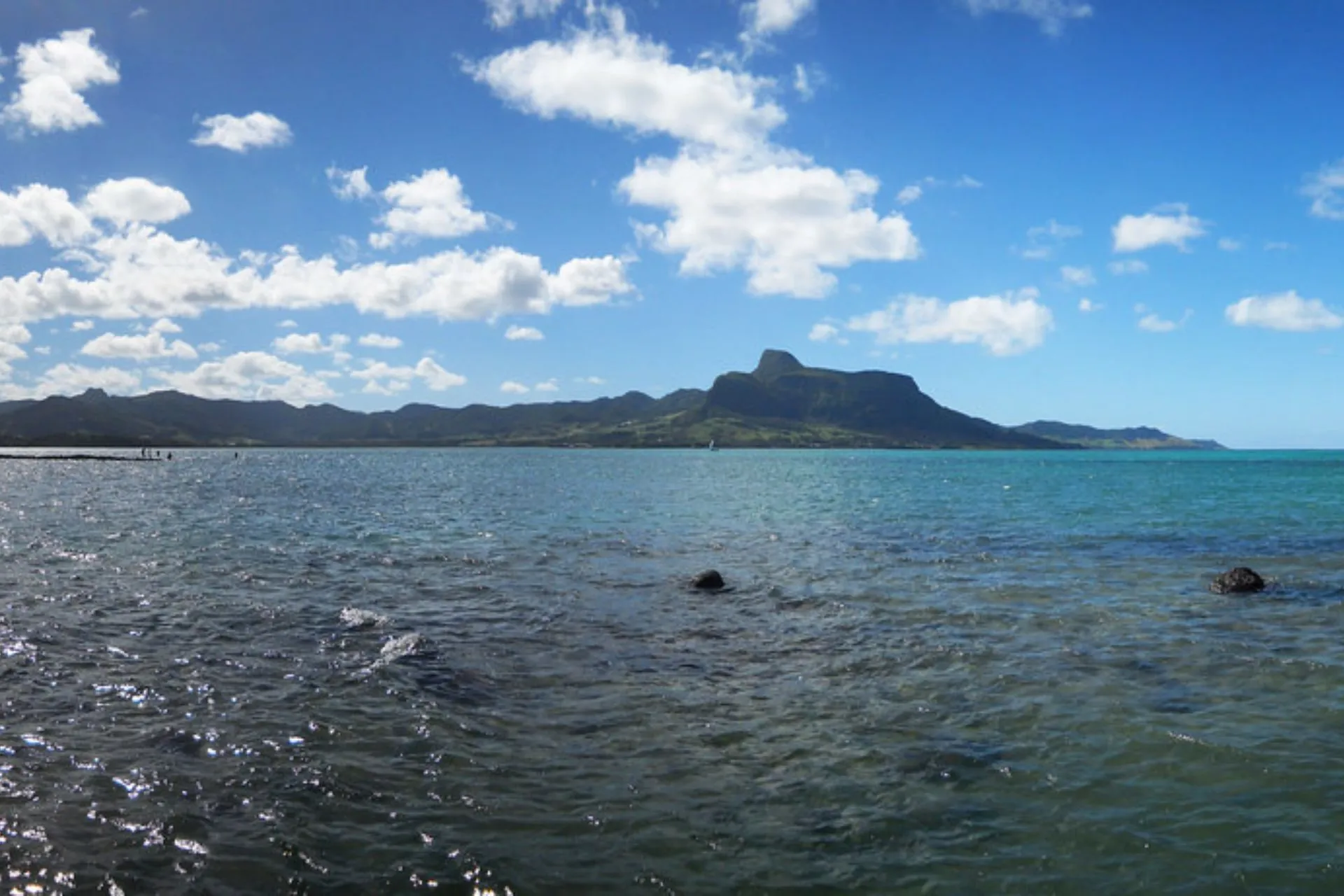
carrotmadman6 (Flickr) CC BY-SA 2.0 -
Lion Mountain:
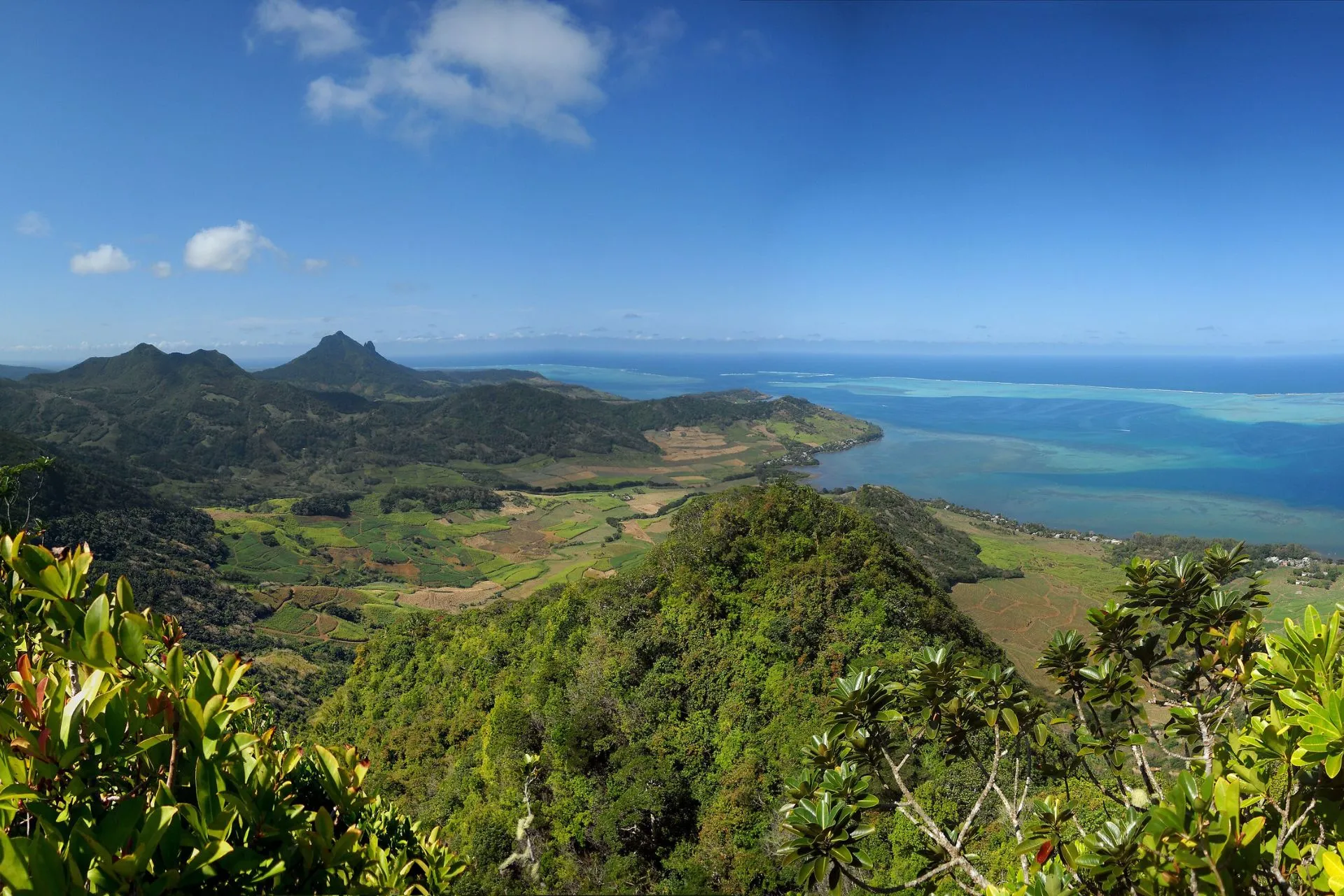
carrotmadman6 (Flickr) CC BY-SA 2.0 -
Frederik Hendrik Museum:
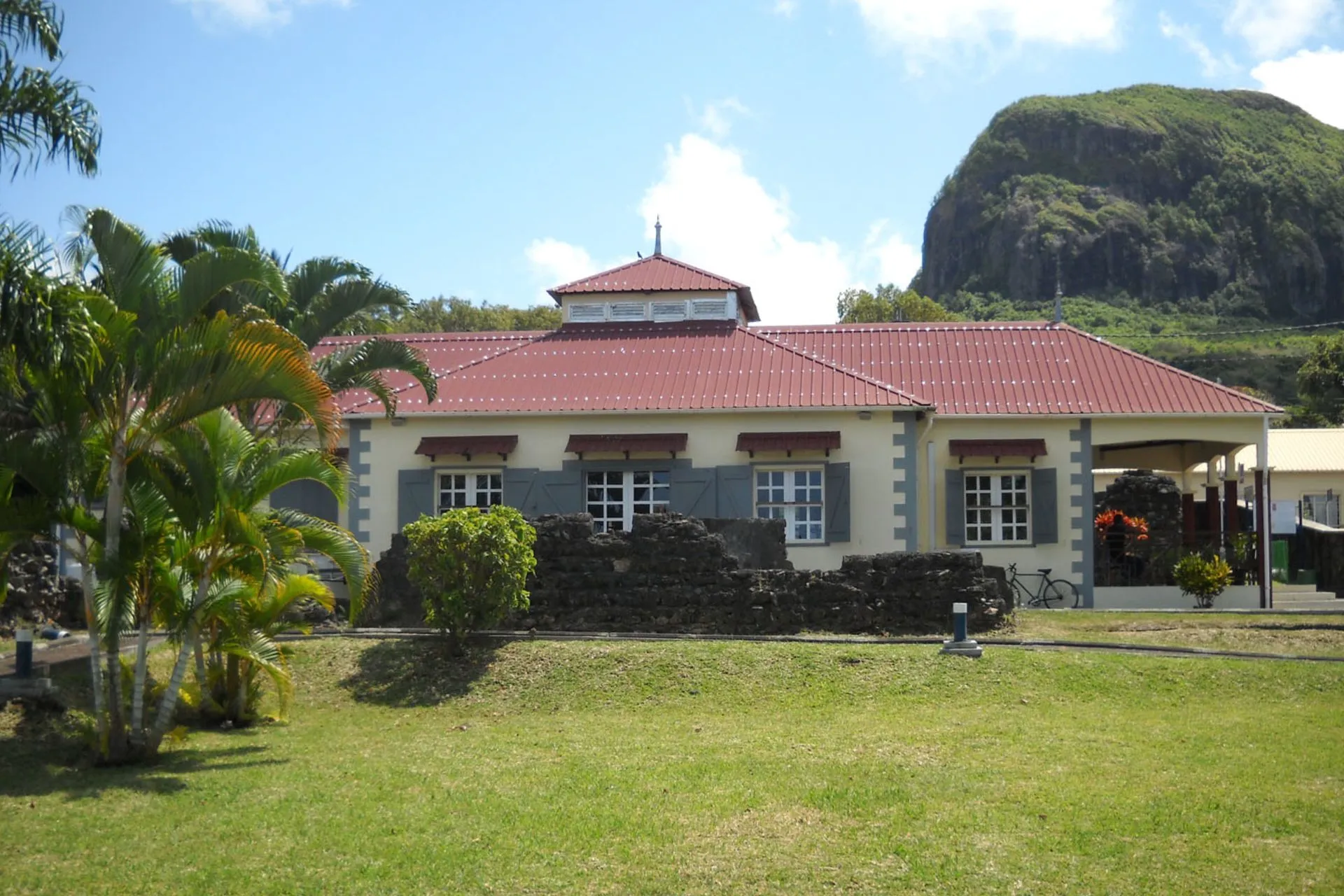
carrotmadman6 (Flickr) CC BY-SA 2.0
Port Louis
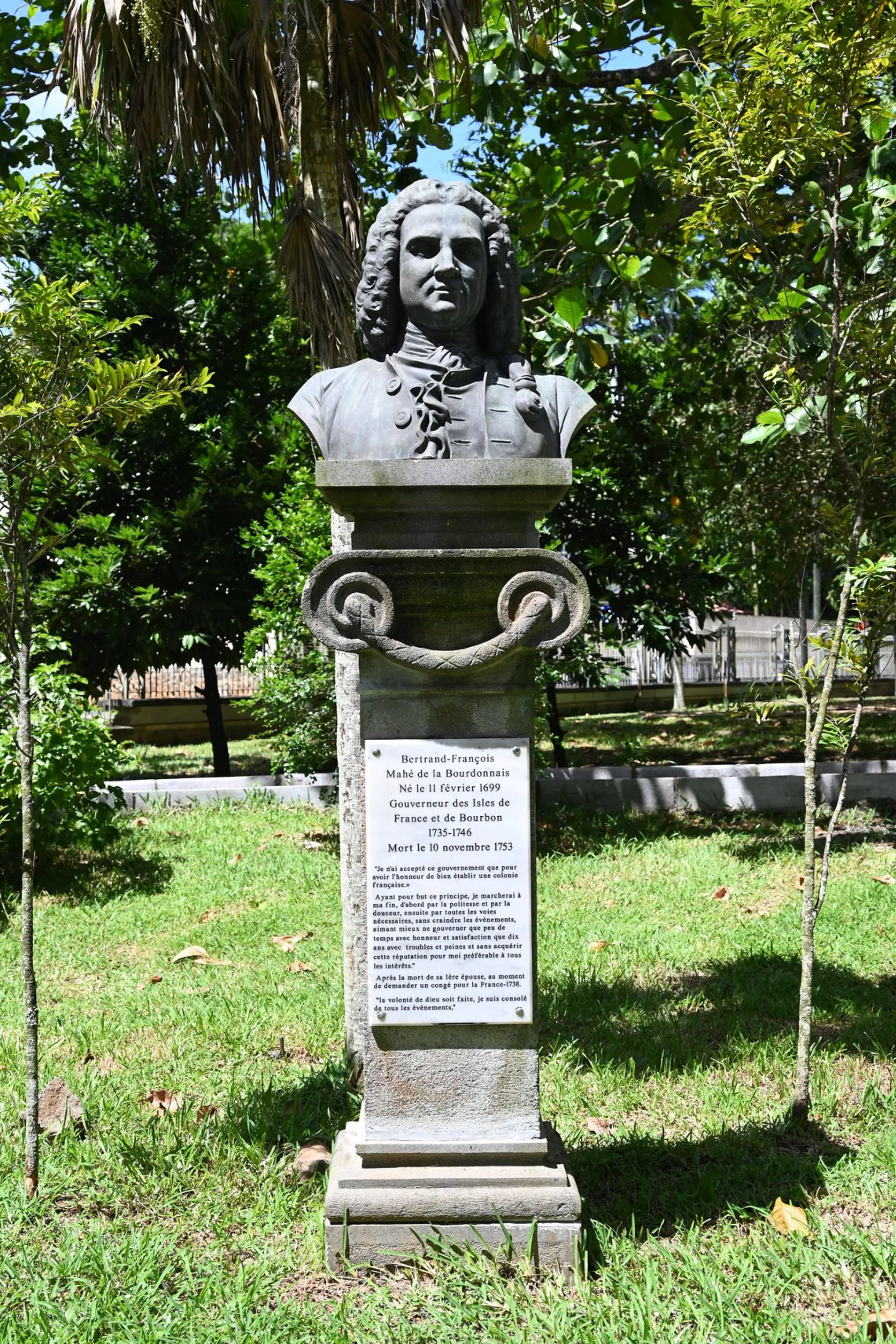
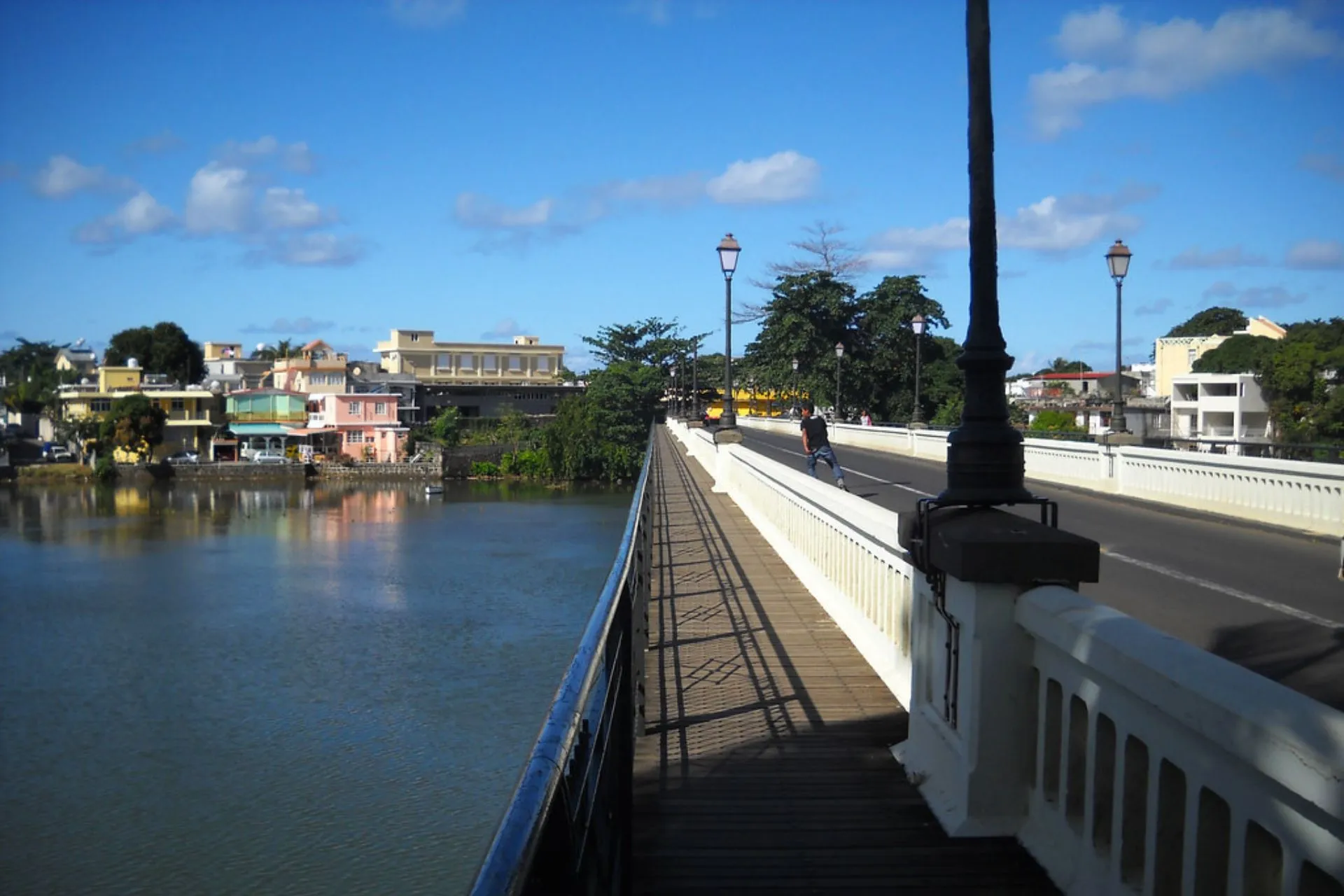
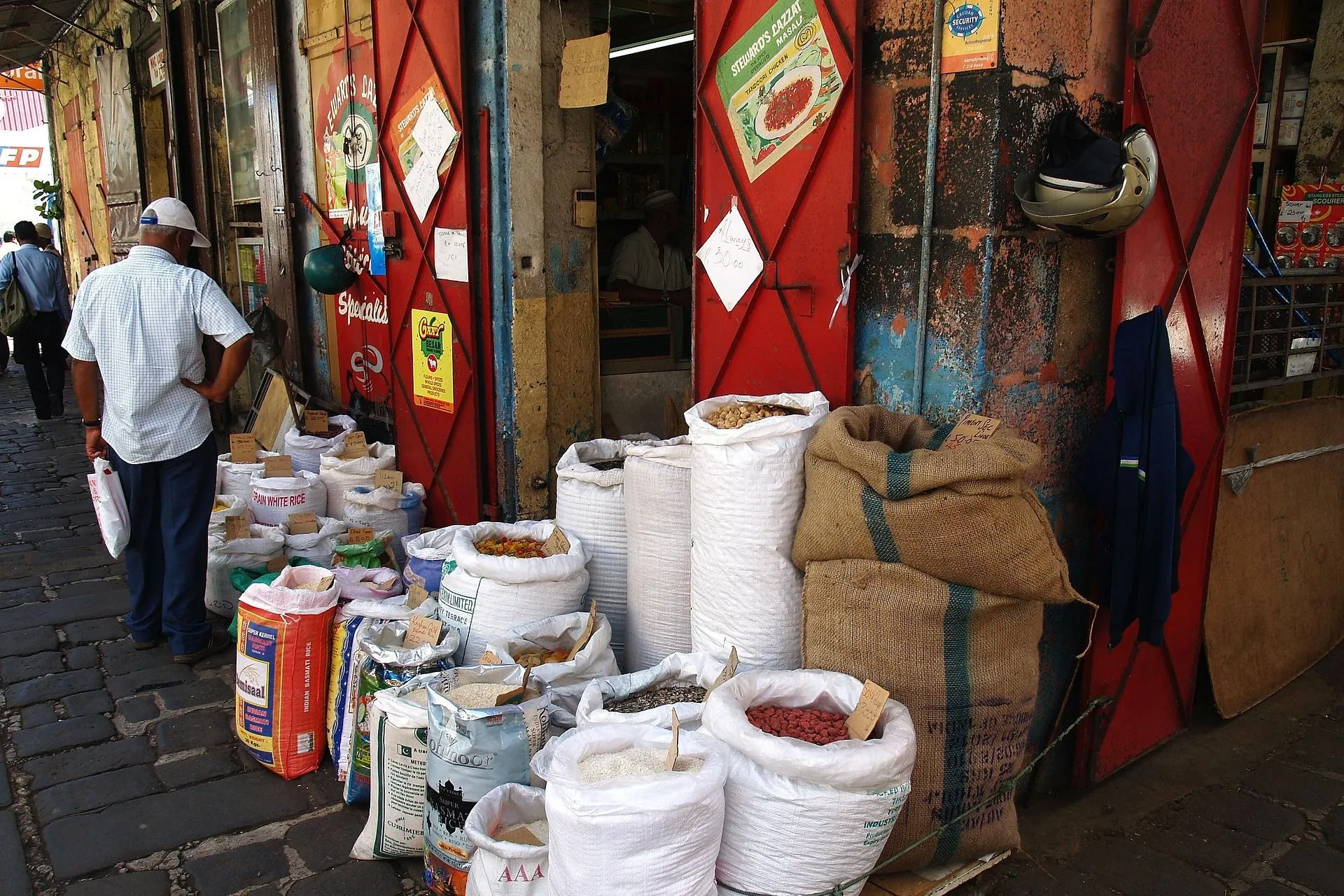
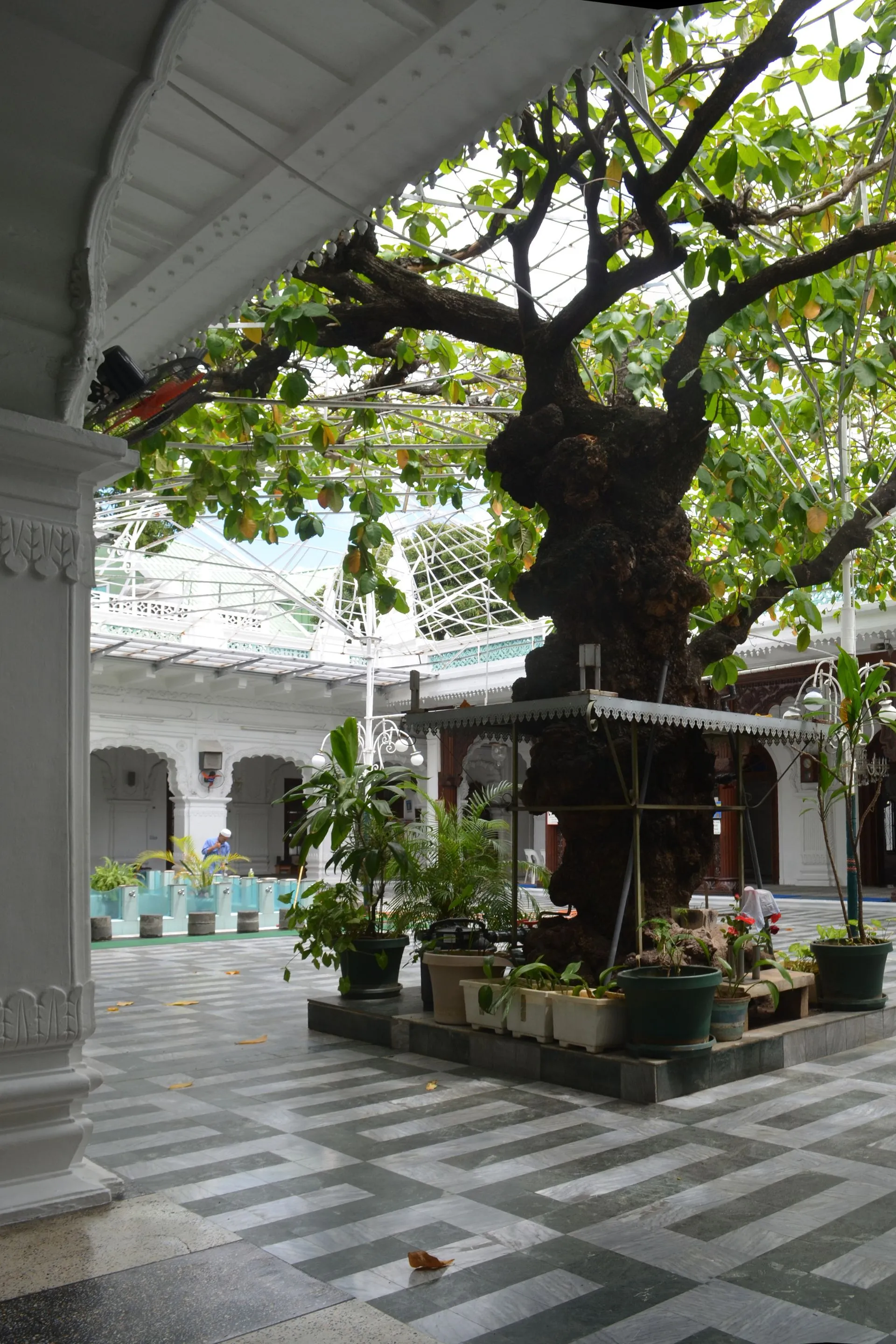
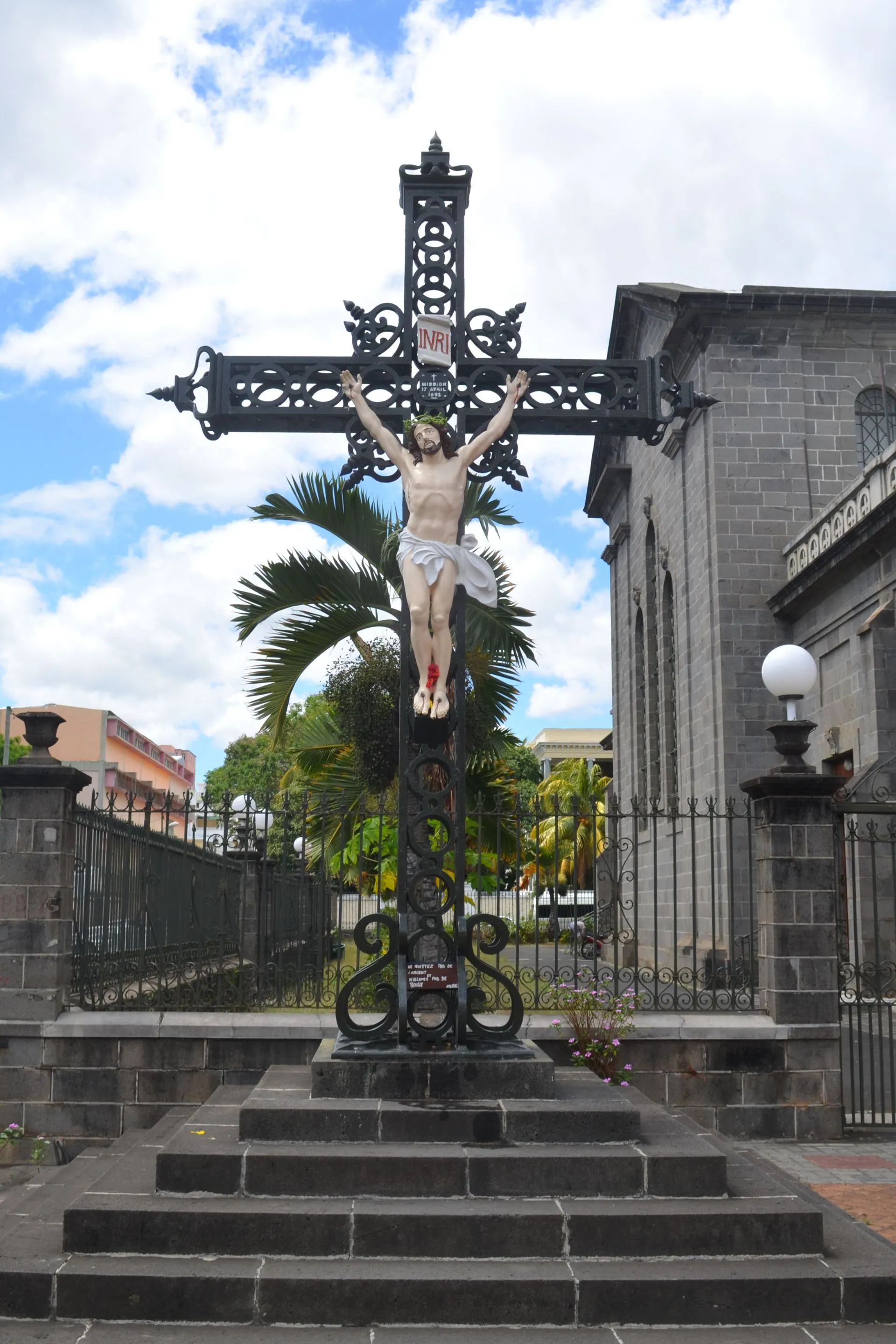
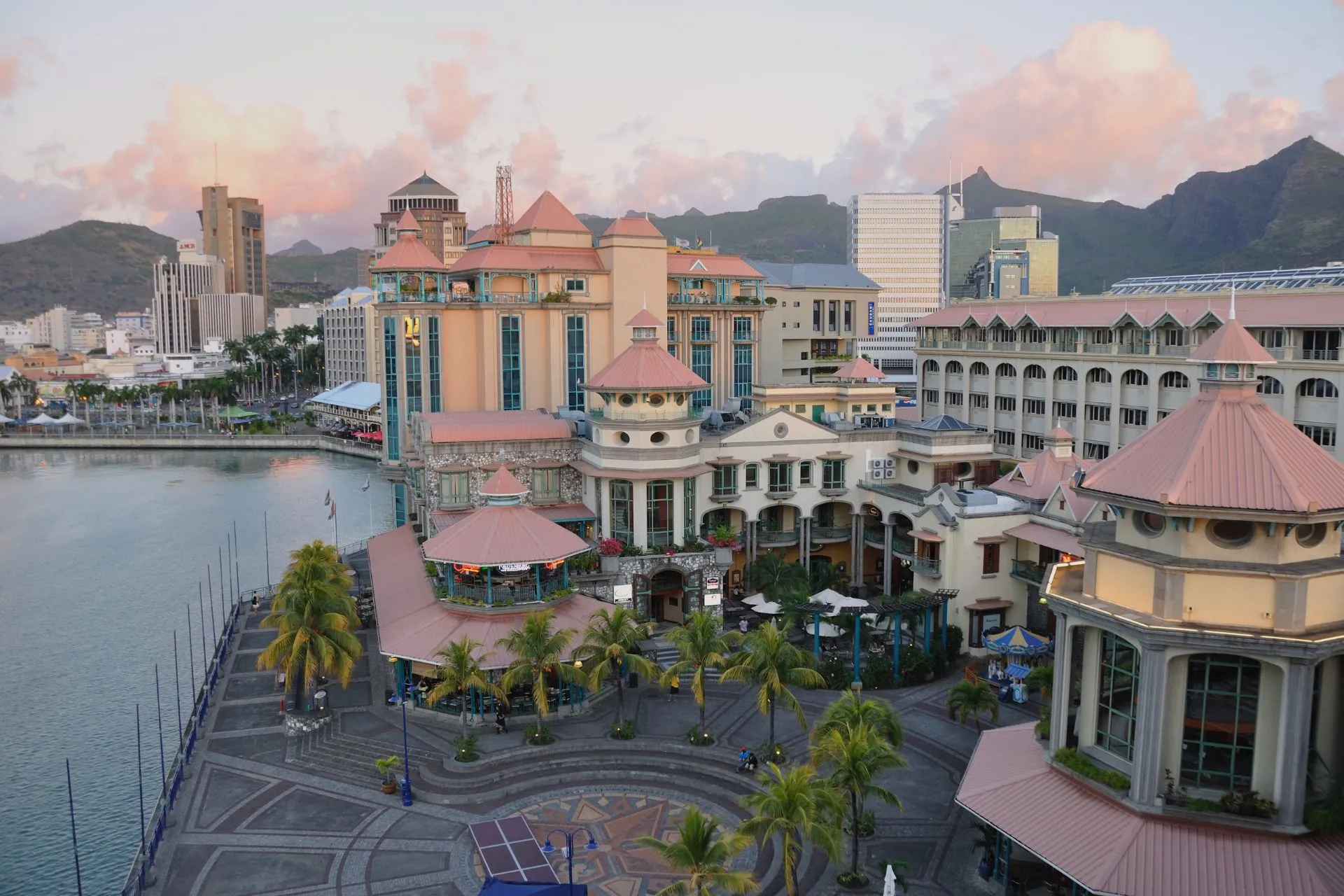
Located on the northwest coast of Mauritius, Port Louis is the island’s capital and principal deep-water harbor, located between the Indian Ocean and the dramatic Moka mountain range, including the iconic thumb-shaped known as Le Pouce peak. Founded in 1735 by French Governor Mahé de Labourdonnais as a strategic naval base, the city rapidly became the economic and administrative heart of Mauritius under successive French and British administrations. Geographically protected by its natural amphitheatre of basalt hills and volcanic peaks, Port Louis developed into a multicultural trading hub that absorbed waves of Indian indentured labourers, Chinese merchants, Creole communities, and European settlers. Today it remains the only true urban centre of the island, blending 18th and 19th-century colonial architecture, bustling bazaars, UNESCO-listed heritage sites and panoramic viewpoints, a living testimony to Mauritius’ transition from slavery heritage to indenture and modern independence.
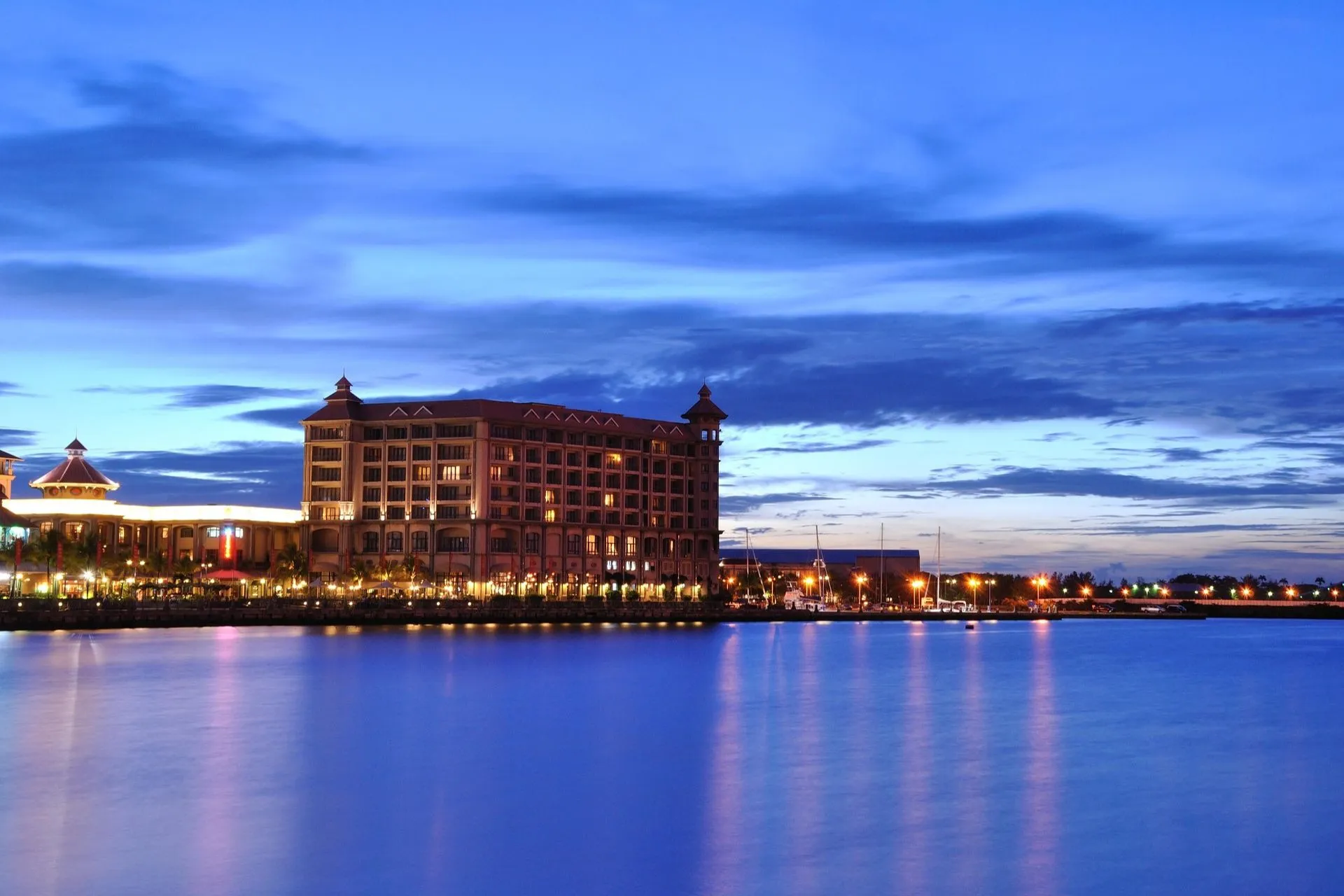
-
Central Market (Bazaar):
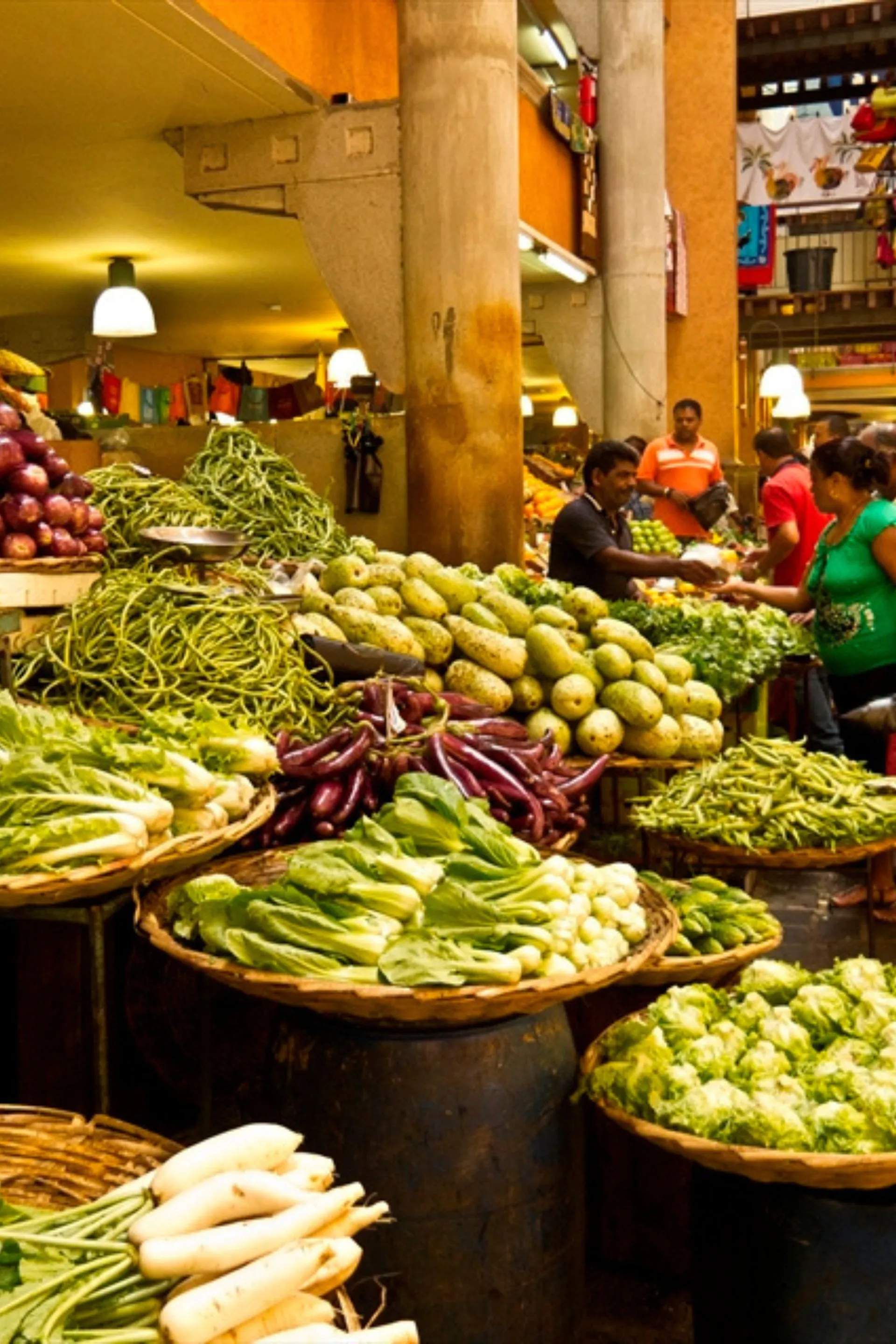
Antoine Debroye (Wikimedia) CC BY-SA 2.0 -
Jummah Mosque:
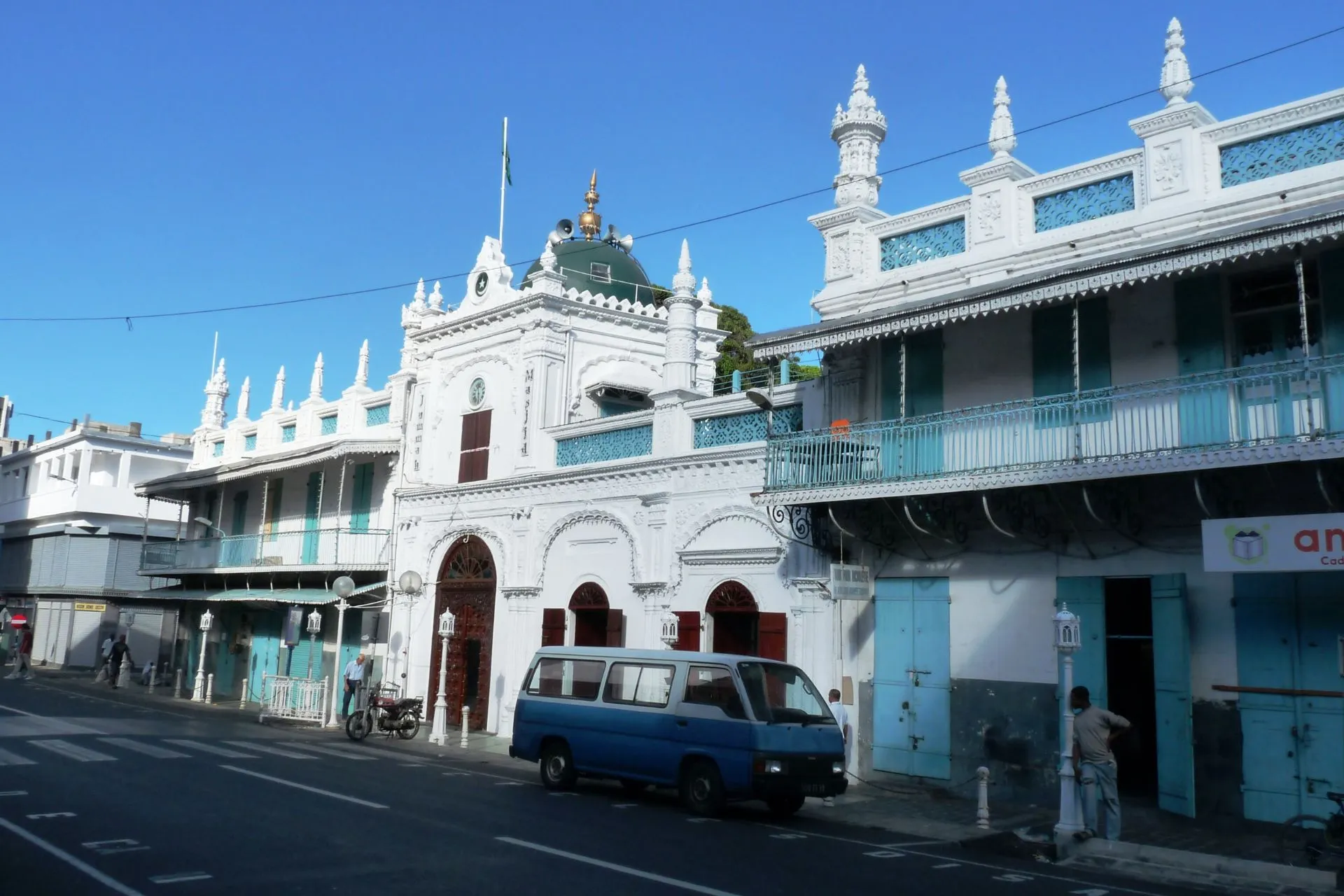
Simisa (Wikimedia) CC BY-SA 3.0 -
Saint Louis Cathedral:
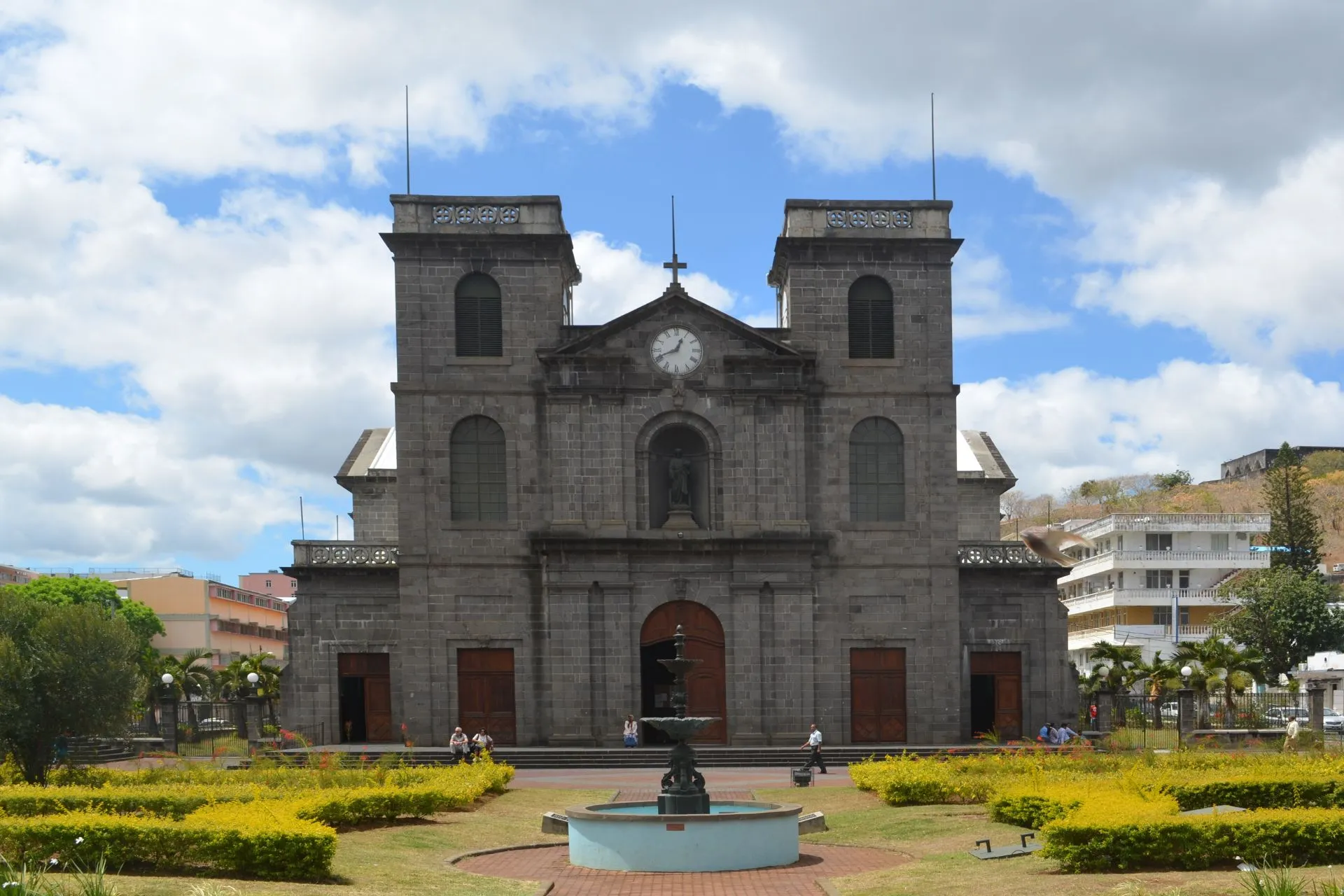
Karsten Ratzke (Wikimedia) CC0 1.0 -
Aapravasi Ghat:
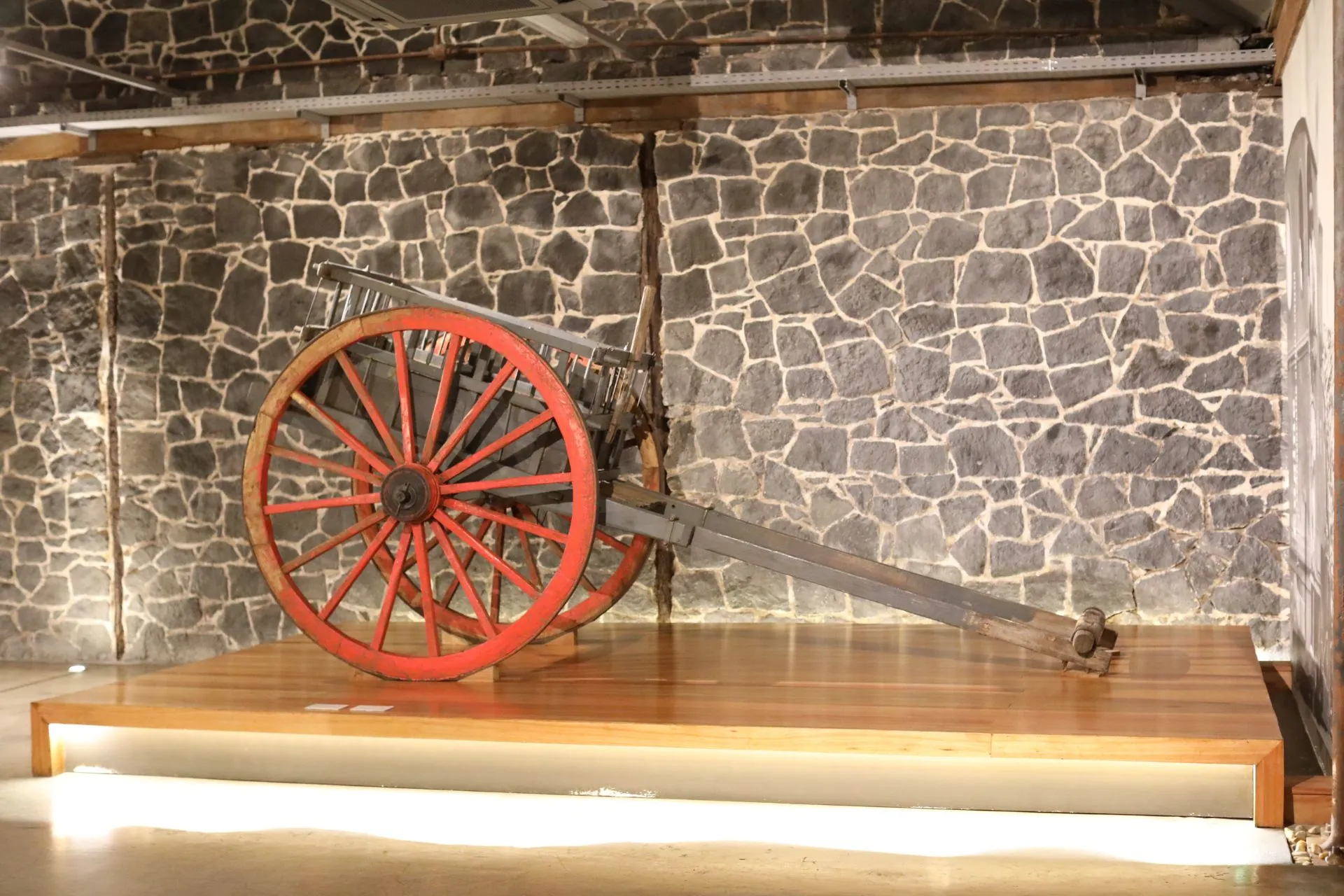
Suyash Dwivedi (Wikimedia) CC BY-SA 4.0 -
Le Caudan Waterfront:
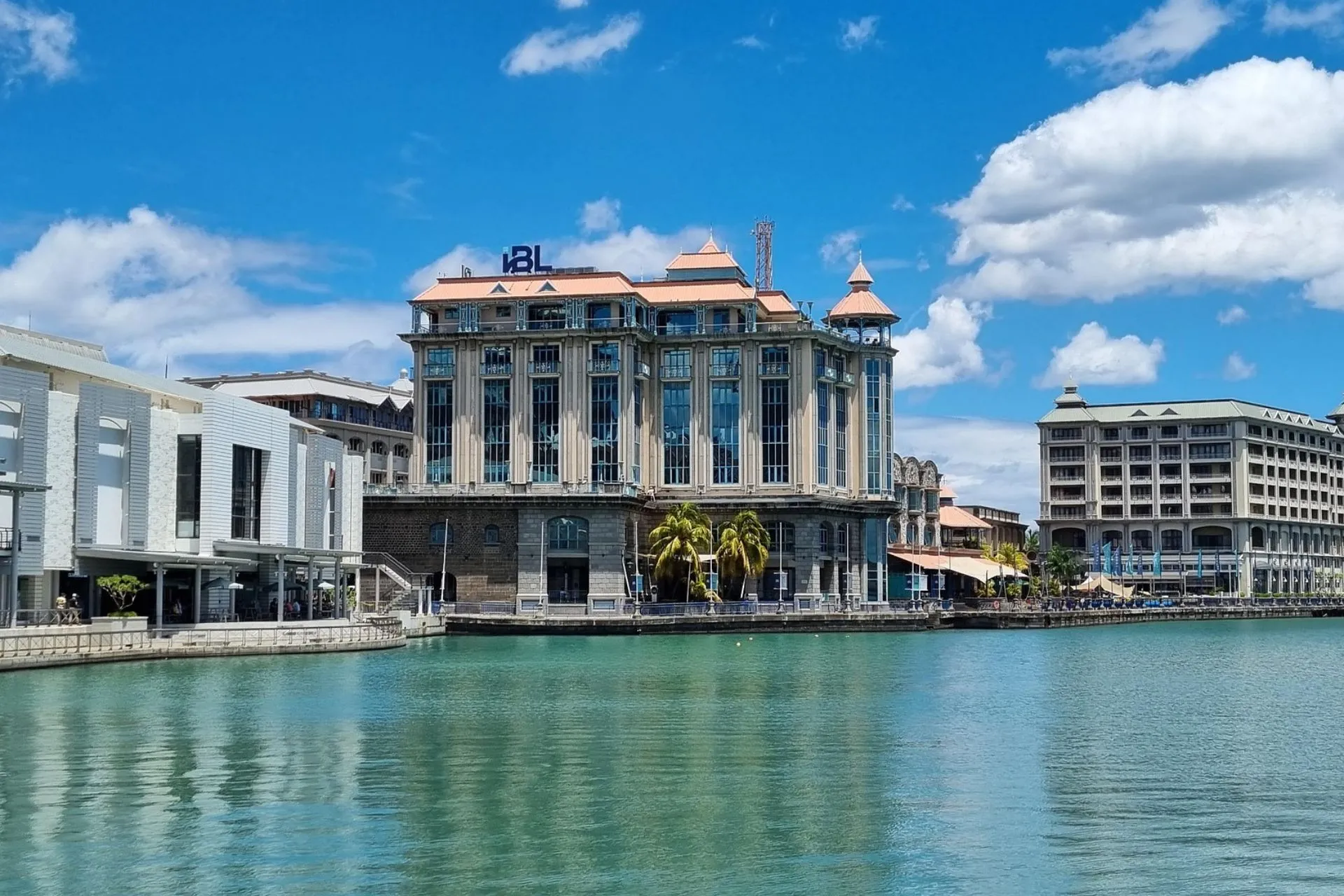
Shane Paulsen (Pixabay) -
Citadelle (Fort Adelaide):
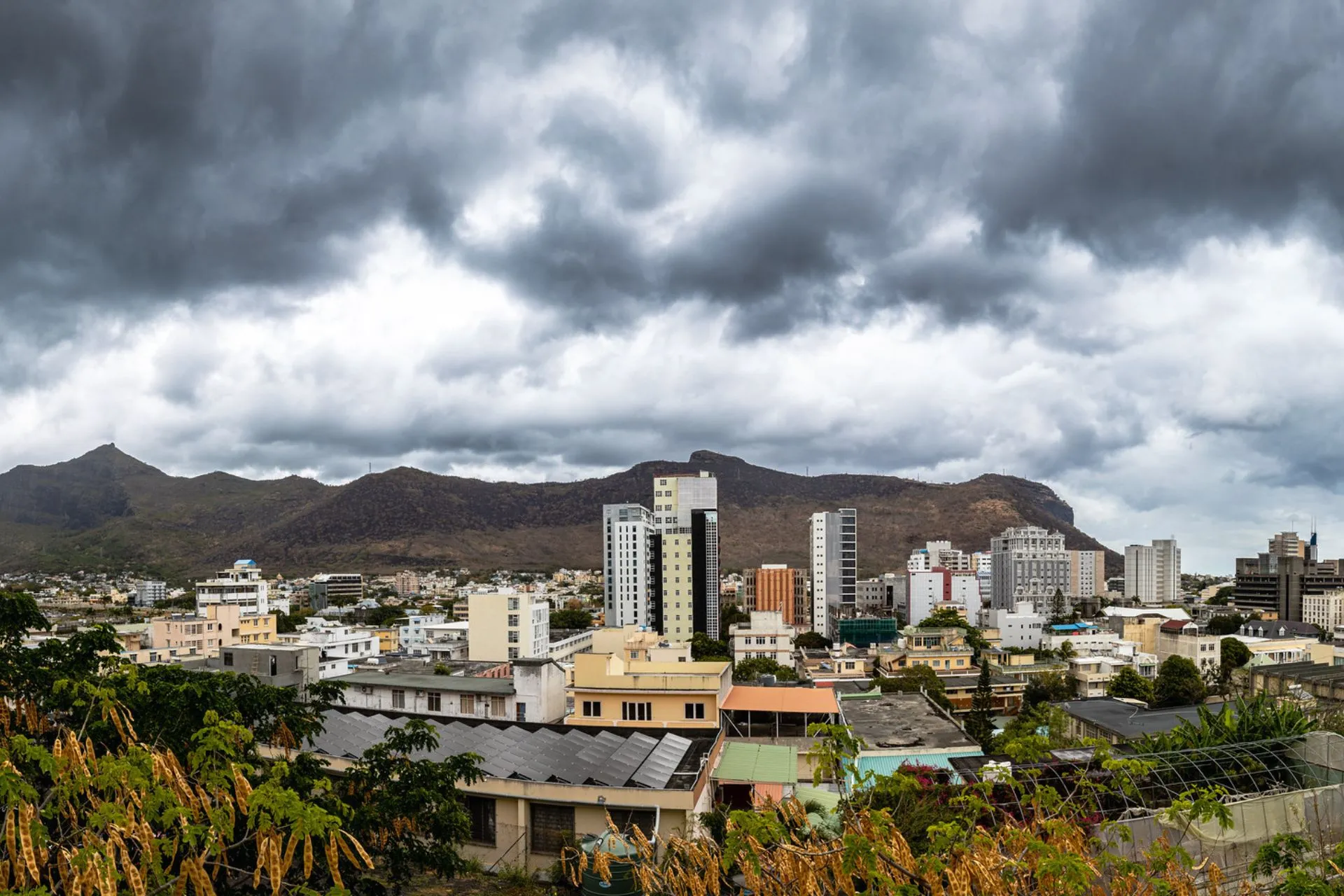
Orkomedix (Flickr) CC BY-NC-SA 2.0 -
Champ de Mars:
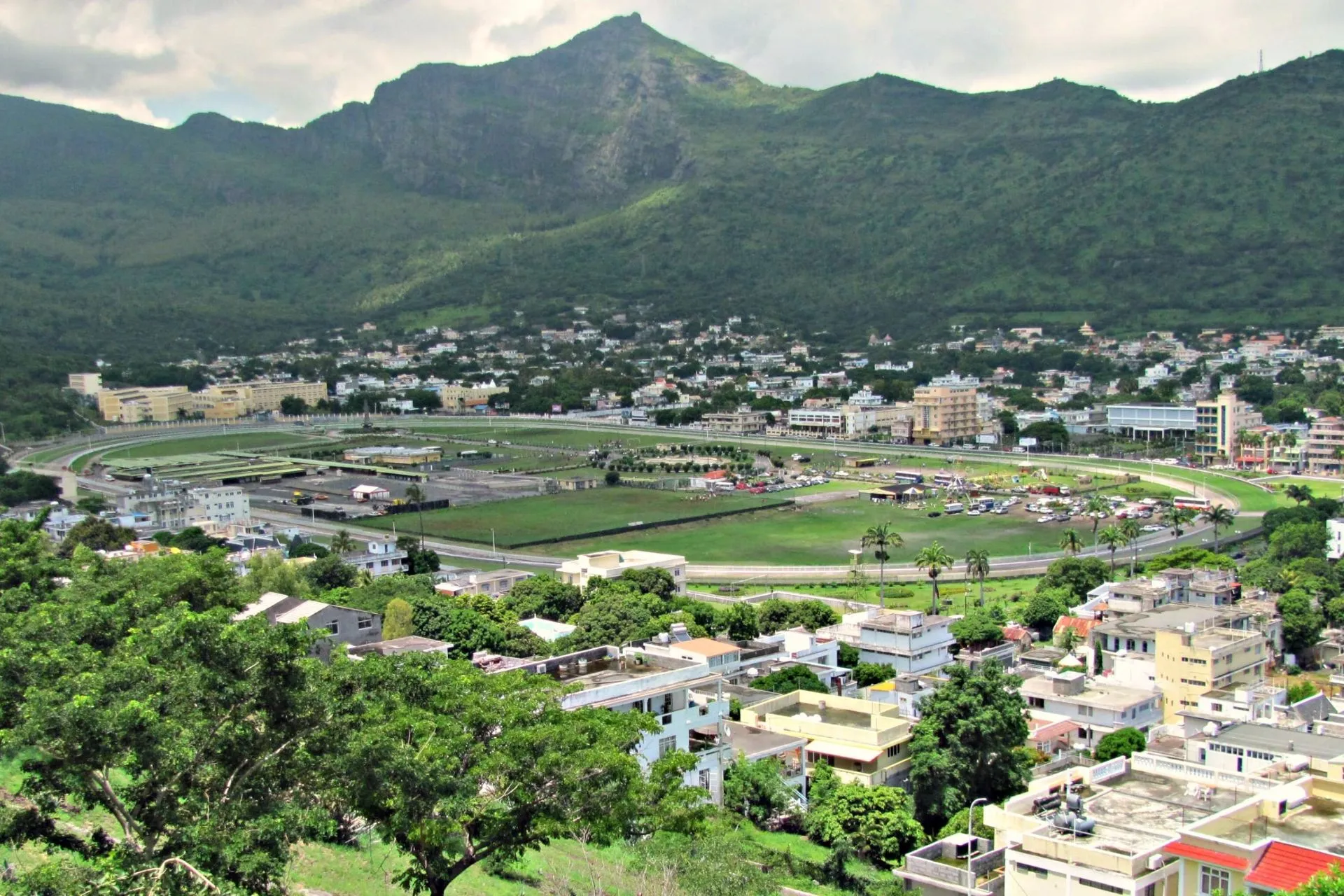
Ashok Prabhakaran (Flickr) CC BY-SA 2.0 -
Le Pouce Mountain:
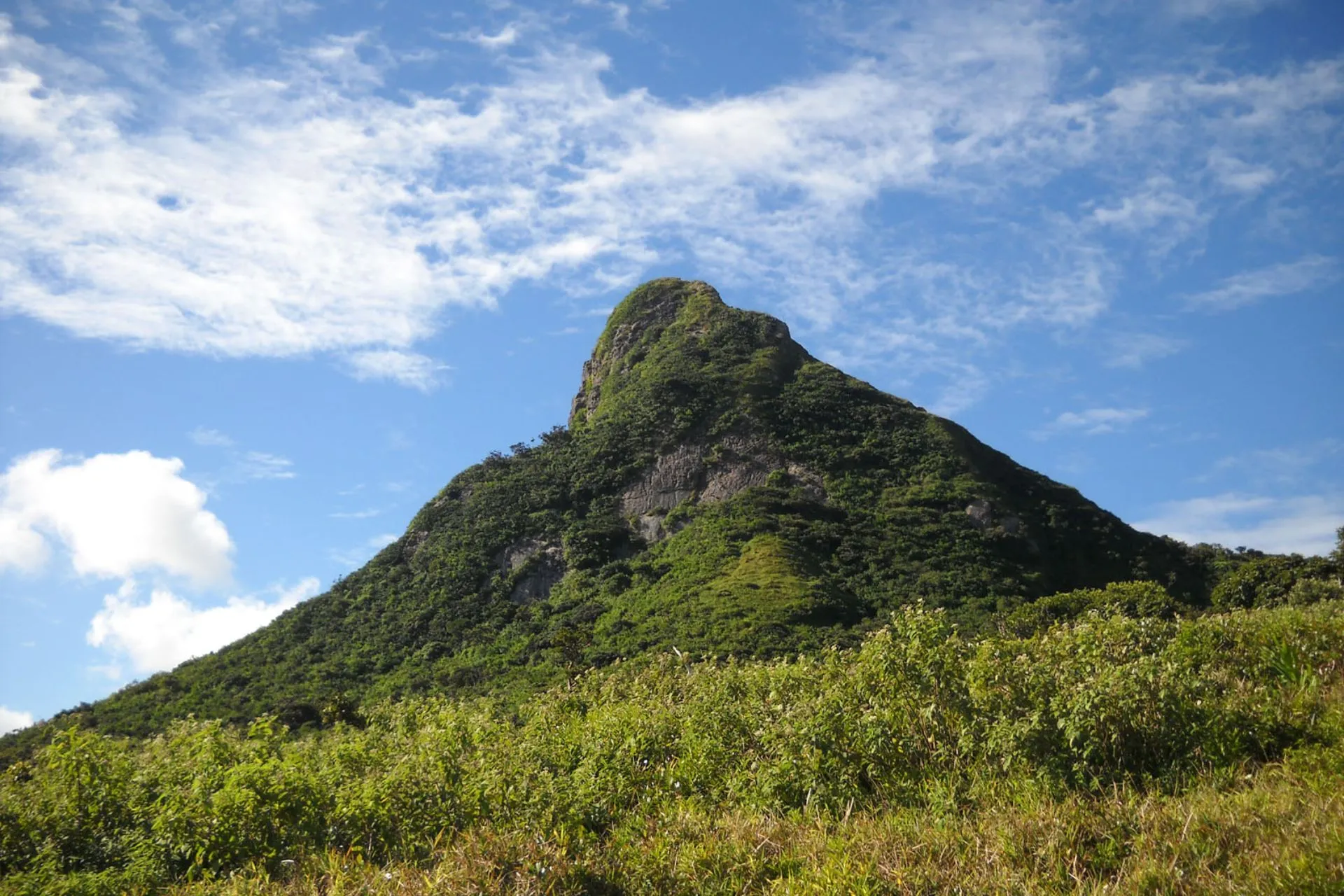
carrotmadman6 (Flickr) CC BY-SA 2.0
Rivière du Rempart District
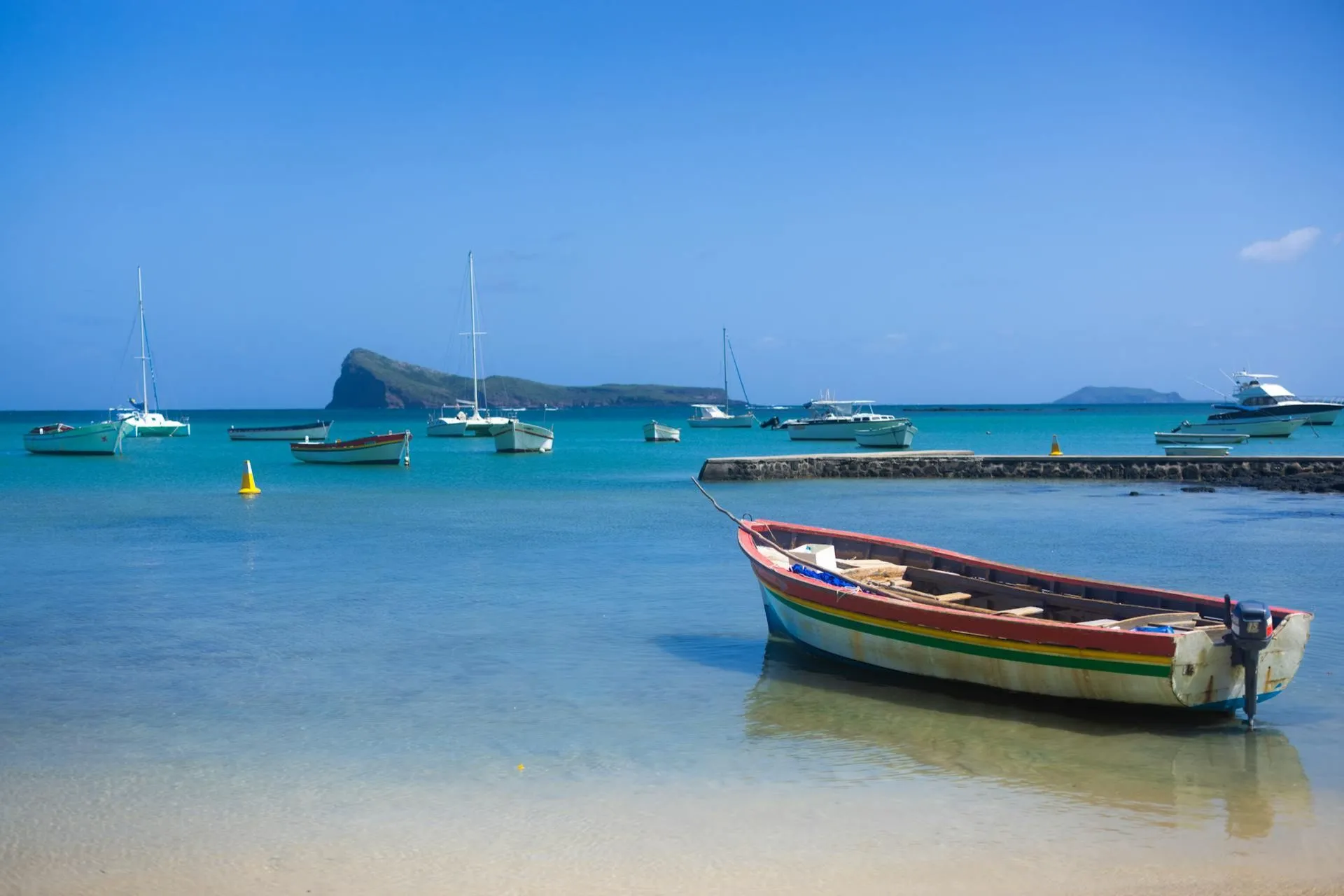
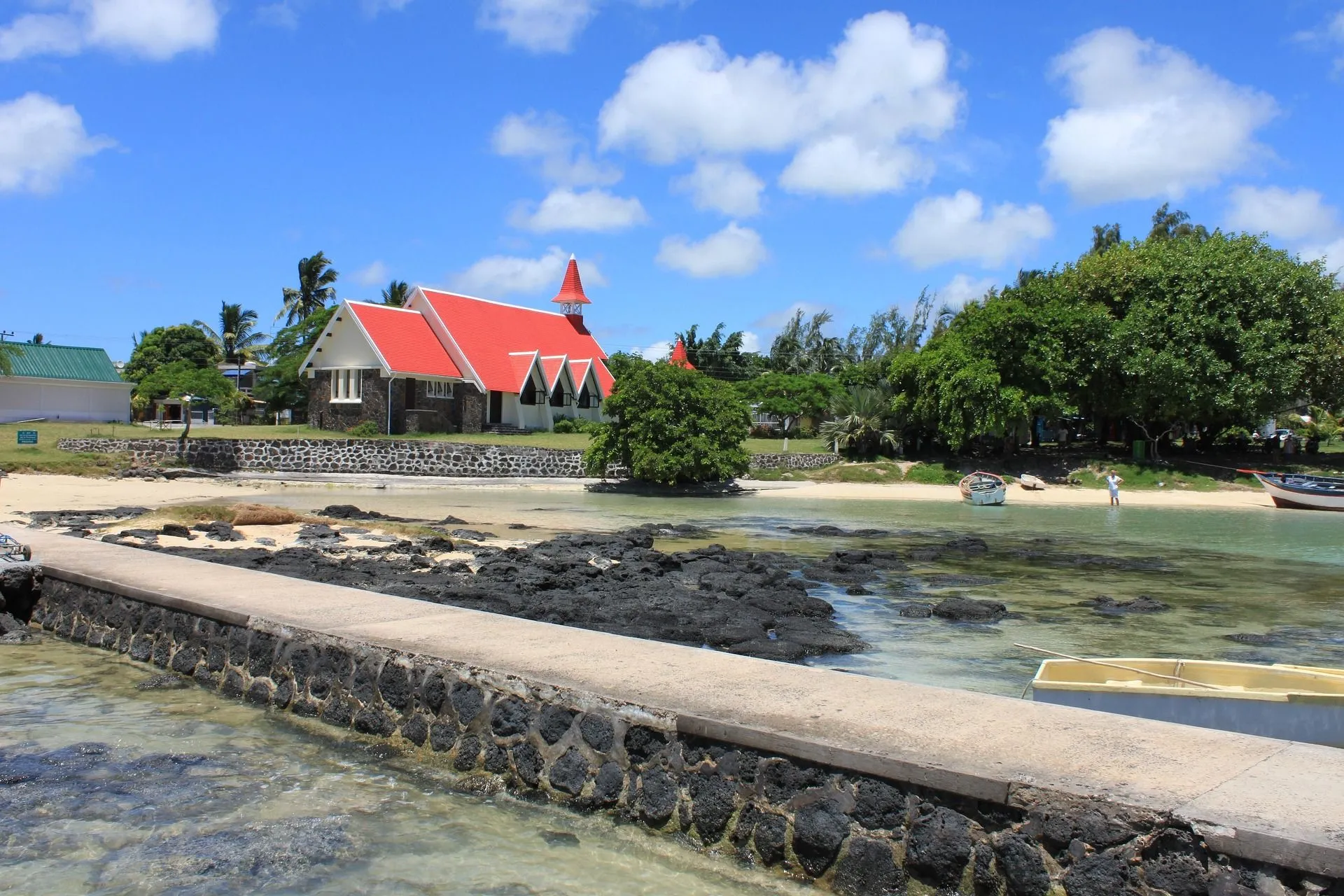
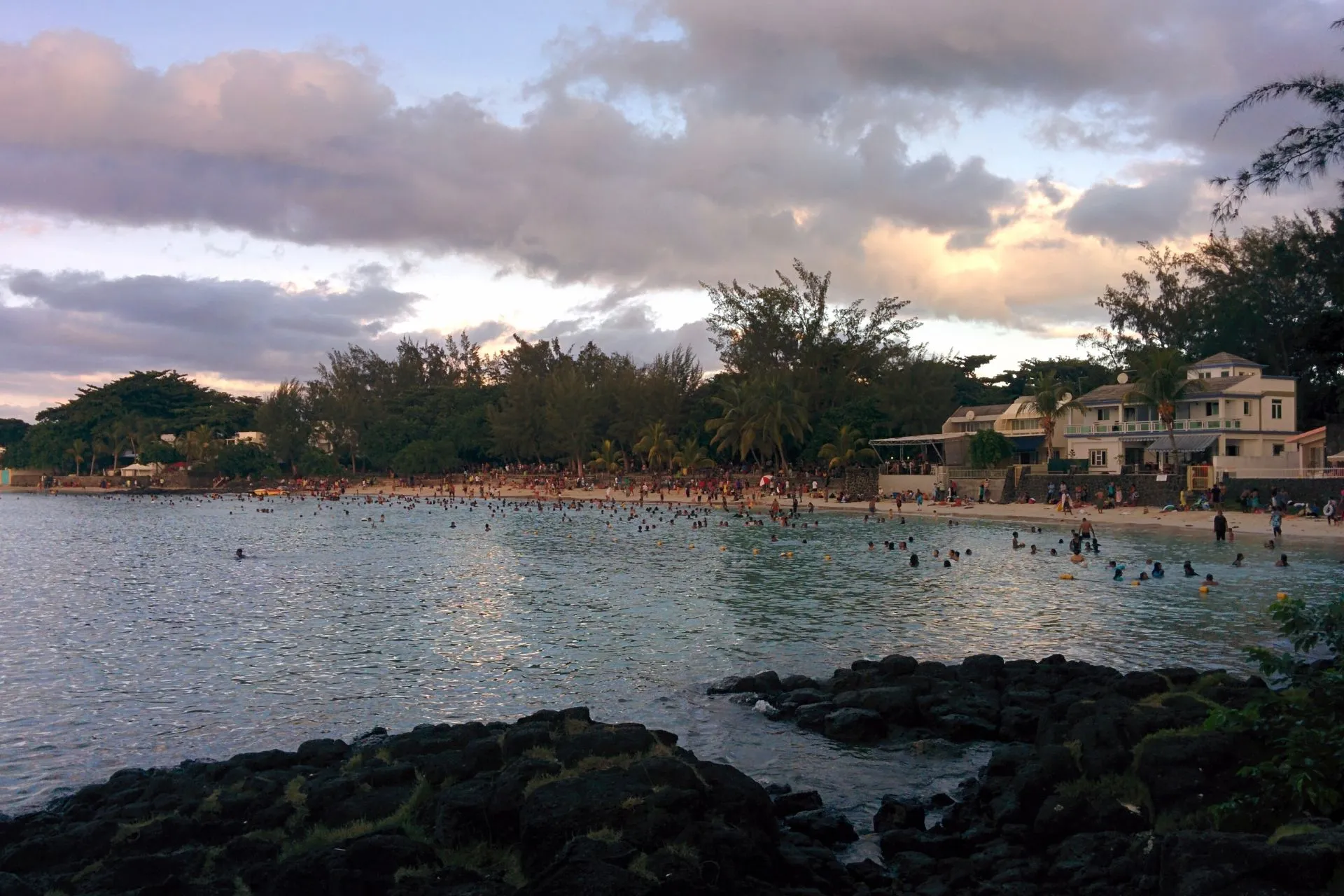
Located in the northeast of Mauritius, Rivière du Rempart District is a low-key coastal region that offers a more authentic and relaxed alternative to the busier tourist hubs of Grand Baie or the dramatic southwest. It combines peaceful spiritual sites, colonial heritage, and accessible beaches along a turquoise lagoon, with easy access from the M2 highway. While it lacks the iconic geological wonders or national parks of other districts, it excels in quiet cultural immersion and everyday Mauritian life, provided expectations remain realistic regarding crowds, maintenance, and commercial pressures at the more popular beaches.
-
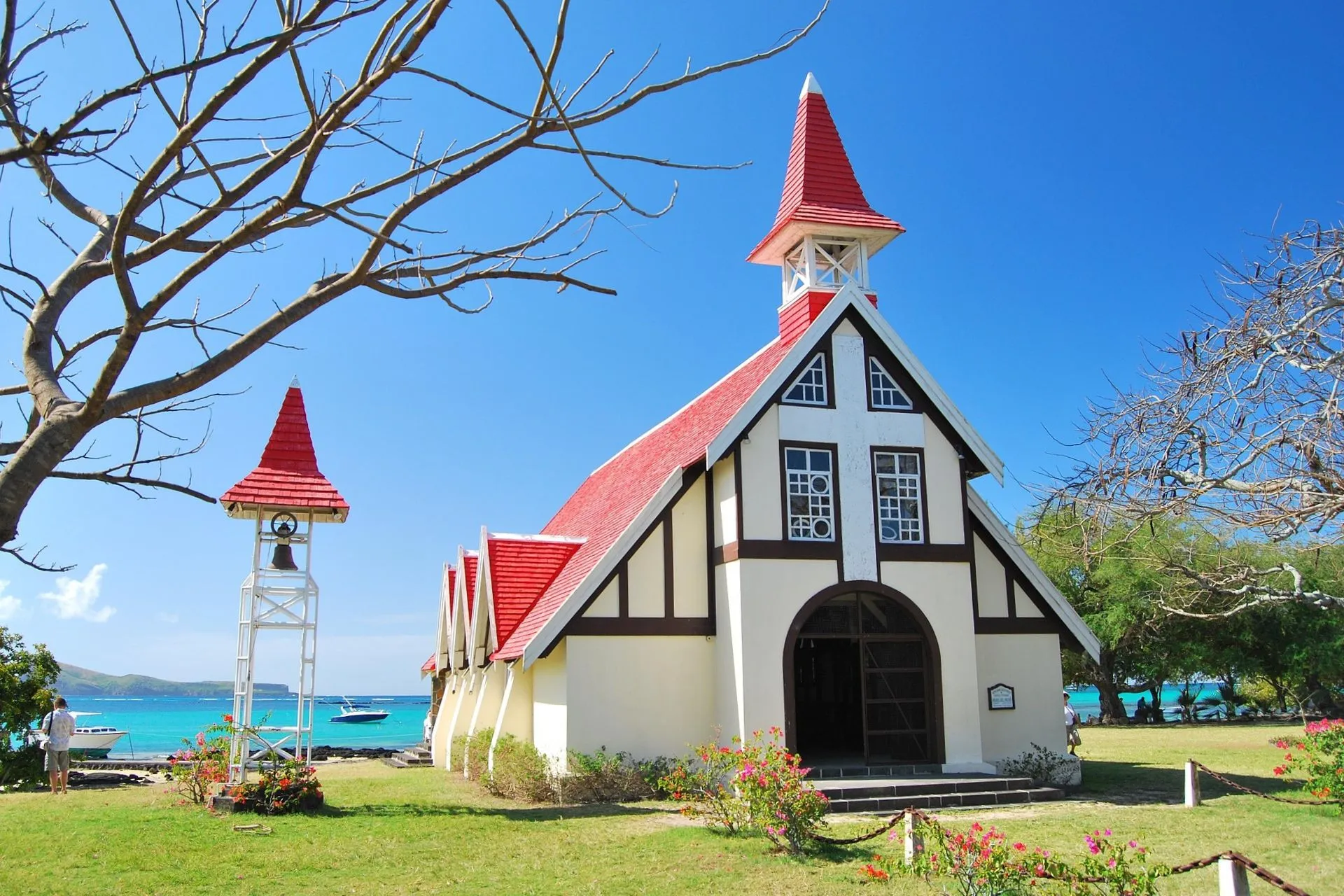
Notre-Dame Auxiliatrice de Cap Malheureux:
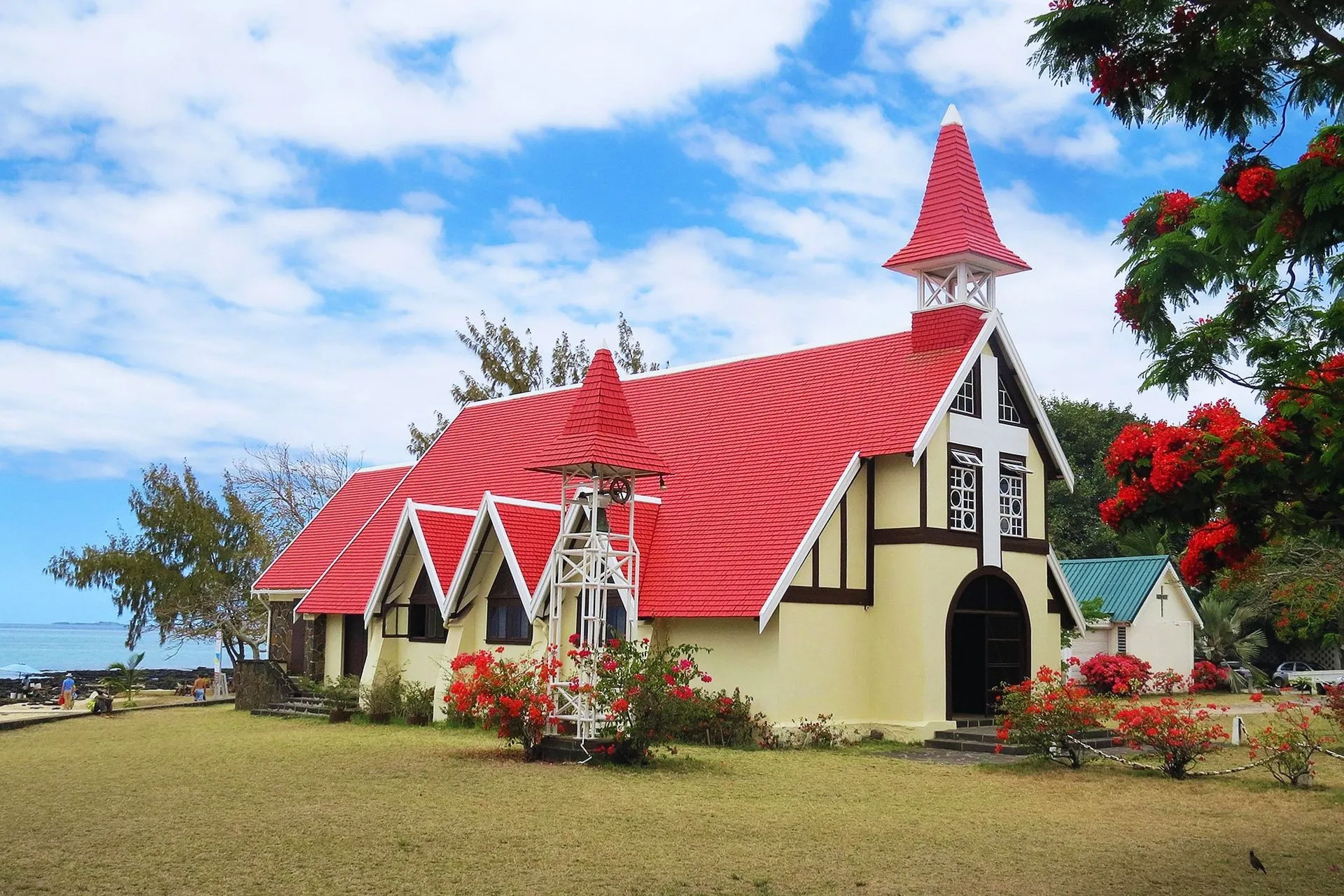
Truller (Pixabay) -
Grand Baie Public Beach:
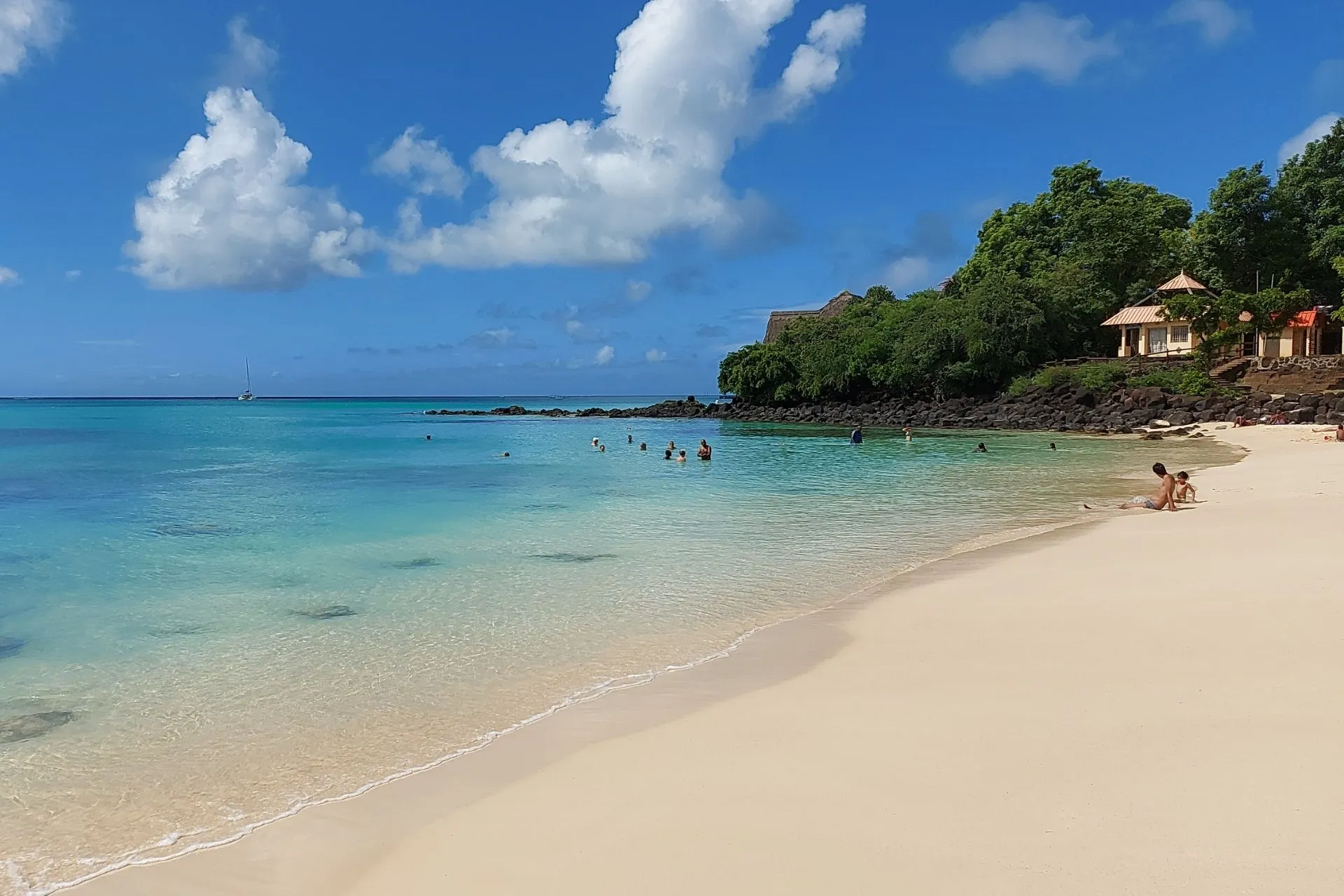
ZoschH (Wikimedia) CC BY-SA 4.0 -
Pereybere Beach:
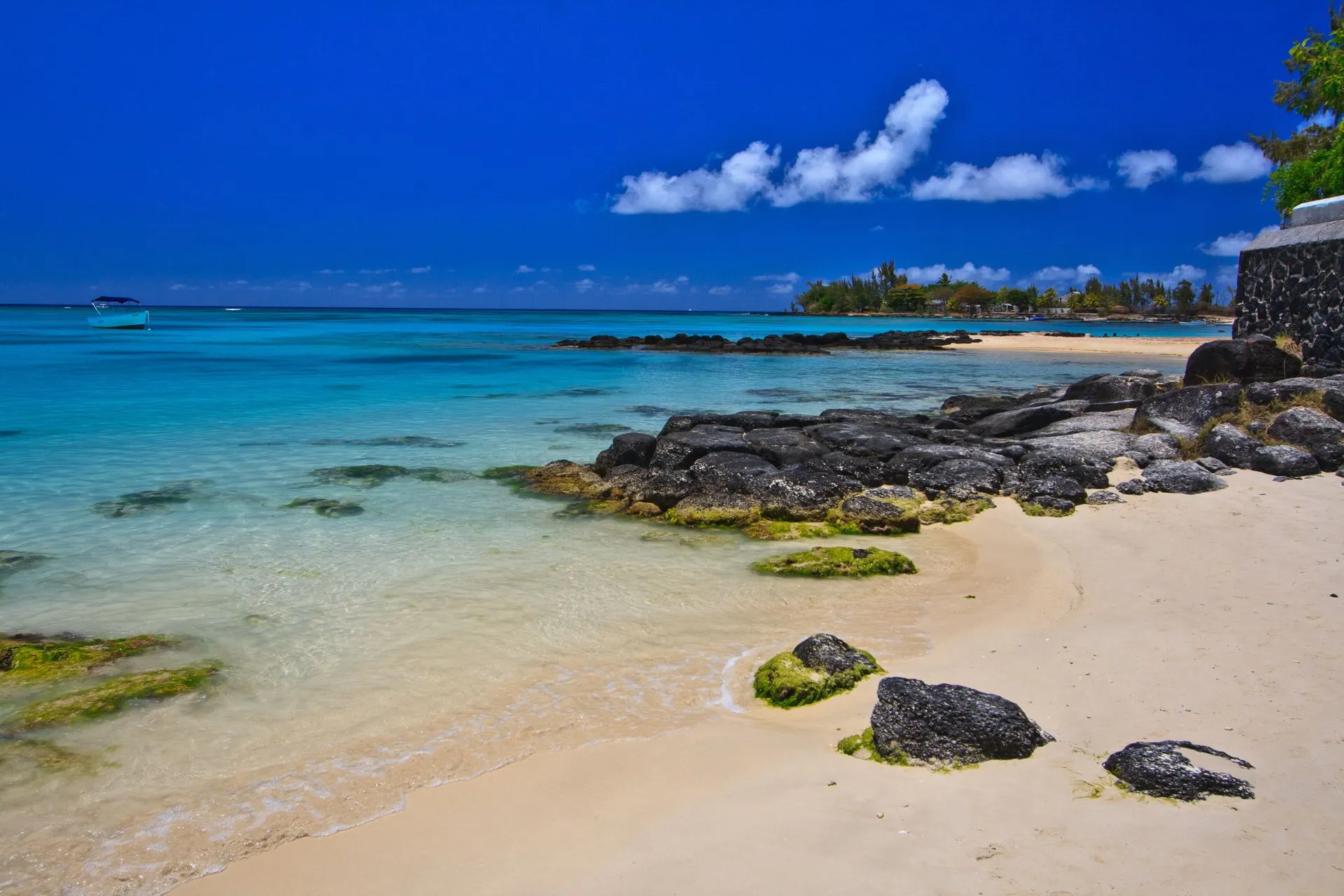
Sheyneg (Flickr) CC BY-NC-ND 2.0 -
Château de Labourdonnais:
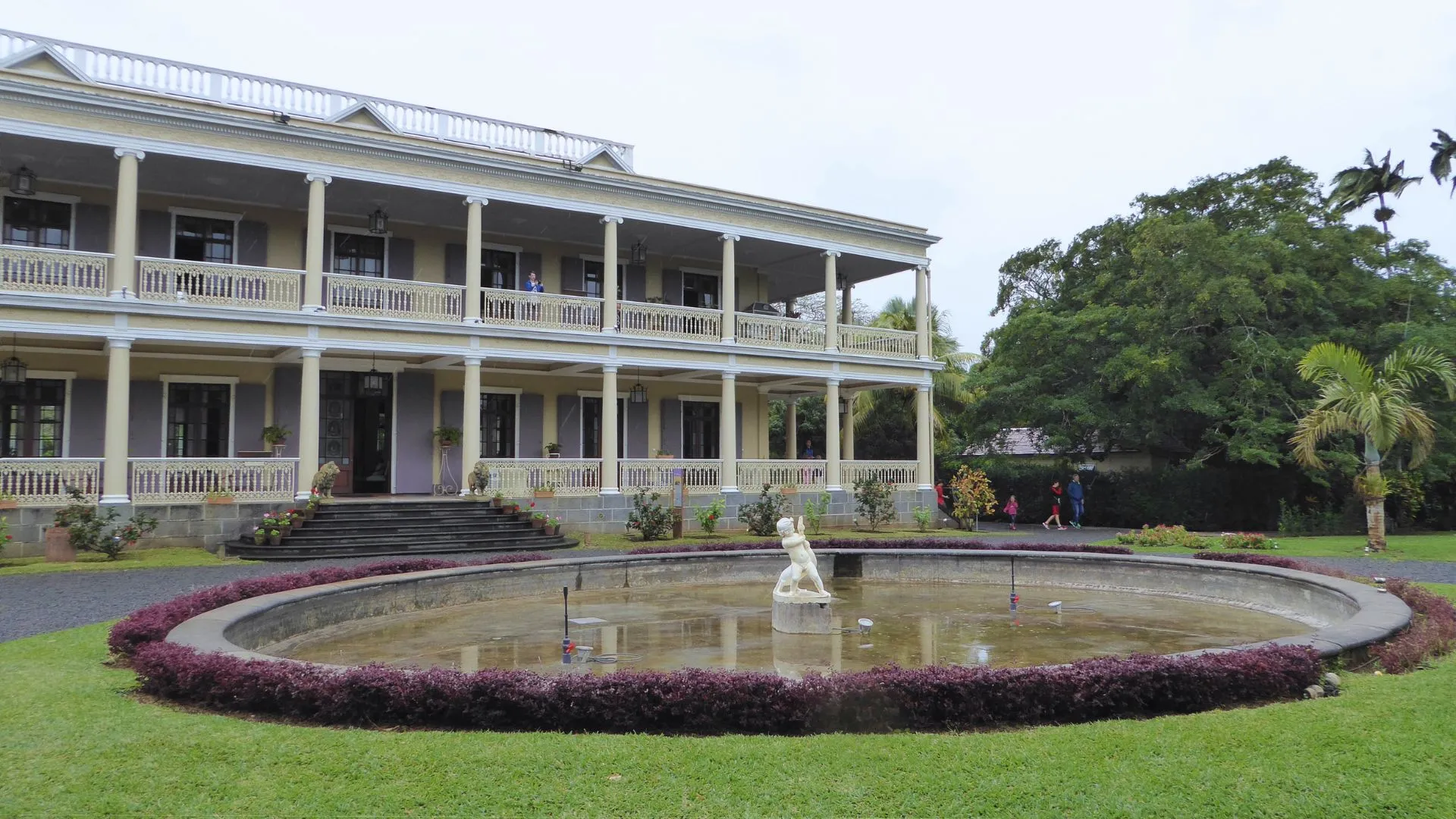
Adamina (Flickr) CC BY-NC 2.0 -
Pointe des Lascars Hindu Spiritual Park:
A serene Hindu spiritual park at the mouth of the river, featuring shaded alleys, multiple shrines and statues (including a majestic Ganesha), and direct access to the sea with views over the coral reef. The site is beautifully maintained, peaceful, and rarely crowded with tourists. It is ideal for meditation, prayer, yoga or simply soaking in the quiet energy of nature. Respectful dress and shoe removal in temple areas are expected. The atmosphere is genuinely calming and spiritual without commercial pressure. Overall, this is one of the most restorative and authentic stops in the district, which is highly recommended for those seeking tranquility rather than spectacle.
Savanne District
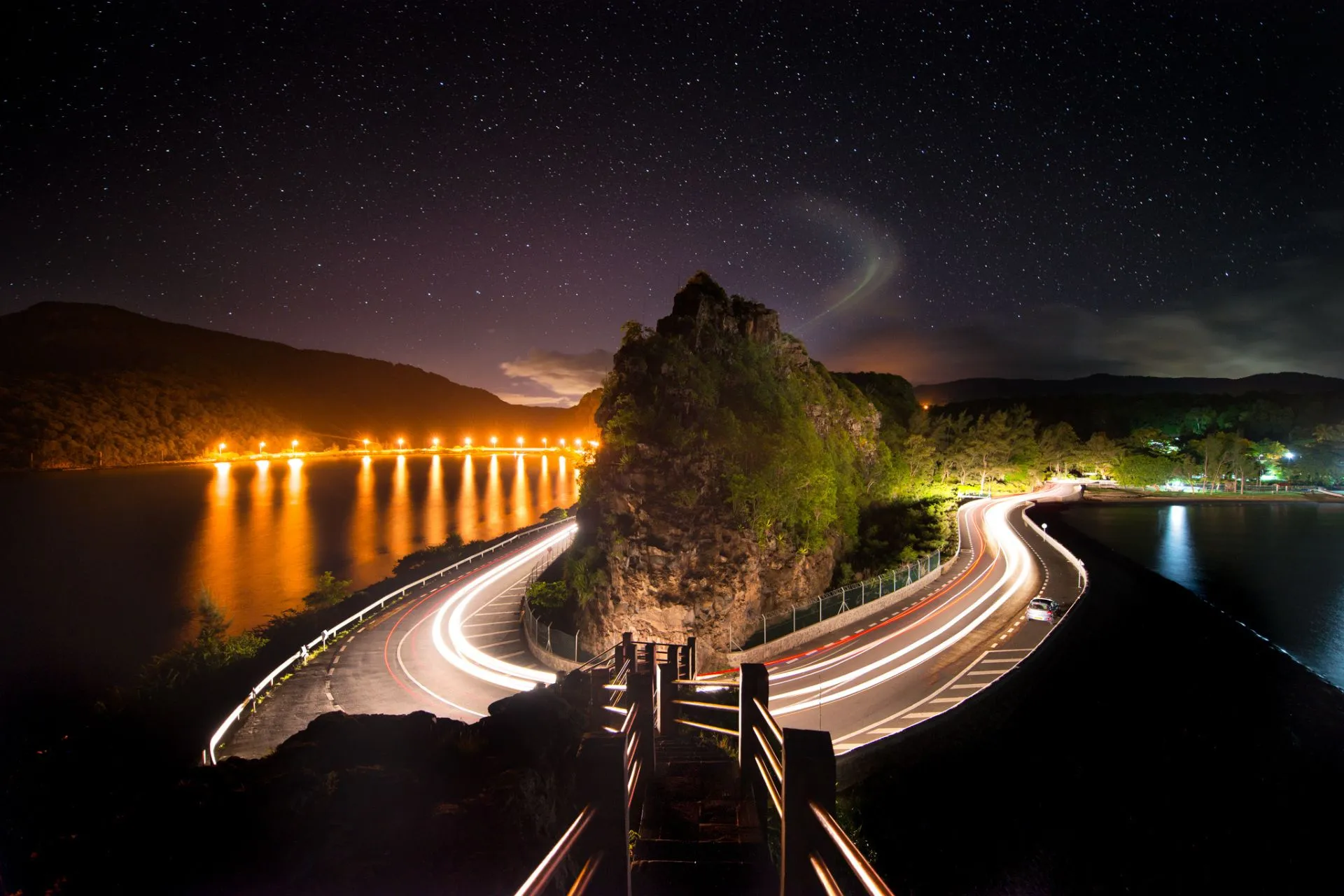
Located in the southernmost part of Mauritius, Savanne District covers 244.8 km² of dramatic volcanic highlands, rugged cliffs, and lush coastal valleys. Geographically, it stretches from the Indian Ocean shoreline near Bel Ombre and Chamouny to the misty interior plateaus, reaching altitudes of around 550 m. Historically, the district developed around 18th-19th-century sugar plantations established during French and British colonial rule, later becoming a key area for Indian indentured labour settlement. Today it is renowned for its pristine natural landscapes, including volcanic crater lakes, multi-coloured earth formations from ancient eruptions, and protected nature reserves, making it the island’s premier destination for eco-adventure tourism, Hindu pilgrimage, and off-the-beaten-path exploration. Unlike the more urbanised northern districts, Savanne offers a raw, authentic blend of biodiversity, spiritual heritage, and adrenaline activities in one of Mauritius’ least developed and most scenically diverse regions.
-
Grand Bassin Temple (Ganga Talao):
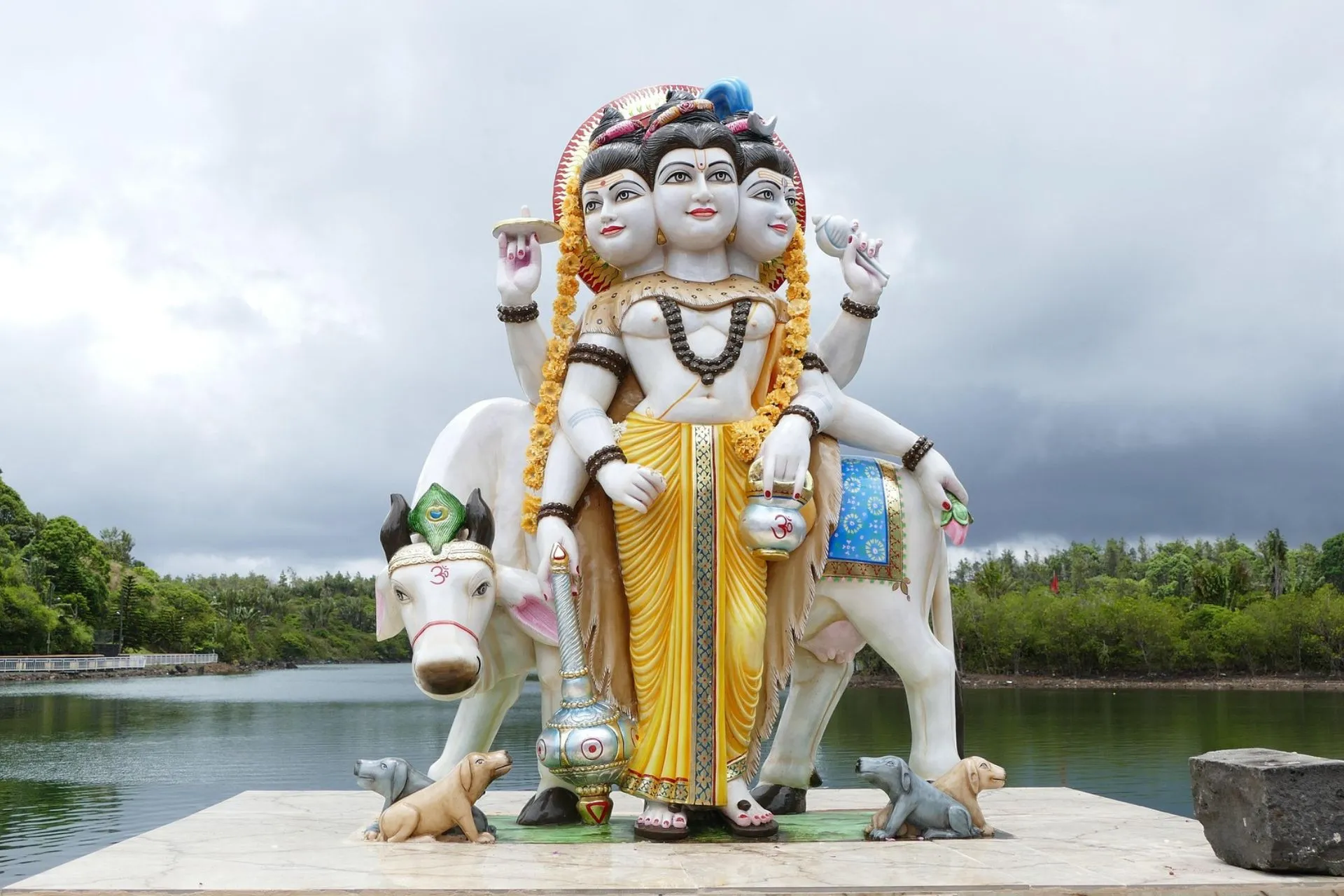
Nici Keil (Pixabay) -
Vallé Advenature Park (formerly La Vallée des Couleurs):
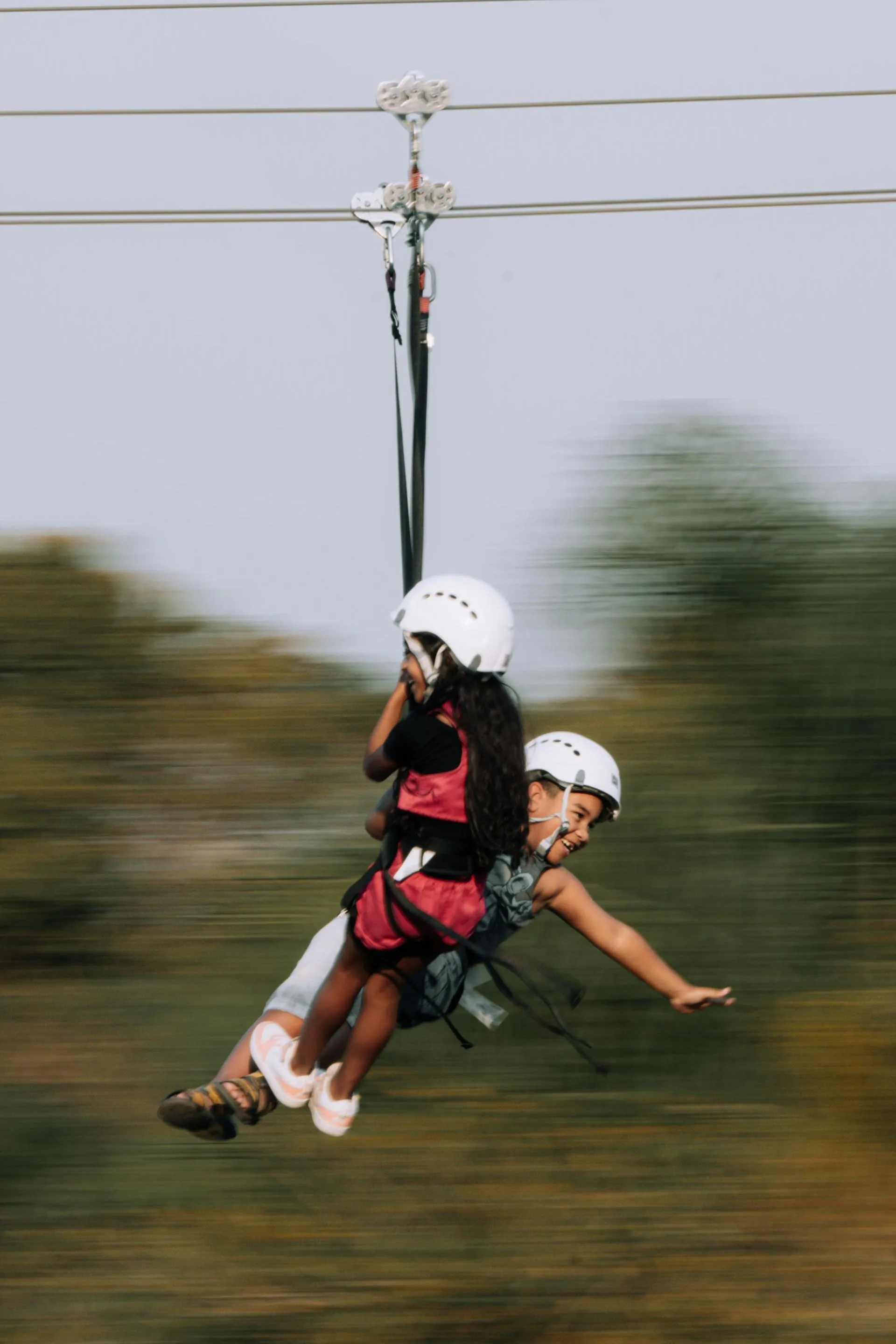
Gustavo Denuncio (Pexels) - Bel Ombre Nature Reserve:
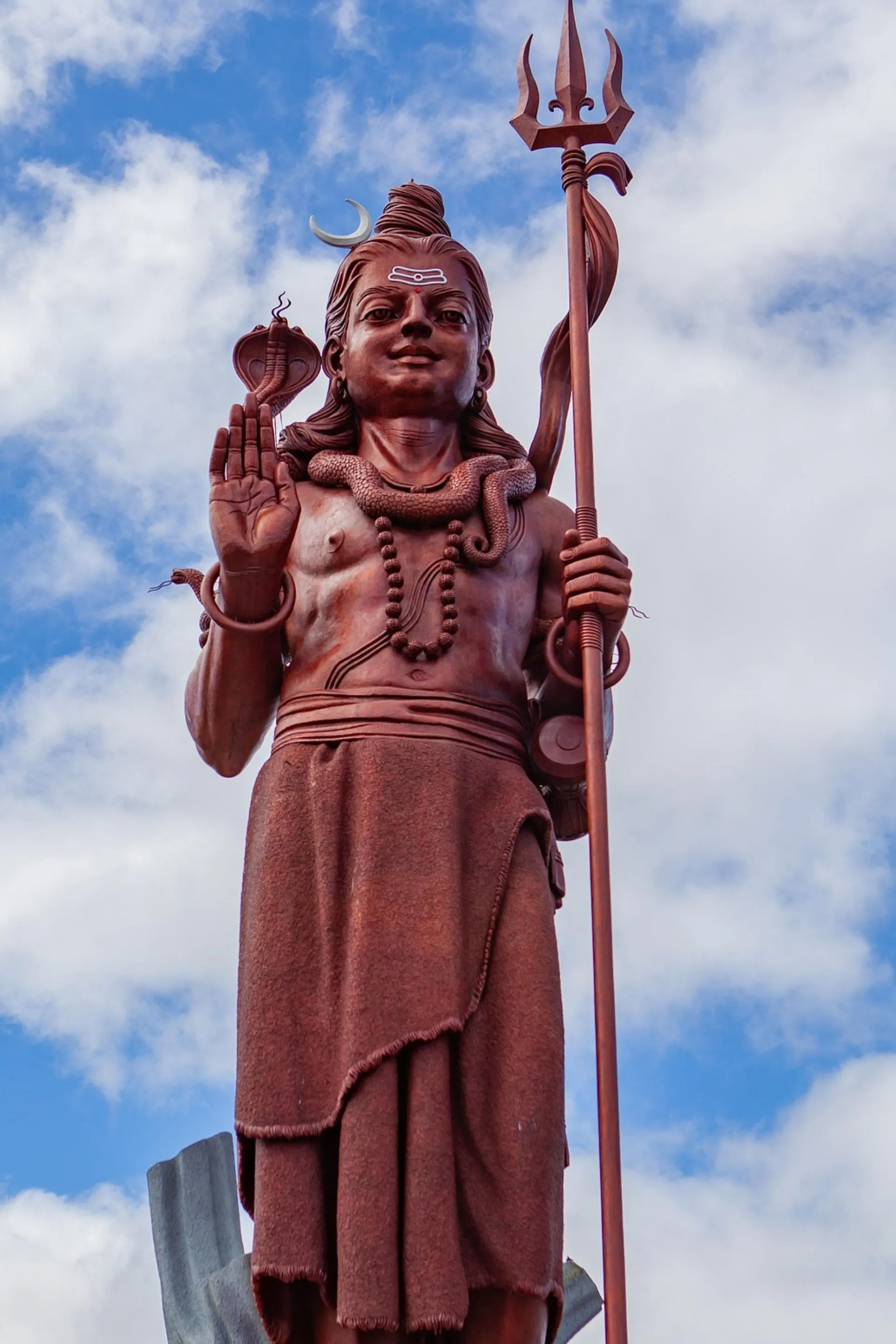
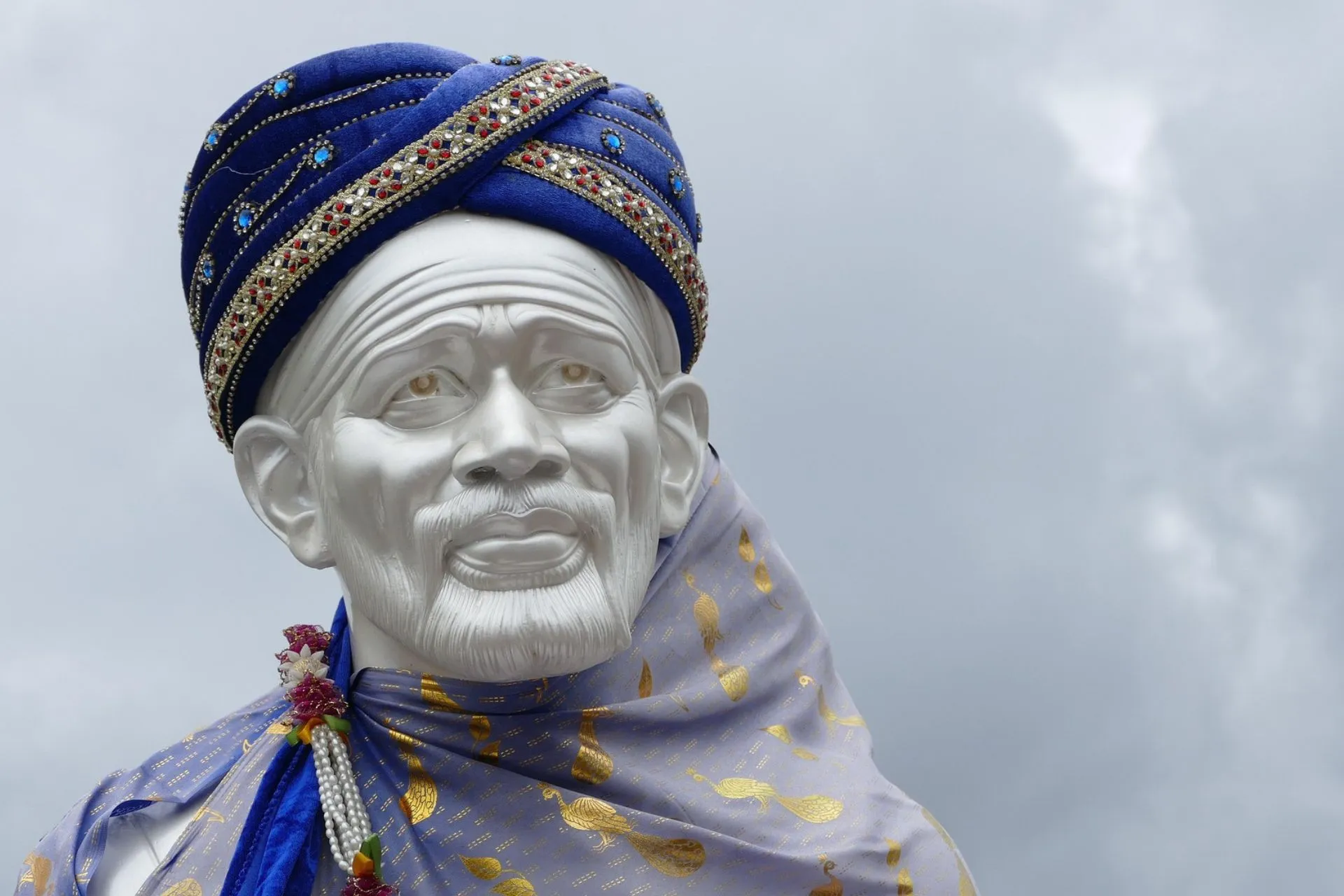
Must Try Food:
Mauritian cuisine is a fusion of Indian, Creole, Chinese, French and African influences, shaped by centuries of migration and colonial history. It blends fragrant spices from the Indian indentured labour era, fresh seafood from the surrounding Indian Ocean, and delicate French-inspired pastries. Street food reigns supreme, from spicy flatbreads to tangy curries, while vanilla, cultivated on the island since the 19th century, adds a signature aromatic touch to many sweets and desserts. Expect bold flavours, communal eating and an irresistible mix of heat, sweetness and ocean freshness.
Dishes
Dalpuri (Dholl Puri)
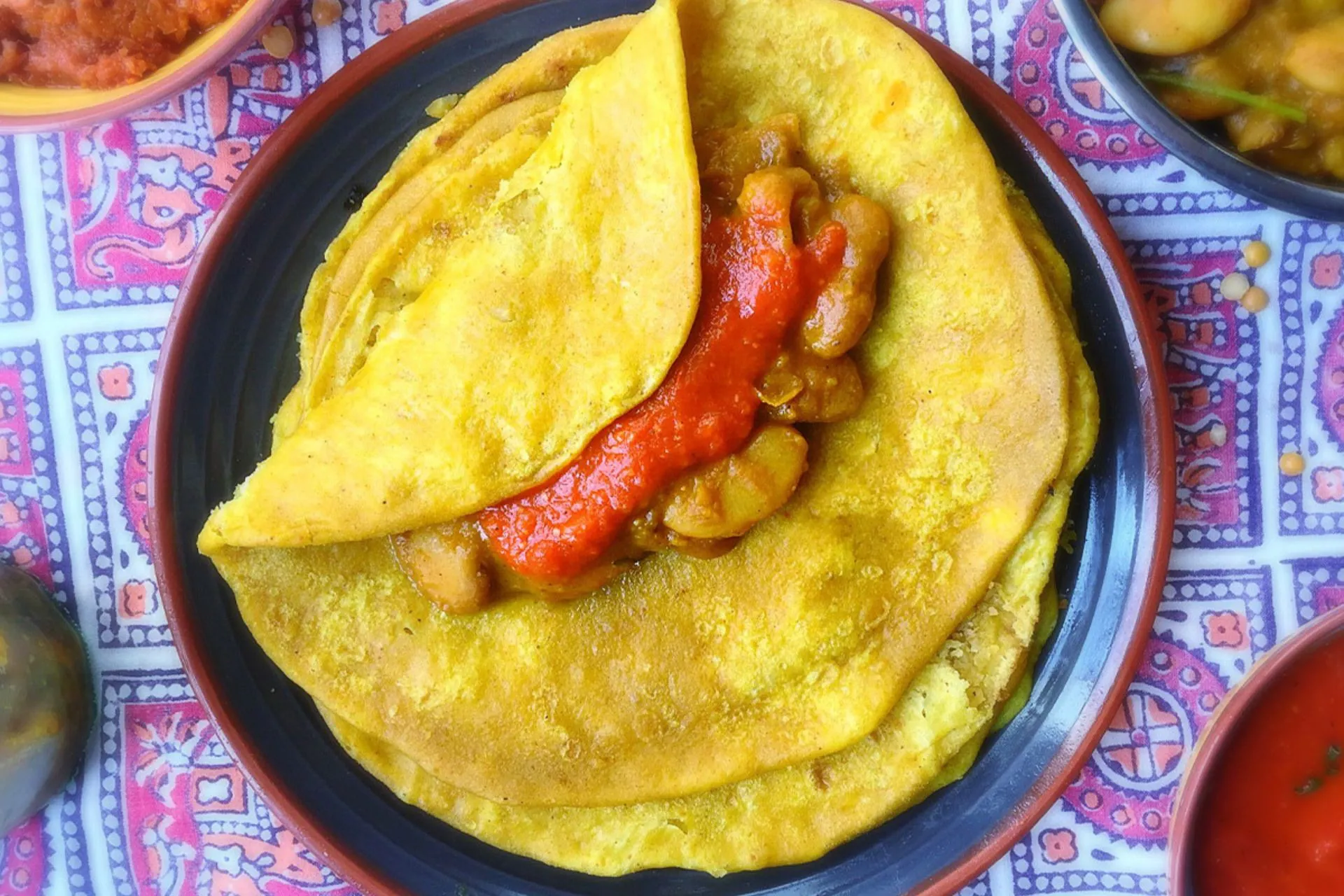
Mauritius’ unofficial national street food, dalpuri (also called dholl puri) is a thin, soft wheat flatbread stuffed with a spiced yellow split-pea (chana dal) filling flavoured with turmeric, cumin and coriander. Cooked on a hot tawa, it is traditionally served folded with butter-bean curry (gros pois), tomato rougaille, pickles and optional chili. Brought by Indian indentured labourers in the 19th century and adapted with local ingredients, it remains the most iconic and affordable everyday snack found at roadside stalls across the island.
Fresh Seafood
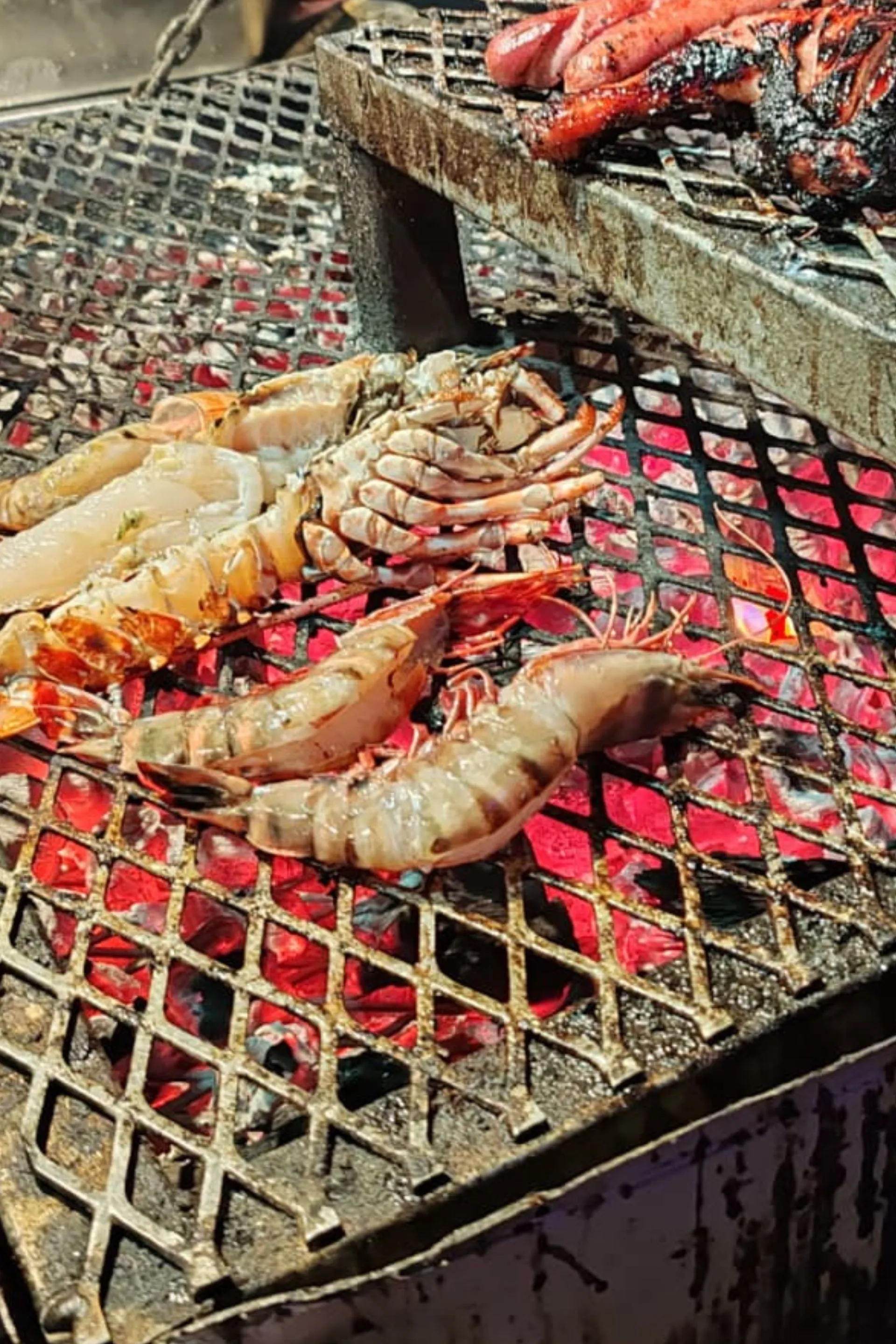
Thanks to its position in the Indian Ocean, Mauritius thrives with exceptionally fresh seafood daily. Signature preparations include octopus curry (cari ourite), tender octopus simmered in a fragrant Creole sauce with garlic, ginger, thyme and chili, or simply grilled fish (often marlin, tuna, dorade or captain) served with rougaille. Other favourites are garlic butter prawns, crab curry and calamari. Seafood is usually enjoyed with rice, faratas or bread, highlighting the island’s multicultural heritage where Indian spices meet Creole techniques and French finesse.
Desserts
Napolitaine
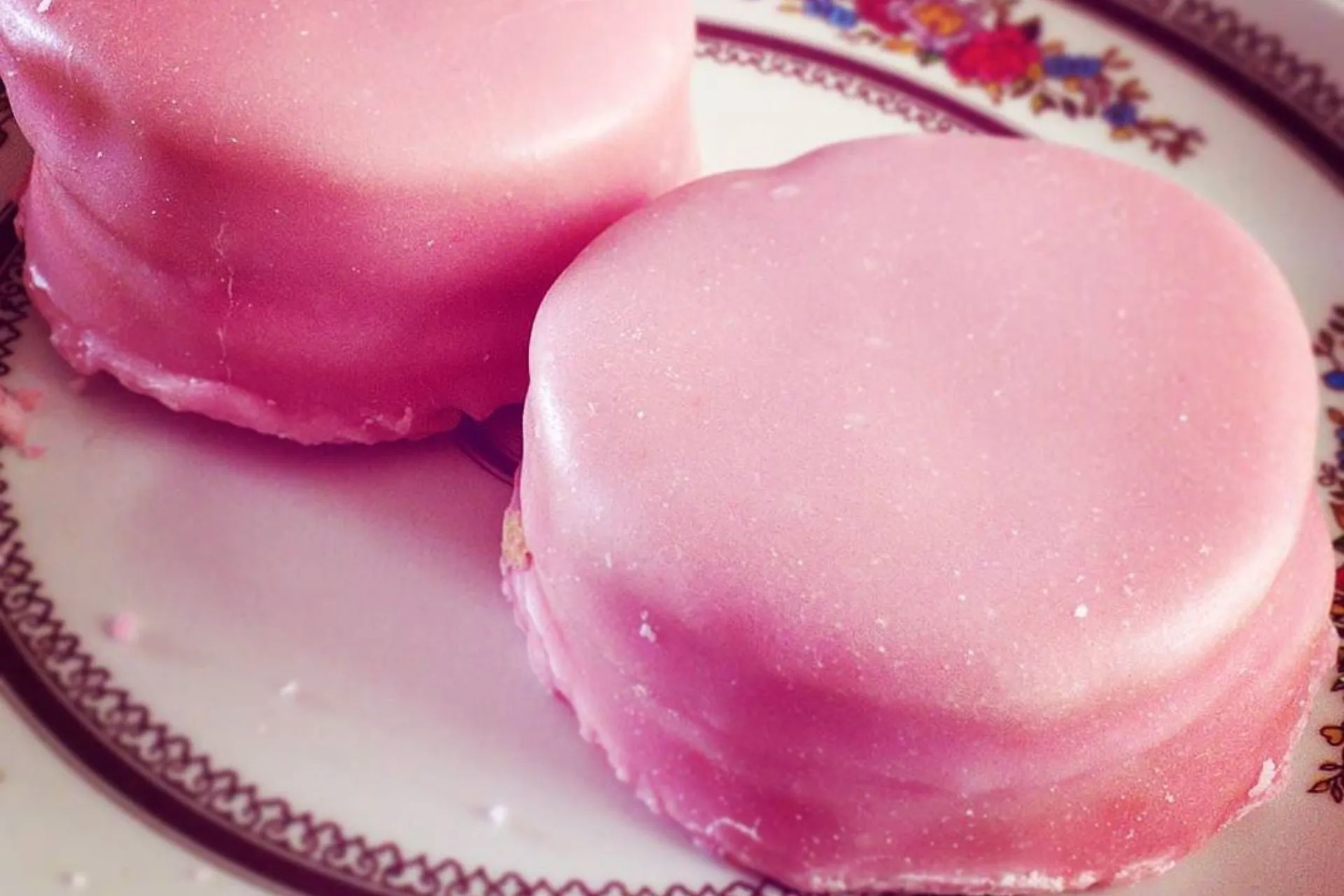
A beloved local creation despite its French-sounding name, the Napolitaine consists of two delicate sablé biscuits sandwiched with guava or strawberry jam and coated in a thin, bright pink sugar icing. Buttery, crumbly and not overly sweet, these pastries are a staple in Mauritian bakeries and patisseries. They perfectly illustrate the island’s fusion heritage, European technique adapted with tropical fruit fillings.
Vanilla-based Desserts
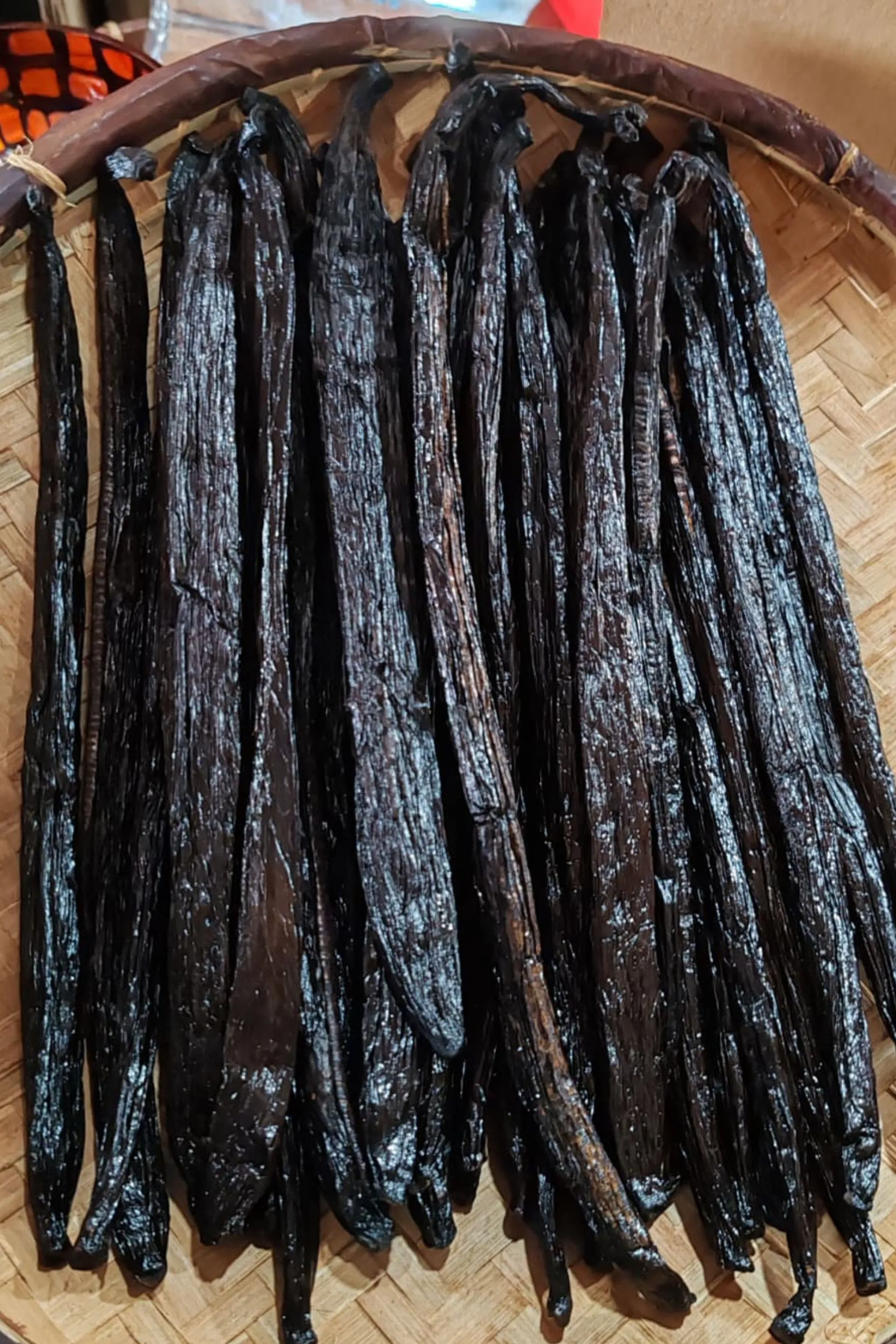
Mauritius has cultivated high-quality Bourbon vanilla since the 19th century, and its rich, floral aroma enhances countless local sweets. Popular examples include maspin vanille, which is a light vanilla sponge cake, or creamy vanilla puddings or custards, often flavoured with real vanilla pods or extract. Vanilla also appears in ice creams, tarts and even some traditional puddings like poudine maïs. Its subtle sweetness beautifully complements the island’s tropical fruits and provides a refined finish to any Mauritian meal.
When is the Best Time to Visit:
What to Do by Season
Mauritius enjoys a tropical maritime climate with two main seasons: a cooler, drier winter (May–November) and a warmer, more humid summer (December–April) that carries a moderate risk of cyclones (highest January–March). The dry season provides an excellent visibility and comfortable conditions for hiking, cultural exploration and nature sites, while summer brings lush greenery, calm seas in protected lagoons and colorful festivals. Monthes between April-May and September-October often gives the best balance of weather, fewer crowds and lower prices.
-
Summer (December – April) ☀️ Warmest and most humid period (26–32°C) with lush
vegetation and excellent sea conditions in sheltered lagoons.
Short tropical showers are common, but afternoons often clear. Cyclone risk peaks January–March,
so always monitor forecasts and consider paying for a travel insurance.
Best for in Summer: Beach & water sports in Grand Baie and Rivière du Rempart (northern lagoons), kitesurfing at Le Morne (Black River), relaxing at Ile aux Cerfs, and festivals including Maha Shivaratri at Grand Bassin (Savanne) in February/March.
-
Winter (May – November) ❄️ Cooler (20–26°C), drier and less humid with
southeast trade winds. Ideal visibility, lower rainfall and comfortable temperatures for outdoor
activities.
This is the peak season for most international visitors.
Best for in Winter: Hiking in Black River Gorges and Le Pouce (Port Louis area), exploring Chamarel and Vallé Advenature Park (Savanne), visiting Pamplemousses Botanical Garden, cultural sites in Port Louis and Grand Port, and Bel Ombre Nature Reserve quad tours.
-
Autumn / Early Winter Transition (April – June) 🍁 Pleasant temperatures
(23–28°C), decreasing humidity and fewer crowds.
Excellent shoulder period with stable weather and blooming flora in gardens and highlands.
Best for in April–June: Pamplemousses Botanical Garden (giant water lilies at their best), Port Louis markets and Citadelle views, Grand Bassin (post-festival calm), Black River Gorges trails, and coastal exploration in Grand Port and Savanne.
-
Spring / Late Winter (September – November) 🌸 Warm sunny days (24–29°C), low
rainfall and calm seas before the summer rush.
One of the most comfortable periods with good balance for all activities.
Best for in September–November: Hiking Le Pouce and Black River Gorges, botanical gardens in Pamplemousses, nature reserves in Savanne and Bel Ombre, Port Louis city tour, and beach days in Rivière du Rempart and Grand Port lagoons.


Our Partners
Find a Flight
Reserve an Hotel
Rent a Vehicle
How long should I stay in Mauritius?▼
7 to 10 days is the sweet spot for most travellers: 2–3 days in the North (Grand Baie / Rivière du Rempart), 2 days in Port Louis and Pamplemousses, 2–3 days in the South/West (Savanne, Black River Gorges, Chamarel), and 1–2 days on the East coast or Grand Port. Extend to 12–14 days if you want diving certification, luxury resort time or a slower pace.
What is the best time to visit Mauritius?▼
May to November (dry winter) is ideal: cooler (20–26 °C), low humidity, perfect for hiking (Black River Gorges, Le Pouce), botanical gardens and nature reserves. December–April (summer) offers warm sea temperatures and lush greenery but carries a higher risk of short showers and cyclones (peak Jan–Mar). Shoulder months April–May and September–October give the best weather–crowd balance.
What language is spoken in Mauritius?▼
English is the official language and is widely understood in tourism, hotels, restaurants and shops. Creole (Kreol Morisien) is the everyday language spoken by almost everyone. French is also very common. Basic English is usually sufficient, but learning a few Creole phrases or using translation apps helps in markets and rural areas.
Do I need a visa to visit Mauritius?▼
Most nationalities (EU, UK, USA, Canada, Australia, South Africa, etc.) receive a free 90-day visa on arrival. You only need a valid passport (minimum 6 months validity) and a return ticket. Check the latest requirements on the Mauritius Tourism Authority website or your embassy, as rules can change.
Is Mauritius safe for tourists?▼
Mauritius is one of the safest destinations in the Indian Ocean. Petty theft and bag snatching can occur in busy tourist areas (markets, beaches, Port Louis). Use common sense: avoid walking alone at night in isolated spots, do not leave valuables on the beach, and use hotel safes. Road safety is the biggest risk so drive defensively and avoid night driving on unlit roads.
What currency is used and are cards accepted?▼
The Mauritian Rupee (MUR). Cards (Visa/Mastercard) are widely accepted in hotels, restaurants, supermarkets and shops. Carry cash (especially small notes) for markets, street food, taxis and rural areas. ATMs are plentiful in towns; notify your bank before travel to avoid card blocks.
Is Mauritius expensive?▼
Mid-range to luxury. A comfortable daily budget is €60–120 per person (mid-range hotels, meals and activities). Street food and public transport are very affordable; luxury resorts and organised tours push costs higher. Self-catering and local buses keep expenses low. Overall, cheaper than Seychelles or Maldives but more expensive than mainland Africa.
What should I be careful about in Mauritius?▼
Strong sun and UV levels year-round, use high-factor sunscreen. Monkey theft at Grand Bassin and some nature sites. Strong rip currents on the east and south coasts (swim only in lagoon areas). Cyclone season (Jan–Mar) monitor forecasts. Respect religious sites (cover shoulders/knees, remove shoes, no leather at Hindu temples). Drive on the left and watch for speed bumps.
What is the hottest and rainiest month in Mauritius?▼
January and February are the hottest months (average 28–32 °C, high humidity). February is usually the wettest and rainiest month, with the highest cyclone risk. July and August are the coolest and driest.
How easy is it to get around Mauritius?▼
Very easy. Renting a car gives maximum freedom (drive on the left). Public buses are cheap and frequent but slower. Tourist shuttles and private transfers are reliable between main areas. Taxis and ride-hailing apps (Yugo, Bolt) work well in towns. Domestic flights are only needed for Rodrigues.
Survival Kit
Essential Phrases for Travel
- Bonzour - Hello
- Mersi - Thank you
- Siteplé - Please (informal)
- Konbien sa? - How much is it?
- Koté toilet? - Where is the bathroom?
- Sori - Excuse me / Sorry
- To koz anglai? - Do you speak English?
- Aide moi! - I need help
- Apel lapolis! - Call the police!
Local Customs
Mauritius is a multicultural mosaic where Creole, Indian, Chinese, French and African traditions coexist harmoniously. Respect, modesty and politeness are highly valued across all communities. Tourism is well developed, but cultural sensitivity is essential, especially at Hindu temples, mosques and in rural villages.
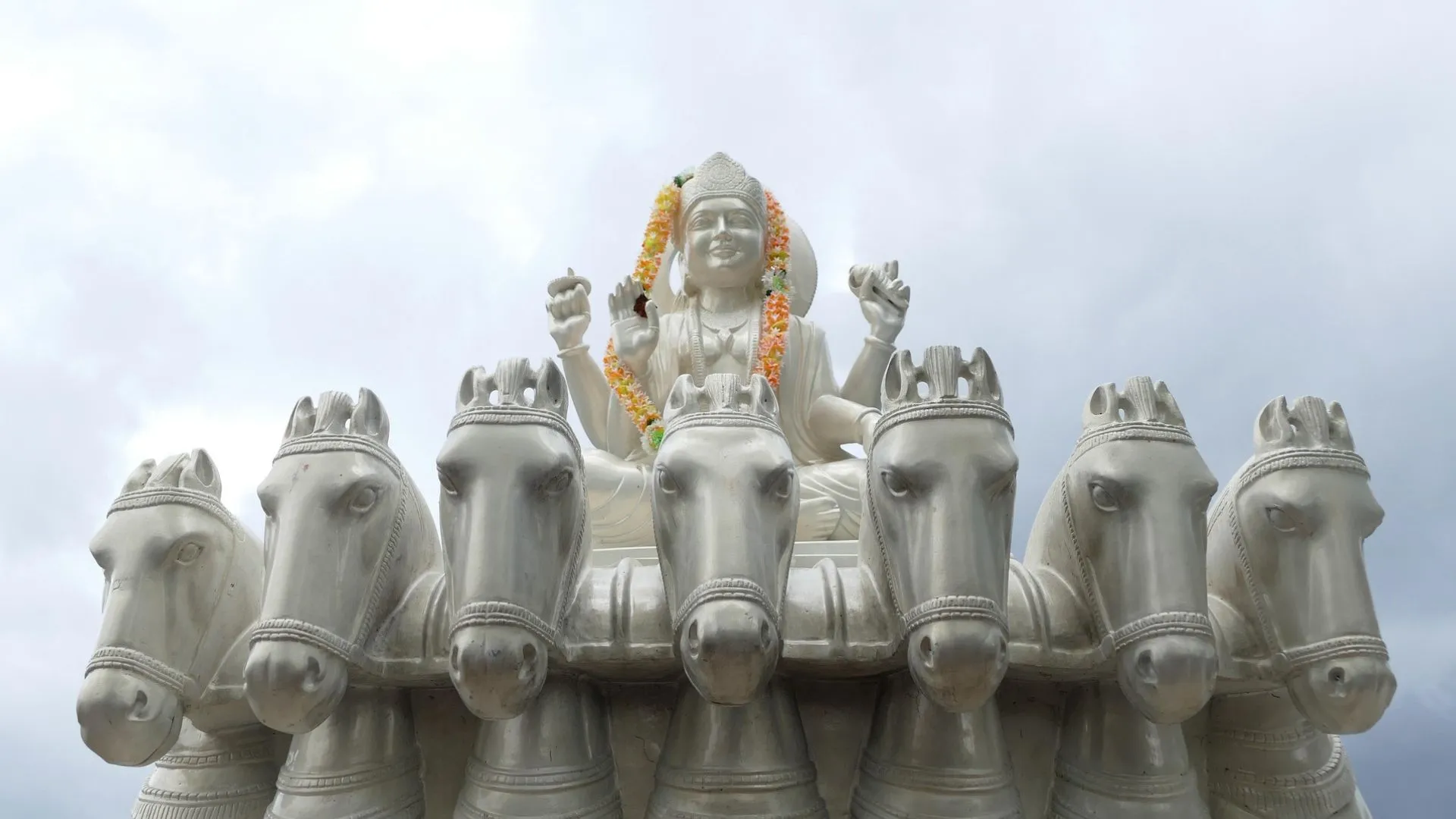
- Religious Sites: Dress modestly, cover shoulders and knees.
Remove shoes before entering temples or mosques, and do not carry leather items
at Hindu temples like in Grand Bassin. Photography is usually allowed outside but
always ask inside.
- During festivals such as Maha Shivaratri, Ganesh Chaturthi the atmosphere is boiling, so always be respectful of rituals and crowds.
- Market & Shopping Etiquette: Bargaining is expected and good-natured at Central Market Bazaar in Port Louis and street stalls, so beware of this practice. A smile and “Mersi” go a long way. Always compare prices before buying souvenirs is wise.
- Social Customs: Greetings are warm, a handshake or “Bonzour” is standard. Tipping 10% in restaurants is appreciated but it's often already included. Removing shoes when entering in someone’s home makes sense.
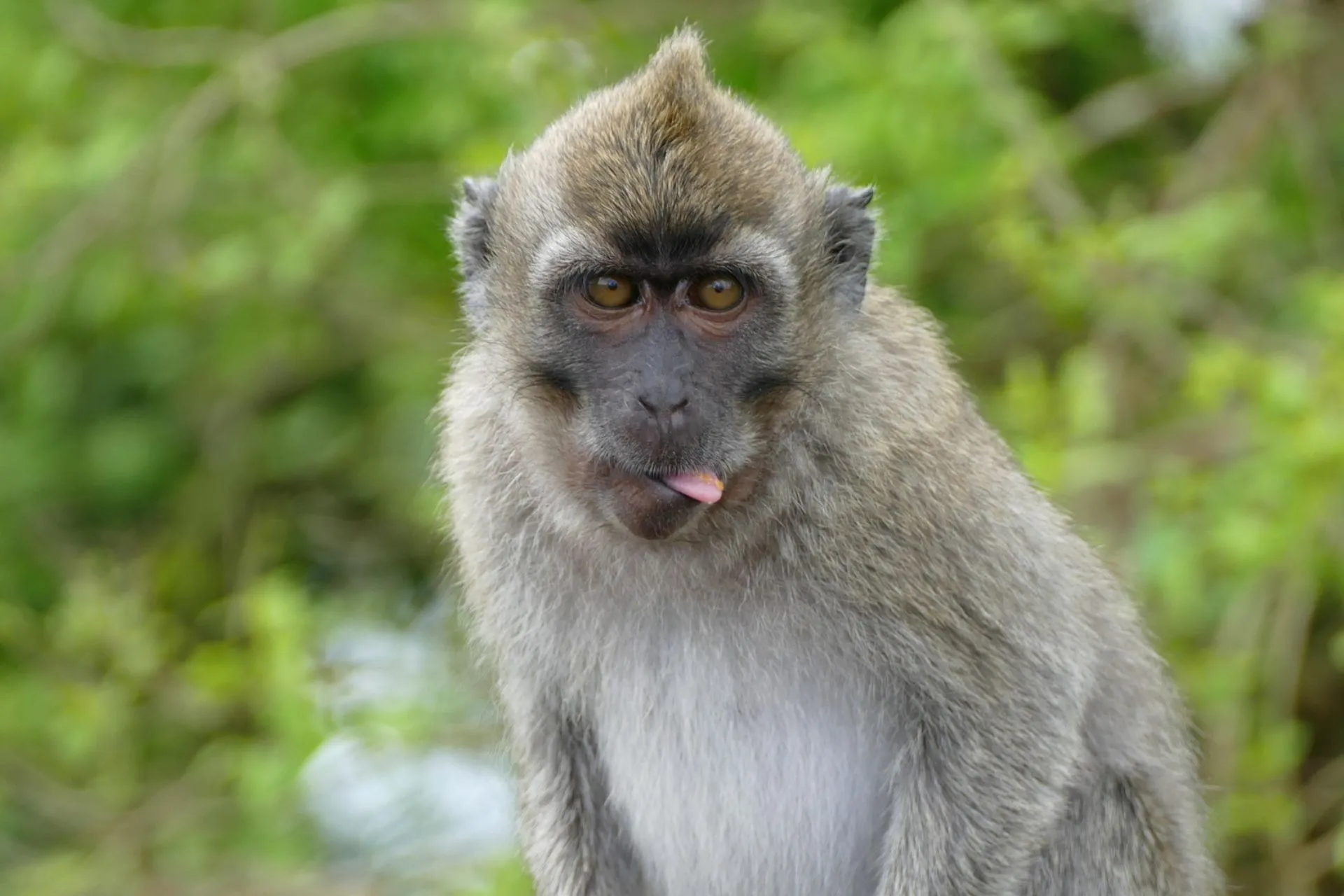
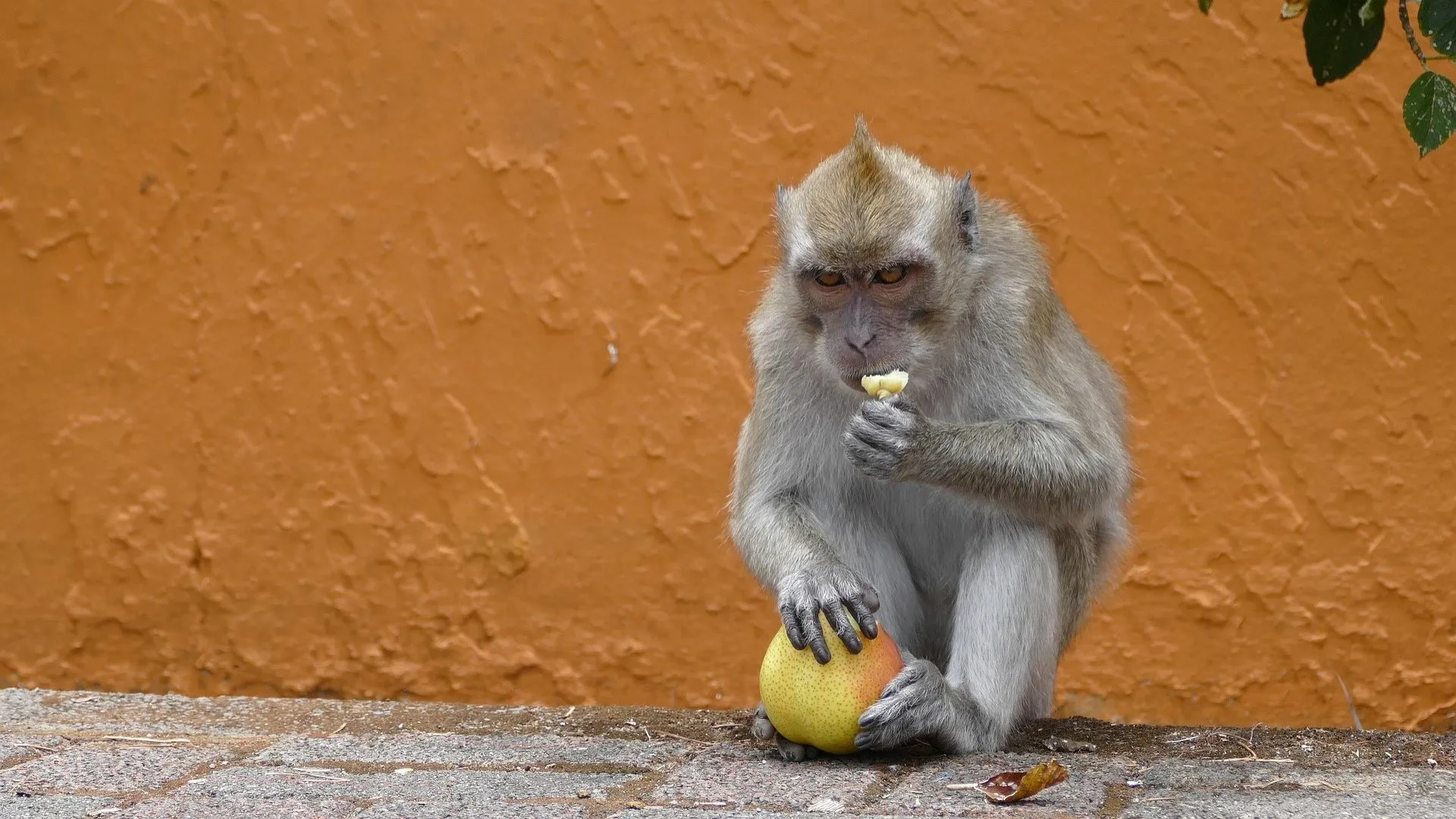
- General Behaviour: Monkeys at Grand Bassin are bold, never feed them and keep belongings very secure as they can snatch them.
Public Transportation Guide
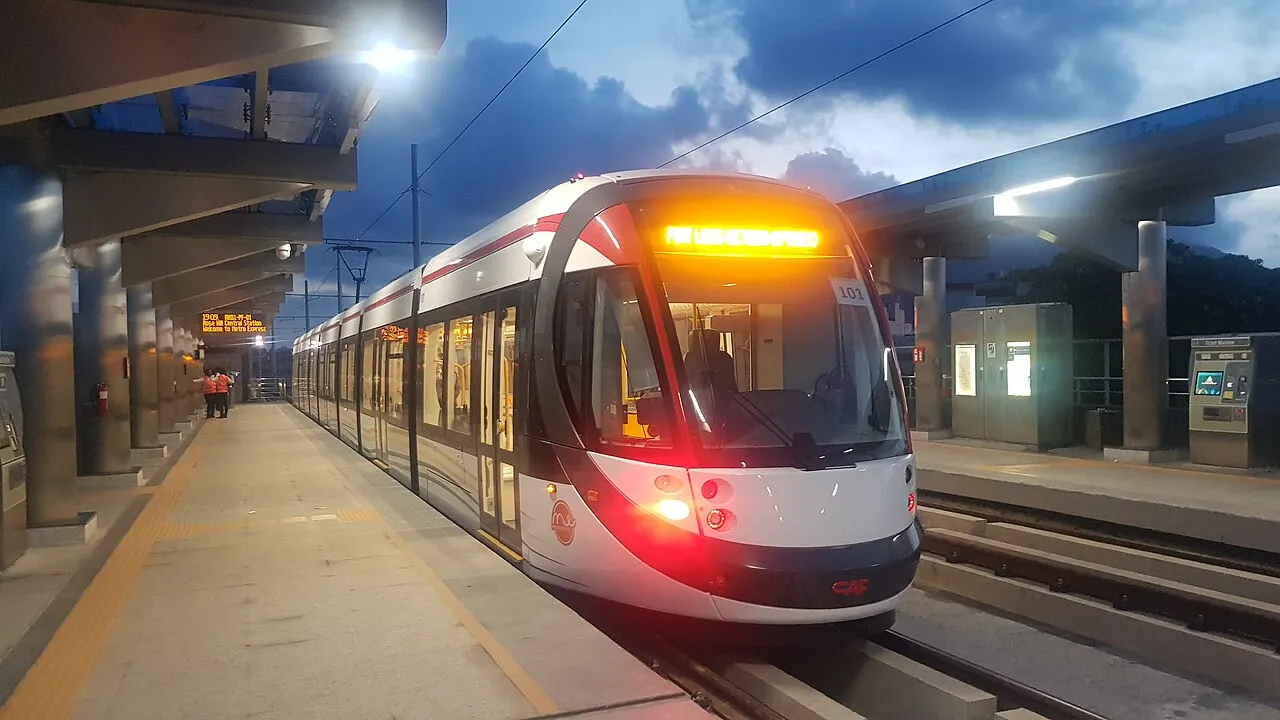
- Public Buses: Extremely cheap and frequent, they connect every district. Ideal for short to medium distances and a great way to experience local life. There are no fixed timetable, so just wave them down to make the driver stops. Paying the bus conductor in cash is necessary, so it's advised to give the exact amount.
- Metro Express (Light Rail): Modern, air-conditioned light rail system connecting Port Louis Victoria Station to Curepipe (approximately 26-30 km main line) via Rose Hill, Quatre Bornes and other central stations. A branch also serves Réduit / Ebene. Very useful for travellers staying in or visiting the central and western urban areas. Clean, reliable, and scenic on elevated sections. Operating hours are generally 06:00 to 19:00. You can either buy tickets or load a rechargeable MECard at station machines (fares start from Rs 20-30 for short trips, up to Rs 50-55 for the full Port Louis-Curepipe journey). There is a good integration with buses interchanges at major stations.
- Tourist Shuttles & Private Transfers: The most comfortable and reliable option between airports, hotels and main attractions comes with shuttles & transfers. You can always book in advance via your hotel or any app.
- Car Rental / Taxi: Driving is on the left. Renting a car gives maximum freedom for exploring Black River Gorges, Savanne, Grand Port and less accessible regions. Taxis and apps such as Yugo and Bolt are convenient in towns.
- Domestic Flights: Only useful for Rodrigues Island for a short 1h15 flight the main Island. Daily flights are also available.
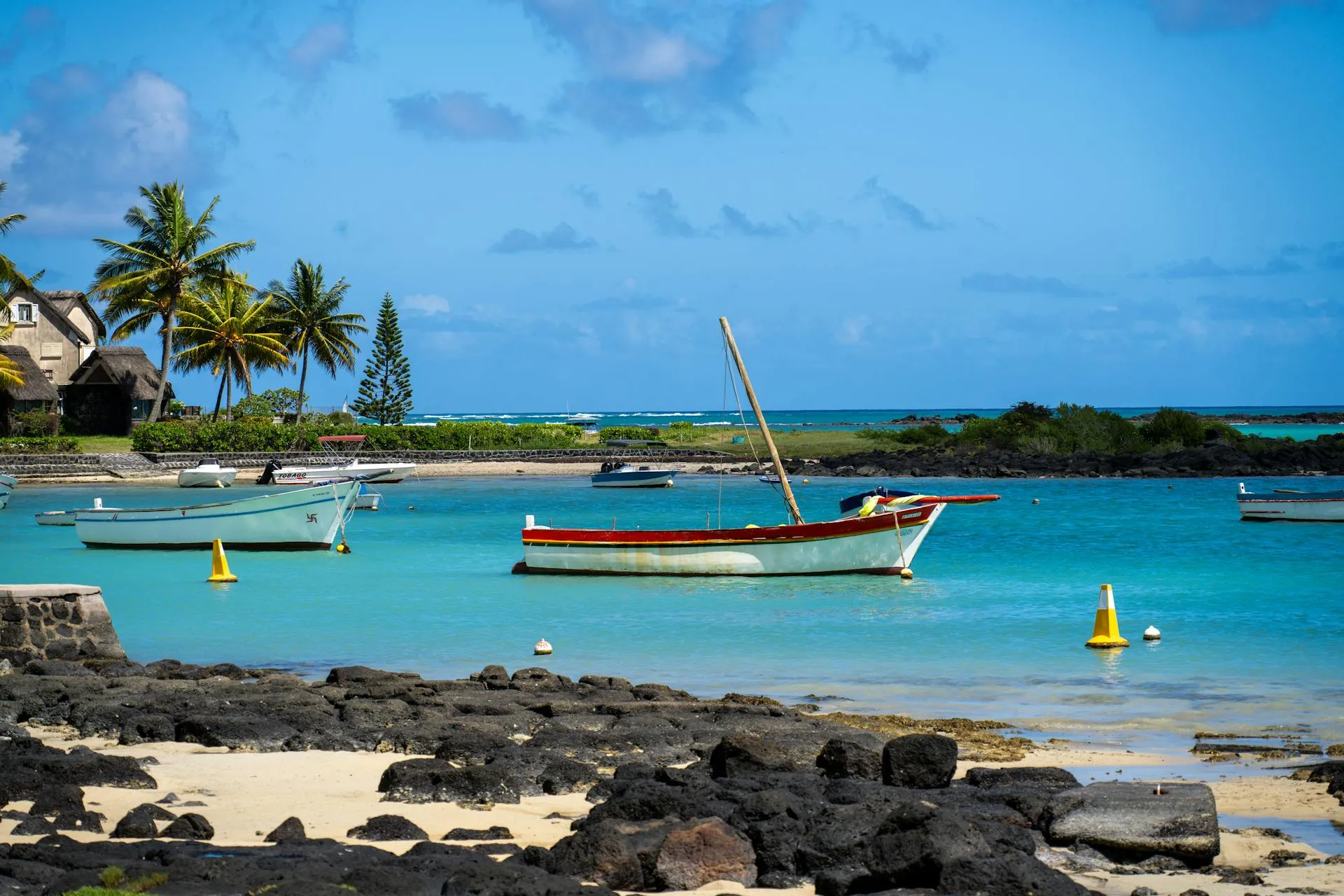
Major Hubs & Airport
- Sir Seewoosagur Ramgoolam International Airport (MRU):
- Sir Seewoosagur Ramgoolam International Airport Main gateway, located between 45 to 60 min from most resorts. Taxi/shuttle counters are located inside arrivals.
- Port Louis:
- Port Louis Central Bus Station Main departure point for buses and shuttles to all districts.
Health and Safety Tips
- Sun Protection: UV levels are high year-round. Use SPF 50+, wear a hat and stay hydrated, especially during hikes in Black River Gorges or Le Pouce.
- Water & Food: Drink bottled or filtered water. Street food at Central Market is generally safe if freshly cooked.
- Road Safety: Drive defensively. Speed bumps are everywhere and roads can be narrow in rural areas (Savanne, Grand Port).
- Wildlife & Nature: Monkeys at Grand Bassin are quick, so never feed them. Swim only in marked lagoon areas such strong currents on east and south coasts are frequent.
Emergency Contacts
- Emergency Services:
-
Police / Ambulance: 999 or 112
Fire: 115
-
Police / Ambulance: 999 or 112
- Tourist Assistance:
- Mauritius Tourism Promotion Authority (MTPA) Helpline: +230 203 6200
- Tourist Police (24/7): +230 203 6210
Was this Guide Helpful?
Receive the Newsletter
Receive infos, e-catalogues, gifts & more by subscribing for free

More information on data privacy policy here. By subscribing to our newsletter, you allow yourself to send your personal information (email address) to Visit Idea, the recipient and manager of your subscription. Your data are stored in the European Union and in third-party countries assuring an adequate level of protection in accordance with a decision adopted by the European Commission or in accordance with the contractual clauses approved by the European Commission. Your data will be suppressed at the latest three years (3) after our last contact, in the absence of unsubscription. You can withdraw your consent to the processing of your personal data at any time using the unsubscribe link in each newsletter you receive, which will terminate your subscription.
Pictures of Mauritius: the Complete Guide
Photo Credit: Visit Idea
Photo Credit: Visit Idea
Photo Credit: Visit Idea
Photo Credit: Visit Idea
Similar Articles