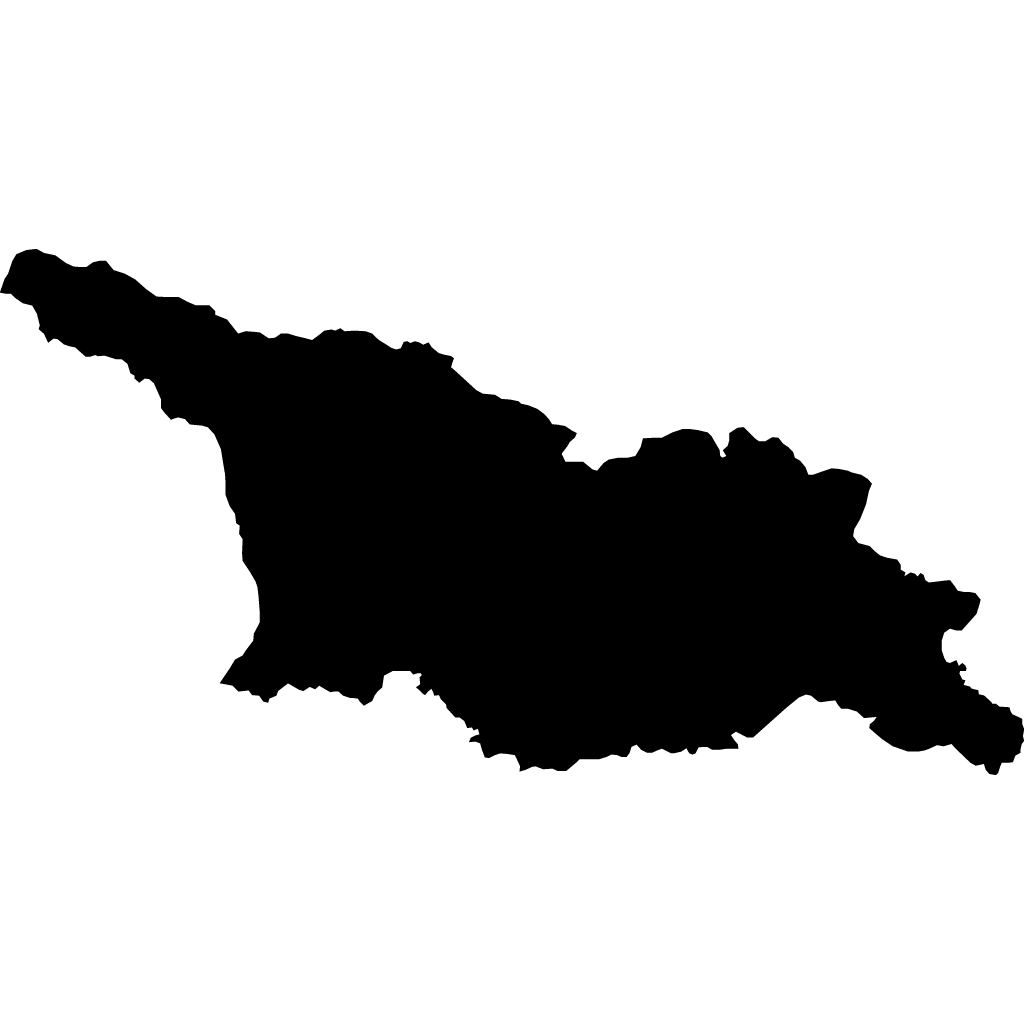
Nestled at the crossroads of Europe and Asia, Georgia is a small yet diverse country
bordered by Russia to the north, Turkey and Armenia to the south, Azerbaijan to the
southeast, and the Black Sea to the west. Its wonderful landscapes range from the
snow-capped peaks of the Greater Caucasus Mountains to the lush vineyards of the
Kakheti region and the subtropical coastline of the Black Sea. Georgia's capital,
Tbilisi, is renowned for its old town, culture, and rich history. Along the Black
Sea coast, the city of Batumi displays a more contemporary side of Georgia with its
modern architecture and nightlife, with a worldwide status as a growing tourist
destination.
Historically, Georgia boasts a heritage that dates back to ancient times. It was one
of the first countries to adopt Christianity as the state religion in the early 4th
century. The country has seen the rise and fall of many empires, including the
Roman, Byzantine, and Persian empires, each leaving its mark on Georgian culture and
architecture. In the medieval period, Georgia experienced a golden age under the
reign of King David IV and Queen Tamar, becoming a cultural and political powerhouse
in the region.
Despite periods of foreign domination, Georgia maintained its identity, culminating
in its independence from the Soviet Union in 1991. Today, Georgia is a modern nation
that harmoniously coexists with its ancient traditions alongside contemporary
influences.
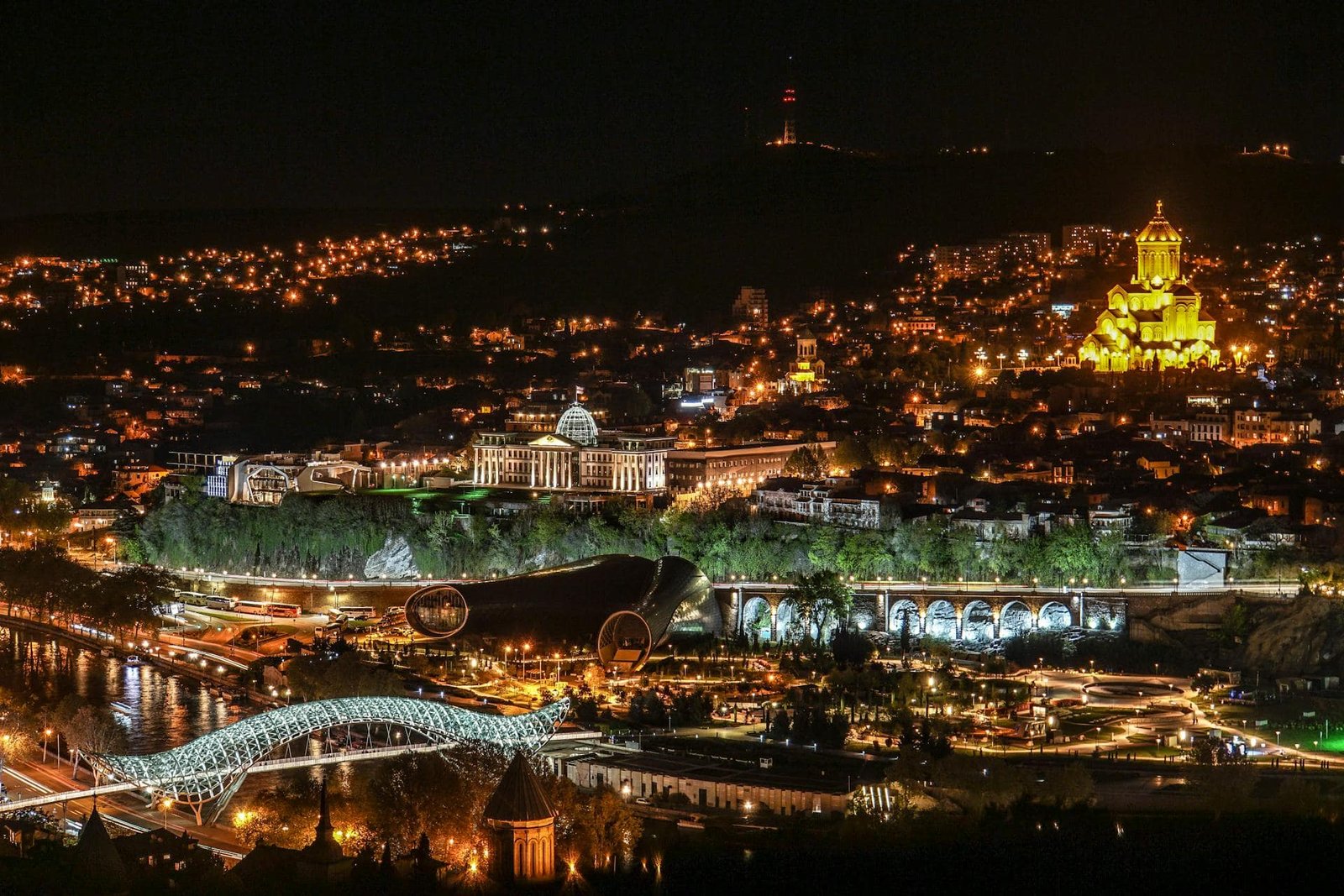
Tbilisi, the capital of Georgia,
is located in the southeastern part of the country, along the
Kura River and surrounded by rolling hills and the Caucasus
foothills. This geographical setting has long made it a key
point on trade routes between Europe and Asia. With a population
exceeding 1.1 million, the city is a vibrant urban hub, though
traffic can be heavy in its older districts. The city is
well-connected through Shota Rustaveli Tbilisi International
Airport, located 17 kilometers southeast of the center.
Tbilisi’s history stretches back over a millennium, with its Old
Town showcasing remnants of its diverse past, from ancient
churches to Persian and Soviet influences. Notable sites include
the historic sulfur baths in the Abanotubani district, the
Narikala Fortress perched above the city, and the modern Bridge
of Peace. These landmarks offer a glimpse into Tbilisi’s rich
cultural and architectural legacy, making it a fascinating
destination for visitors.
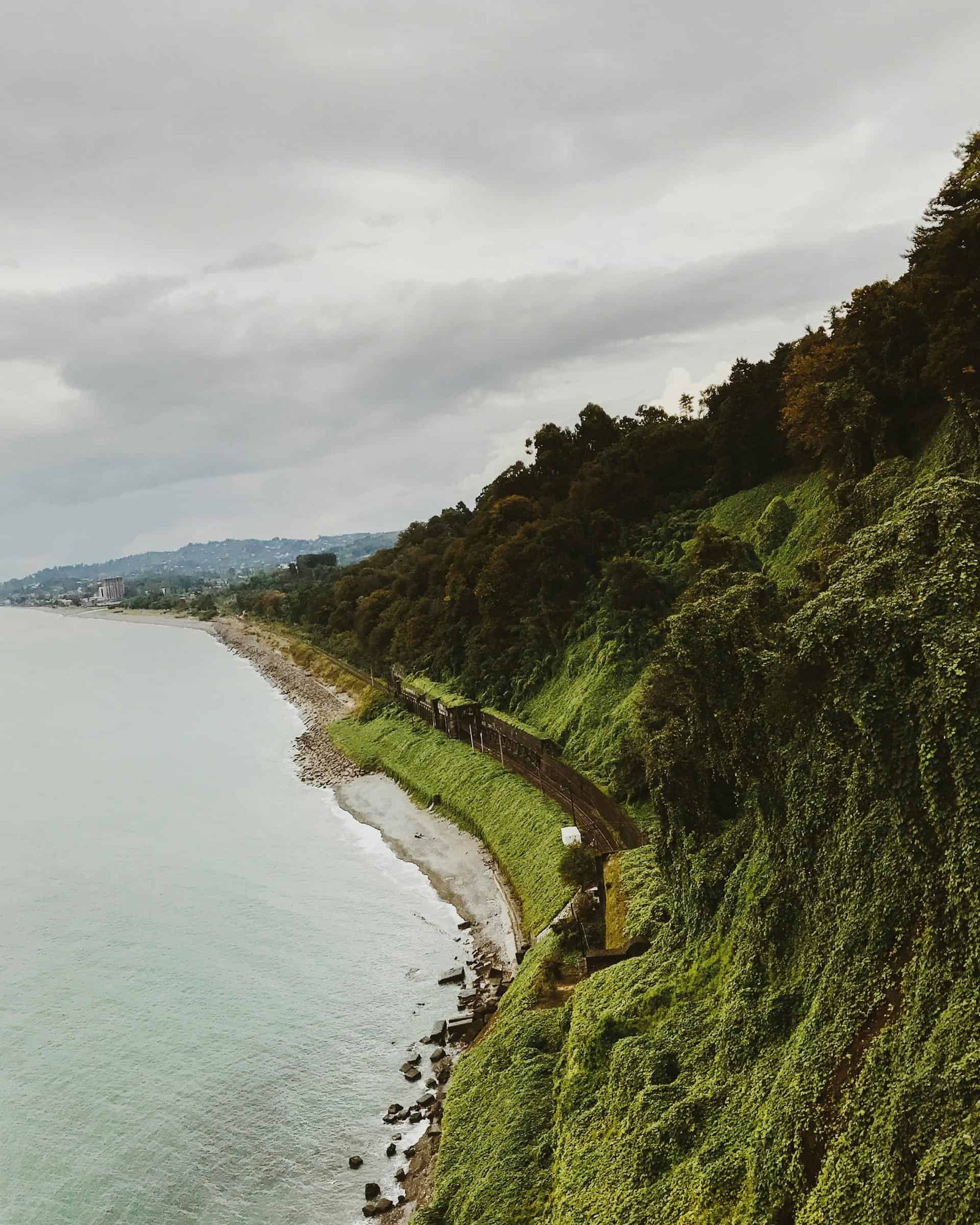
Batumi, located on the Black Sea
coast in southwestern Georgia, is a major port and resort city,
easily accessible from Turkey, as it is near the Turkish border.
The city’s coastline provides peaceful promenades and
well-maintained beaches. Batumi is home to the Batumi Botanical
Garden, featuring a wide range of plant species and outlooks of
the sea. The Gonio Fortress, an ancient Roman fortification just
outside the city, provides historical insight into the region.
Batumi is also a center for entertainment, with numerous
casinos, bars, and nightclubs. The city's casinos offer various
gaming options, while its nightlife ranges from dance clubs to
more relaxed spots. Batumi is served by Batumi International
Airport, providing convenient access for visitors arriving by
air.
Mtskheta-Mtianeti, located in
central Georgia, is a region known for its historical and
cultural significance. Situated between the Greater Caucasus
Mountains and the Mtkvari River, it includes Mtskheta, one of
Georgia's oldest towns and a UNESCO World Heritage Site. Once
the capital of the ancient Kingdom of Iberia, Mtskheta is home
to important religious sites, including the Svetitskhoveli
Cathedral and Jvari Monastery. The region’s combination of
historical landmarks and natural landscapes hold out insight
into Georgia's past and present. Mtskheta is located about 20
kilometers north of Tbilisi, making it easily accessible for day
trips, while Batumi, on the Black Sea coast, is about 330
kilometers to the west.
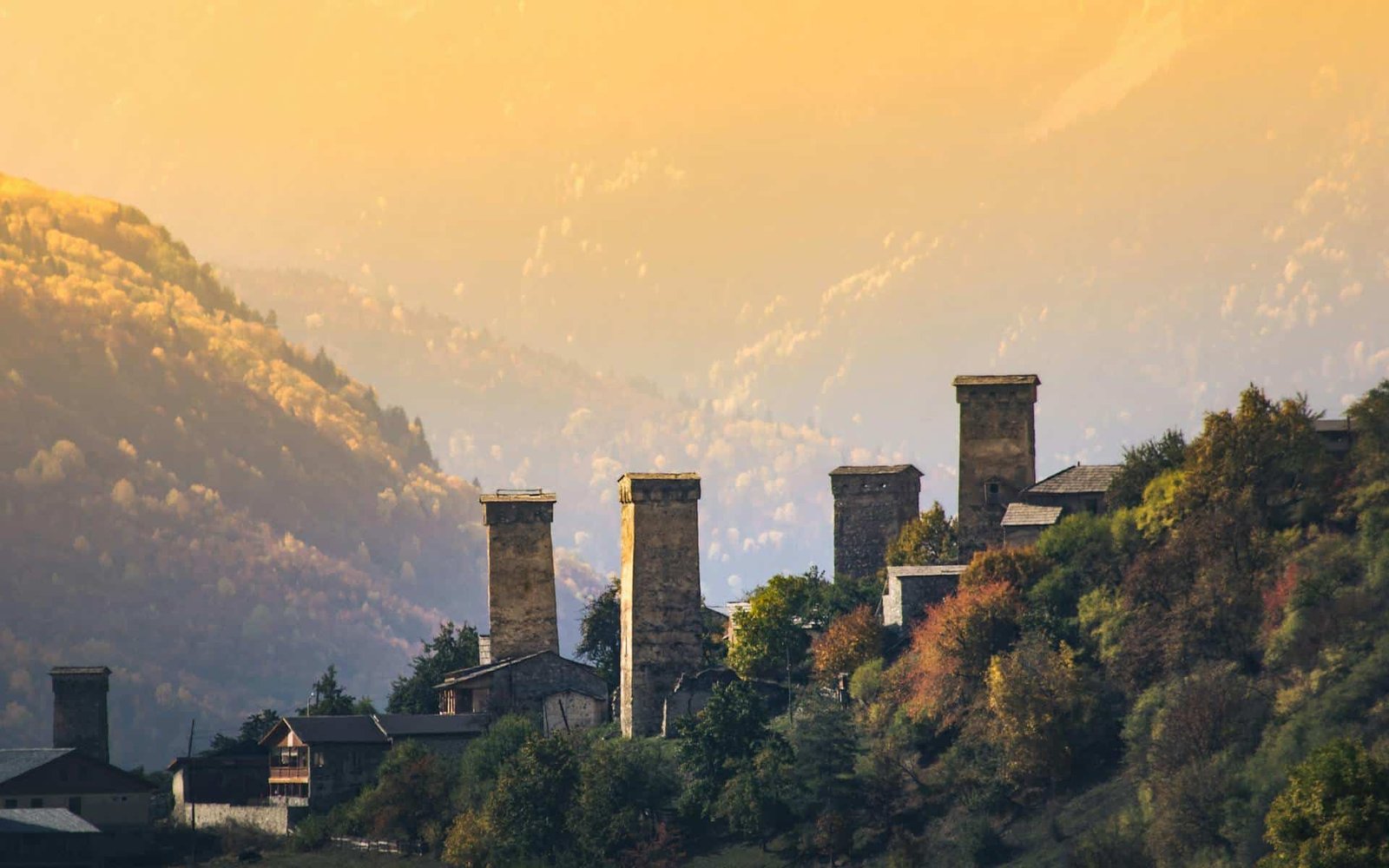
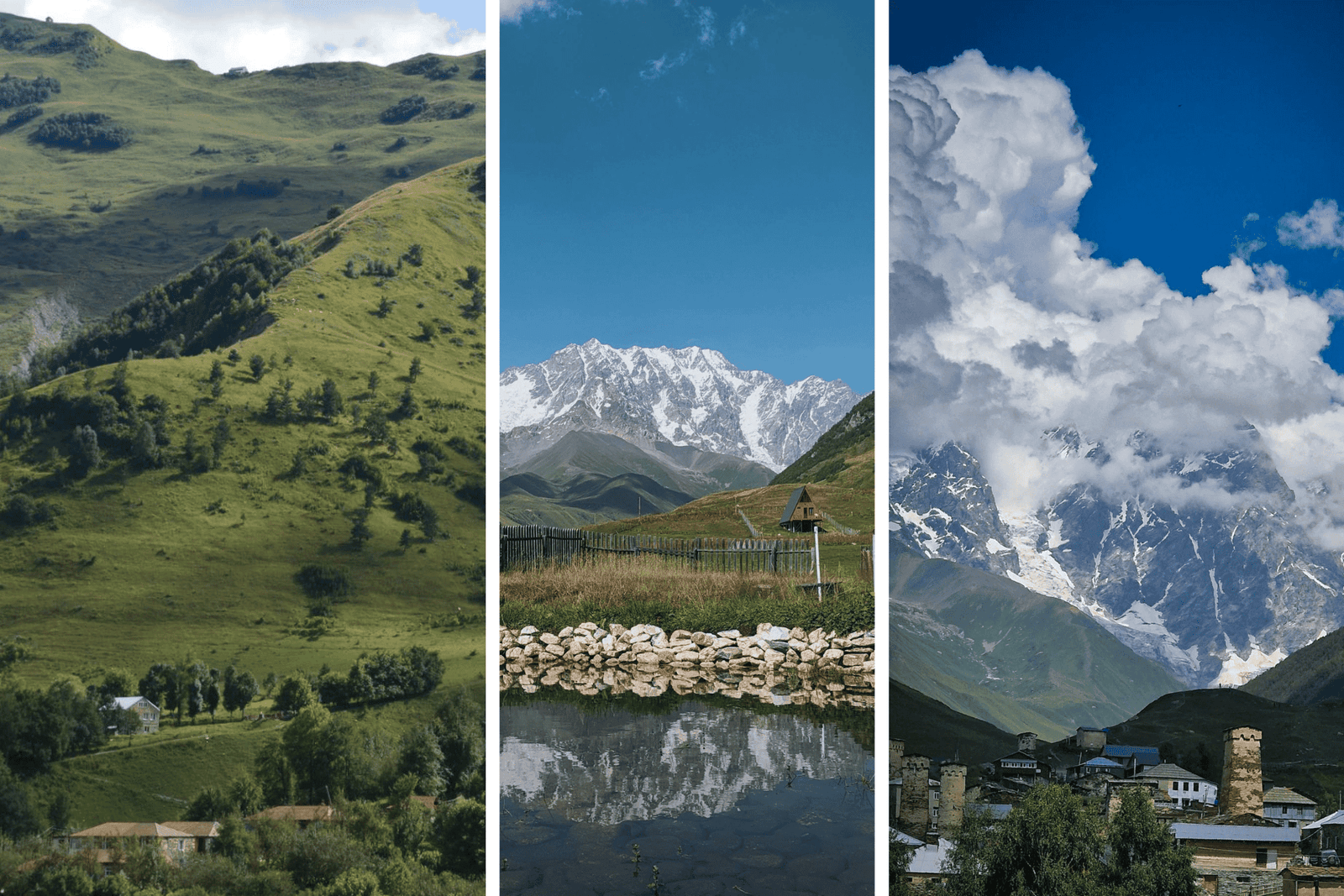
Svaneti, located in the Greater
Caucasus Mountains in northwest Georgia, is a region known for
its historical and natural significance. It is home to the Svan
people, who have preserved their unique culture and traditions.
The region is dotted with ancient Svan towers, medieval stone
structures built for defense, which stand in the villages
throughout Svaneti. These towers provide insight into the
region’s past and offer picturesque views of the surrounding
landscape. Svaneti is accessible from both Tbilisi, around
460 km to the southeast, and Batumi, approximately 270 km to
the west. Though remote, the area can be reached by road, with
local airports providing access to the region.
The region provides hiking trails through lush valleys and high
mountain peaks, attracting adventure seekers and nature lovers.
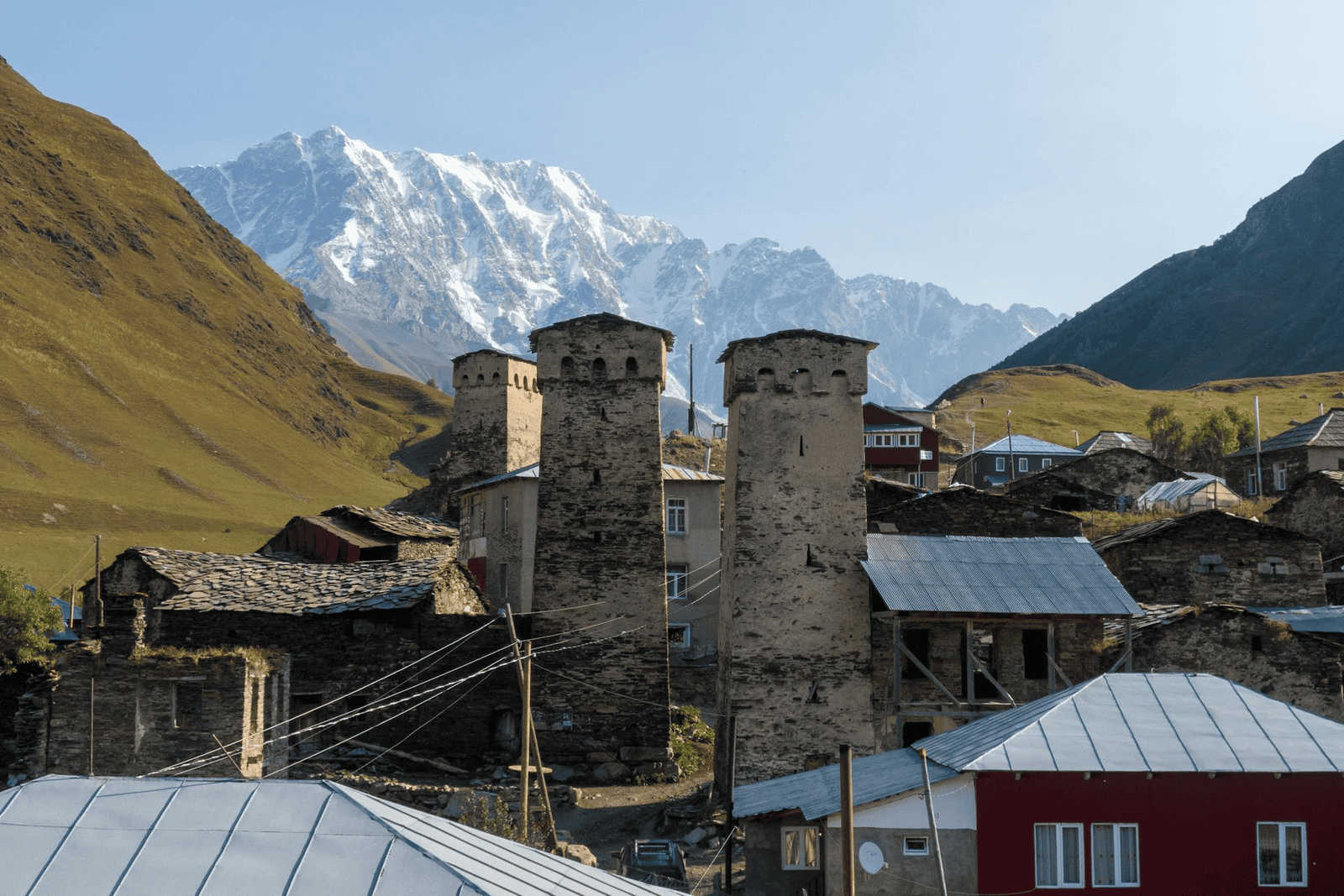
Visitors can explore the UNESCO World Heritage Site of Ushguli,
one of the highest settlements in Europe.
Half-way between Tbilisi and
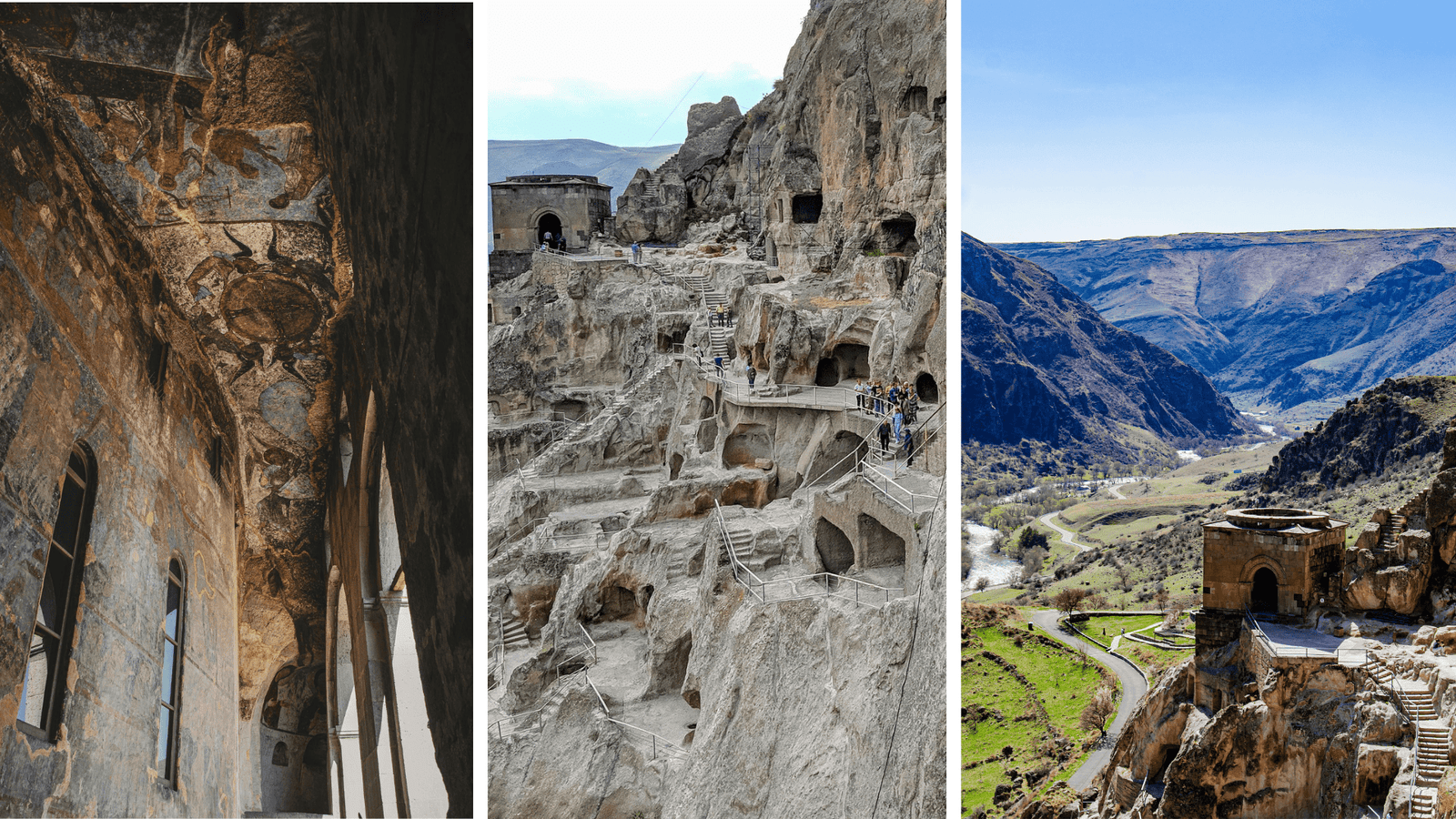
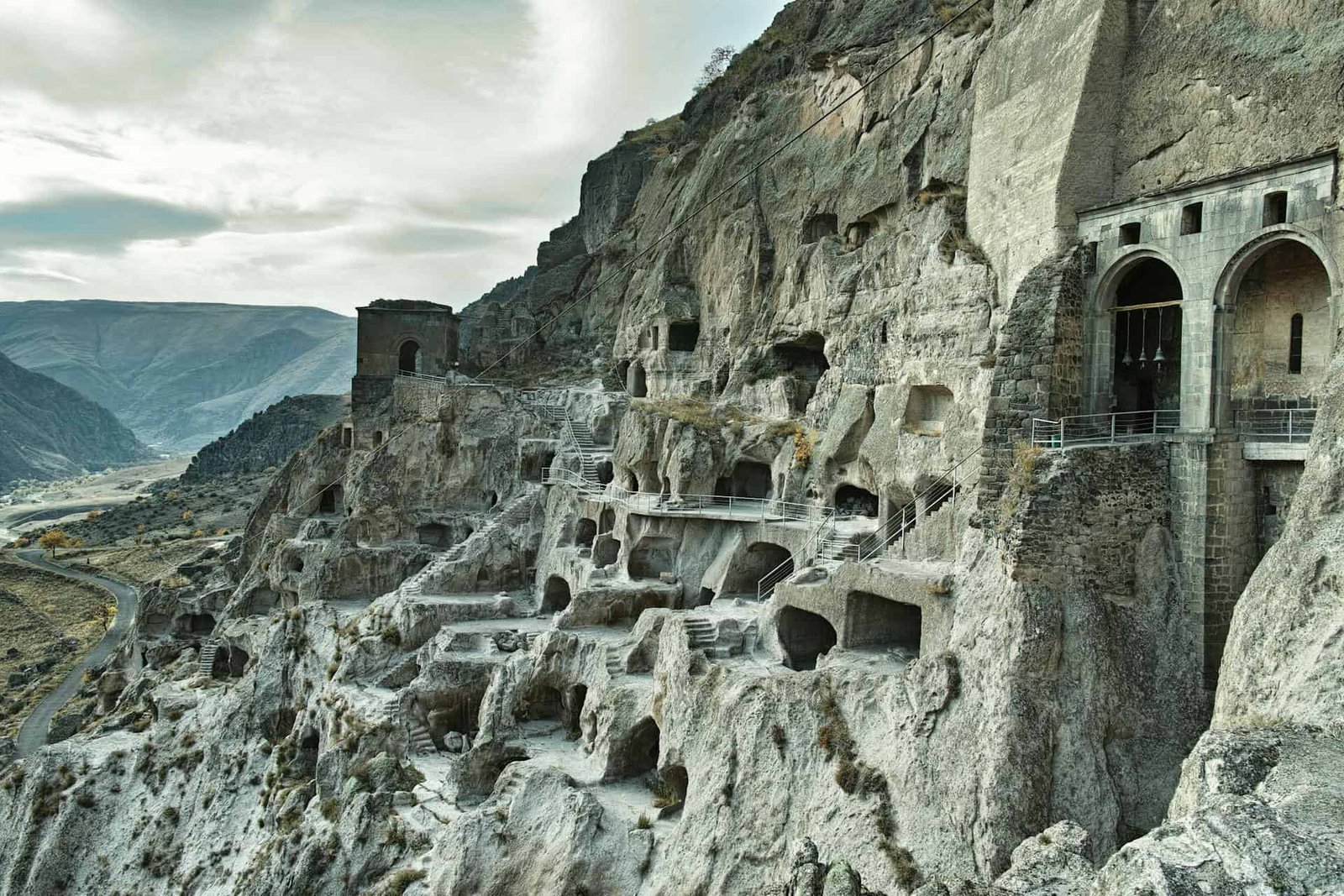
Batumi, Vardzia is located in the southern part of Georgia.
Only reachable by road, this 12th-century cave monastery
carved into Erusheti Mountain is known for its extensive
complex of over 6,000 rooms, spread across 13 levels, which
were used as living quarters, chapels, and storage spaces.
If heading towards the 30 kilometers distant town of
Akhaltsikhe from Khertvisi, which is located 20mn rides
north from Varzdia, you might witness one of the most
beautiful road in whole Georgia.
Nearby Akhaltsikhe, features the Rabati Castle, a restored
fortress with a museum, mosque, and several historical
buildings. The town and its surroundings add to the
historical atmosphere of Vardzia, providing a deeper
understanding of Georgia’s medieval history and culture.
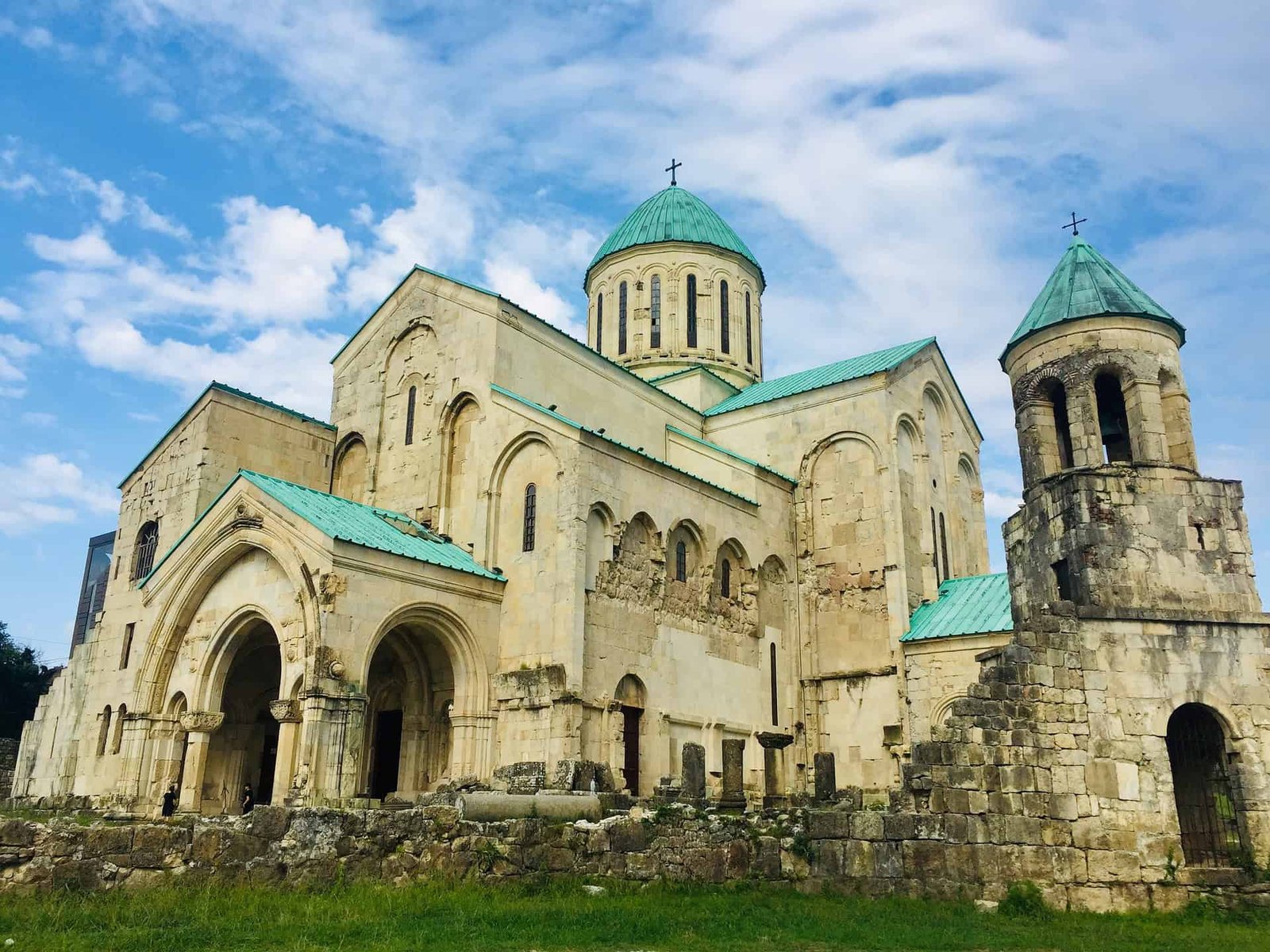
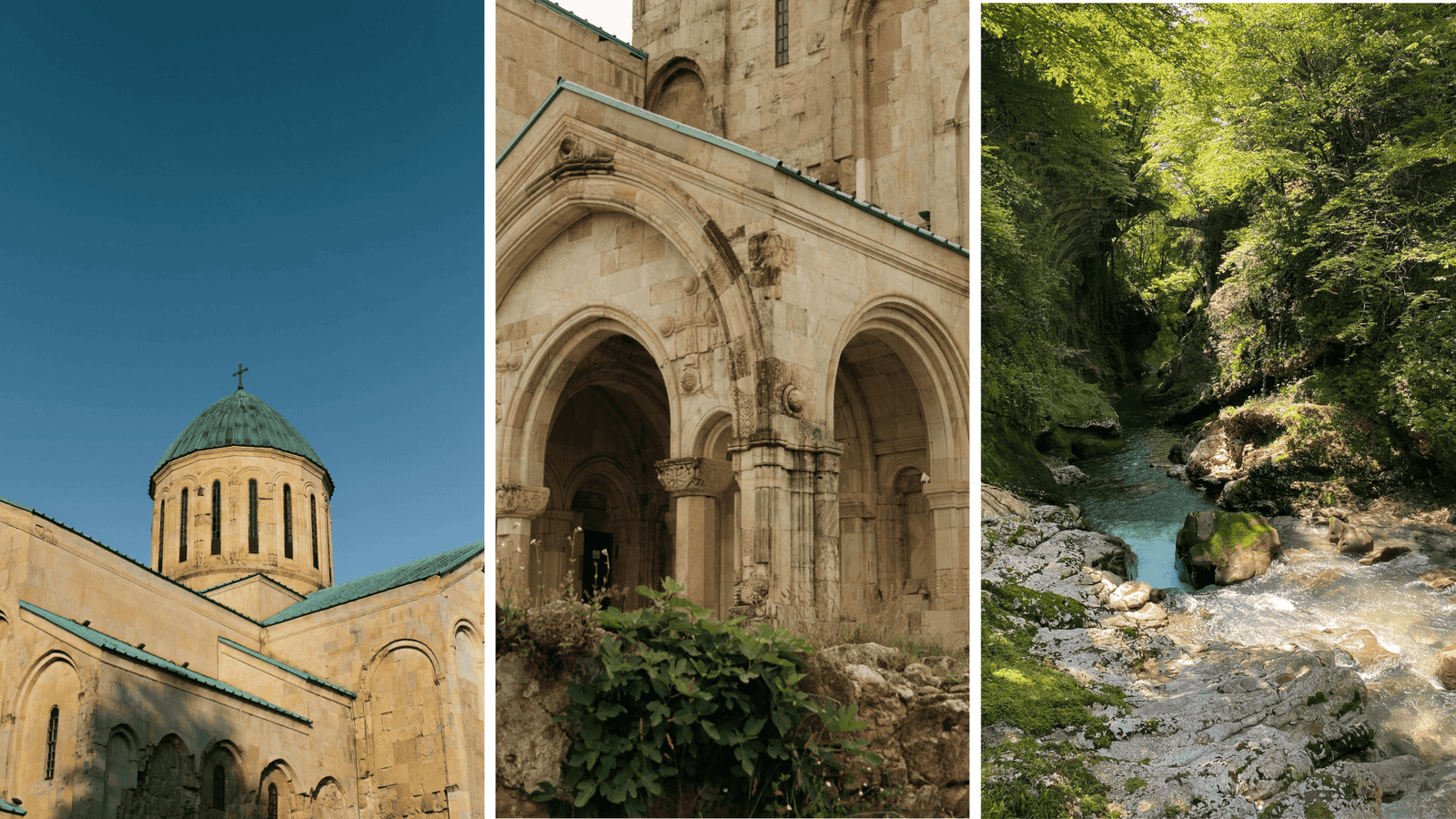
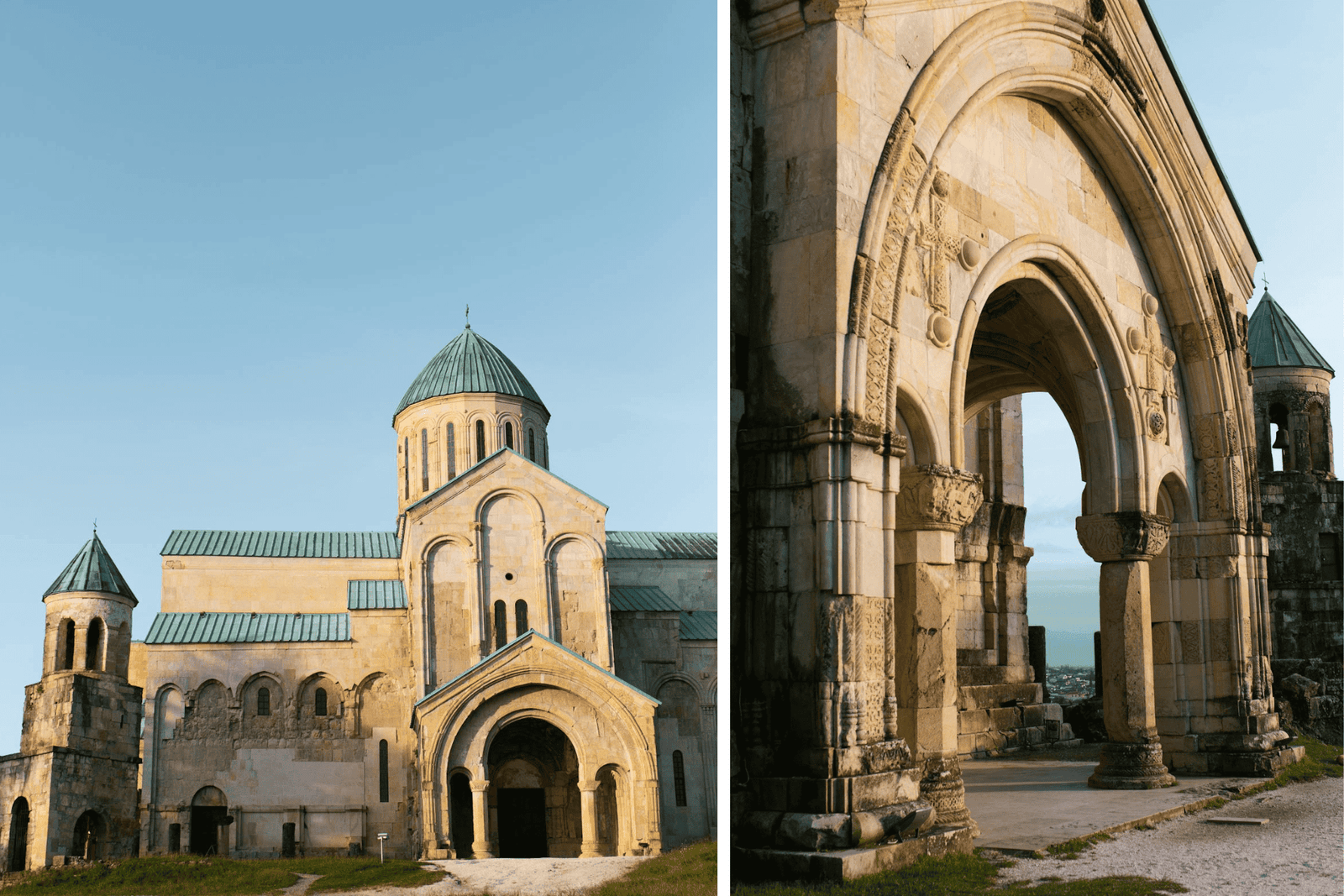
Kutaisi, located in western
Georgia, is one of the oldest continuously inhabited cities in
the world. Situated on the banks of the Rioni River, it has long
been a key cultural and historical center in the region. The
city is home to several significant UNESCO World Heritage Sites,
including the Bagrati Cathedral, an example of medieval Georgian
architecture, and the Gelati Monastery, known for its historical
importance and impressive frescoes.
Kutaisi is accessible from Tbilisi, about 230 kilometers to the
east, and has an international airport offering flights
to nearby countries.
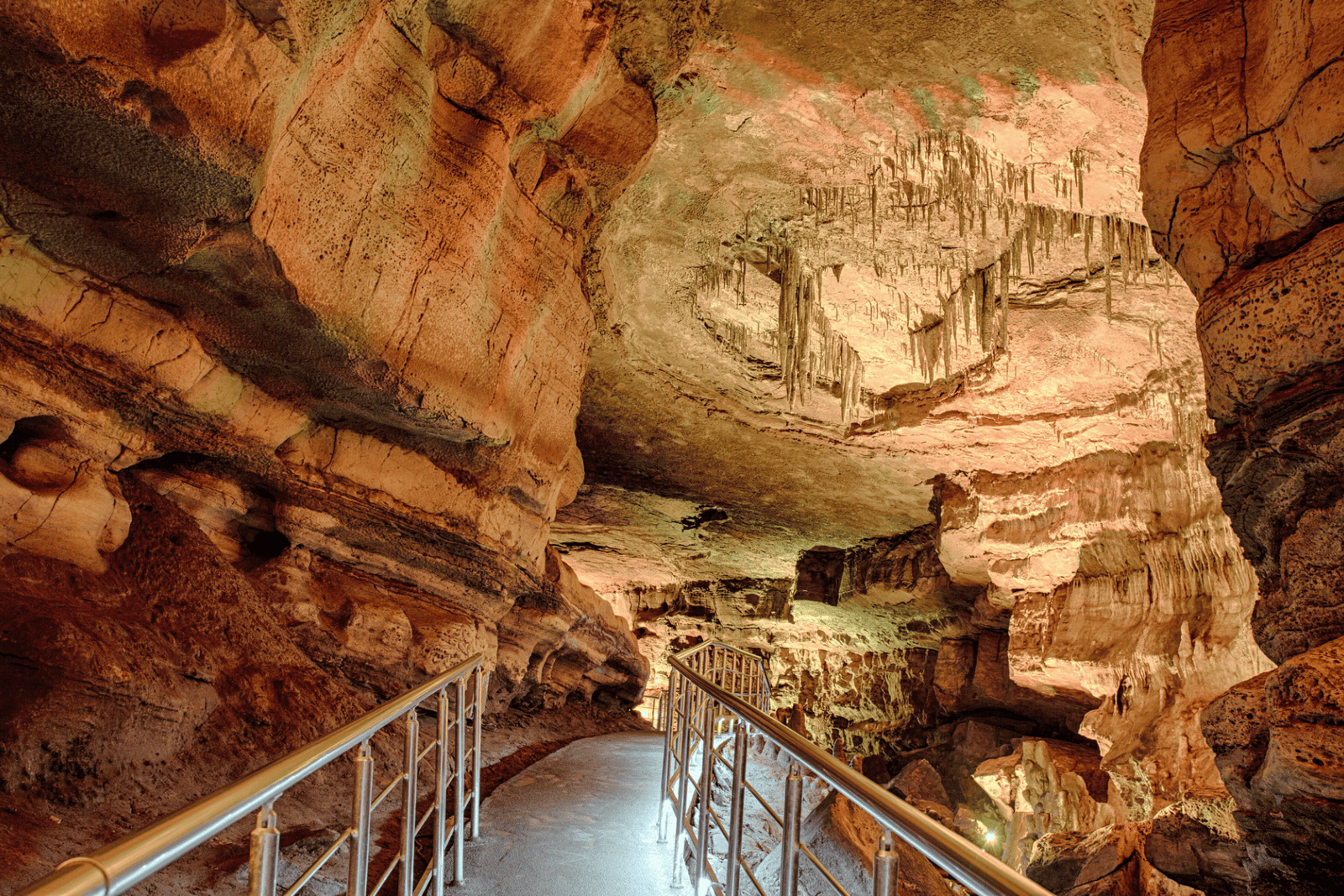
In addition to its historical sites, Kutaisi features lively
markets where visitors can explore local foods and crafts. A
short distance from the city is Prometheus Cave, known for its
striking stalactites and stalagmites, adding a natural wonder to
the city's cultural hubs.
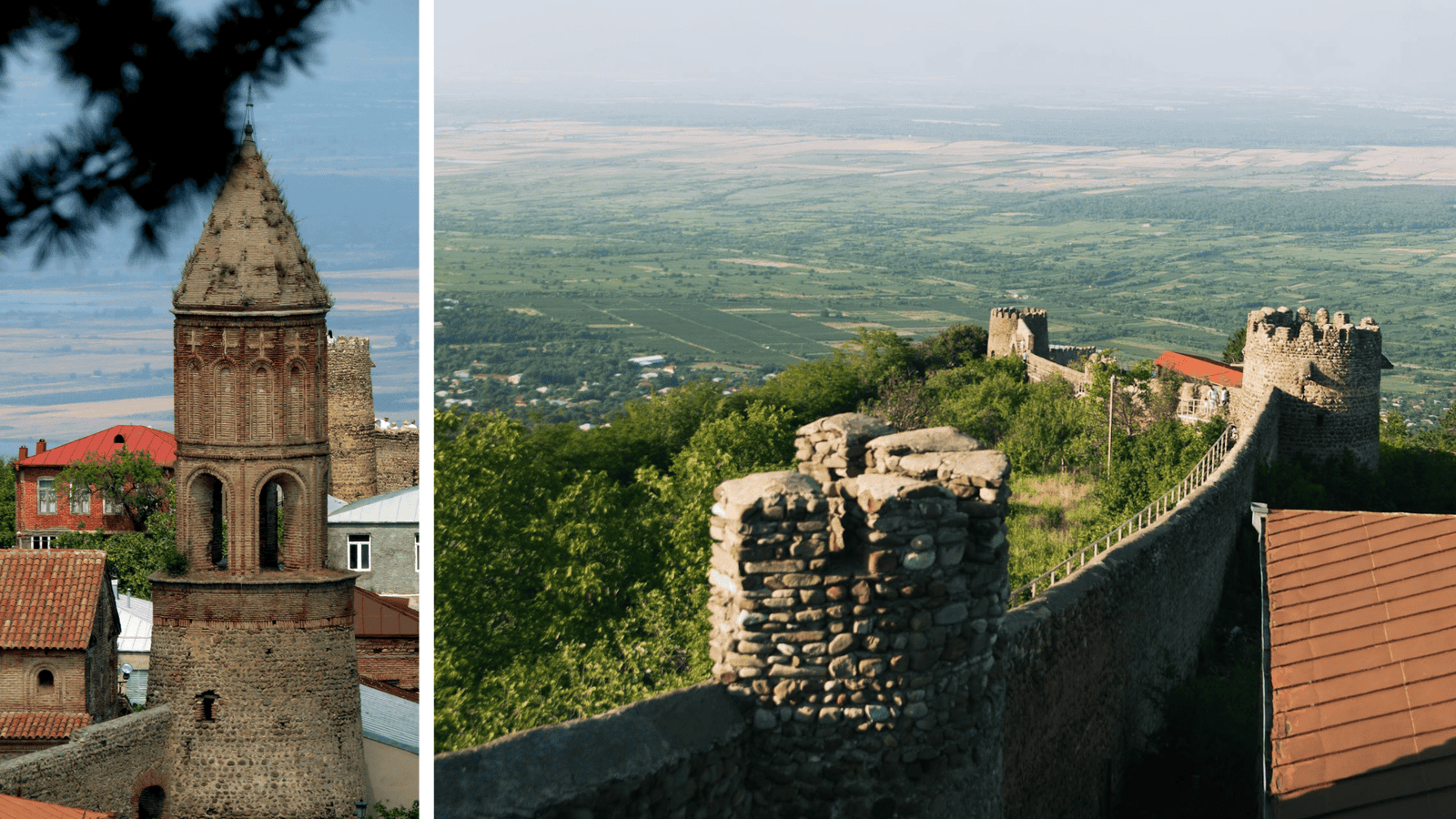
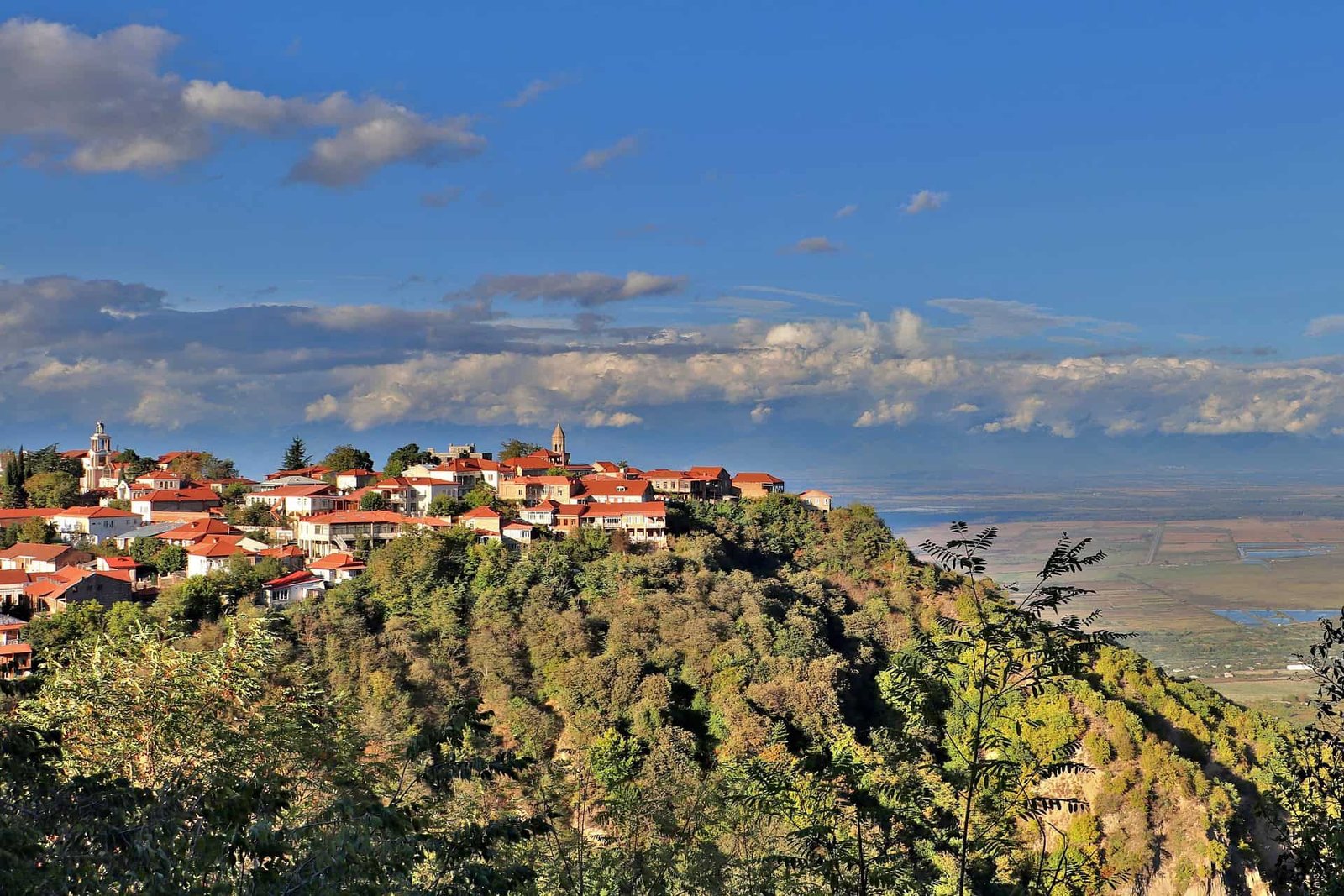
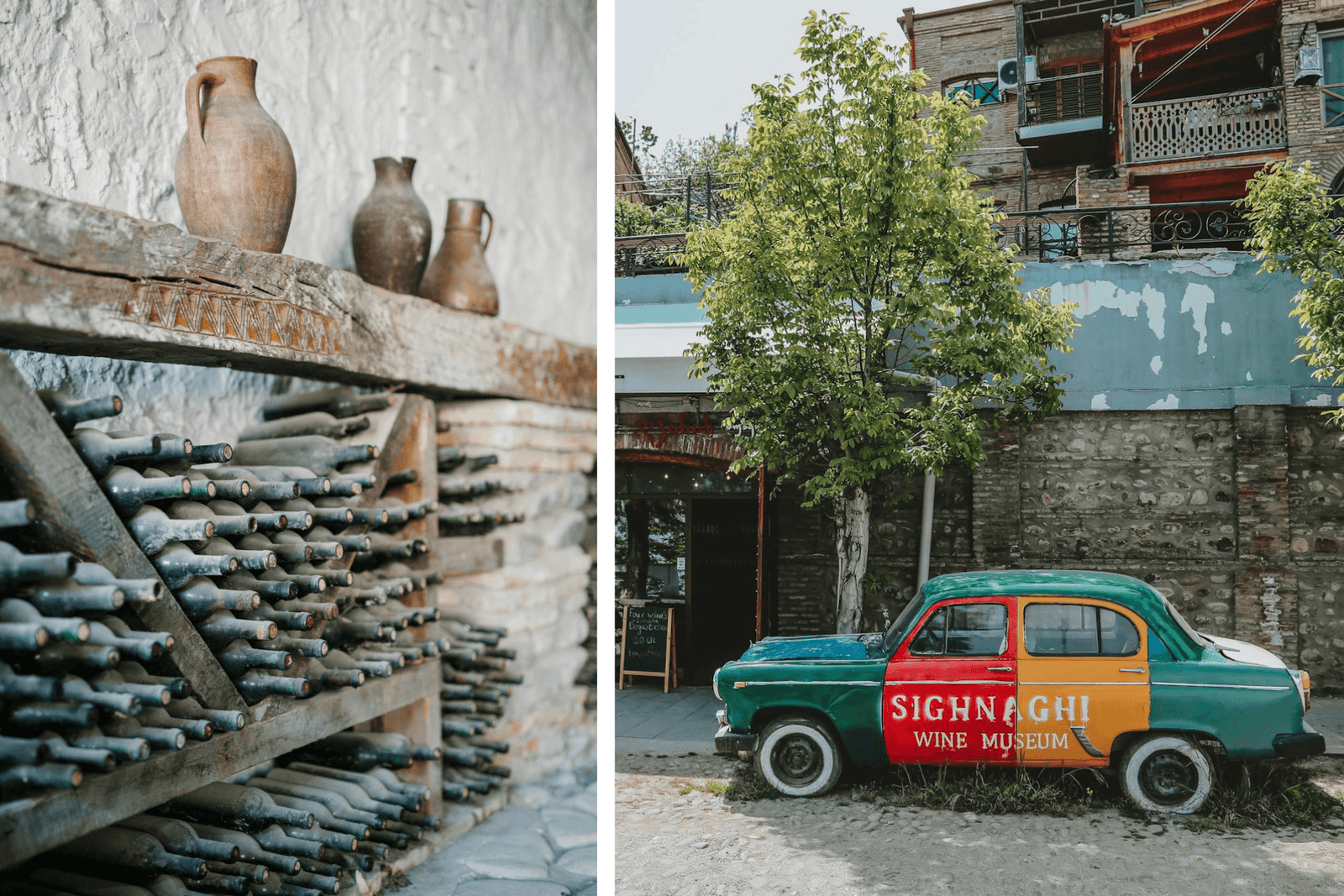
Sighnaghi, also called the
“City of Love” located in the Kakheti wine region of eastern
Georgia, is a town with a rich historical and cultural
heritage. It sits on a hill overlooking the Alazani Valley
and is known for its well-preserved 18th-century walls and
watchtowers, giving us an eye into its past as a fortified
town. The town is accessible from Tbilisi, approximately
110 kilometers to the west, and is reachable by road.
Sighnaghi is also recognized for its wine culture, with local
vineyards offering wine-tasting tours and traditional wine
cellars to explore. Nearby, the Bodbe Monastery, a significant
pilgrimage site, provides serene scenes of the surrounding
landscape.
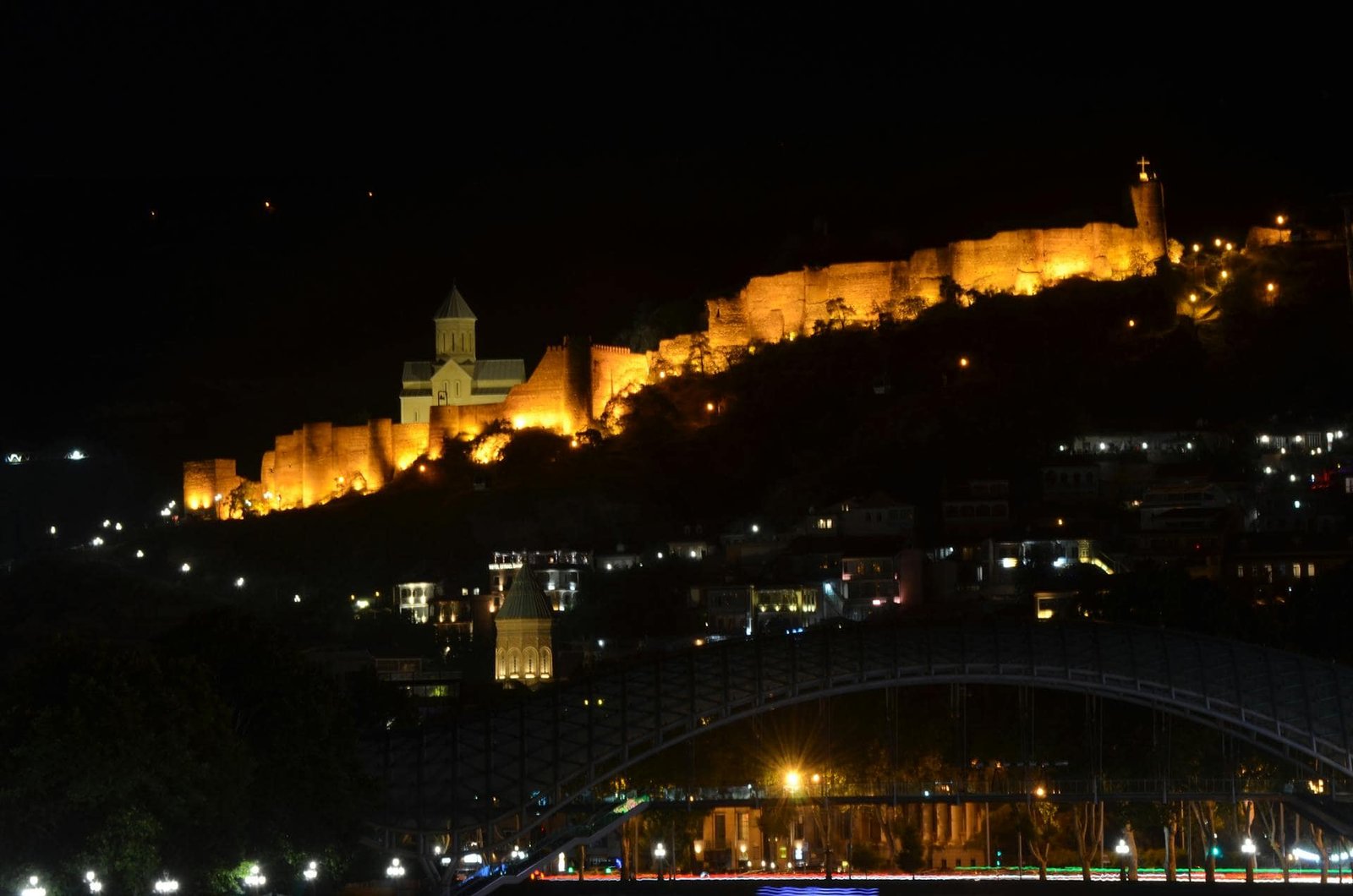
One of the oldest landmark of Tbilisi, the 4th-century
fortress with its restored church & sweeping views over
Tbilisi, is surely the must iconic monument to explore in
the capital city. Accessible by a cable car, the Fortress
stands as an impressive architectural feat, whereas nearby,
the Mother of Georgia massive statue is dominating the city.
The fortress needed renovation and is now scheduled to
reopen in August 2025.
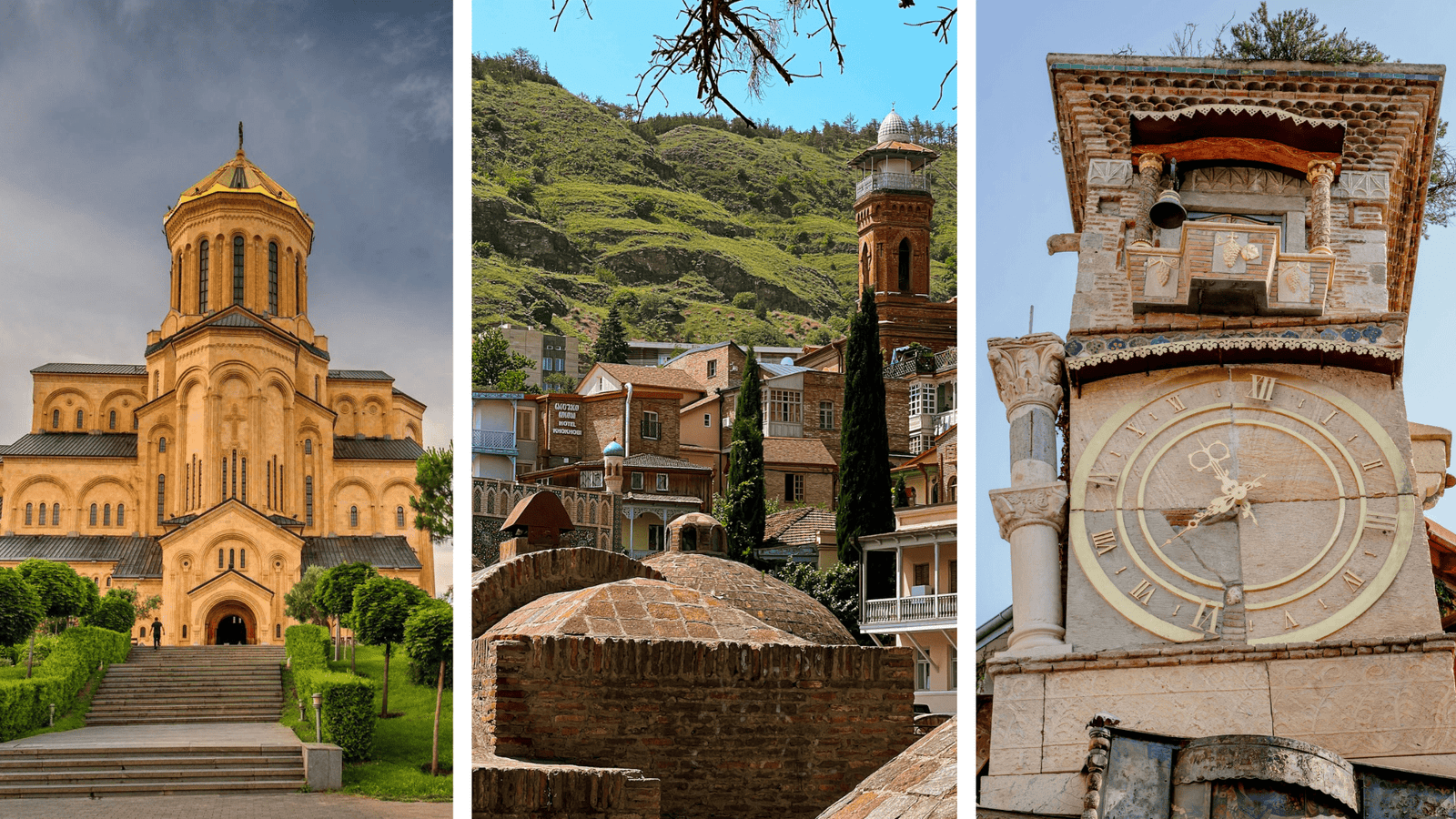
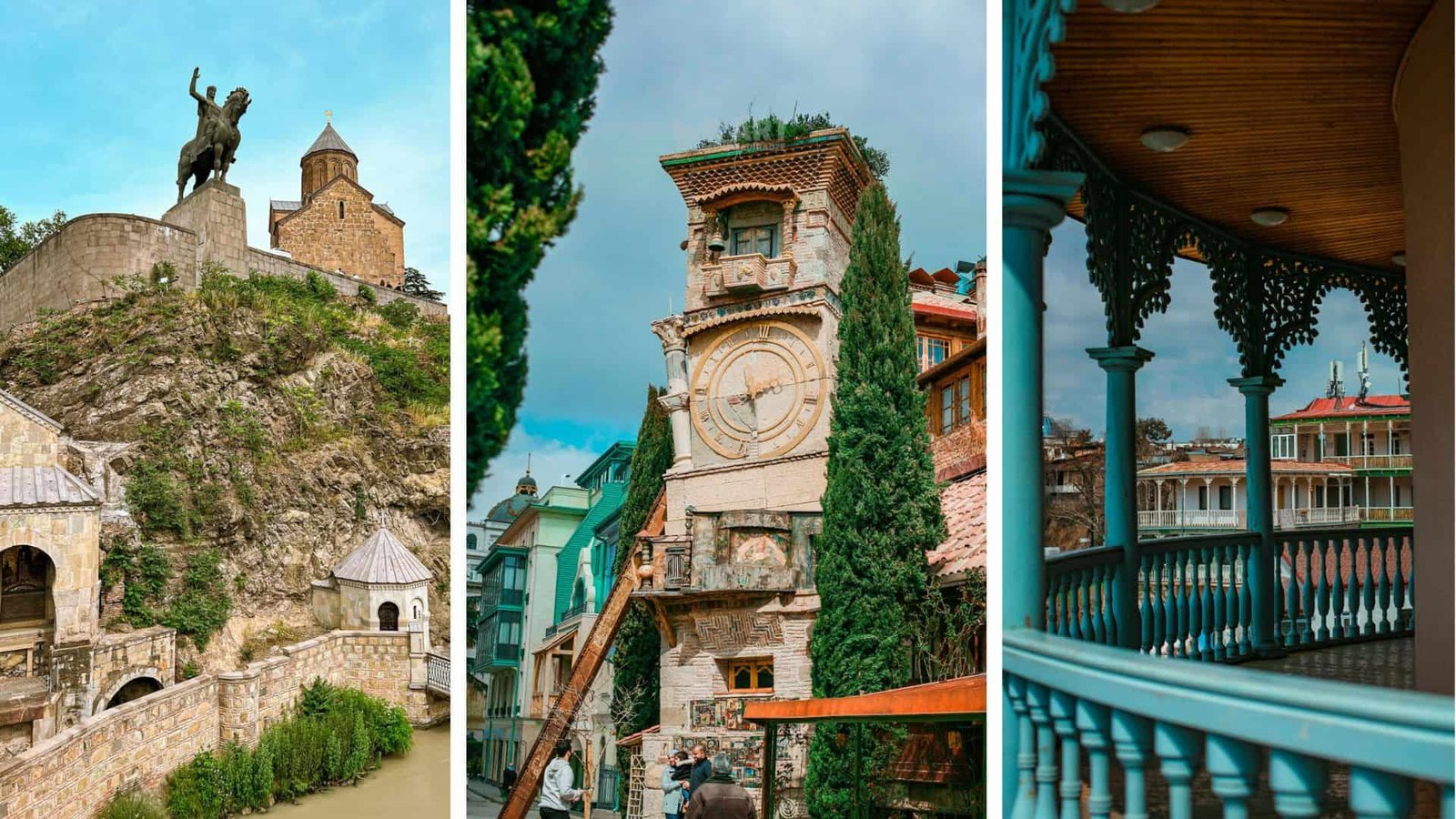
The Tbilisi’s Old Town, made of cobbled streets, dotted with
cafes, churches and colorful balconies, is a Georgian
National Treasure. The Liberty Square, the Metekhi Virgin
Mary Assumption Church, the Zion Cathedral of the Dormition
of Tbilisi, the St. George Cathedral of Tbilisi, and the
famous Clock Tower, make of Tbilisi Old Town one of the most
graceful city in the World.
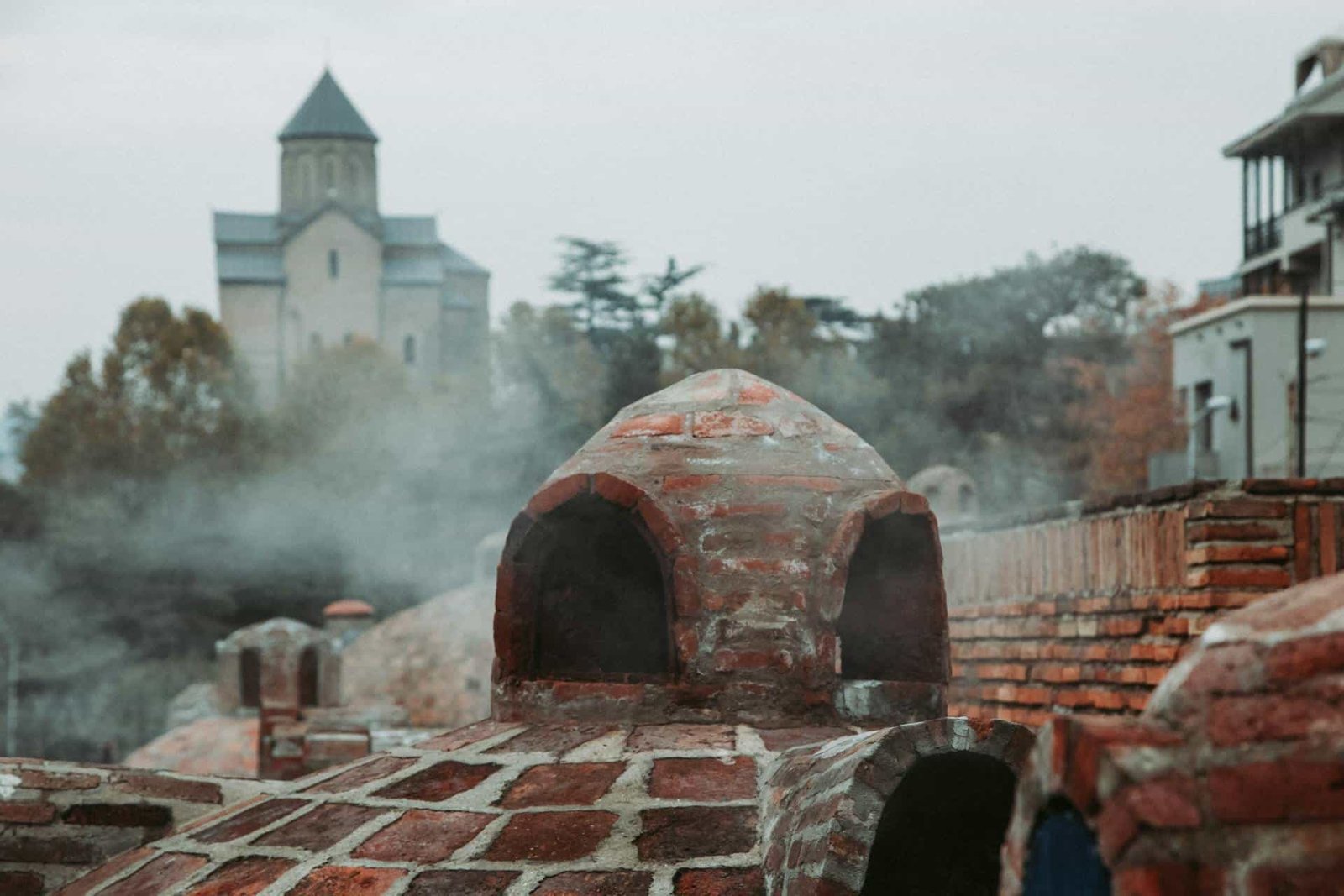
Tbilisi's famous sulfur baths, located in the Abanotubani
district made of historic bathhouses, with their domed brick
roofs, offer therapeutic hot springs and ways to relax in a
traditional Georgian setting. At the same time, it is very
affordable and can be suitable to share moments with
multiple people, such you can reserve an entire room for
bathing with friends and family.
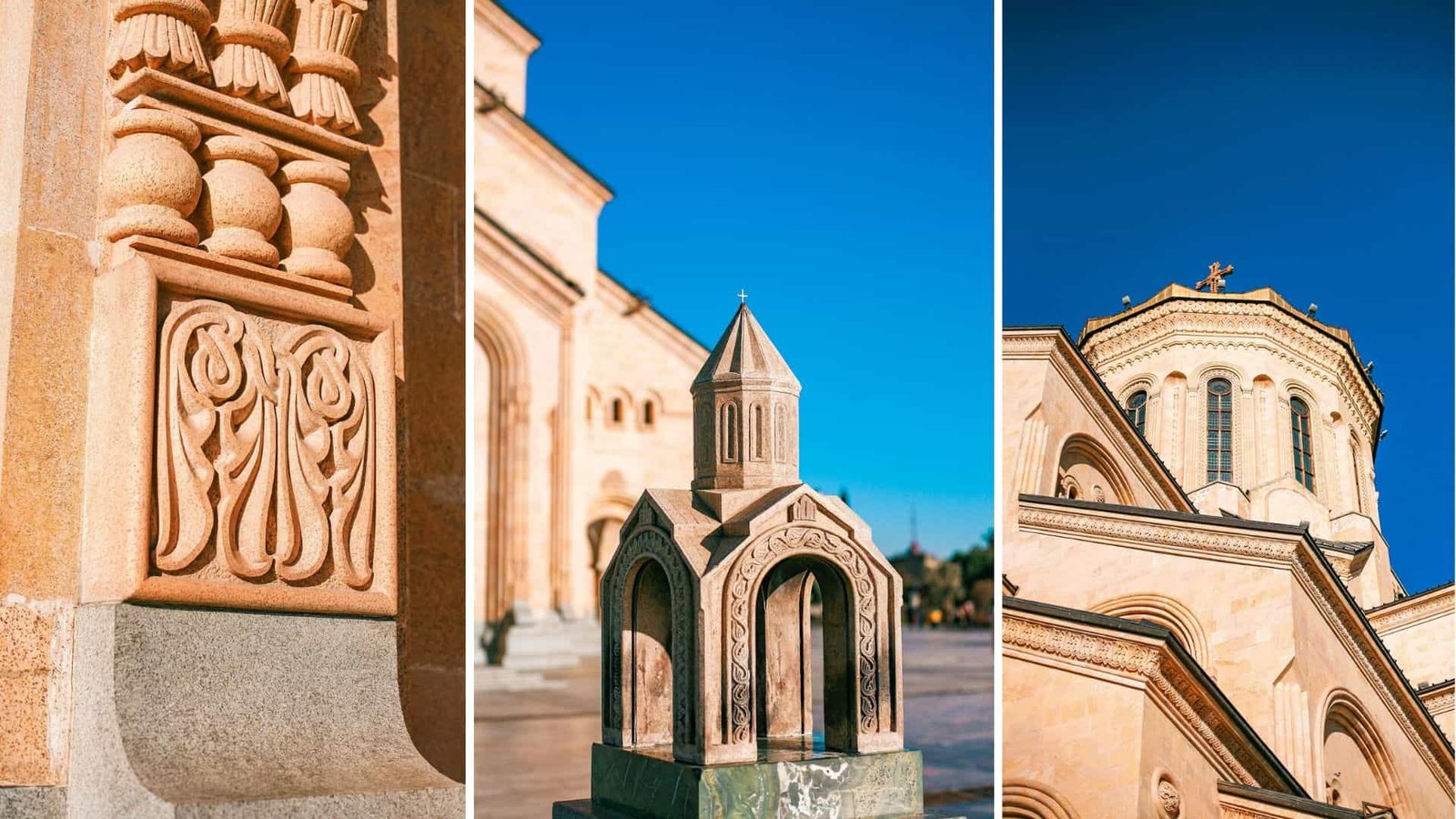
Sameba Cathedral is one of the largest Orthodox cathedrals
in the world. Part of a religious complex made of gardens, a
monastery, a bell tower and a seminary, Sameba is one of the
most important religious place around Georgia. This massive
building is visible from the Old Town and Narikala Castle,
but it's still possible to visit the entire place located on
the right bank of the Kura River.
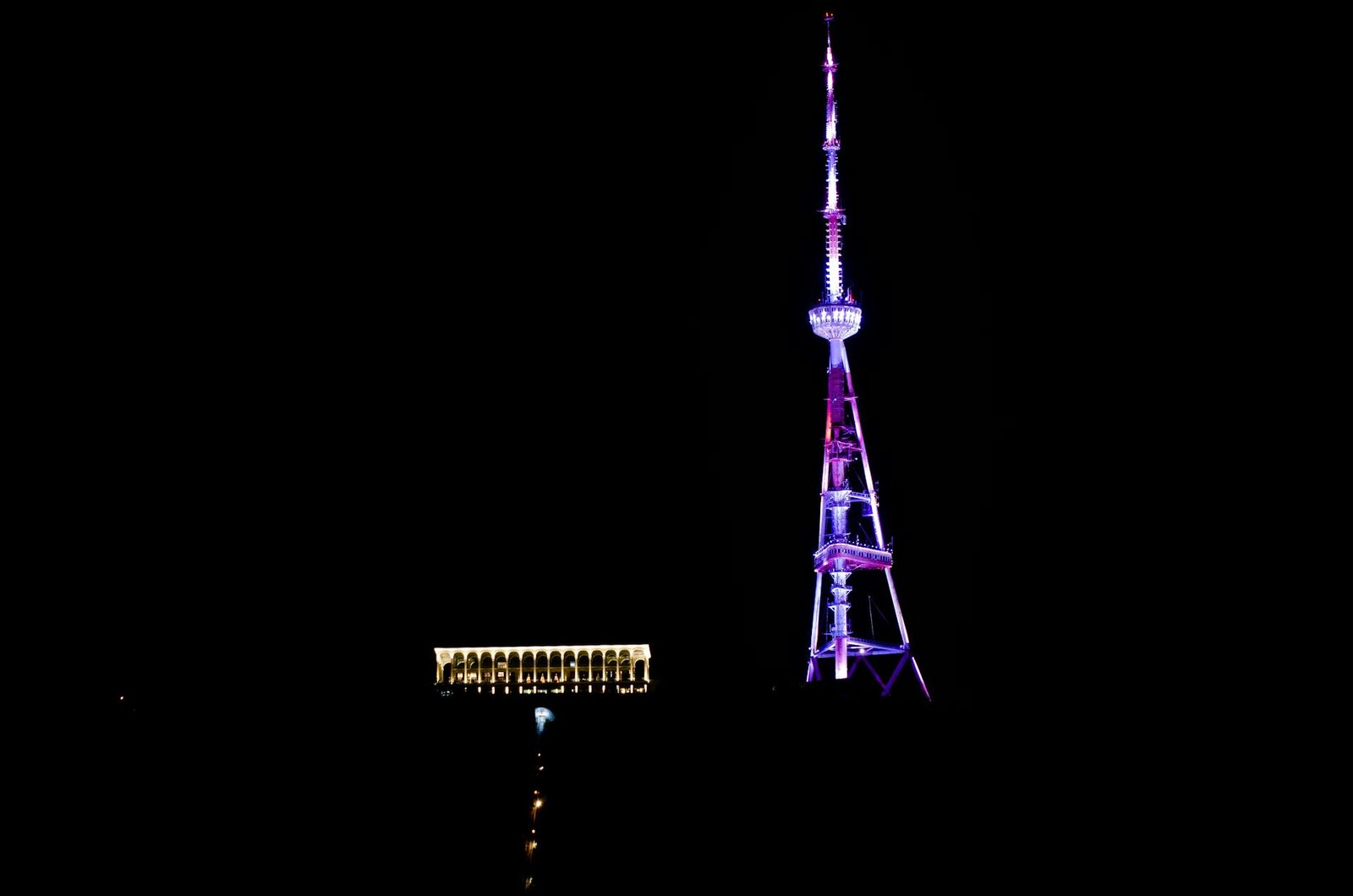
This popular amusement park located on Mount Mtatsminda
proffers fun rides, restaurants, and the highest viewpoint
of Tbilisi, still home of the 274 meters Tbilisi TV
Broadcasting Tower, built in 1972.
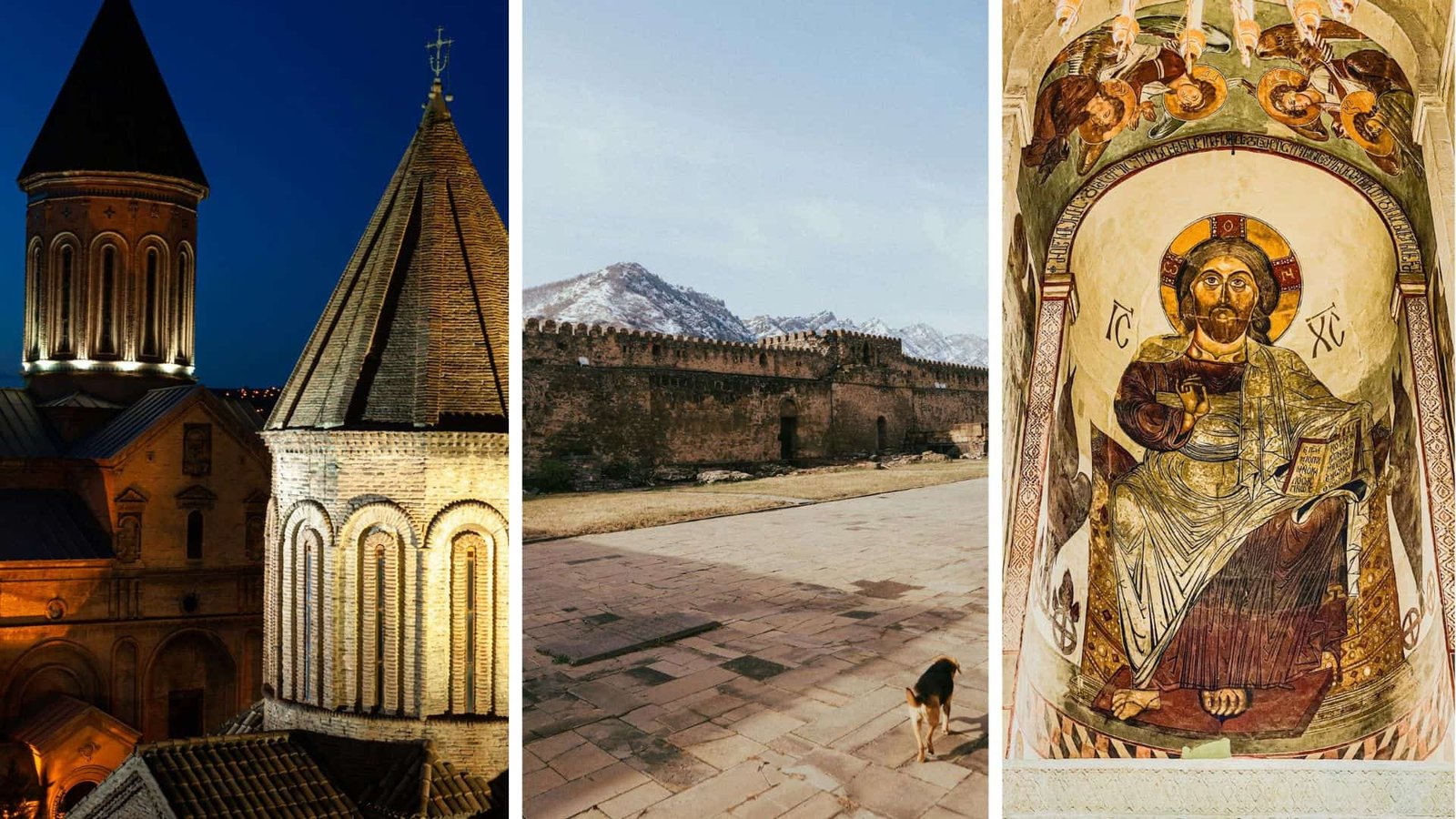
Located in Mtskheta, Georgia's ancient capital, this UNESCO
World Heritage site is a masterpiece of medieval Georgian
architecture. Known as the burial site of Christ's robe, it
holds deep spiritual significance and showcases intricate
stone carvings and frescoes, making it a key destination for
history and culture enthusiasts.
The National Museum of Georgia presents an extensive
collection, showcasing Georgia’s rich history, from ancient
artifacts to contemporary art, across multiple museum sites
across Tbilisi.
Opera and Ballet Theater of Tbilisi:
Within the stunning architecture of this historic theater,
it is possible to witness and enjoy world-class performances
of opera and ballet in this cultural hub from the 19th
century.
Fabrika Tbilisi:
A cultural hotspot, much less traditional than the usual
buildings in the capital, housed in a former Soviet sewing
factory, featuring cafes, art studios, co-working spaces,
and boutique shops.
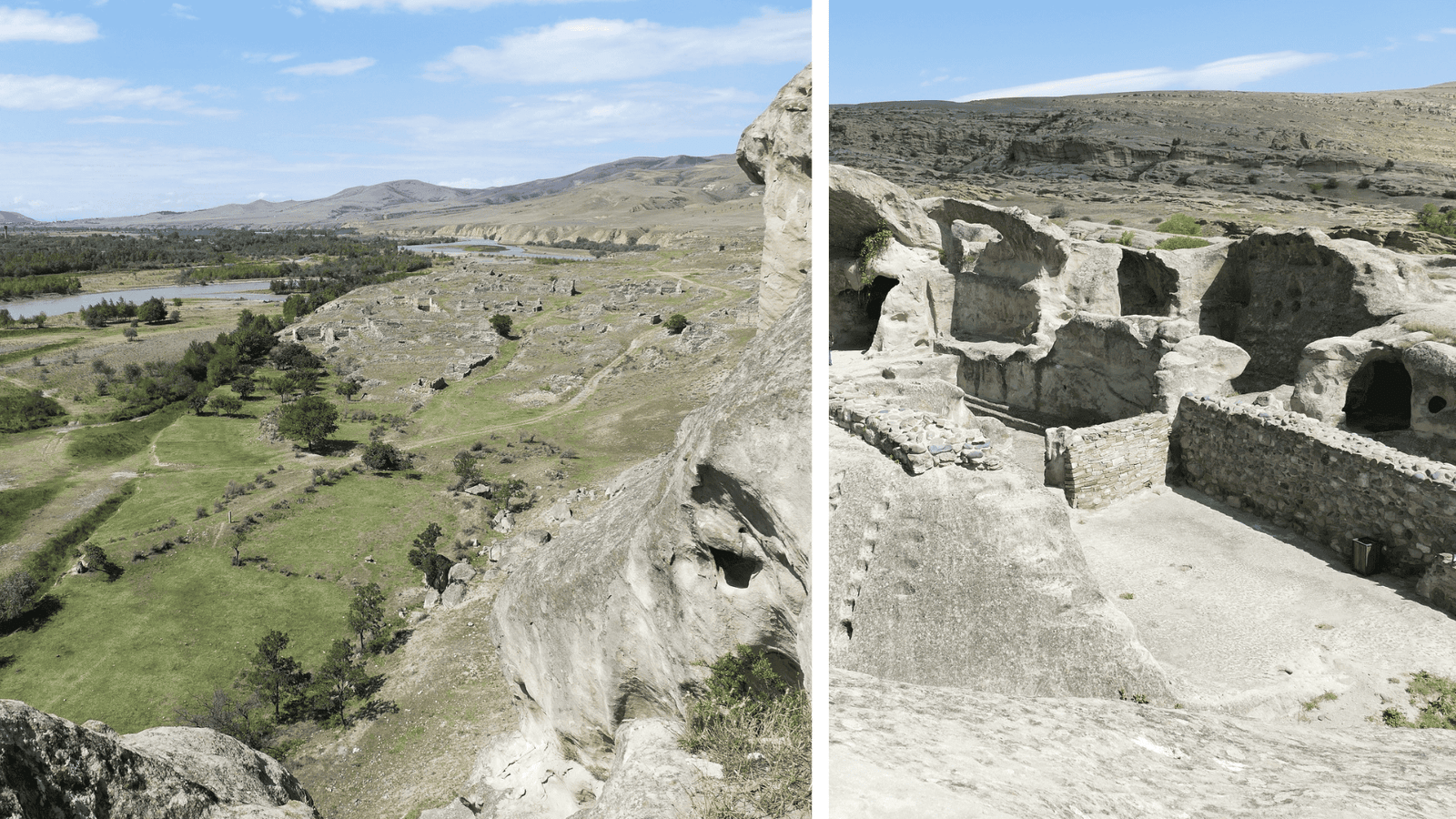
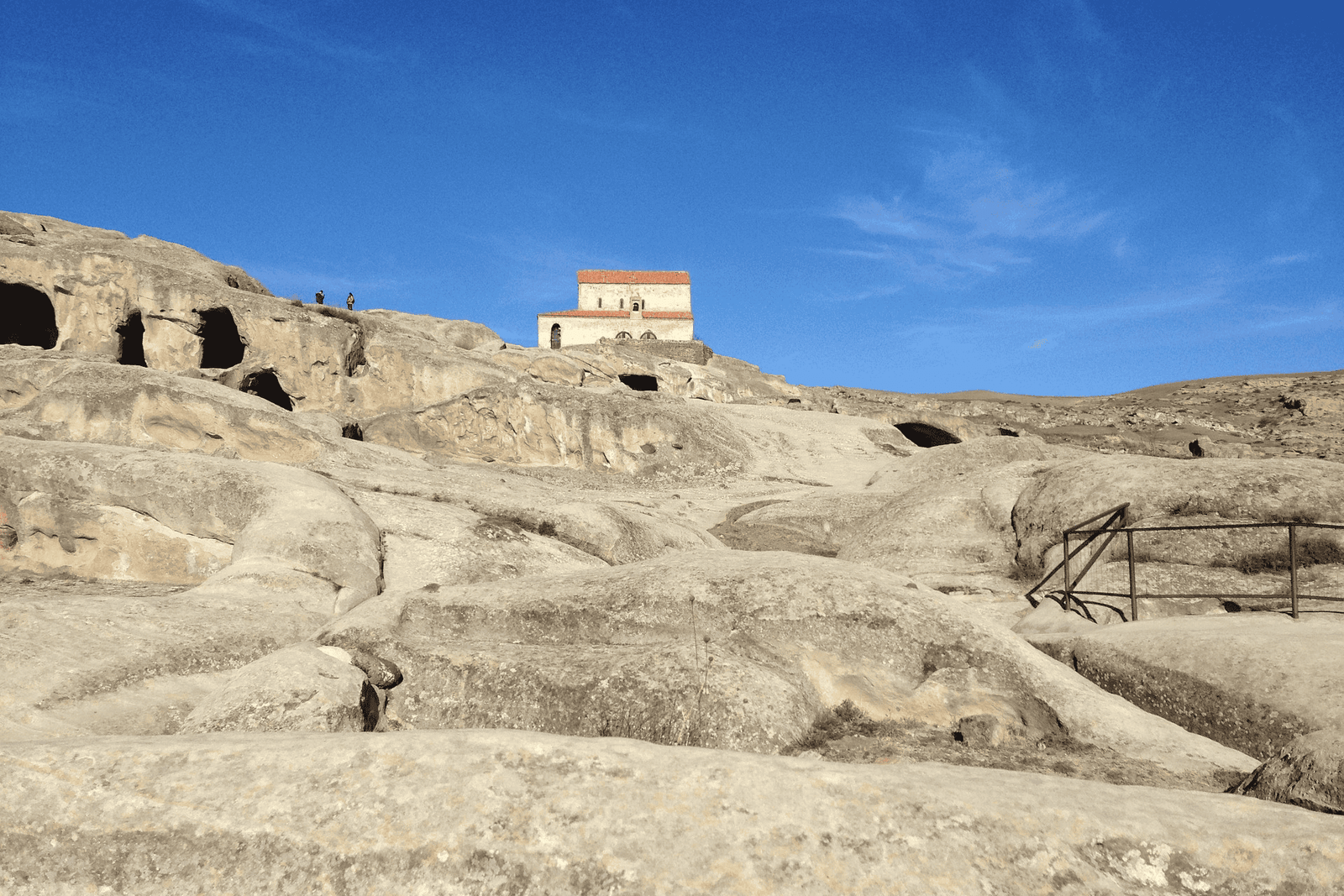
This archaeological site dating from the Early Iron Age, is
located only 10 kilometers east of the town of Gori. It is
an ancient rock-cut complex, home of dating structures,
tunnels, and temples being one of the oldest urban
settlements in Georgia. At the top, the site gives a
magnificent aspect on the Kura River.
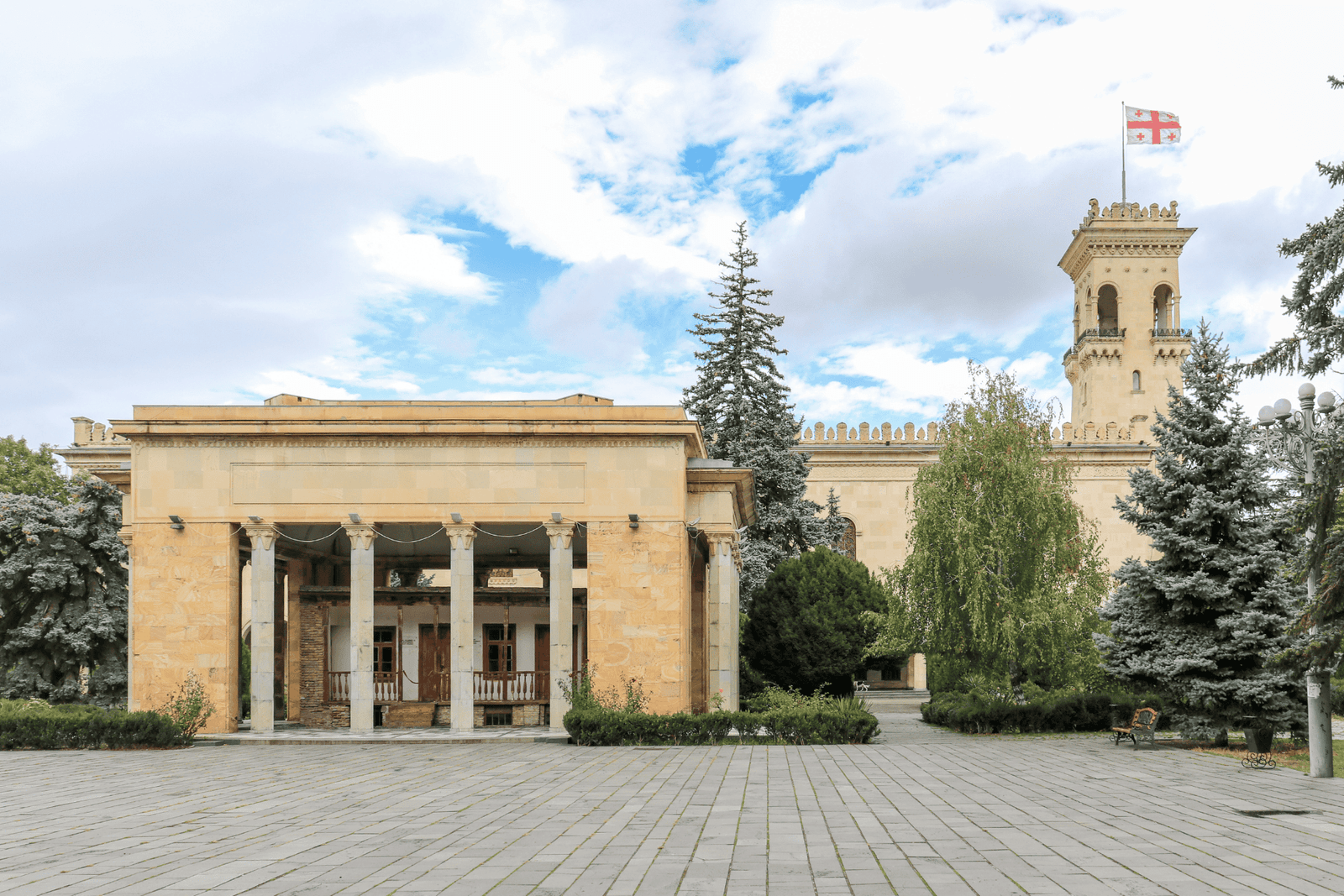
The city is home of a museum dedicated to Gori’s most famous
resident, giving a deep insight into Stalin’s life and
legacy. Born in the 18th December of 1878, Joseph Stalin
spent a part of his childhood in the city of Gori. A Statue
of Stalin was elevated outside the Town Hall until being
totally removed in 2010 as part of the country's
de-Sovietization process.
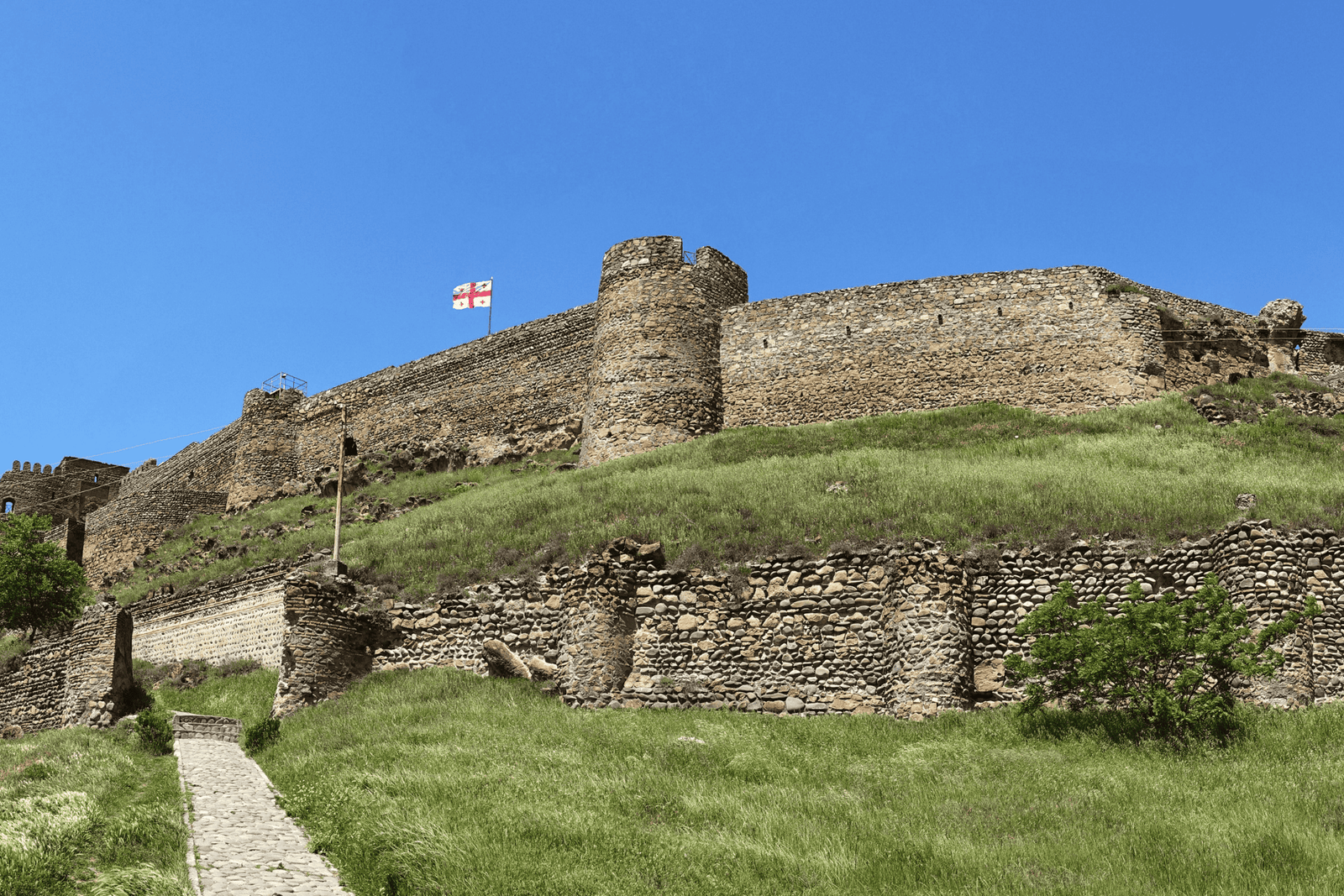
The historical irregular shaped Gori Fortress is perched
over Gori ever since centuries BCE. Fortified on a hill
giving a 360 degrees outlook over the city with the
surrounding landscape, the monument helps to reflect on
Georgia’s strategic importance over centuries, Gori being a
major regional trade route across History.
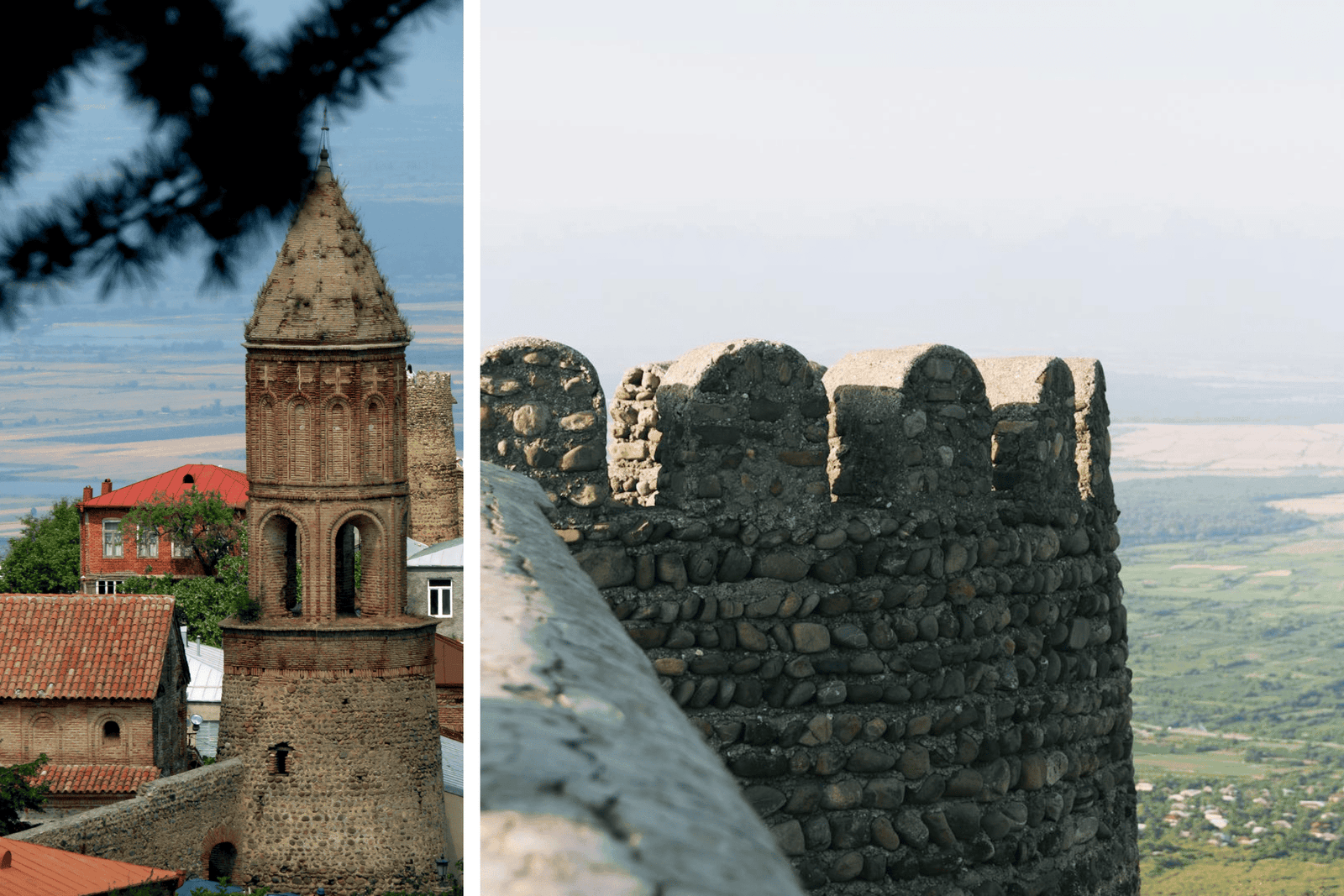
The whole town of Signagi propose a walk along the
18th-century walls that were in the past protecting the
city. Entirely built at the top of a hill, the town is
special with spectacles over the Alazani Valley.
Signagi is one of the most Georgia’s renowned city owning
and rich wine culture, located in the heart of Kakheti. It
is probably the capital city of winery in Georgia, due to
its prosperous valley being a heaven for wine culture.
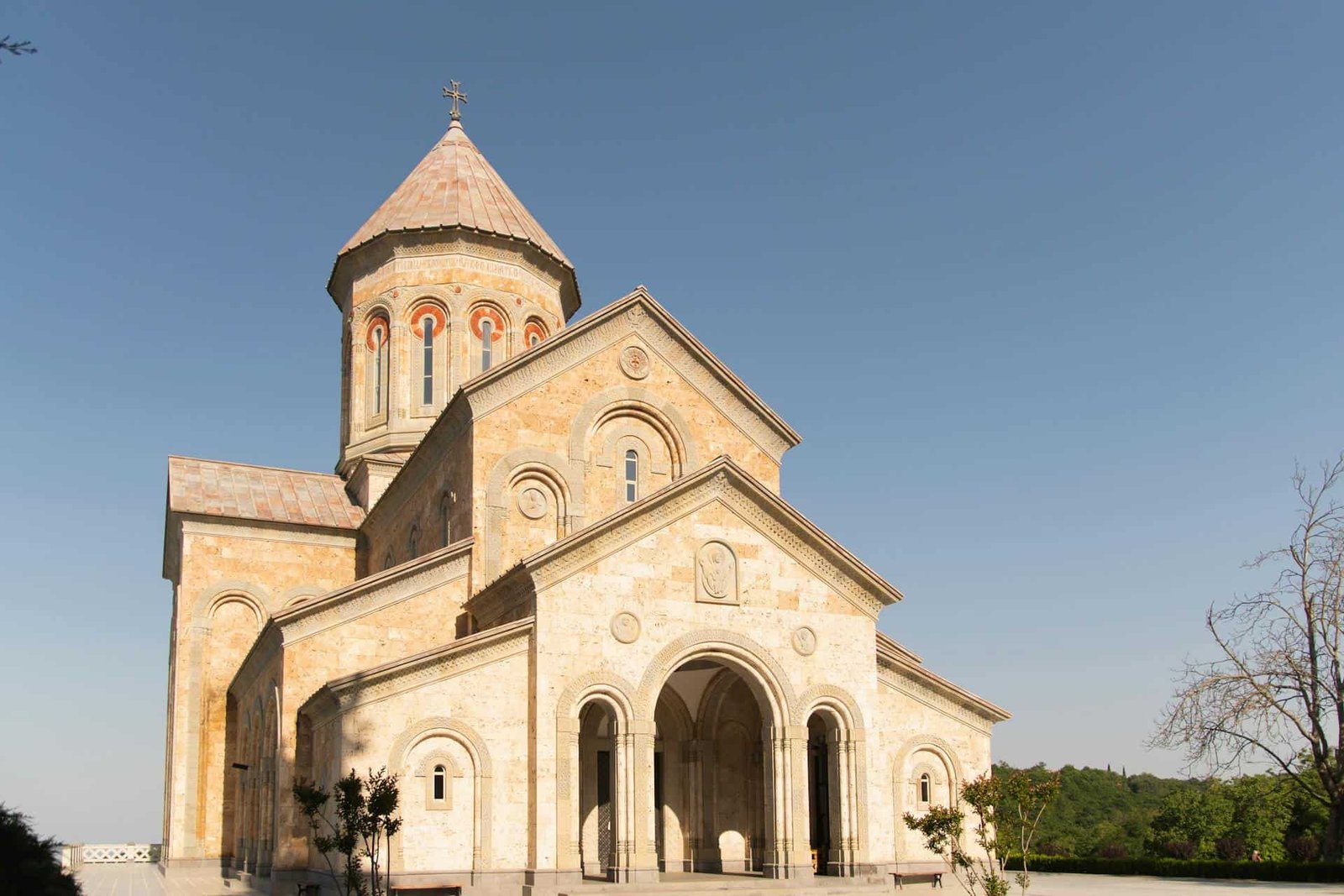
Situated near the town, this revered convent is dedicated to
St. Nino, the missionary who brought Christianity to
Georgia. Surrounded by amazing perspectives and greenery,
the church with a beautiful lawn and gardens comes up with a
tranquil atmosphere perched above the Alazani Valley, making
it both a spiritual and a scenic destination.
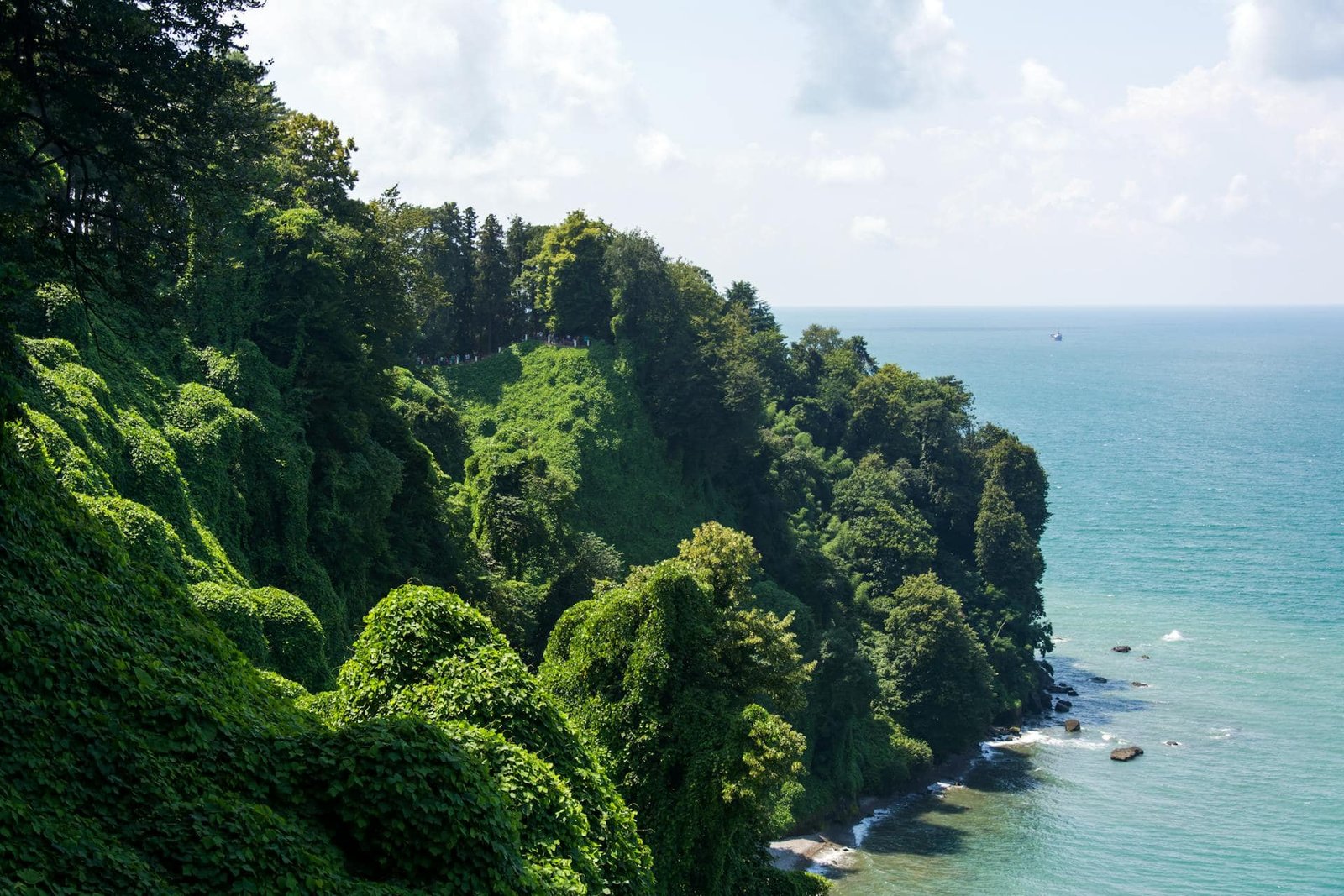
Located on the scenic Green Cape, just 9 kilometers north of
Batumi, the Batumi Botanical Garden is a sprawling natural
oasis covering approximately 111 hectares. Established in
1912 by the Russian botanist Andrey Krasnov, it was
envisioned as a space where plants from diverse climates and
regions could coexist. Today, it stands as one of the
largest and most diverse botanical gardens in the Caucasus.
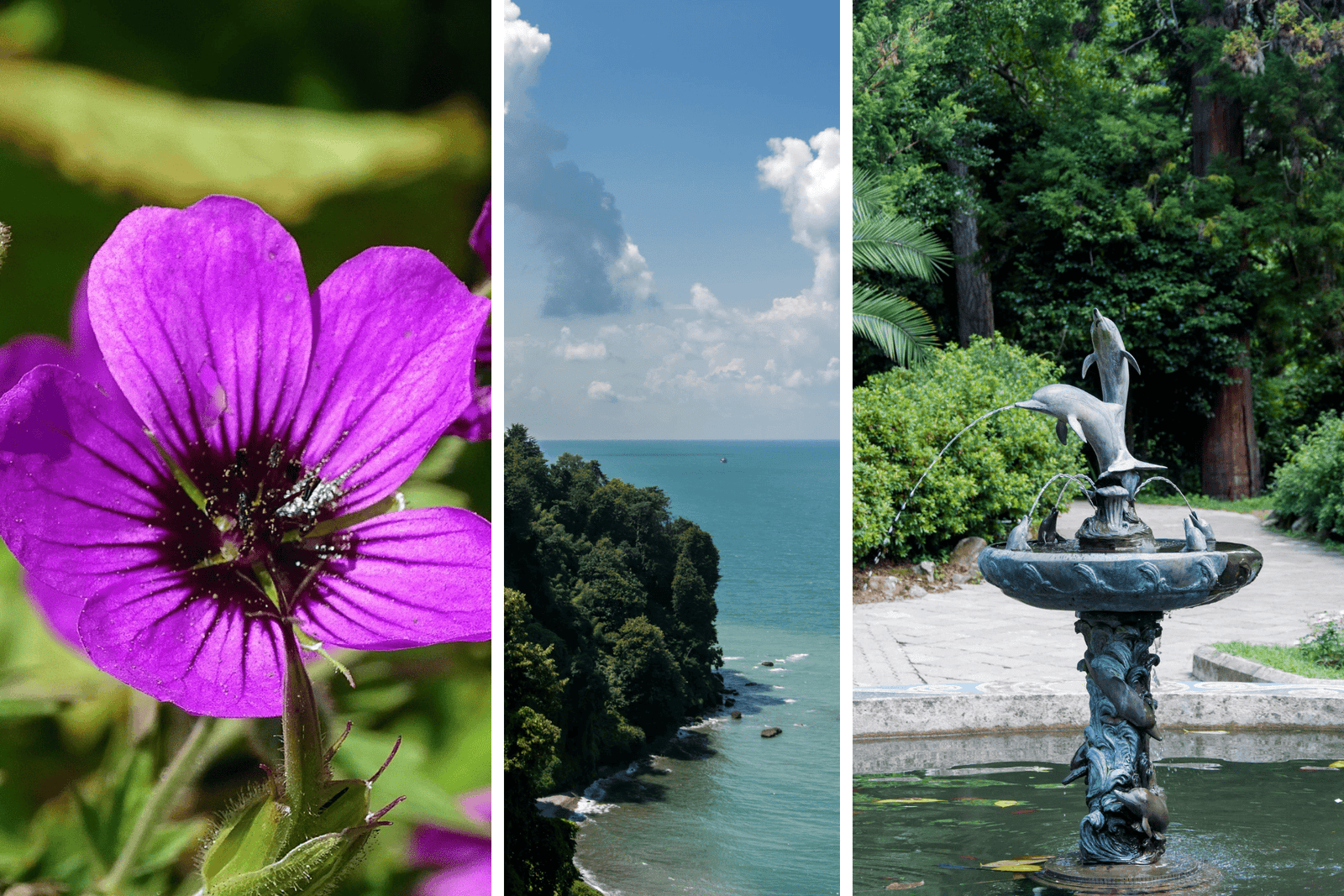
The garden features over 5,000 plant species from around the
globe, organized into distinct zones based on their
geographic origins. Visitors can explore sections dedicated
to flora from the Himalayas, East Asia, North and South
America, the Mediterranean, and more. This thoughtful
arrangement creates a seamless mix of educational and
colorful experiences.
The trails within the garden lead visitors past century-old
trees, rare plants, and viewpoints overlooking the Black
Sea. While exploring, you’ll encounter well-maintained paths
and peaceful spots to sit and soak in the natural beauty.
However, walking the extensive routes requires a certain
level of fitness, though electric carts are available for
those who prefer a less strenuous experience (5 GEL per
person).
The garden is a site of historical and botanical
significance, having been a center for plant research and
conservation for over a century. Today, it continues to
promote environmental education and research, while giving
visitors an unparalleled opportunity to connect with nature.
To ensure a comfortable and enjoyable visit, keep the
following in mind:
Entry Fee: Admission is 20 GEL for
adults, and children under six can enter for free.
Electric carts are available inside for 5 GEL per
person for those who prefer not to walk long
distances.
Essential Items: Wear comfortable
walking shoes and bring a hat or cap, sunscreen, and
water to stay hydrated, especially on sunny days.
Packing light snacks is also a good idea, as cafes
along the trails are limited.
Facilities: Restrooms are clean and
free, and benches are strategically placed
throughout the garden to allow for breaks during
your exploration.
Time Commitment: Allocate at least
3–5 hours to fully enjoy the garden’s trails and
hidden gems. Take your time to explore the scenic
viewpoints and diverse plant collections at a
relaxed pace.
Whether you’re a nature lover, history enthusiast, or
simply looking for a tranquil escape, the Batumi Botanical
Garden is an unforgettable experience for everyone.
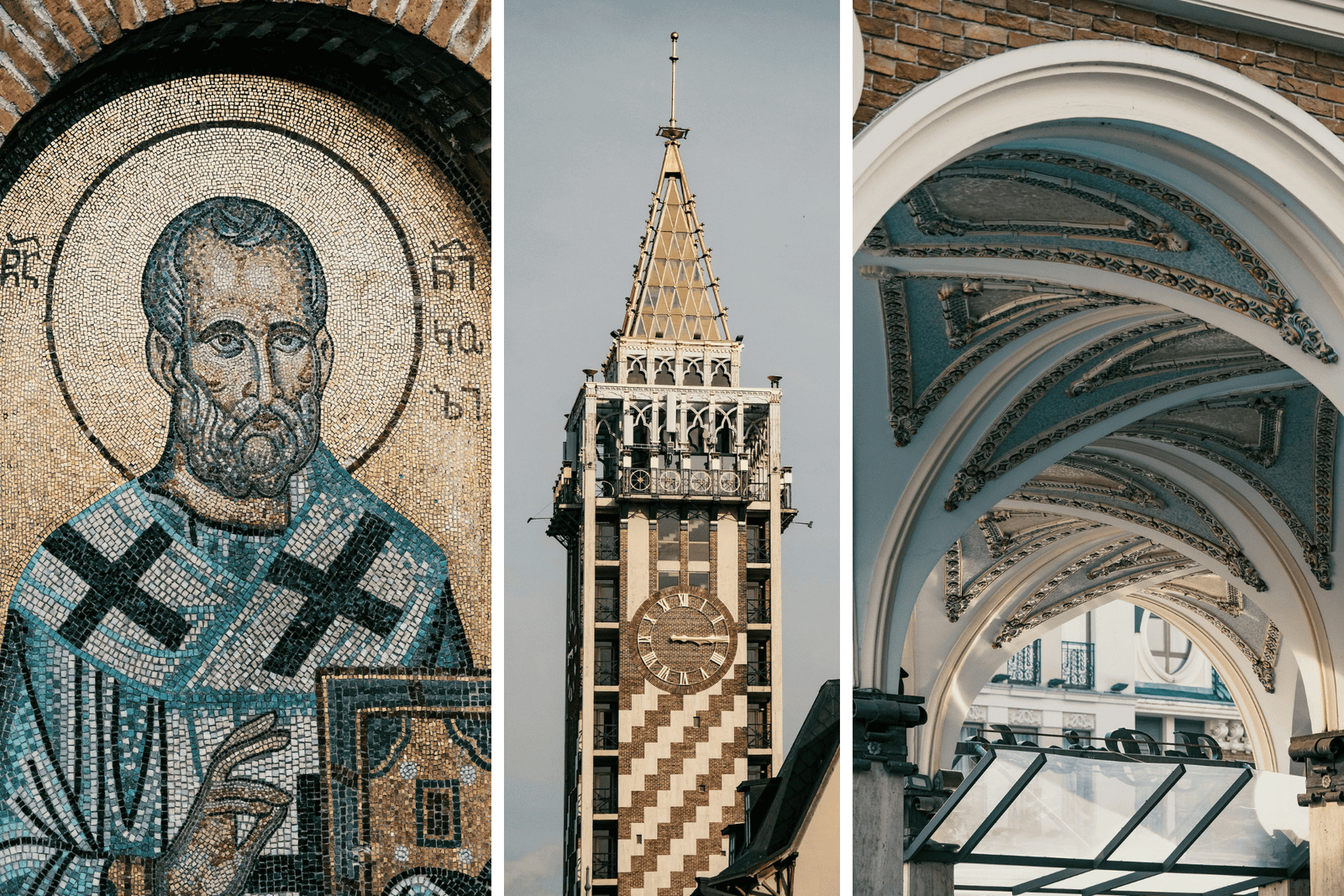
Opened in 2010, Batumi Piazza is an Italian-style public
square located near Europe Square, right in the heart of
Batumi. Designed as a social and cultural hub, the Piazza is
surrounded by elegant architecture featuring cafes,
restaurants, boutique hotels, and shops, making it a lively
destination for both locals and tourists.
The square is renowned for its striking 106-square-meter
mosaic, the largest figurative marble mosaic in Europe.
Designed by Georgian-Swiss artist Natali de Pita Amirejibi,
the mosaic incorporates sea-themed designs and five female
figures symbolizing marine deities, crafted from over 88
million elements sourced from 15 countries. This intricate
work of art is a defining feature of the Piazza and draws
admiration from visitors around the world.
Batumi Piazza regularly hosts live music performances,
cultural events, and other entertainment, creating a lively
atmosphere day and night. However, its vibrant nature can
make nearby hotels a noisy choice for those seeking a
restful night.
As a free public space, no tickets are required to explore
Batumi Piazza.
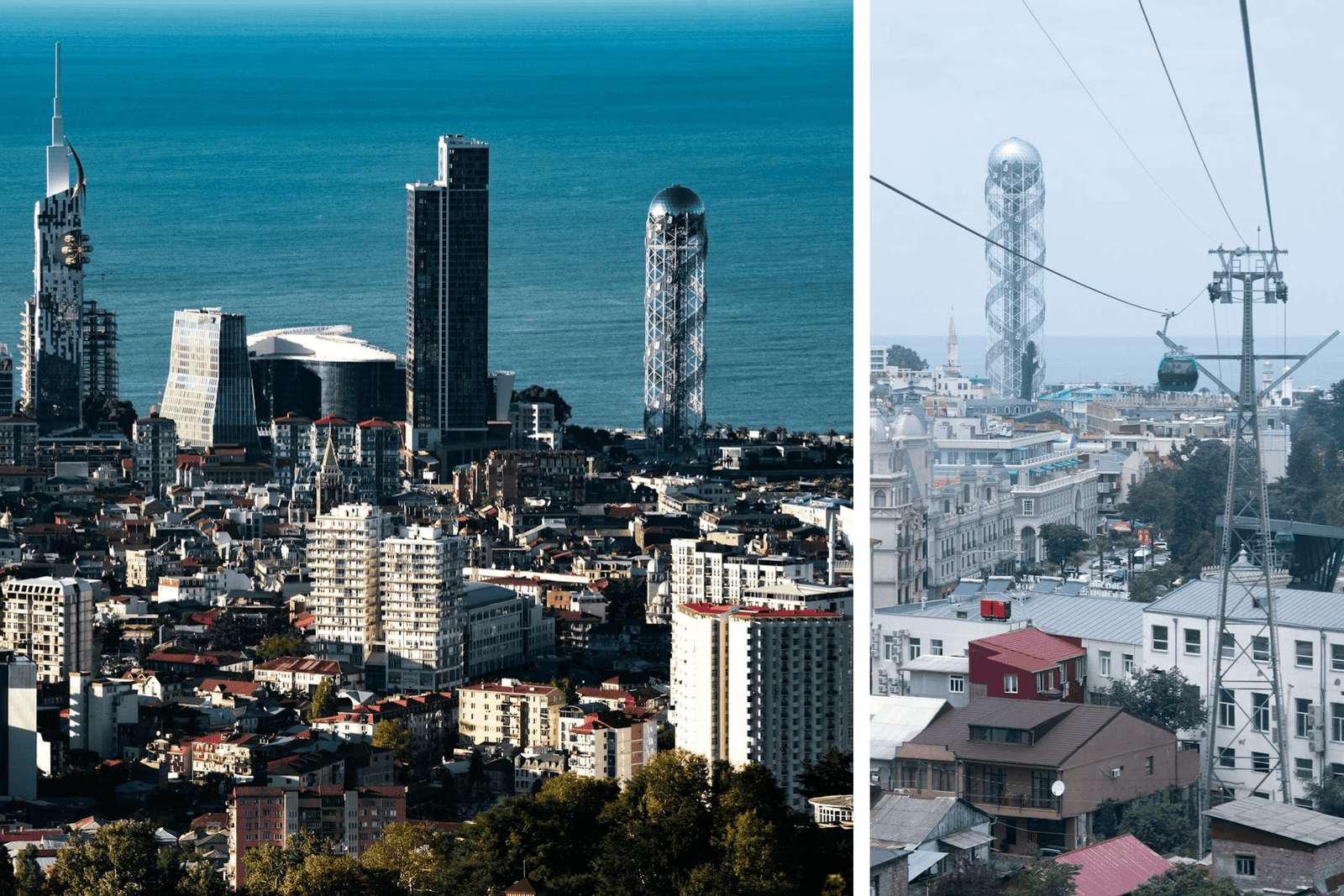
A must-visit attraction in the heart of Batumi, this cable
car gives magnificent panoramic views of the city, the Black
Sea coast, and the surrounding mountains. The round trip
costs 30 GEL per adult, with discounted rates for children
(7 GEL for ages 7–12, free for under 7). The ride takes
approximately 15 minutes each way, with up to six people per
car. While the windows may slightly limit photo quality, the
vistas from the summit more than make up for it.
At the top, you’ll find a terrace café, a wine shop, and
occasionally live Georgian dance performances. The best
times to visit are around sunset to witness the city
transition from daylight to a glittering nightscape.
Arriving before 7 PM helps avoid longer queues, which tend
to peak after 9 PM. Though wheelchair accessibility is
limited, the overall experience of riding the Batumi Cable
Car is unforgettable, offering one of the finest ways to
take in the beauty of the region.
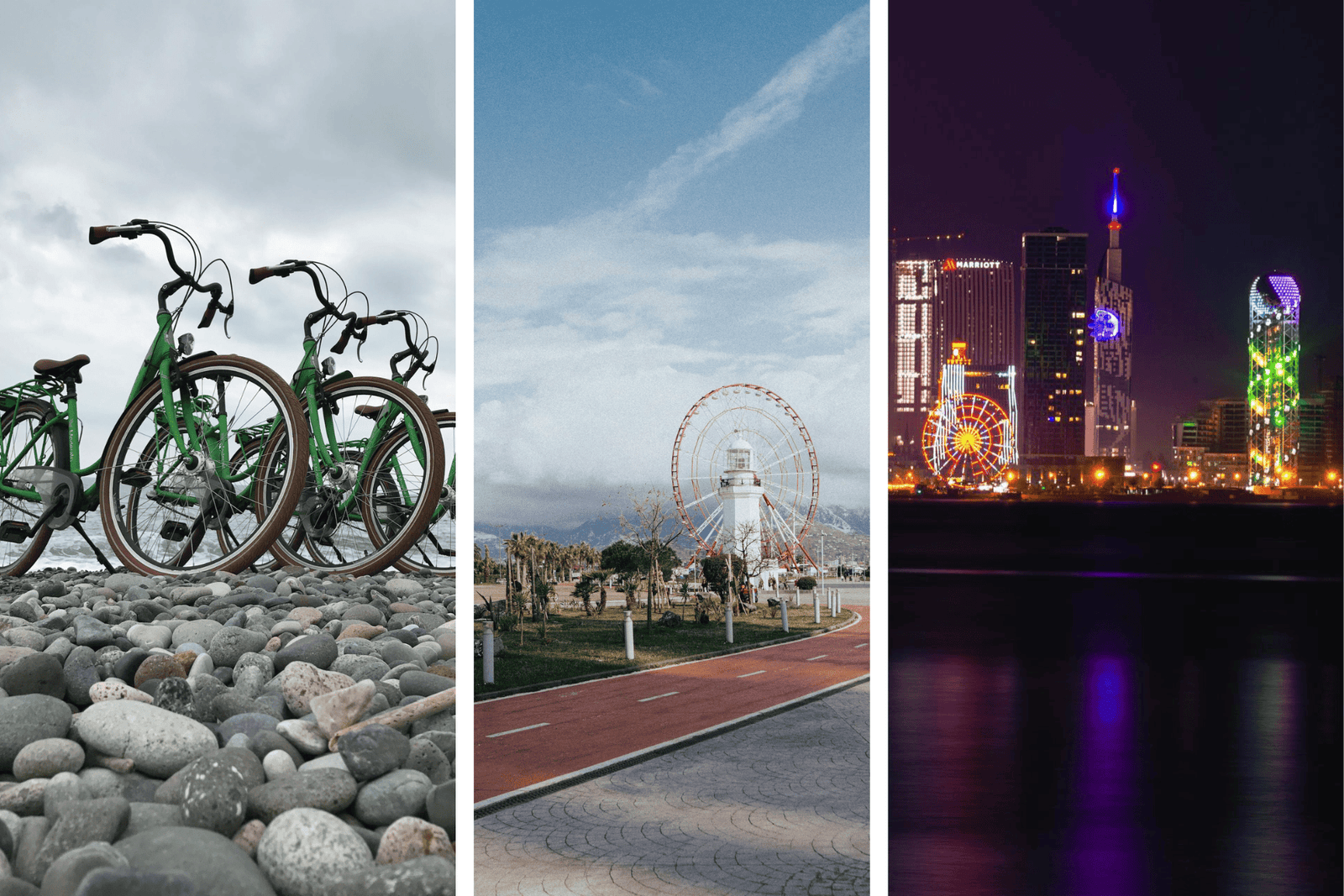
While it is possible to rent a bike and take a ride along
Batumi's seaside, the city come up with an almost 10
kilometers walk, stretching from the Argo Cable Car located
200m away from Batumi Piazza Square, passing next to the Ali
& Nino Statue, ending shortly after the Alexander Kartveli
Batumi International Airport. It's great for having
cityscapes and seascapes along the coastline, ideal for
sport enthusiasts. Many persons might ignoring it, but it
also home of a Motorcyclist's Memorial, right next to the
most famous Plane spotting point of the country, at the end
of the Walk.
The Batumi Art Museum, located in the heart of Batumi, is a
small but significant cultural destination. The museum
offers a collection that spans Georgian and European art
from the 19th and 20th centuries, with a focus on paintings,
sculptures, and decorative arts.
Housed in a neoclassical building, the museum’s layout is
simple and welcoming. It is split into two floors: the first
features international artists, including works from
Italian, German, Dutch, and Russian schools, while the
second showcases Georgian art, with notable pieces by
renowned artists such as Niko Pirosmani, Lado Gudiashvili,
Kakabadze, and Toidze.
While the collection is relatively limited, it includes
valuable and iconic works that provide insight into the
evolution of Georgian and European artistic movements. For
those seeking a quick, enriching experience, the museum is a
great option, especially on rainy days. The exhibits are
thoughtfully curated, with a focus on both historical pieces
and more contemporary works, though the latter may not leave
a strong impression.
The museum’s intimate atmosphere is enhanced by the friendly
staff, who are clearly passionate about the collection. With
an entry fee of just 6 lari per person (payable by card or
cash), it is an affordable and convenient cultural stop in
Batumi. There is also a special ticket available for access
to multiple museums across Georgia, offering even more value
for those looking to explore the country's artistic
heritage.
Though the museum is small and the visit may take no more
than an hour, it provides a peaceful and enjoyable
experience for art lovers, and a unique chance to explore
Georgian and European art in a quiet setting.
Batumi Archaeological Museum:
A must-visit for history enthusiasts, this museum showcases
fascinating artifacts from the Greek, Roman, and Ottoman
periods, offering a glimpse into the region's rich past.
Despite its modest size, it houses Georgia's largest gold
display and features unique exhibits like an underwater
archaeology section and a reconstructed necklace from Gonio
Fortress.
The museum is clean, well-organized, and family-friendly,
making it a great destination for visitors of all ages. With
affordable entry fees, discounts for students, and
knowledgeable staff, it’s both educational and engaging. The
onsite gift shop offers high-quality reproduction jewelry
for sale, adding to the experience. Whether you’re an
archaeology lover or just curious about the local history,
the Batumi Archaeological Museum promises an enriching
visit.
Gonio Fortress:
A remarkable example of Roman Byzantine military
architecture, this 1st-century AD fortress spans 47,000
square meters with 18 towers and thick stone walls. Once
Roman, it was later occupied by the Byzantines in the 6th
century and the Ottomans in the 16th century. The site
features a small museum, a cross believed to mark the tomb
of Matthias the Apostle, and exhibits of ancient weapons,
armor, and shields. Visitors can also admire a beautiful
floral display of the Georgia and Ajara flags and enjoy
panoramic views of the surrounding landscapes, including the
Black Sea coast.
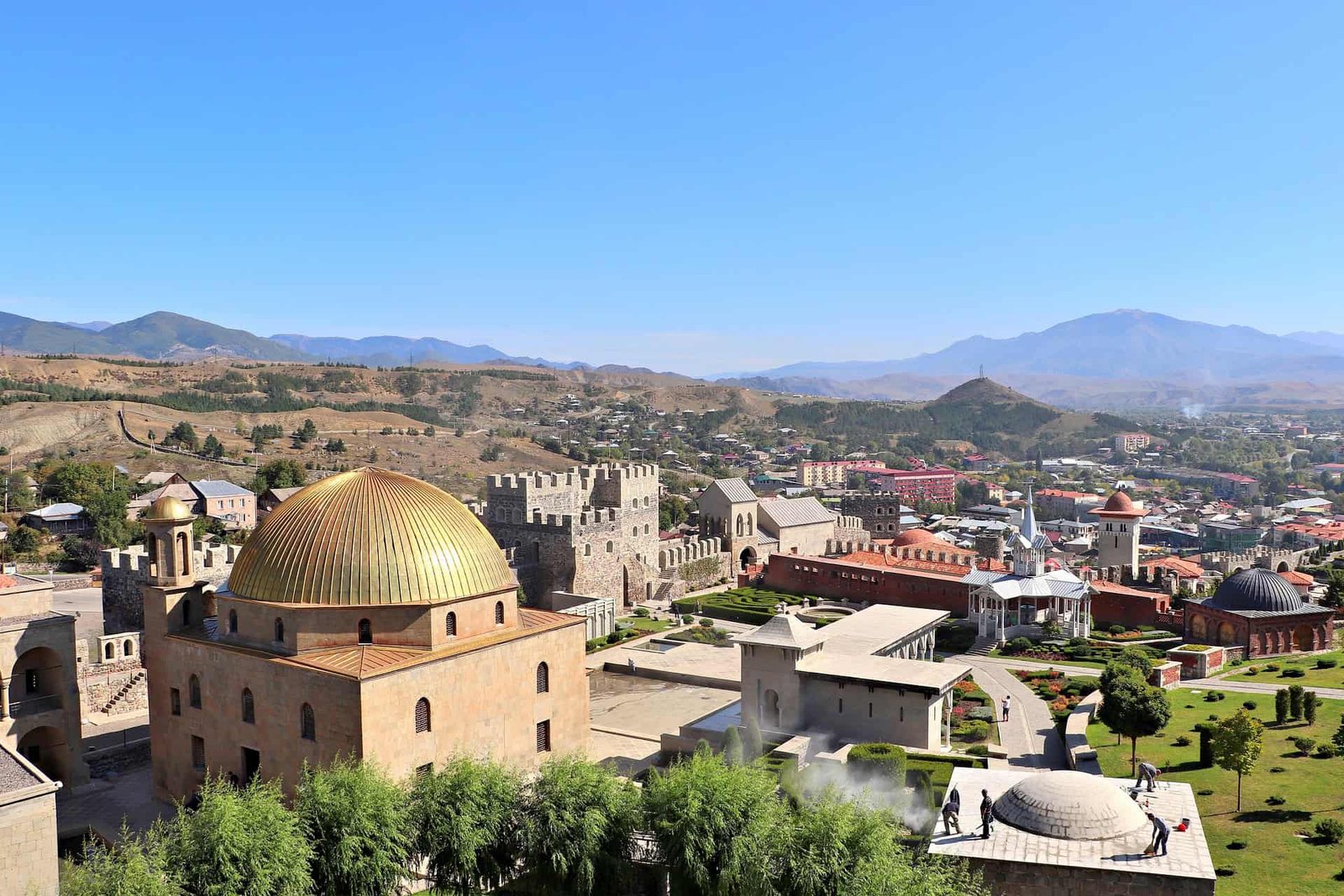
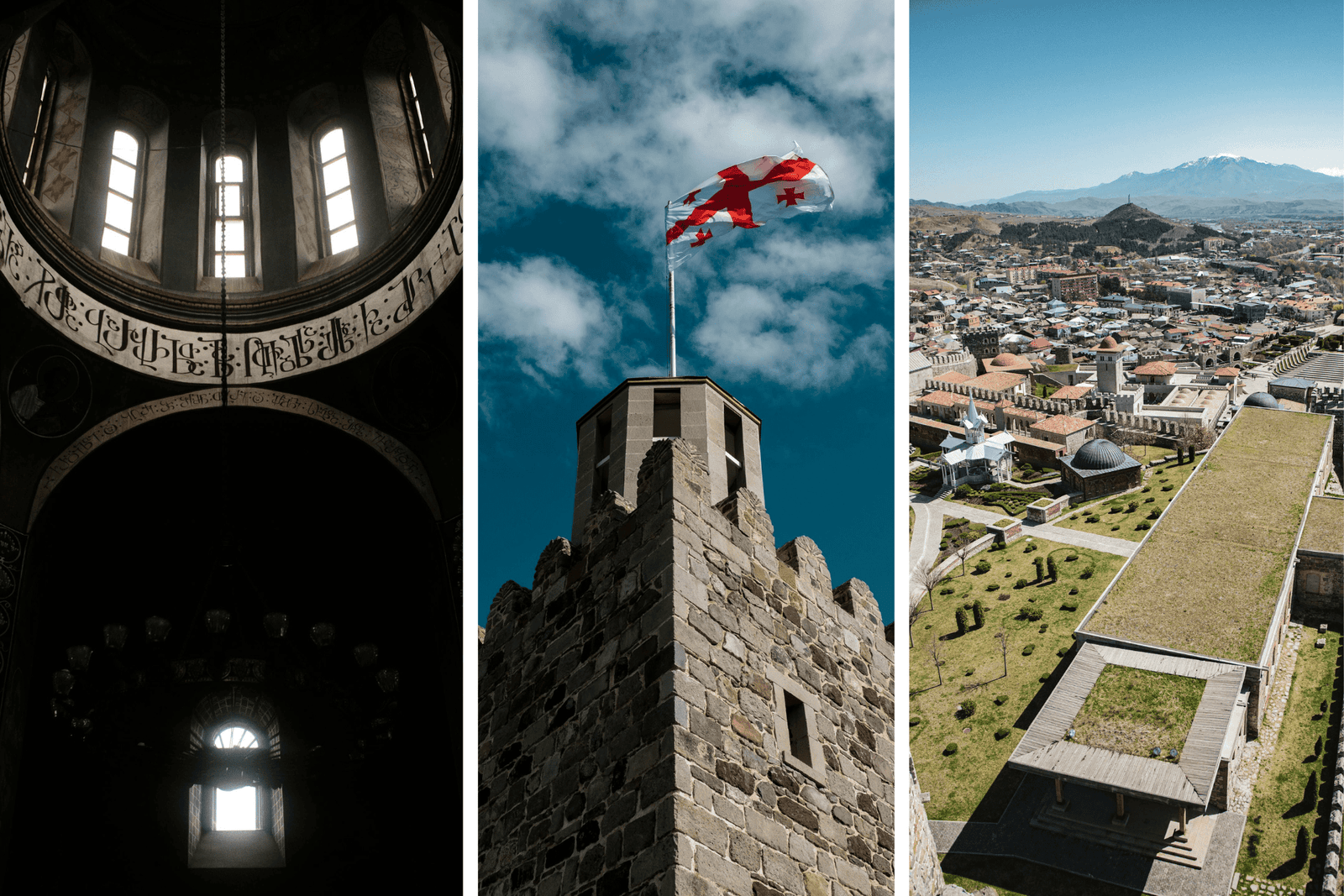
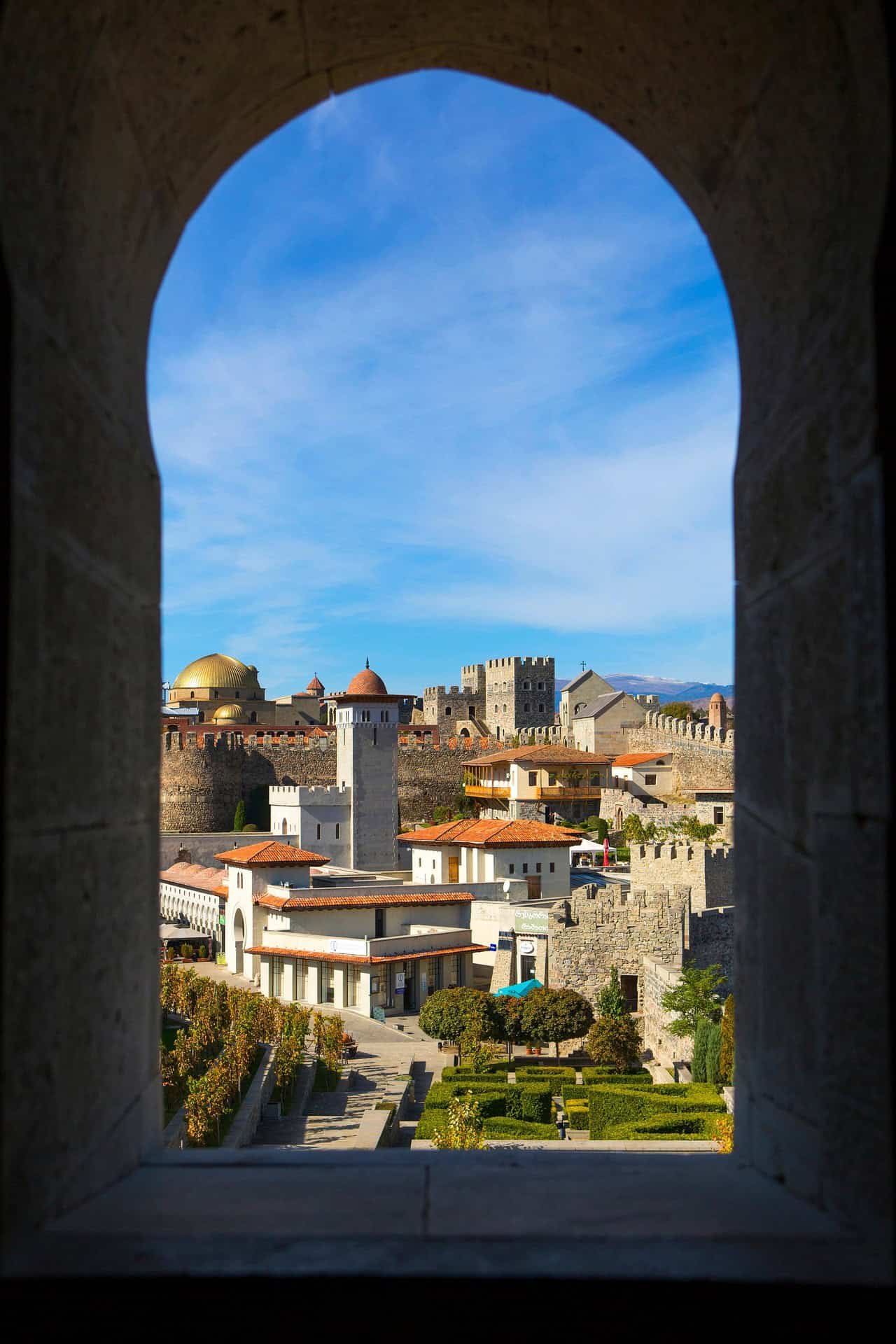
Rabati Castle is located in Akhaltsikhe, southern Georgia,
and has been a key historical site for centuries. The castle
was initially built in the 9th century and has undergone
various renovations throughout history, including a
significant restoration in 2011-2012. The complex is known
for its combination of medieval, Ottoman, and Georgian
architectural styles, with important structures such as a
mosque, a minaret, a church, and a synagogue. These
buildings highlight the diverse cultural and religious
influences that have shaped the region. The castle’s
elevated position provides excellent views of Akhaltsikhe
and the surrounding landscape.
The site includes stone fortifications, towers, courtyards,
and gardens, offering a mix of historical exploration and
natural beauty. The restored structures are well-preserved
and give visitors a clear sense of the site's historical
importance. Inside, there is a museum that displays
artifacts and documents that tell the story of the castle
and its strategic role in the region over the centuries. The
complex is also home to well-maintained gardens and
fountains, which provide a peaceful environment for
visitors. The marble structures in the gardens stay cool
even on hot days, making it a comfortable spot to relax.
Svetlbel
(Pixabay)
The castle is a popular destination for visitors interested
in history, photography, or simply exploring the area. The
views from the towers are expansive, and walking around the
castle grounds allows you to step back in time and
experience the atmosphere of the medieval fortress. The
castle is especially impressive at night when it is
illuminated, highlighting its architectural details and
creating a unique ambiance.
The area around the castle is also home to a few cafes and
souvenir shops, making it easy for visitors to enjoy a meal
or pick up a gift. Rabati Castle is located close to other
attractions such as Vardzia and Borjomi, making it a great
spot to visit if you are exploring the southern part of
Georgia.
Andrew Schwark
,
Timur Kozmenko
,
Arina Dmitrieva
(Pexels)
Practical Tips:
To ensure a comfortable and enjoyable visit, keep the
following in mind:
Entry Fee: Tickets cost 18 GEL per
person. Children under six can enter for free.
Time Commitment: Plan to spend 2-4
hours exploring the castle. This will give you time
to walk around the walls, visit the museum, and
enjoy the gardens.
Facilities:
Cafes and restaurants are available inside
the complex, but the food may be expensive
and average in quality.
Free parking is available near the entrance.
Essential Items: Wear comfortable
walking shoes, as there are some steep climbs and
stairs. Bring sunscreen, a hat or cap, and water to
stay hydrated, especially on sunny days.
Accessibility: The site has some
steep paths, so be prepared for walking on uneven
terrain. Comfortable shoes are recommended for all
visitors.
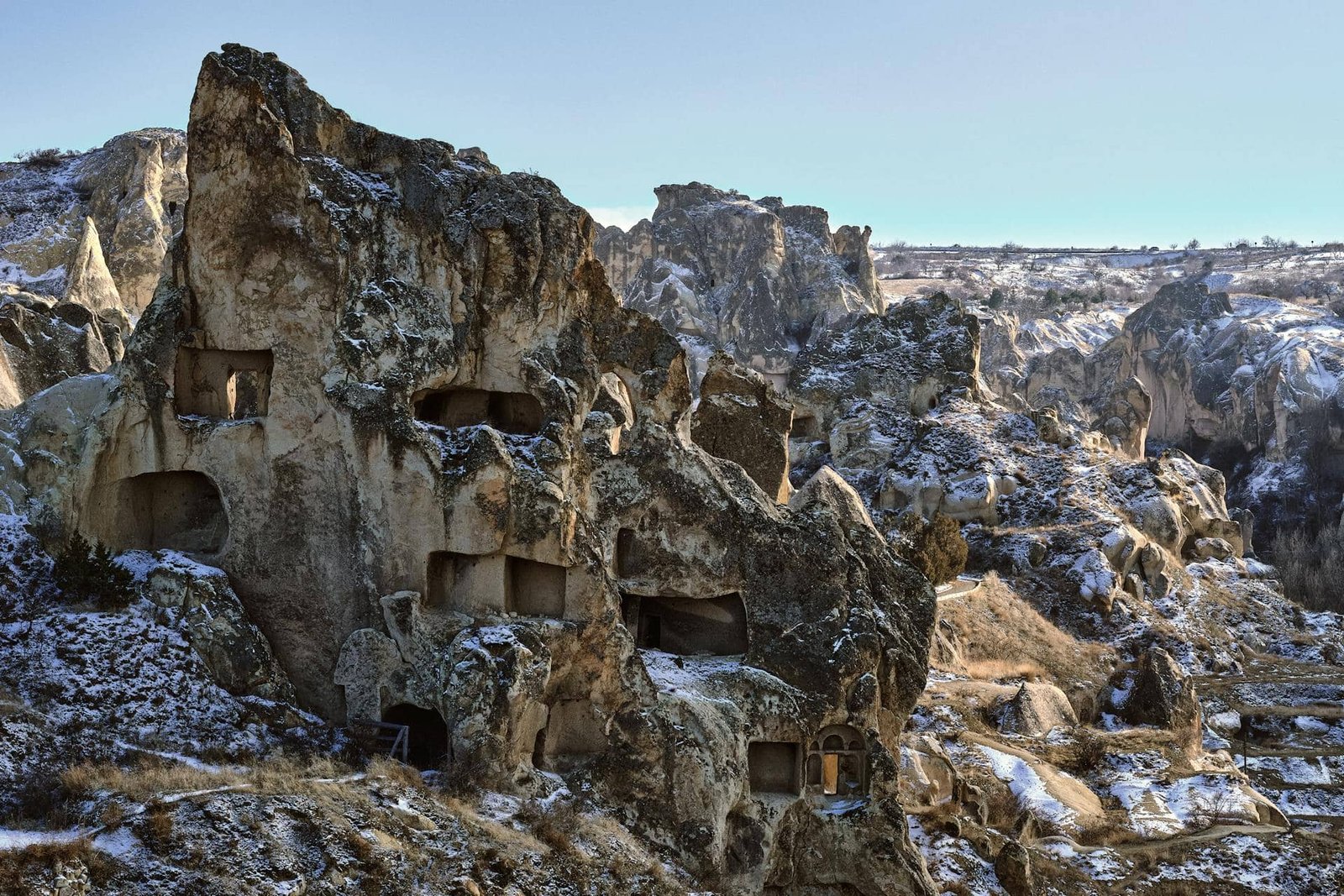
The Vardzia Cave Monastery is an ancient rock-hewn complex,
carved into the cliffs by King Tamar in the 12th century.
Its intricate a network of caves, tunnels, and chambers,
which were once home to monks and served as a spiritual
center. Perched above the hill, the main church adorned with
beautiful frescoes, gives views of the surrounding valley
and the Kura river. Vardzia stands as a testament to
Georgia’s architectural ingenuity and historical meaning.
In the Borjomi Mineral Water Park, you can taste the
world-renowned therapeutic georgian mineral water and
hotsprings, directly from the source, known for its health
benefits.
Borjomi-Kharagauli National Park:
Georgia's largest national park, providing over 76,000
hectares of pristine nature, hiking trails, and diverse
wildlife, perfect for outdoor adventures during any seasons.
Romanov Palace:
The former summer residence of the Russian royal family,
located in a charming setting, with beautifully landscaped
gardens and wide lookouts of the surrounding mountains.
Local Markets:
Borjomi proposes some interesting local markets, where you
can taste fresh produce, artisanal cheeses, honey, and more,
reflecting the region's rich agricultural traditions.
Borjomi Park:
Borjomi Central Park, known for its beautiful green spaces,
tranquil atmosphere, and the iconic Roman-style colonnade.
Kutaisi &
Svaneti
Day of Visit: 7 to 9 days
Best Season: Spring to Autumn
Keywords: Church, Religion, National Park, Nature,
Rock-Cut Caves, Prehistoric Artifacts
A masterpiece of Georgian medieval architecture,
UNESCO-listed cathedral that stands as a symbol of national
unity. Built in the 11th century under King Bagrat III, the
cathedral delivers cityscapes and landscapes over the local
countryside. Although partially reconstructed, it retains
its historical charm and is a must-visit for those
interested in Georgia's cultural and religious heritage.
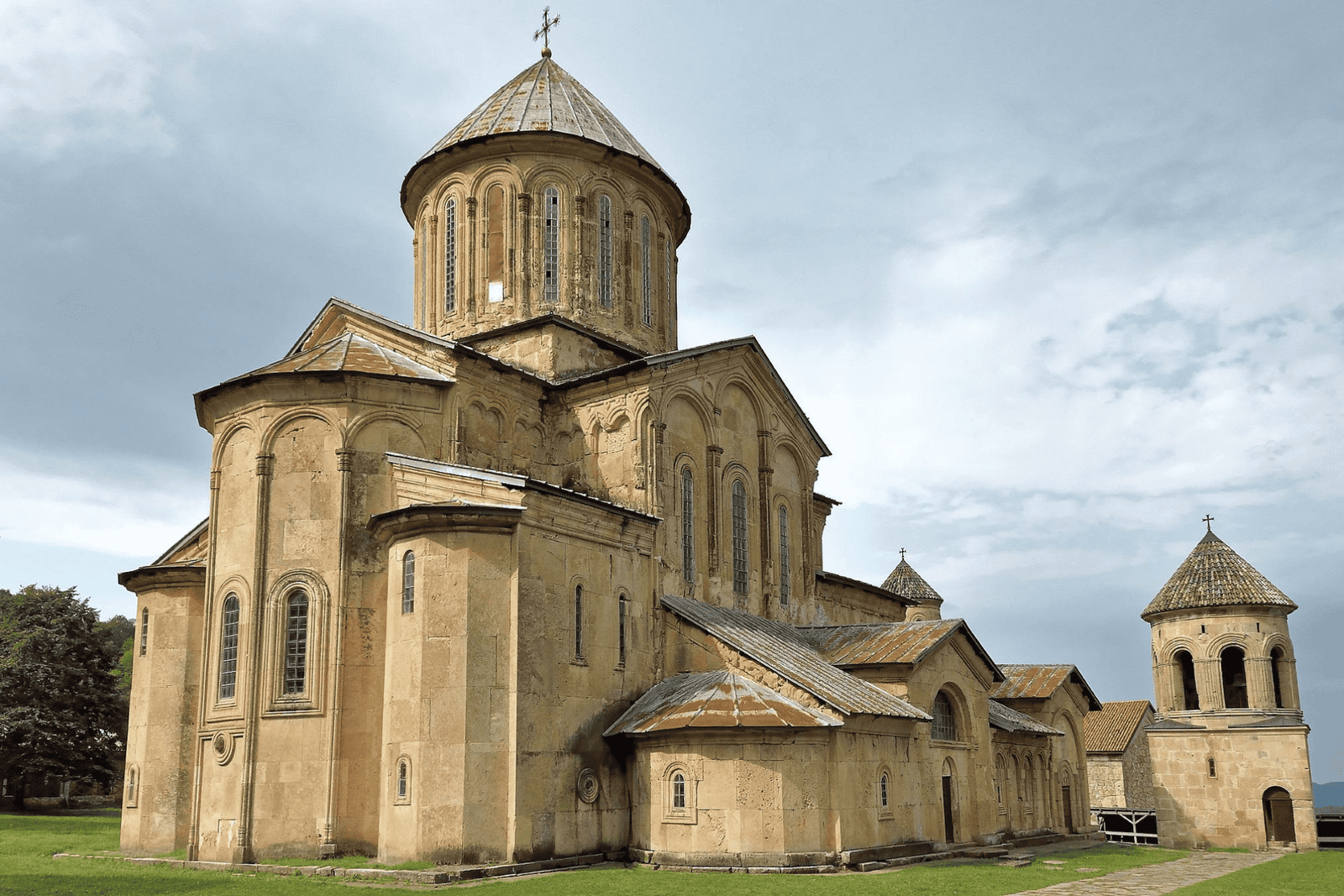
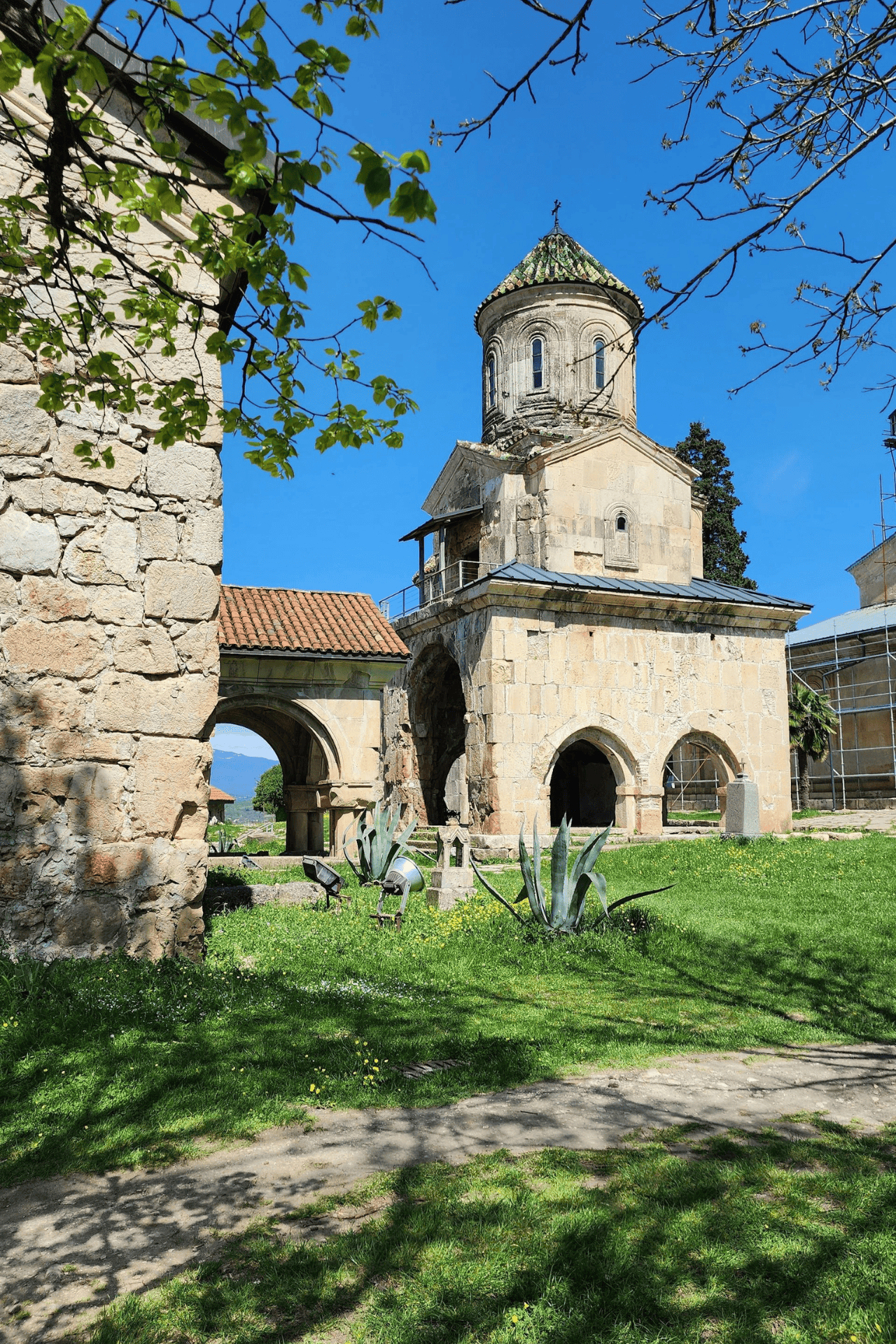
This monastic complex, founded by King David the Builder in
the 12th century, is known for its frescoes and mosaics,
with beautiful medieval architecture. Gelati served as a
center for science, culture, and theology during Georgia's
Golden Age. It is also hosting the tomb of King David, an
important figure in Georgian history.
Perched on a cliff overlooking a gorge, this secluded
monastery offers a peaceful retreat surrounded by nature.
Legend has it that the site commemorates two Georgian
princes who were martyred in the 8th century. Riverscaping
on the Tskhaltsitela River, this is the perfect place to
enjoy the tranquil atmosphere of this sacred site.
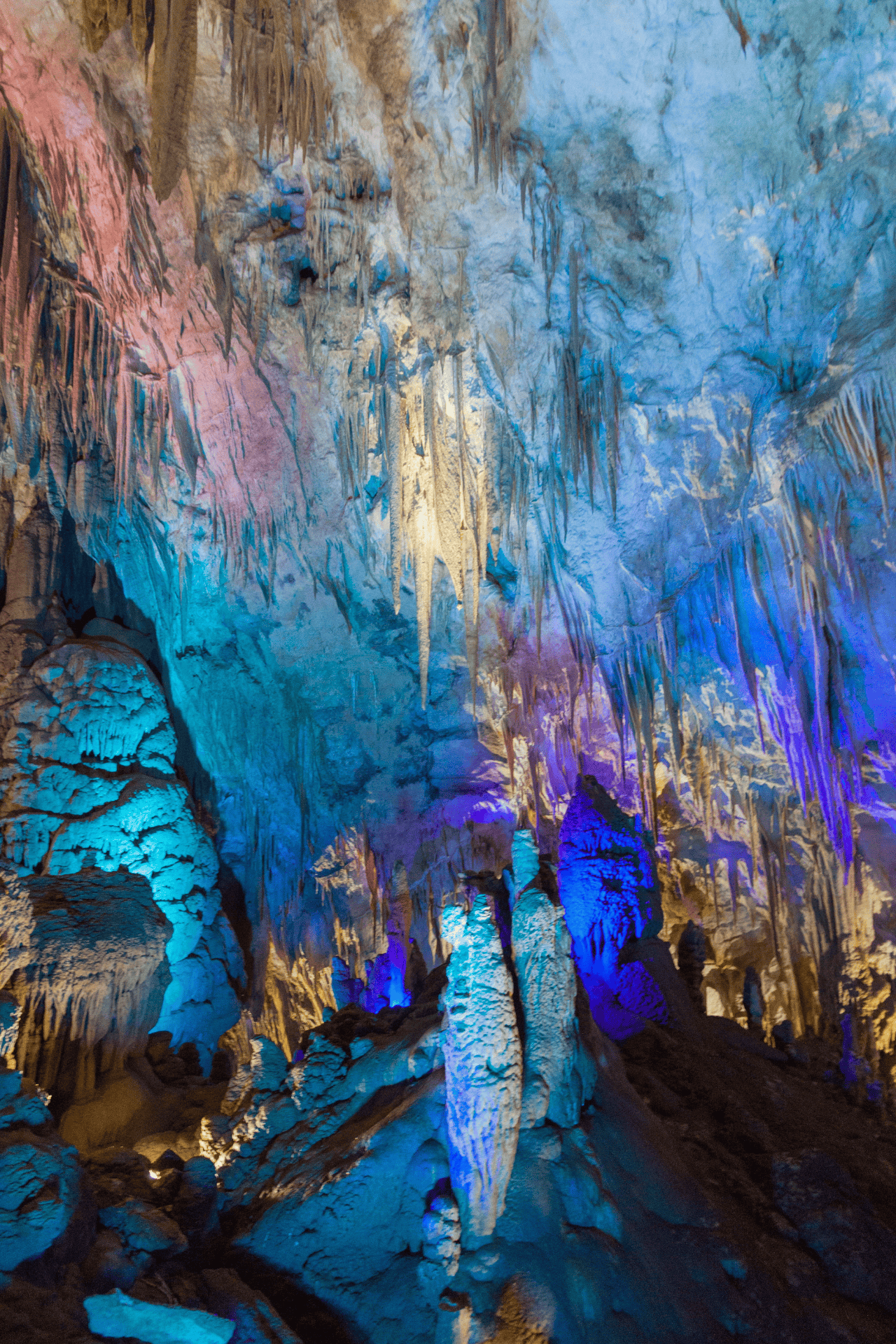
One of Georgia’s most spectacular natural wonders, filled
with impressive stalactites, stalagmites, and underground
lakes. The cave is beautifully illuminated, proffering a
magical experience as it is possible to explore its vast
chambers and passageways.
This nature reserve is home to some karst caves and
preserved dinosaur footprints. It is well known for its
glass skywalk extending sceneries of the forest and
mountains, and with trails connecting around.
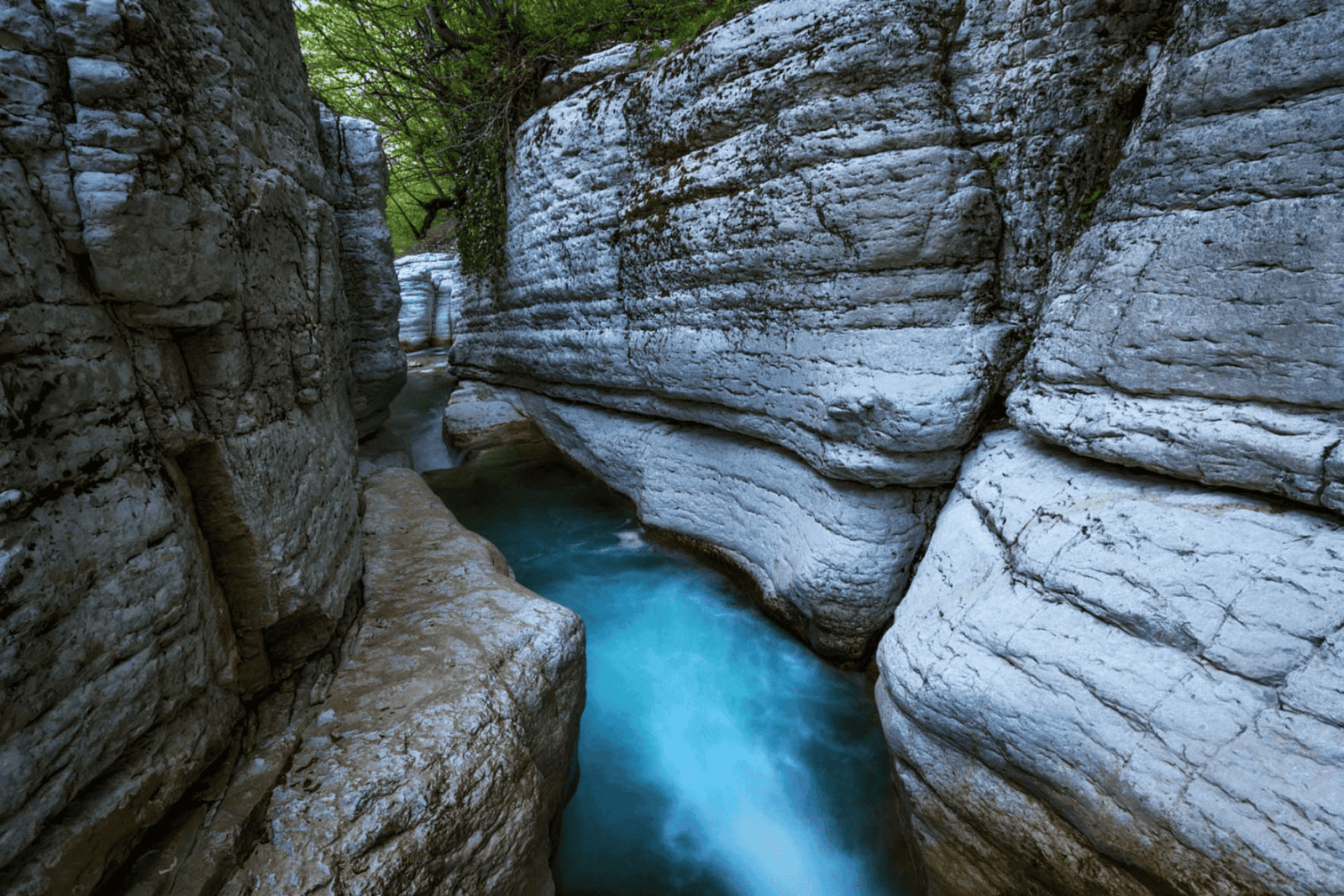
The Okatse Canyon, features a suspension bridge with a
viewing platform that comes up with thrilling spectacles of
the gorge below. The canyon is a perfect destination for
nature lovers and adventure seekers, with its unique rock
formations and greenery.
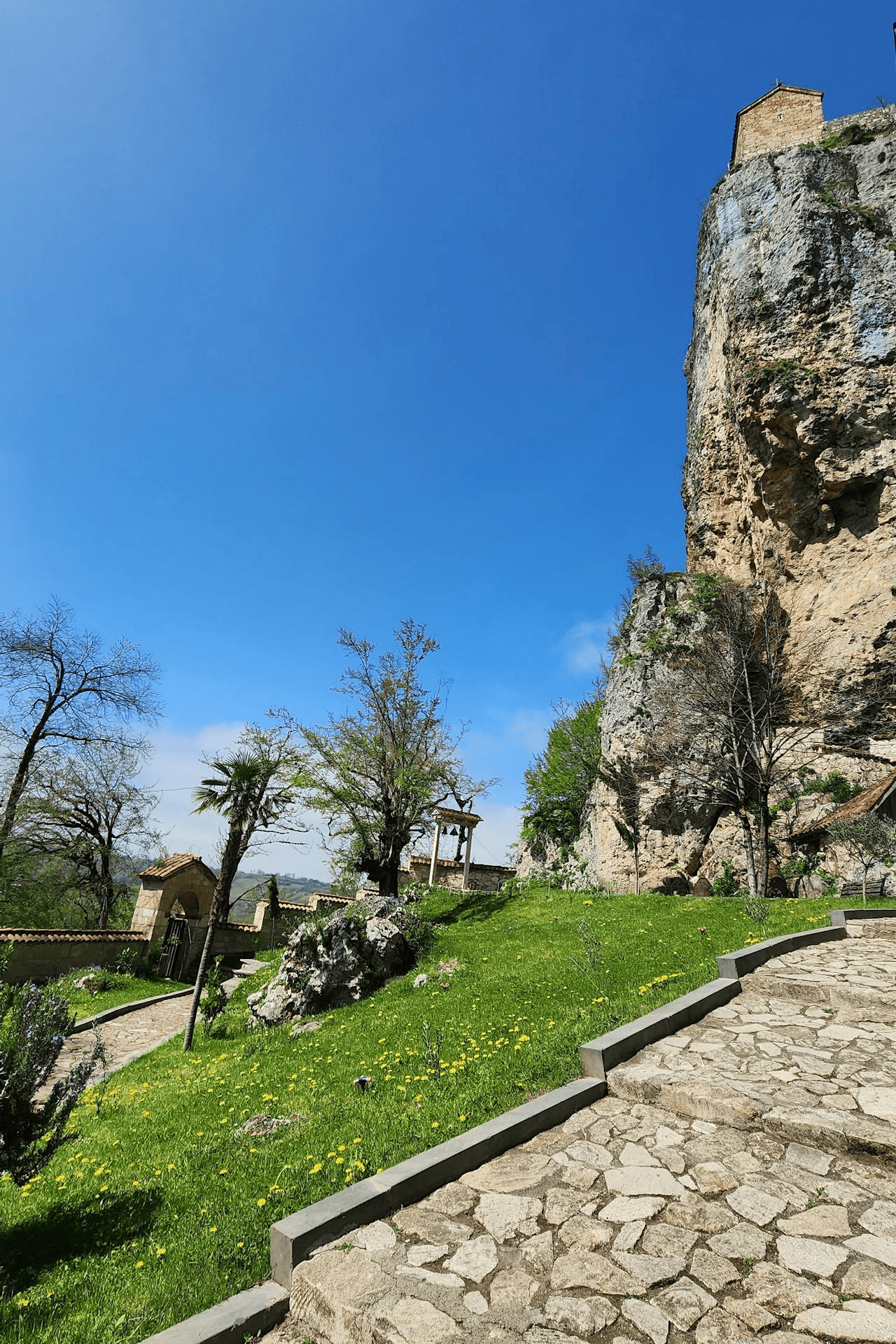
Located 1h drive away from Kutaisi, the Katskhi Pillar is a
natural limestone monolith that rises nearly 40 meters into
the air. Atop the pillar sits a small church and hermit’s
cell, a testament to the devout monks who lived there. It’s
a fascinating and rare sight that highlights Georgia’s deep
religious roots.
In the heart of the Svaneti region, Mestia is known for its
medieval Svan towers that stand as an evidence of the
region’s rich cultural heritage. The Svaneti Museum of
History and Ethnography is houses of a remarkable collection
of ancient artifacts, manuscripts, and traditional Svan
crafts, giving a deeper understanding of this mountain
community.
Ushguli is one of Europe’s highest continuously inhabited
villages, a UNESCO World Heritage site, nested in the heart
of the Caucasus Mountains. Walking in Ushguli feels like
having a journey back in time, with its ancient stone towers
surrounded with sight on Georgia’s highest peak, Mount
Shkhara.
In the heart of the Tusheti region, Omalo serves as the
cultural and administrative center of this remote highland
area. The village is renowned for its prominent stone
defensive towers, which stand as a symbol of Tushetian
heritage and resilience. Omalo also gives bird-eyes sights
of the surrounding peaks and valleys, making it a perfect
starting point for hikes and explorations in the region.
Dartlo Village:
A true gem of Tusheti, Dartlo is celebrated for its
well-preserved medieval stone architecture, including
ancient towers and rustic homes built into the mountainside.
The village is a designated UNESCO cultural heritage site,
offering an insight into Georgia’s past. The open-air
courtroom, the views of the green meadows and the rugged
peaks surrounding the village are making Dartlo a must-visit
for photographers and nature enthusiasts alike.
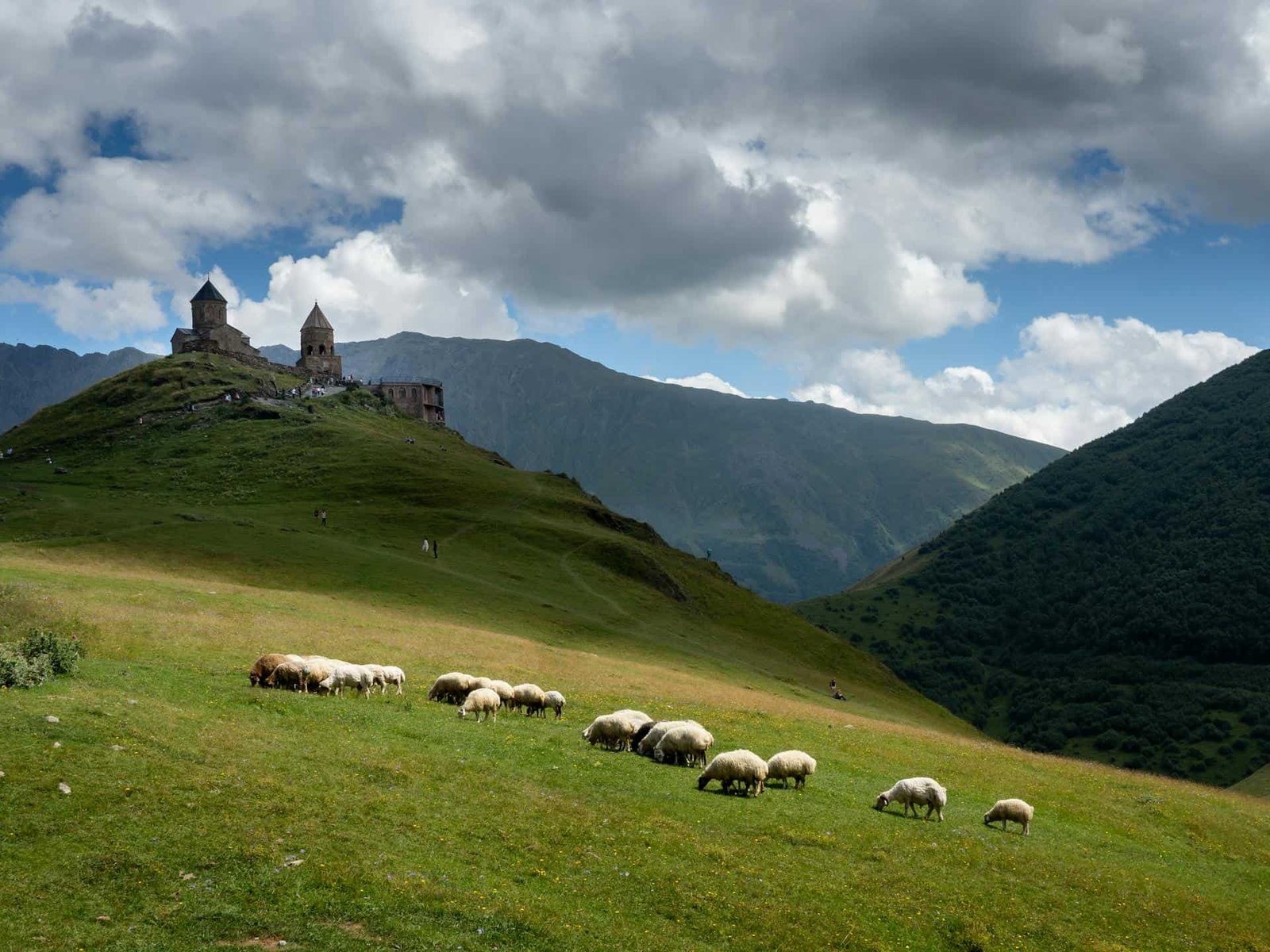
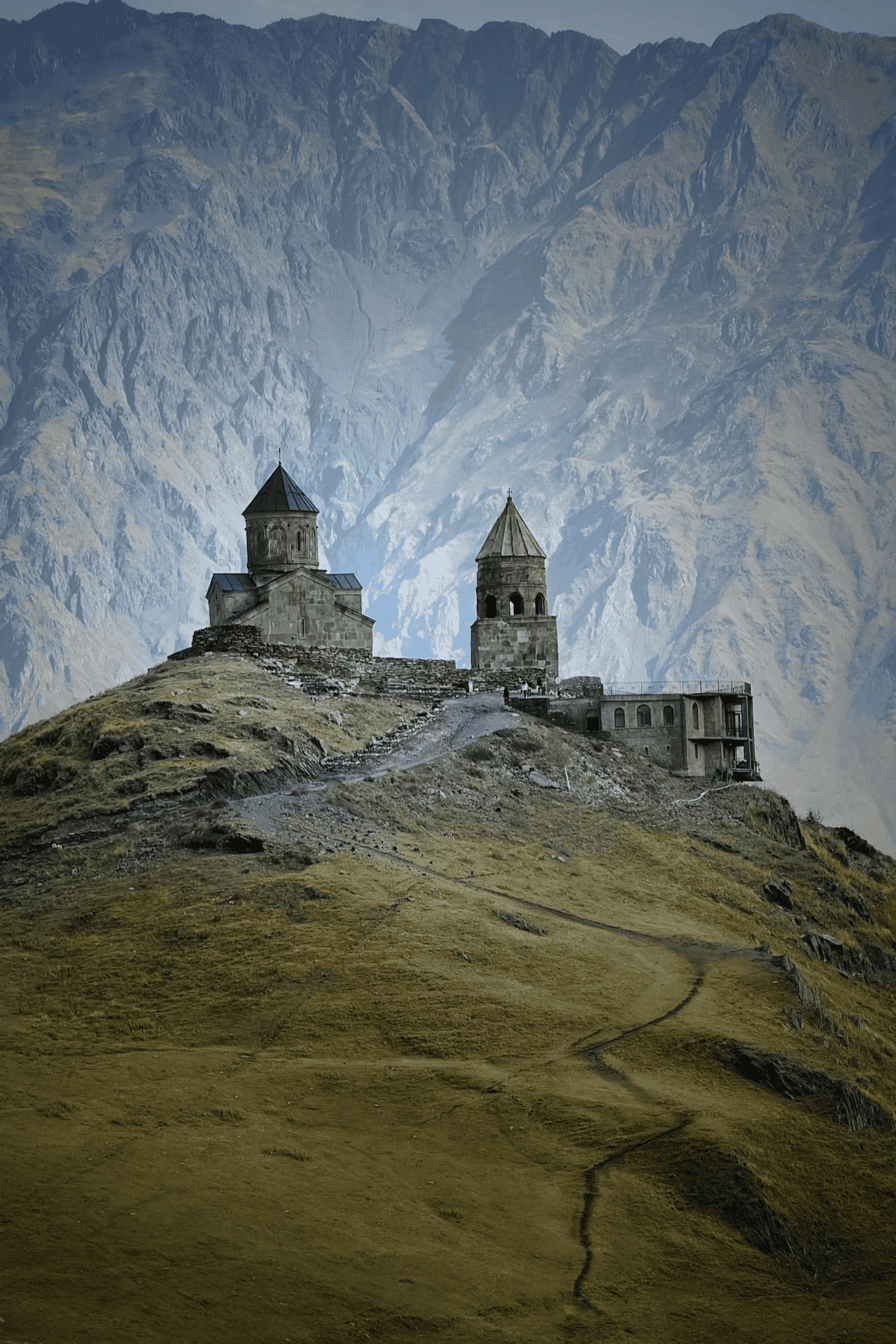
Perched at an altitude of 2,170 meters, this 14th-century
church is a symbol for Georgia. Spirituality and resiliency
is what comes to mind, when thinking about Gergeti.
Accessible by hike or a winding drive, the journey to
Gergeti is an adventure in itself, providing breathtaking
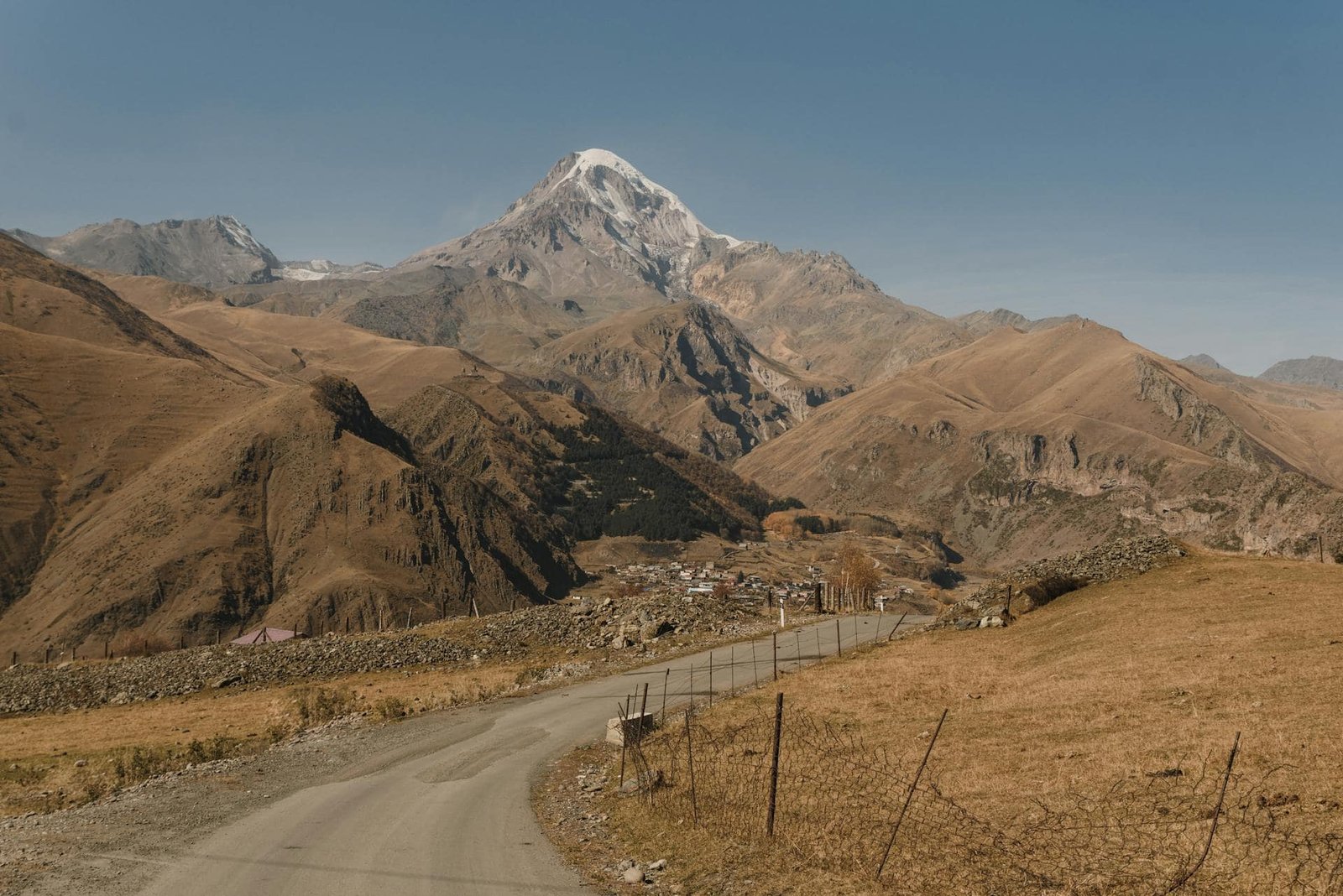
sights of the Caucasus Mountains. The summit offers sweeping
panoramas of Mount Kazbek, one of Georgia’s highest and most
majestic peaks. The church’s secluded setting and historic
architecture create a profound sense of peace and
timelessness, making it a must-visit for travelers and
photographers alike.
Known as the “Gate of the Caucasus”, Darial Gorge is a
narrow canyon carved by the Terek River, located near the
border with Russia. Its towering cliffs, rugged terrain, and
the rushing river below make it one of the most inspiring
natural landscapes in Georgia. Historically a vital passage
on the Silk Road, the gorge is steeped in legends and tales
of ancient trade and conflict. Whether you’re a nature
lover, a history buff, or simply seeking spectacular
scenery, Darial Gorge surely comes up with a combination of
natural beauty and historical intrigue that will let anyone
speechless.
Must Try Food :
Georgian heritage and cuisine are renowned for their diversity and
bold flavors. Dishes like khachapuri, a cheese-filled bread, and
khinkali, savory dumplings filled with meat or cheese, exemplify the
country's culinary richness. Georgian cuisine reflects a blend of
influences from Eastern Europe, the Mediterranean, and the Middle
East, offering a taste of history and cultural fusion on every
plate.
Khinkali are traditional Georgian
dumplings, filled with spiced meat, herbs, and a rich broth.
They are eaten by holding the twisted top, taking a small
bite, and sipping the flavorful broth before enjoying the
rest. These juicy dumplings are a must-try in Georgian
cuisine.
Khachapuri is Georgia’s beloved
cheese-filled bread, with variations across the country. The
most famous, Adjarian Khachapuri, features a boat-shaped
dough filled with molten cheese, butter, and a cracked egg
yolk. It’s a rich, indulgent dish enjoyed fresh from the
oven.
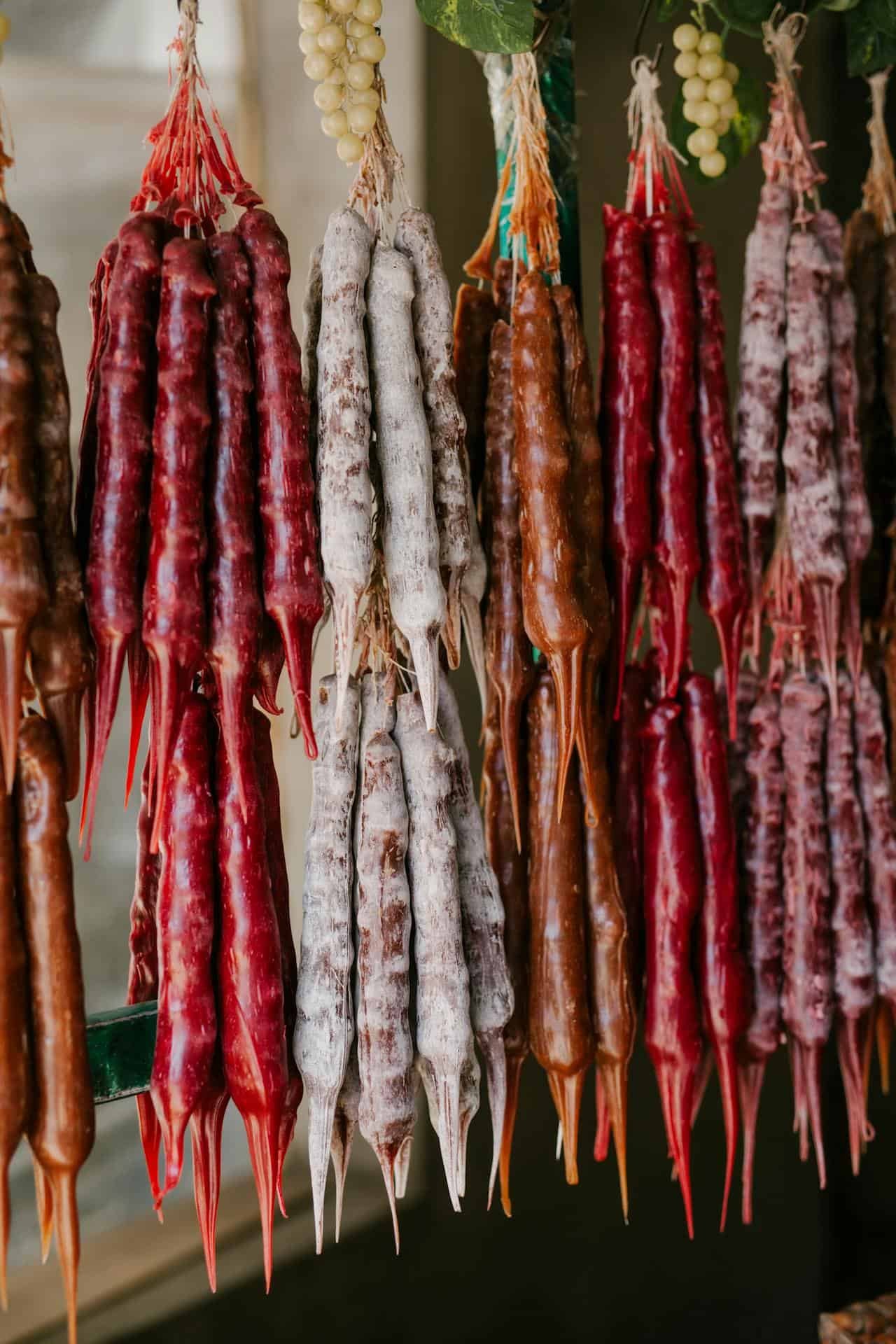
Churchkhela is a traditional
Georgian sweet made by dipping strings of nuts in thickened
grape juice and drying them. Often called the “Georgian
Snickers,” this chewy and nutritious treat is popular during
festivals and as an energy-rich snack.
When is the Best Time to Go:
What to do by Seasons
Georgia boasts a variety of climates due to its
diverse geography. From its sunny coast to snowy mountains, the country
provide unique experiences throughout the year. Here's a guide to the best
times to visit by season:
Summer (June - August) ☀️ Warm and sunny temperatures
make summer the ideal time for enjoying Georgia’s beaches along the
Black Sea coast and exploring the Caucasus Mountains. It’s also the best
season for outdoor activities like hiking, rafting, and sightseeing in
Tbilisi. Sometimes, It can feel very warm and humid.
Best places to visit in
Summer in Georgia: Batumi, Tbilisi, Kazbegi, Vardzia,
Sighnaghi,
Uplistsikhe
Winter (December - February) ❄️ Snowfall in the
mountainous regions makes winter perfect for skiing, snowboarding, and
winter sports. Tbilisi remains relatively mild, but other areas, like
Gudauri and Bakuriani, turn into winter wonderlands.
Best places to visit in
Winter in Georgia: Gudauri (skiing), Bakuriani,
Tbilisi, Kazbegi,
Mtskheta
Autumn (September - November) 🍁 Autumn is a fantastic
time for wine lovers as the Kakheti region hosts grape harvest festivals
and wine tasting events. The weather is cool and pleasant, making it
perfect for city exploration and hiking. The landscapes also transform
with beautiful fall foliage.
Best places to visit in
Autumn in Georgia: Tbilisi, Kakheti (wine regions),
Kutaisi,
Vardzia, Sighnaghi, Telavi
Spring (March - May) 🌸 Spring brings blooming
landscapes and mild temperatures, making it ideal for outdoor activities
such as hiking, sightseeing, and exploring Georgia’s historical sites.
Many festivals begin in the spring, showcasing the local culture and
traditions.
Best places to visit in
Spring in Georgia: Tbilisi, Batumi, Kutaisi, Kazbegi,
Jvari
Monastery, Borjomi
For a thorough experience of Georgia, a 10 to 15 day visit
is
ideal. This allows you to enjoy Tbilisi, explore wine regions like Kakheti, and
visit mountainous areas such as Kazbegi or Svaneti.
Is Georgia safe for tourists?▼
Yes, Georgia is generally safe. Petty crime is minimal, and
violent crime is rare. Be cautious around stray animals and avoid areas near the
borders with Abkhazia and South Ossetia.
Do I need a visa to enter Georgia?▼
Citizens of over 90 countries, including the U.S. and most
of Europe, can enter Georgia without a visa for up to one year. Check with the
Georgian embassy or online for specific entry requirements.
What foods should I try in Georgia?▼
Khachapuri (cheese bread), khinkali (dumplings), and
Georgian wines, especially Saperavi, are must-tries. Georgian cuisine includes
fresh herbs, walnuts, and unique spices.
What currency is used in Georgia, and are credit cards
accepted?▼
Georgia uses the Georgian Lari (GEL). Credit cards are
widely accepted in major cities, but rural areas may require cash, so carrying
some GEL is recommended.
When is the best time to visit Georgia?▼
For mild weather and fewer tourists, May, June, and
September are ideal. Summer is perfect for the mountains, fall for wine tasting,
and winter is ideal for skiing in places like Gudauri and Bakuriani.
Which is better, Tbilisi or Batumi?▼
In Tbilisi, you’ll experience historic architecture, lively
markets, and vibrant nightlife, while Batumi provides stunning beaches,
botanical
gardens, and a more relaxed seaside ambiance. Choose based on whether you’re
seeking urban exploration or coastal relaxation!
Are there unique customs I should be aware of in
Georgia?▼
Georgians are known for their hospitality and often invite
guests to “supras” (feasts). Accepting toasts is customary; declining may be
considered impolite.
Is it easy to communicate in English in Georgia?▼
While Georgian is the official language, English is widely
spoken in tourist areas and by younger Georgians, especially in Tbilisi and
popular attractions.
Is traveling around Tbilisi easy?▼
Getting around Tbilisi is quite convenient! The city has a
reliable public transport system, including buses, minibusses (marshrutkas), and
a metro system. Taxis and rideshare services are also readily available, making
it easy to explore the city's attractions.
Are there good transportation options in Batumi?▼
Yes! Batumi is well-connected by public transport, including
buses and trams. The city is also pedestrian-friendly, especially along the
seaside promenade. Biking is popular too, with rental options available for
visitors.
How can I travel between Tbilisi and Batumi?▼
Traveling between Tbilisi and Batumi is easy! You can take a
direct domestic flight, which is quick, or opt for a scenic train ride that
takes around five hours. Buses are also available and provide a budget-friendly
alternative.
Can I rent a car in Georgia?▼
Yes, renting a car is a great way to explore Georgia! Major
international and local rental agencies operate in Tbilisi and Batumi. Keep in
mind that driving styles may differ from what you're used to, and some rural
roads may be less maintained.
Survival Kit
Essential Phrases for Travel
გამარჯობა (Gamarjoba) - Hello
გმადლობთ (Gmadlobt) - Thank you
გთხოვთ (Gtkhovt) - Please
რამდენი ღირს? (Ramdeni ghirs?) - How much is it?
სად არის ტუალეტი? (Sad aris tualeti?) - Where is the
bathroom?
ბოდიში (Bodishi) - Excuse me / Sorry
ინგლისურად ლაპარაკობთ? (Inglisurad laparakobt?) - Do you
speak English?
დამეხმარეთ! (Damekhmaret!) - Help me!
დავიკარგე (Davikarge) - I’m lost
დარეკეთ პოლიციაში! (Dareket policiashi!) - Call the police!
Local Customs
Guests in Georgia are typically greeted with a
firm handshake, and if you're invited to a “supra”, expect to experience
heartfelt toasts made by the “tamada”, the toastmaster, often with homemade wine
or chacha, a strong local spirit. Respect and courtesy are integral in Georgian
culture, especially in religious settings like churches, which are considered
sacred. Below are some customs and etiquette tips to keep in mind:
Church Customs: Many Georgians practice Orthodox
Christianity, and churches play a significant role in daily life. Here are
some respectful practices to follow when visiting:
Dress Modestly: Visitors are encouraged to wear
modest clothing that covers the shoulders and knees. Women should
consider bringing a scarf or shawl to cover their heads, as this is
a traditional sign of respect.
Quietness: Maintain a respectful silence inside
churches. Avoid loud conversations, and remember to silence your
phone.
Local Practices: Follow the lead of locals,
especially around lighting candles or making a small donation, as
these gestures are often appreciated.
Photography: Some churches may have restrictions on
photography. Always ask for permission before taking photos.
Social Customs: Georgians value hospitality and politeness.
Here are some helpful tips for interacting with locals:
Greetings: Handshakes are common when meeting
someone for the first time, while friends might greet each other
with a kiss on the cheek.
Gift Giving: If invited to a Georgian home, it's
thoughtful to bring a small gift, like sweets or a bottle of wine,
as a gesture of appreciation.
Dining Etiquette: At a “supra”, wait for the host
to make the first toast. Try a little of everything offered, as it
shows respect for the host's hospitality.
Public Behavior: When in public spaces, respecting local
norms will make your interactions more pleasant.
Politeness: Georgians appreciate polite and
courteous behavior, so try to avoid loud or disruptive actions in
public spaces.
Queueing: While patience is expected, there are
often relaxed attitudes around lines, especially in busy areas.
Remain flexible and understanding.
Bus and Marshrutka: Georgia’s public transportation
includes both buses and minibuses called marshrutkas, which are widely
used in cities and rural areas. Here’s what you need to know:
City Buses: City buses operate in major cities like
Tbilisi, Batumi, and Kutaisi. Most buses in Tbilisi require a
Metromoney card for payment, available at metro stations
and kiosks, but some accept exact change. Schedules are typically
posted at main stops, though they may be irregular in rural areas,
so check for updates in advance.
Marshrutkas: These shared minibuses are a popular
and affordable option for both city commutes and intercity travel.
You can find marshrutkas at key hubs like Didube Bus Station in
Tbilisi or Batumi’s Central Bus Station. Fares are generally paid in
cash directly to the driver, and routes may be flexible depending on
passenger needs.
Taxi: Taxis are easily available throughout urban areas.
While it's a good practice to agree on a fare in advance, many travelers
prefer using ride-hailing apps for added safety and transparency. Popular
apps include:
Bolt
A convenient ride-hailing app available in many cities.
Yandex Go
Provides rides with transparent fares and easy payment options.
Metro: Tbilisi has a convenient metro system with two main
lines covering most of the city, providing a reliable and affordable way to
get around. The metro runs roughly from 6:00 AM to midnight and is one of the
fastest ways to move across Tbilisi, especially during rush hour. You can use a
"Metromoney" card for multiple rides, which also works on buses and
municipal transport. You can purchase the card directly at metro station
ticket windows as long as the metro is open, where cash is generally preferred.
The card itself requires a small deposit, and rides are very inexpensive
compared to most European capitals, making the Tbilisi metro a top choice for
budget travelers.
Buying & Using the Metromoney Card: The card can be bought
at any metro station during operating hours. It can be topped up at station
kiosks or at the many payboxes around the city. One card can be used by more
than one person, and it also provides access to buses, minibuses
(marshrutkas), and even the Rike–Narikala cable car. As of recent years, a
typical top-up of around 6 GEL comfortably covers multiple rides, though
prices may vary depending on current 2025 transport tariffs.
Other Cities: Other major cities in Georgia, such
as Batumi and Kutaisi, do not have metro systems. Public
transportation in these areas relies on buses and taxis for the most.
Car Rental: Renting a car is an excellent way to explore
Georgia’s natural beauty, especially in mountainous regions. Major car
rental companies operate in Tbilisi, Kutaisi, and Batumi airports, as well
as in urban centers. Note that road conditions may vary, especially in
remote areas, so a suitable vehicle is recommended. Make sure to always
check the car's condition very carefully before using any of it.
Popular car rental providers include:
Europcar
Comes up with a range of vehicles across Tbilisi, Batumi, and
Kutaisi, also with options for airport pickups.
Hertz
A well-known provider with convenient locations in major cities and
airports.
Avis
Provides car rental services at Tbilisi and Batumi airports,
offering both compact cars and SUVs for varied terrain.
City Car Rent
Georgia
A local car rental company with a diverse selection of vehicles for
exploring Georgia's rugged landscapes.
Bicycle Rental: Tbilisi and some tourist hotspots offer
bicycle rentals. Wear a helmet and familiarize yourself with traffic rules,
as road conditions can be challenging in some areas.
Road Conditions: While major highways are generally in good
shape, rural roads can be uneven or narrow. Drive cautiously, especially in
remote areas where livestock may wander onto the roads.
Animal Hazards: Cows, sheep, and other animals are very
common alongside the road, such they can be widely found on rural areas.
Drive slowly and be vigilant when passing through villages and remote
places.
Mountain Hazards: In mountainous regions, rock falls or
tree debris can occur, especially during heavy rains. Adjust your speed
accordingly and be prepared for sudden changes in weather.
Health and Safety Tips
Hydration: Always drink bottled or boiled water, especially
in rural areas where water quality might be uncertain.
Medications: Bring any necessary medications with you and
keep a basic supply on hand, such as pain relievers and anti-diarrheal
medicine, especially if you plan to venture into rural areas.
Wildlife Awareness: If you plan to explore rural or
mountainous areas, be aware of local wildlife. While encounters are rare,
it’s wise to be cautious around animals like bears or wild boars:
Bear Safety: In mountainous regions like Svaneti,
bears might be present. Avoid leaving food unattended, keep a safe
distance if you see one, and make noise to avoid surprising them.
Insect Precautions: Use insect repellent to protect
against ticks and mosquitoes, particularly in forested or rural
areas. These insects can carry diseases such as Lyme disease or
malaria.
Proper Gear: When hiking or camping, wear
appropriate clothing and footwear. Use bear-proof containers if
camping in bear-prone areas.
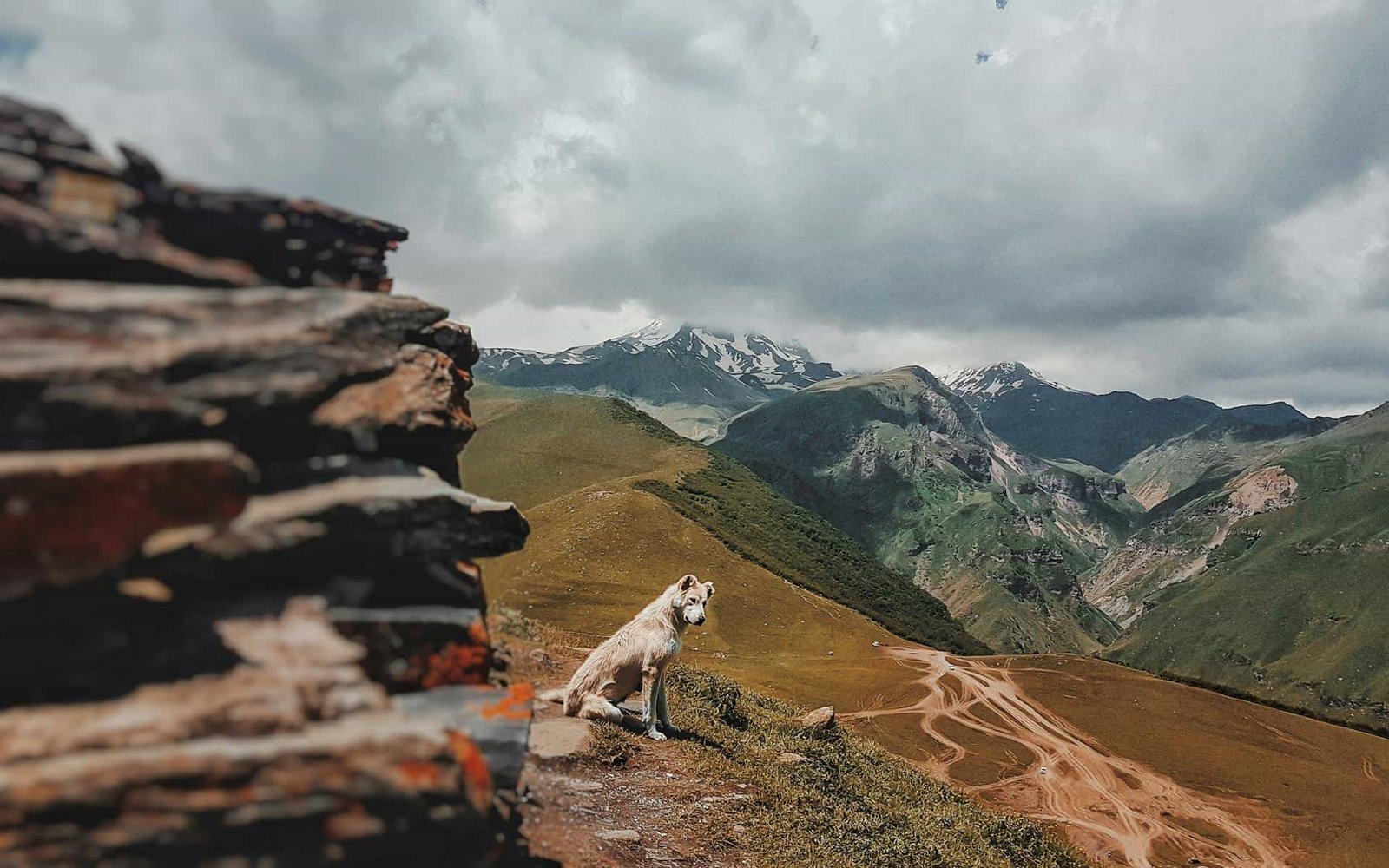
Stray Dogs and Cats: Stray dogs and cats are common
in both urban and rural areas of Georgia. Local authorities,
especially in cities like Tbilisi, have implemented programs to
control the population through spaying, neutering, and vaccinating
strays. Treated animals are often marked with ear tags to indicate
they’ve been vaccinated, particularly against rabies. Despite these
efforts, resources can be limited, and not all animals are reached
by these programs. It’s best to exercise caution around stray
animals, avoid feeding or approaching them, and keep a safe distance
if they show signs of aggression or illness.
For immediate assistance in emergencies, dial 112.
This number covers police, ambulance, and fire services across
Georgia.
Tourist Hotline:
Georgia’s National Tourism Administration offers a free hotline for
travelers at 0 800 800
909, providing assistance
and information for visitors.
Was this Guide Helpful?
5 out of 5 people found this article useful!
Receive the Newsletter
Receive infos, e-catalogues, gifts & more by subscribing for free
More information on data privacy policy here.
By subscribing to our newsletter, you allow yourself to send your personal information (email address) to Visit Idea, the recipient and manager of your subscription.
Your data are stored in the European Union and in third-party countries assuring an adequate level of protection in accordance with a decision adopted by the European Commission or in accordance with the contractual clauses approved by the European Commission.
Your data will be suppressed at the latest three years (3) after our last contact, in the absence of unsubscription.
You can withdraw your consent to the processing of your personal data at any time using the unsubscribe link in each newsletter you receive, which will terminate your subscription.
Pictures of Georgia: the Complete Guide
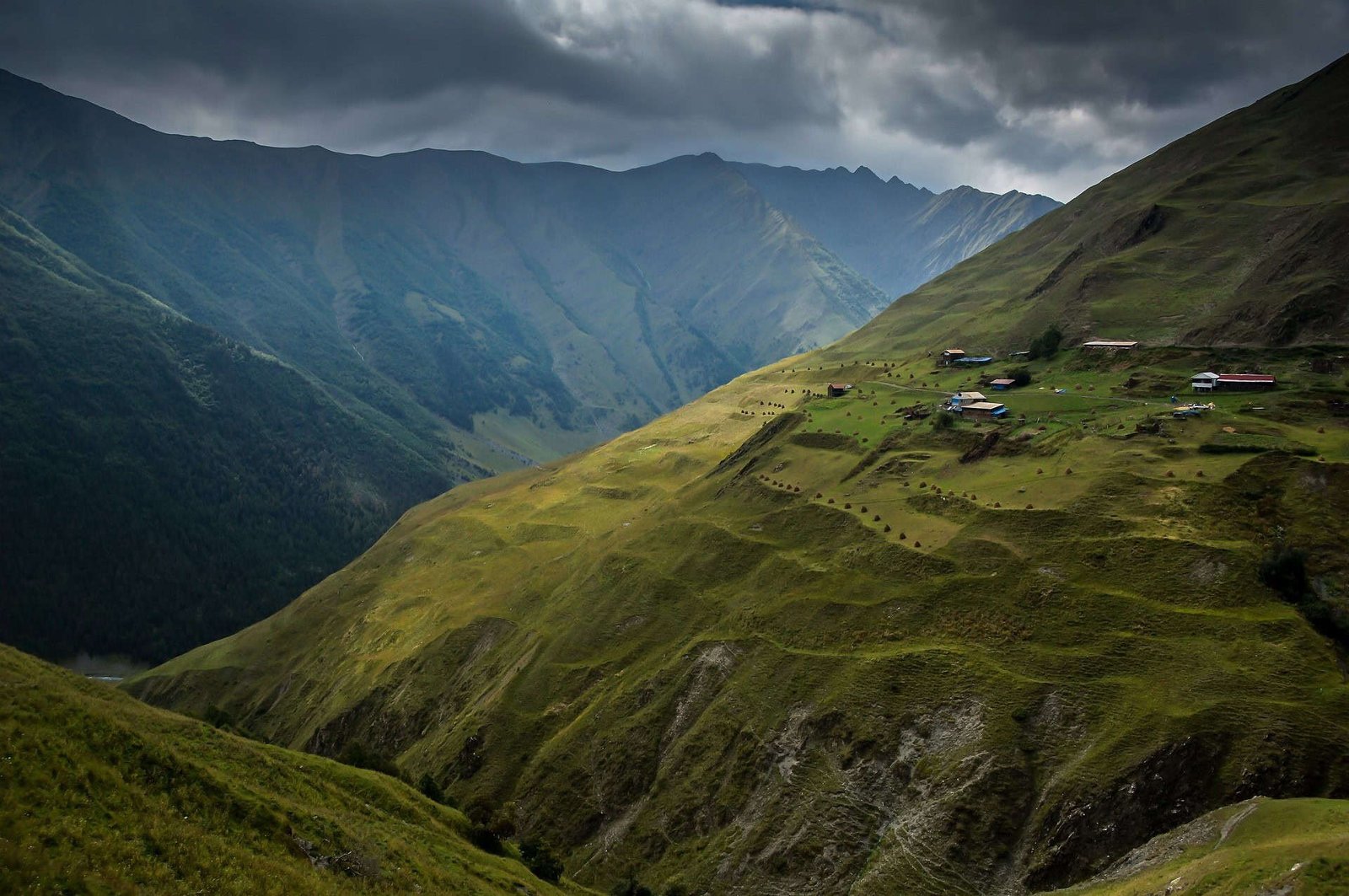
The lush green mountains of Svaneti, a UNESCO World Heritage site. Photo Credit: JLB1988
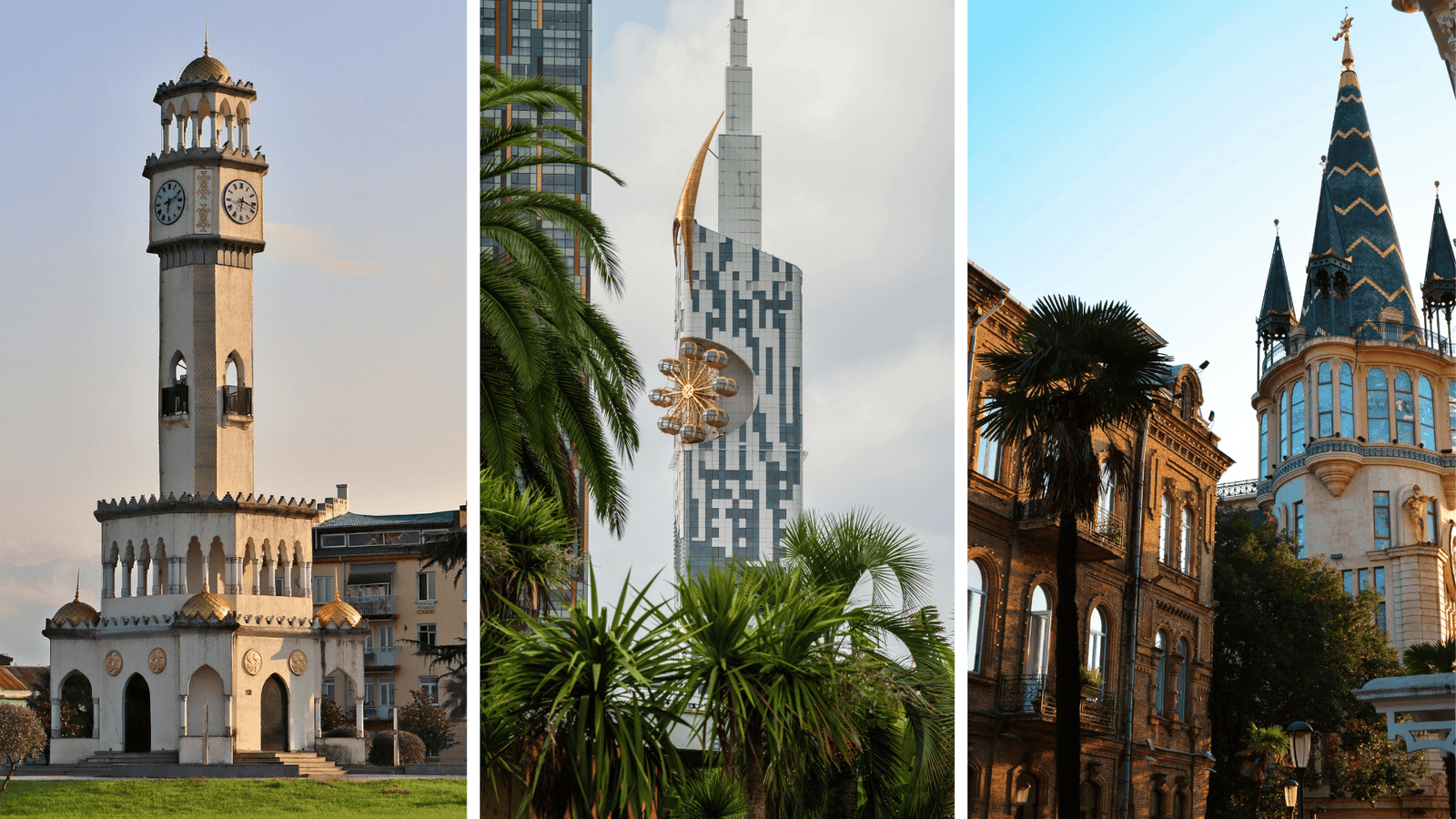
Three iconic towers in the skyline of Batumi, Georgia. Photo Credit: Svetlbel, Paul H, Esra Kaya
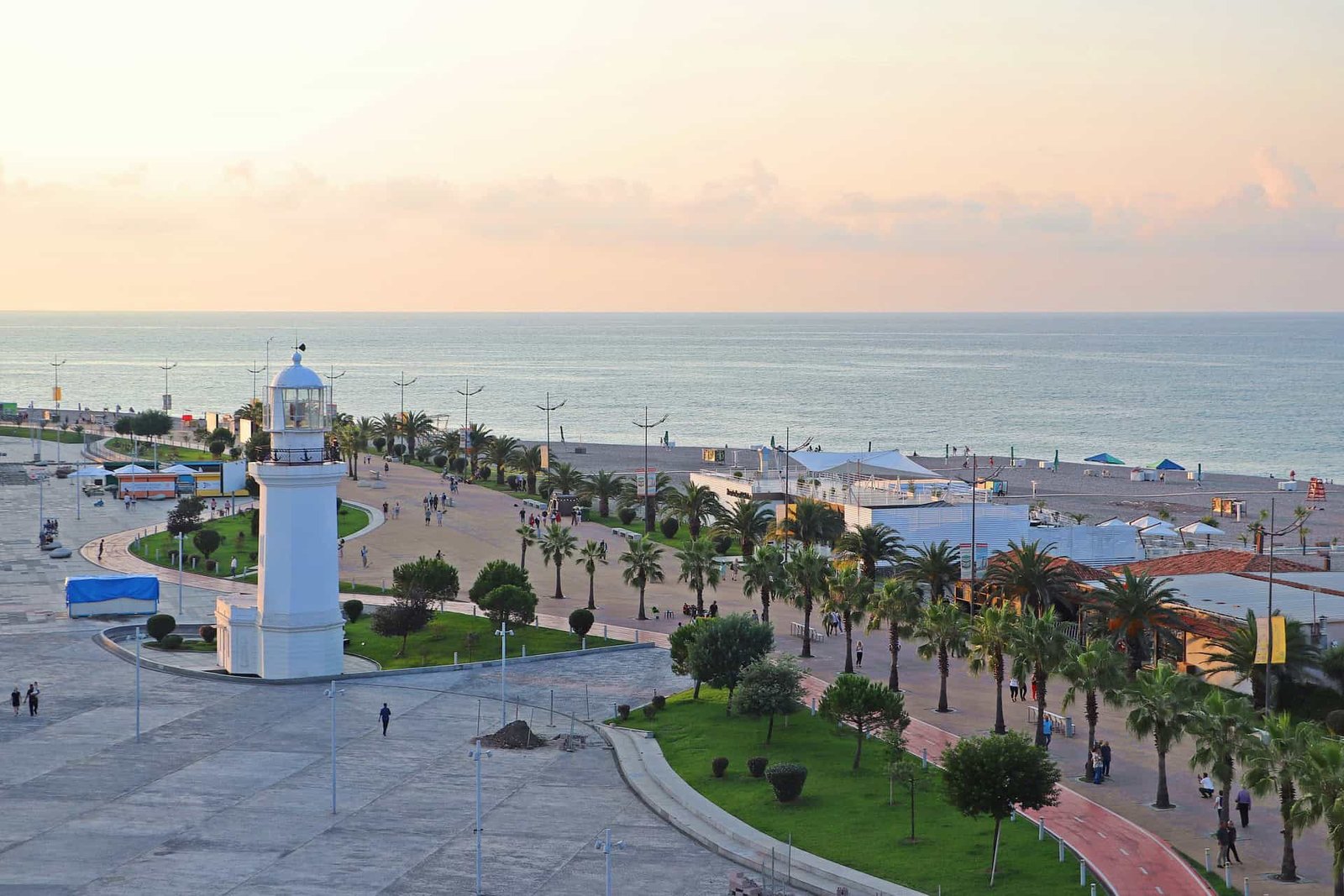
The historic lighthouse overlooking the Black Sea in Batumi. Photo Credit: Svetlbel
The ancient Bagrati Cathedral, a symbol of Kutaisi, Georgia. Photo Credit: Michael Eiselstein
The scenic Gergeti Trinity Church (Tsminda Sameba), Holy Trinity Church near the village of Gergeti in Georgia, under Mount Kazbegi. Photo Credit: Sylwia Bartyzel
The ancient ramparts of Sighnaghi, offering panoramic views of the Alazani Valley. Photo Credit: Netlenka, Alexey Vecherin